

After spending some time in Phnom Penh, it was time to move onto Siem Reap. Here I hoped to achieve a lifelong dream and visit Angkor Wat. But before that I had to prepare myself by visiting the Angkor National Museum.
The Angkor National Museum was easy to find as it sits right in the center of Siem Reap, on the road that leads right to Angkor Wat. After paying the $12 to get in, I walked through the extravagant entrance complete with a large swimming pool. It was an extravagance, and no expense had been spared in keeping this place as clean as it could be.
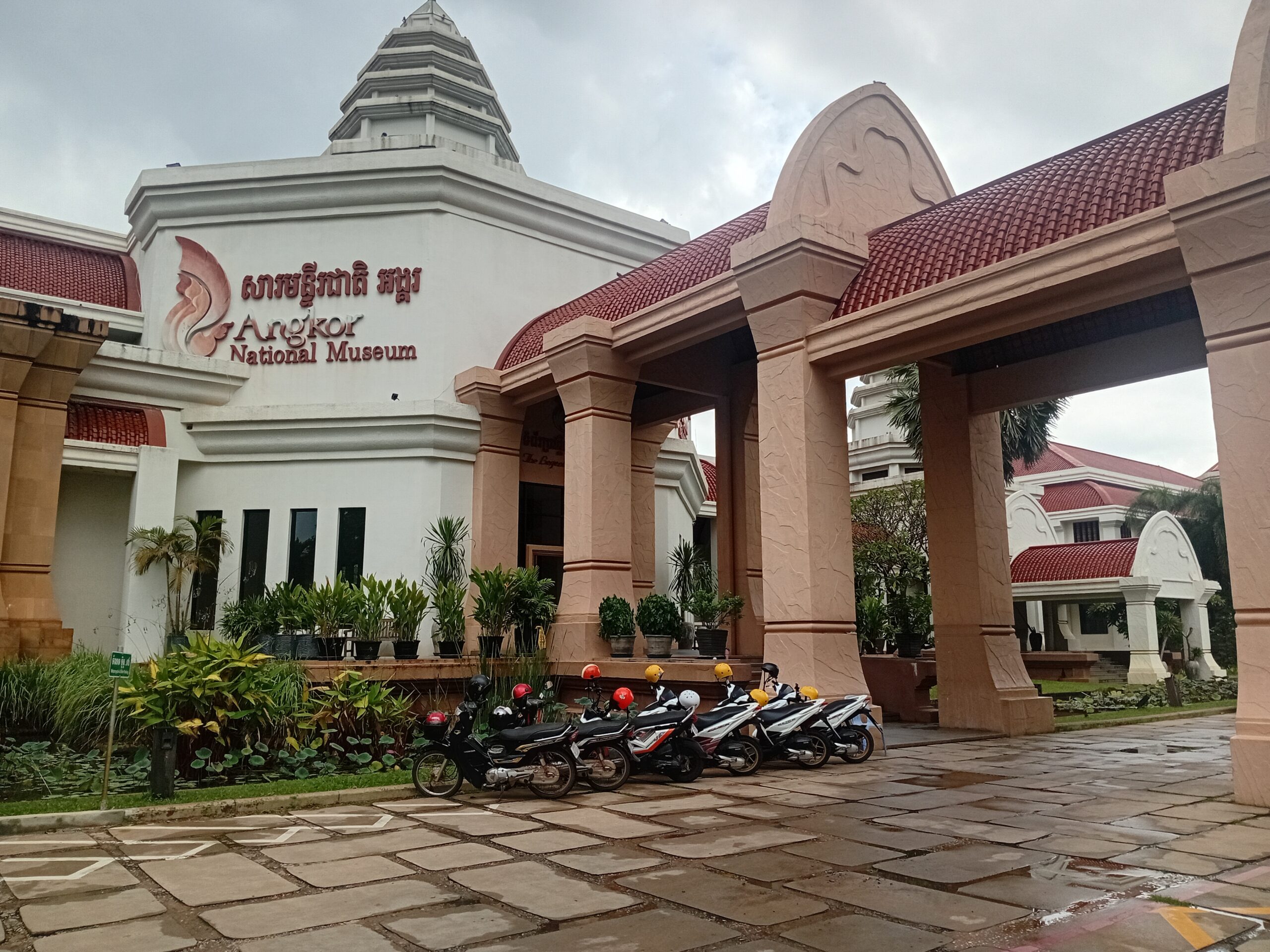
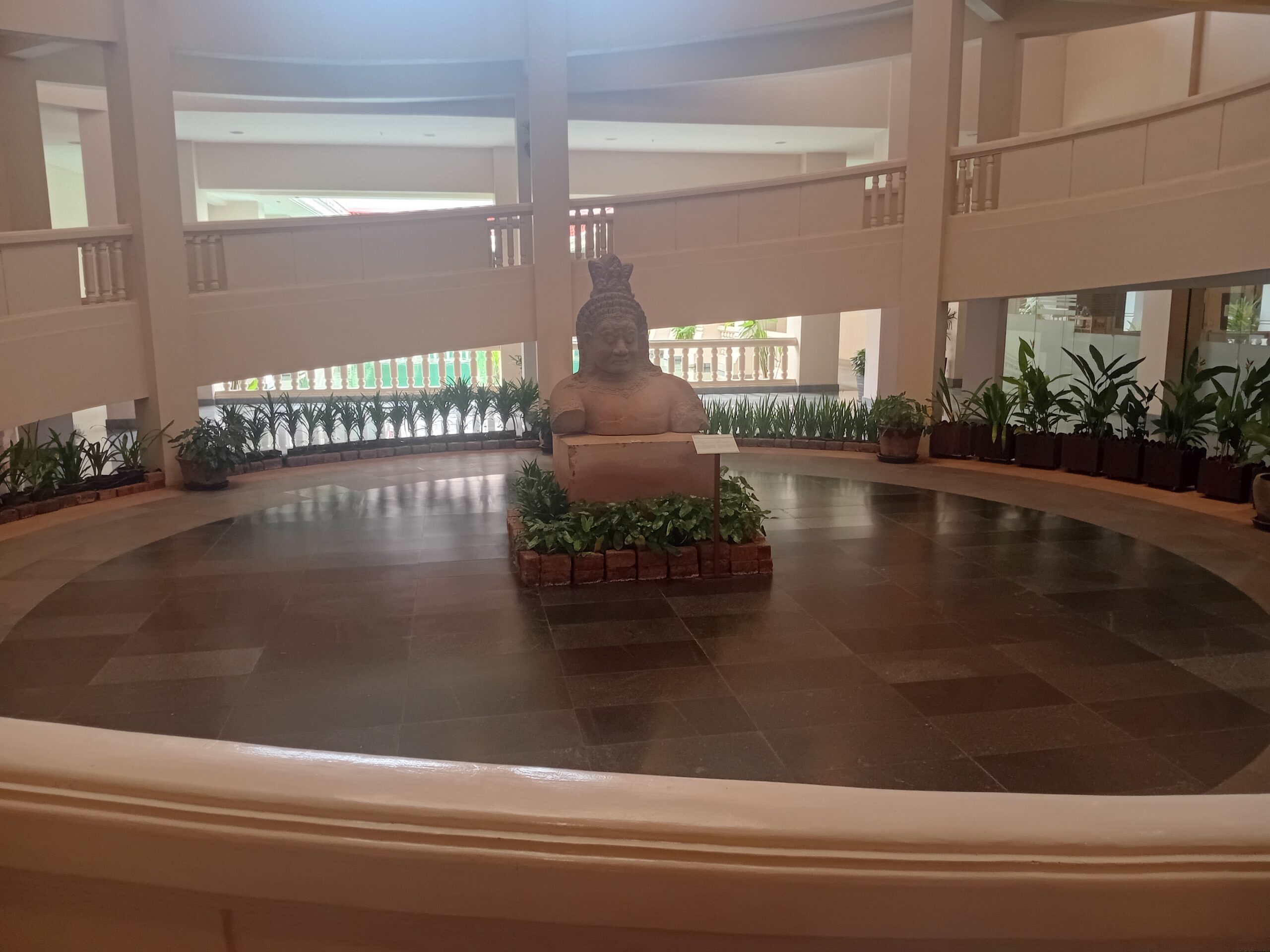
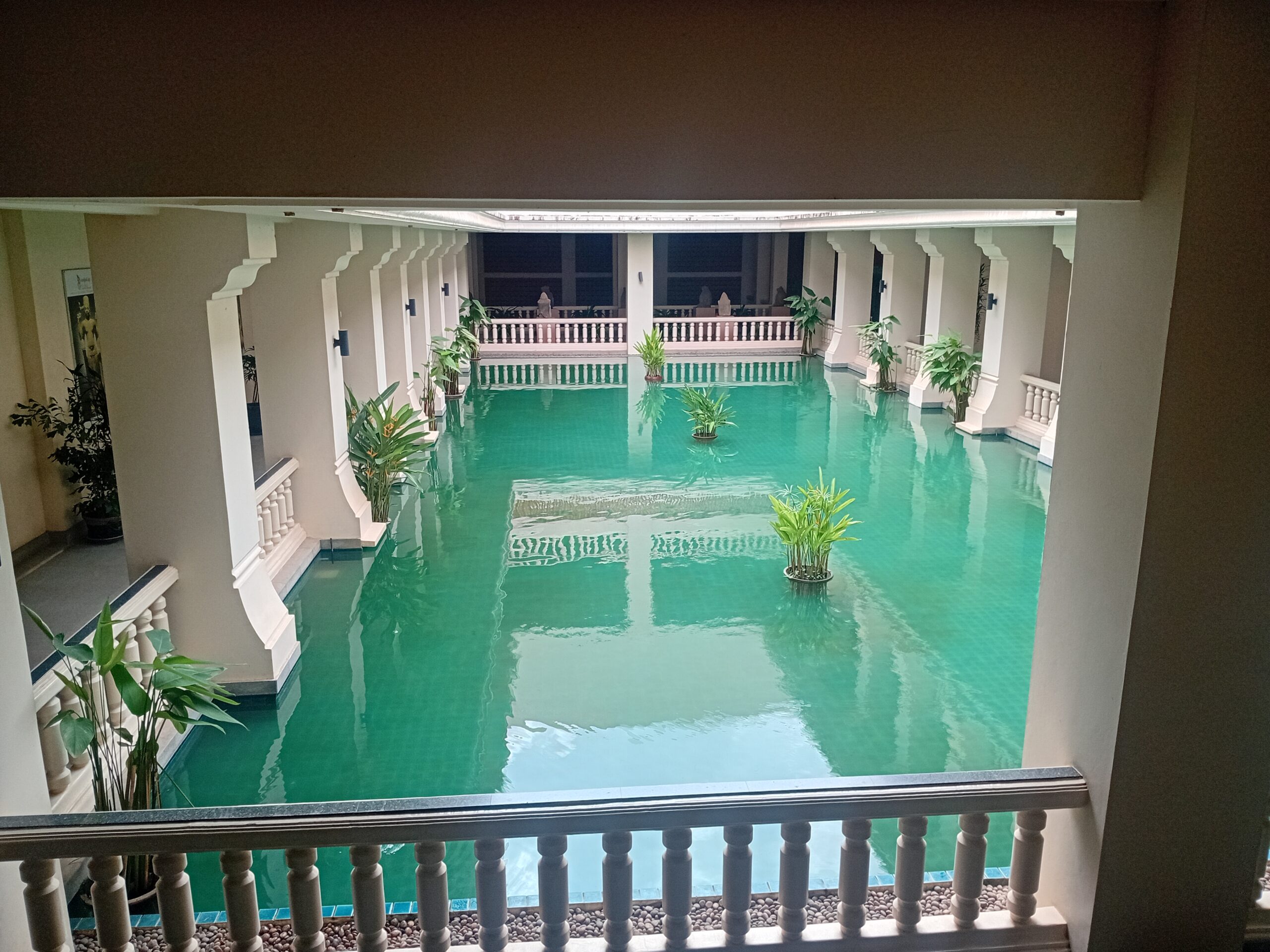
The rooms in the building were huge and made you feel small, especially with so few visitors at the time. You could be in a room bigger than most flats and be the only person there. It helped give a sense of awe, calmness, and quiet as you wandered through the exhibits.
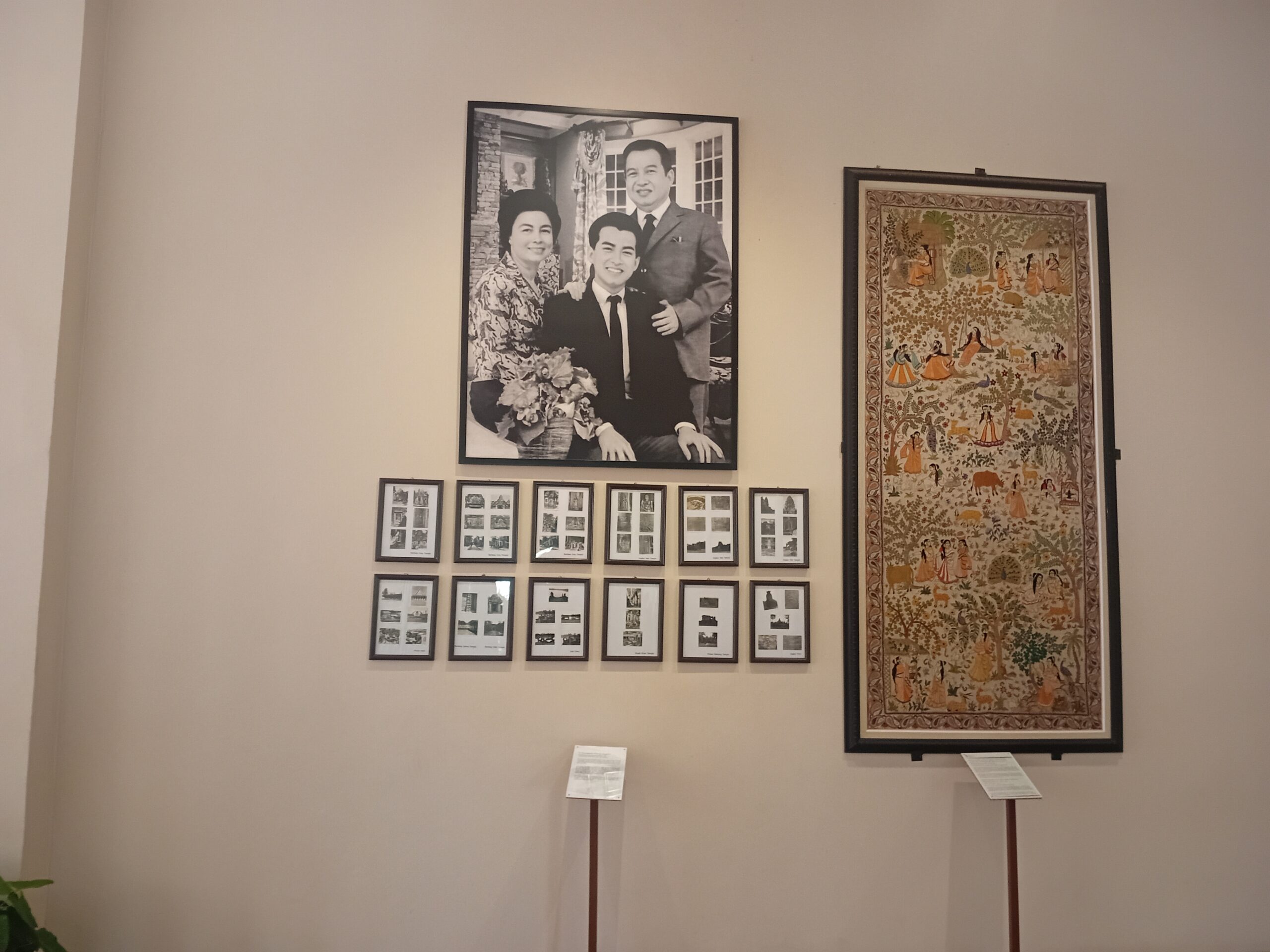
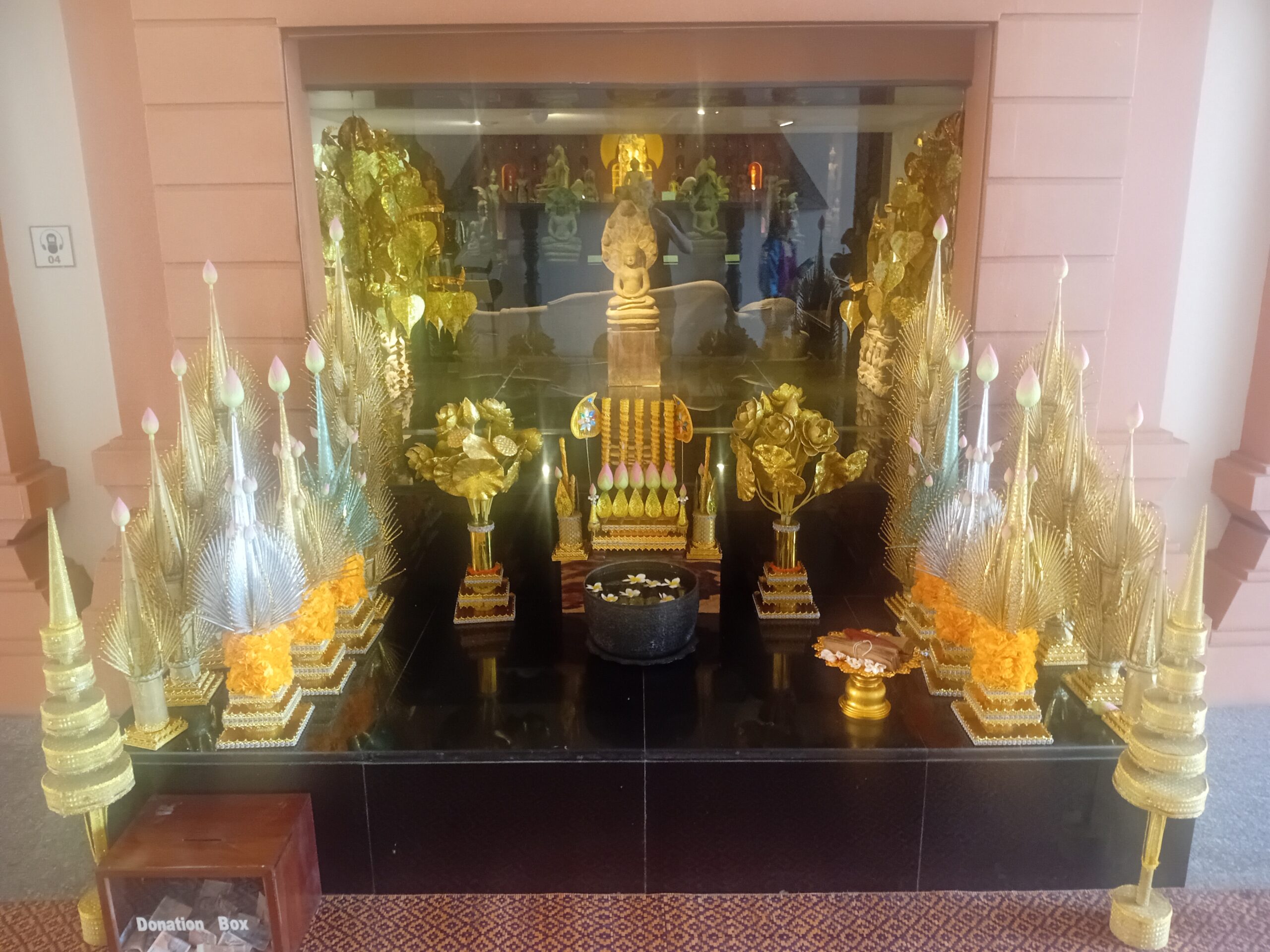
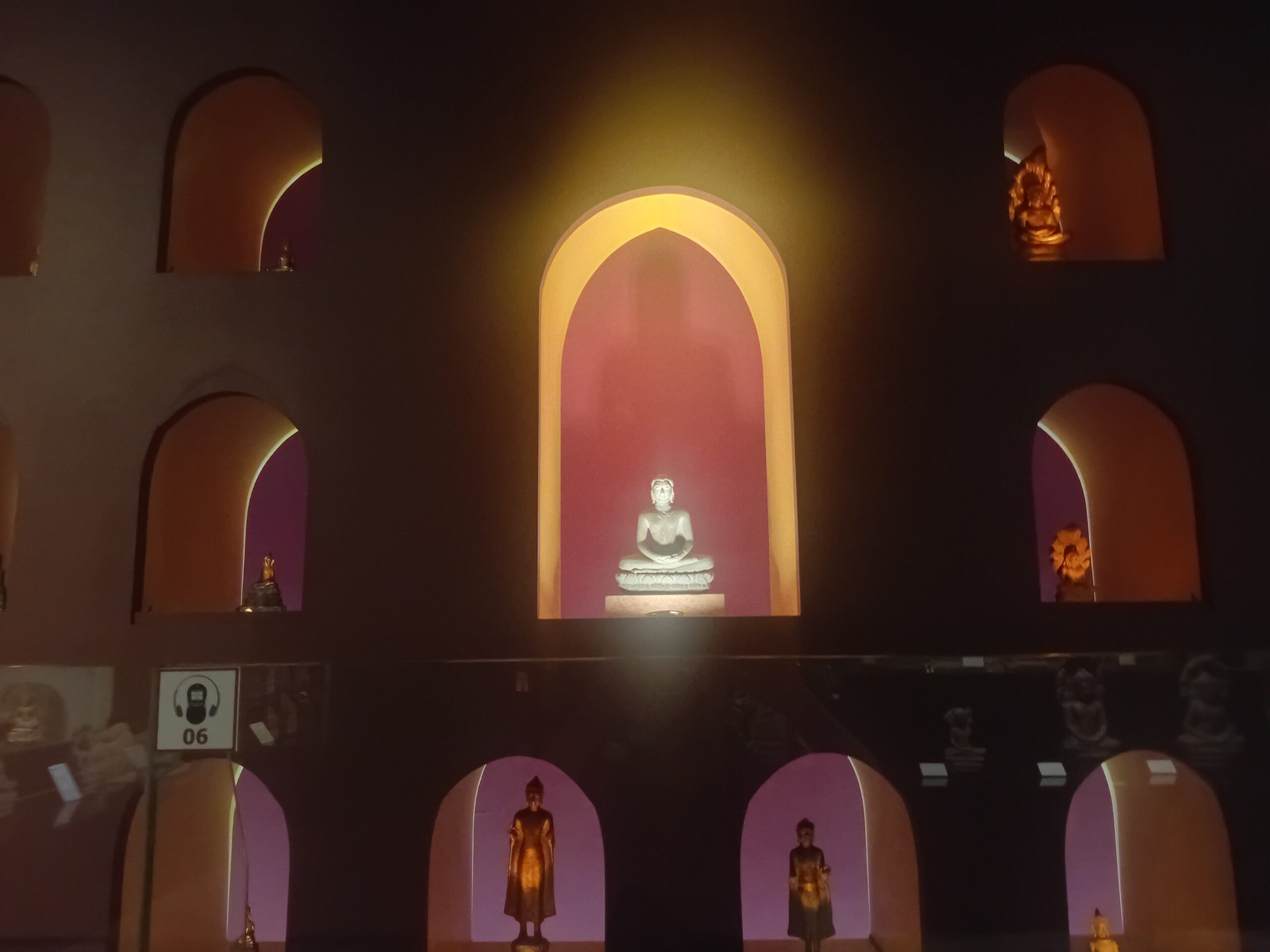
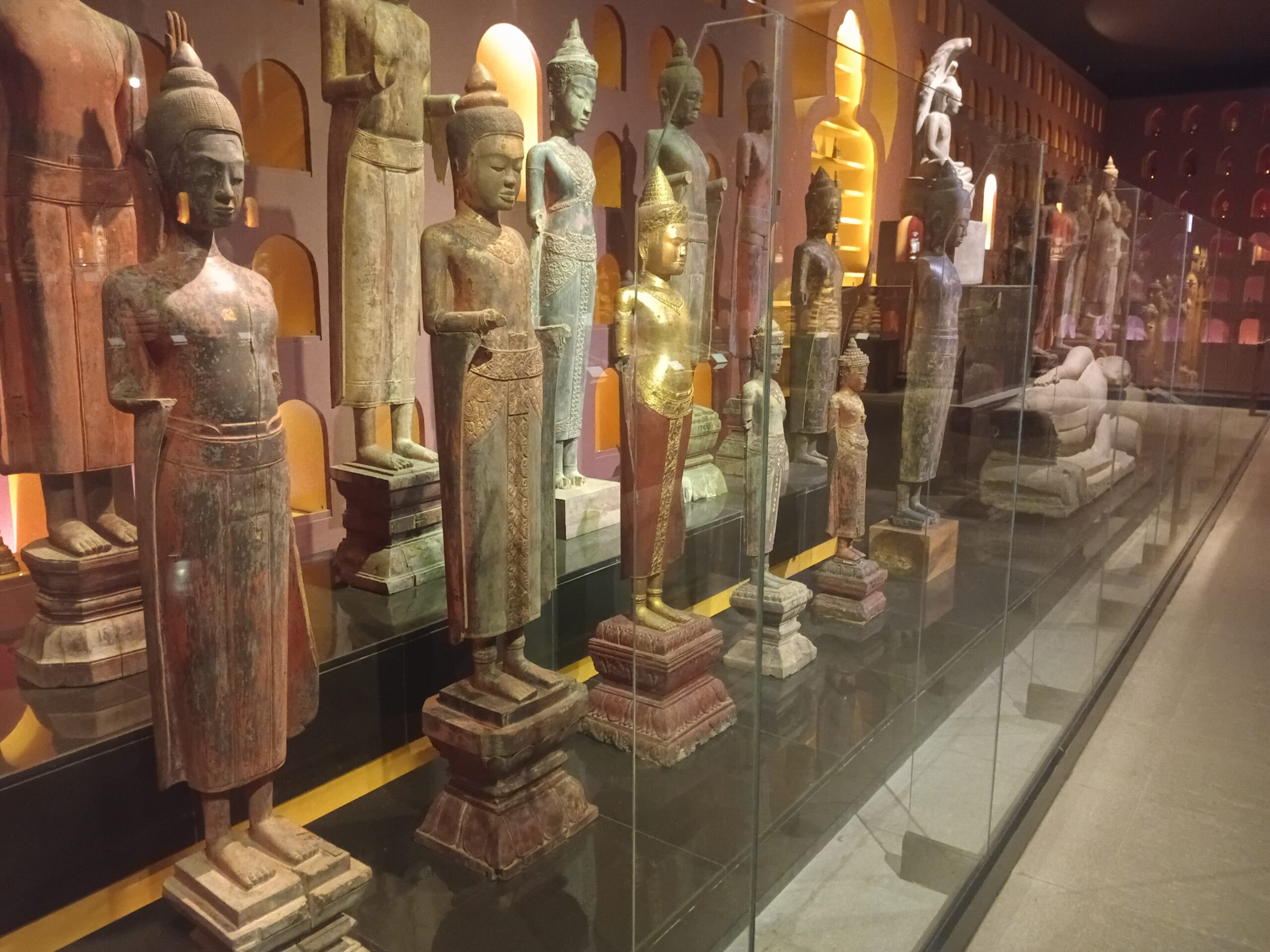
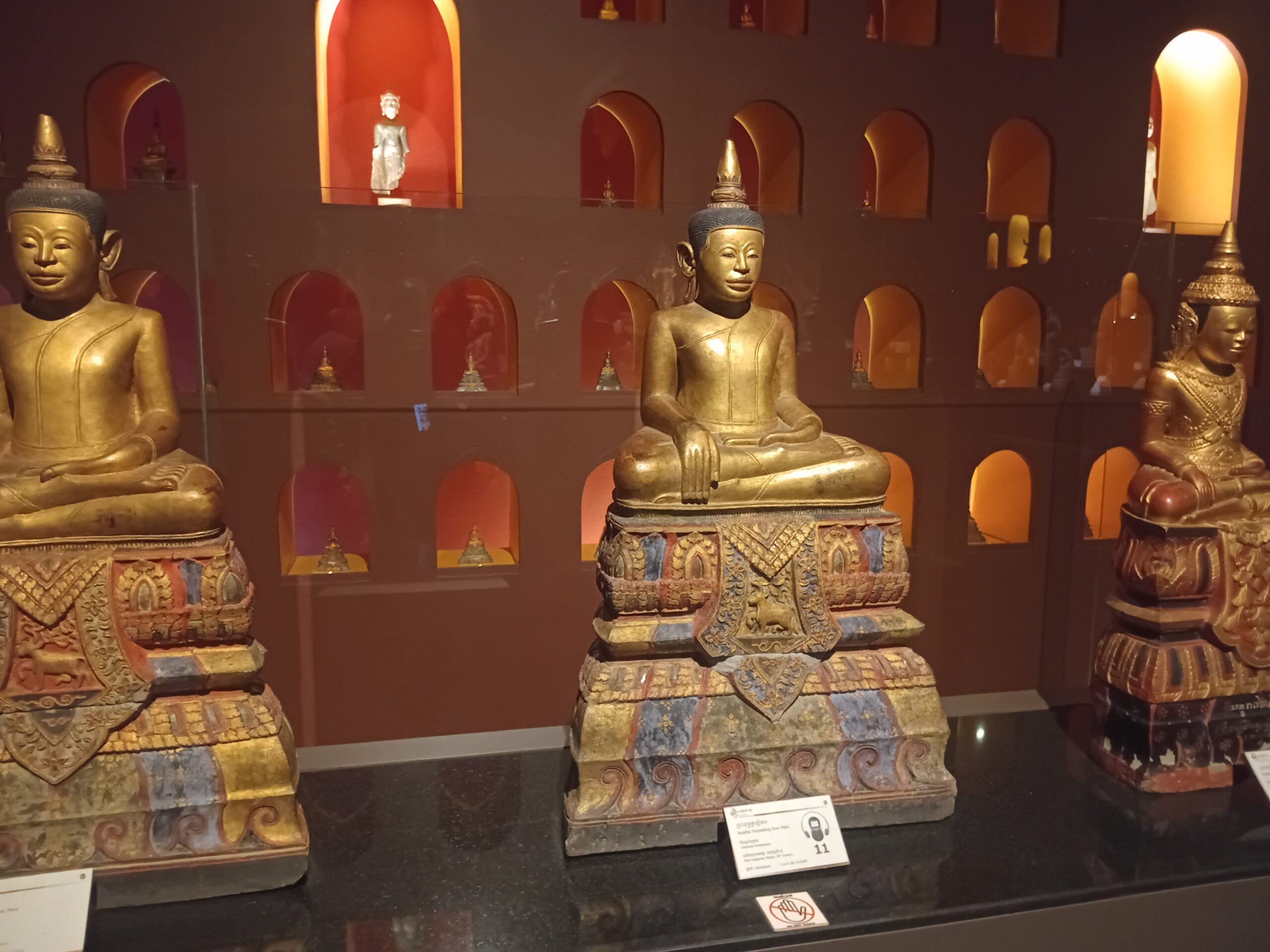
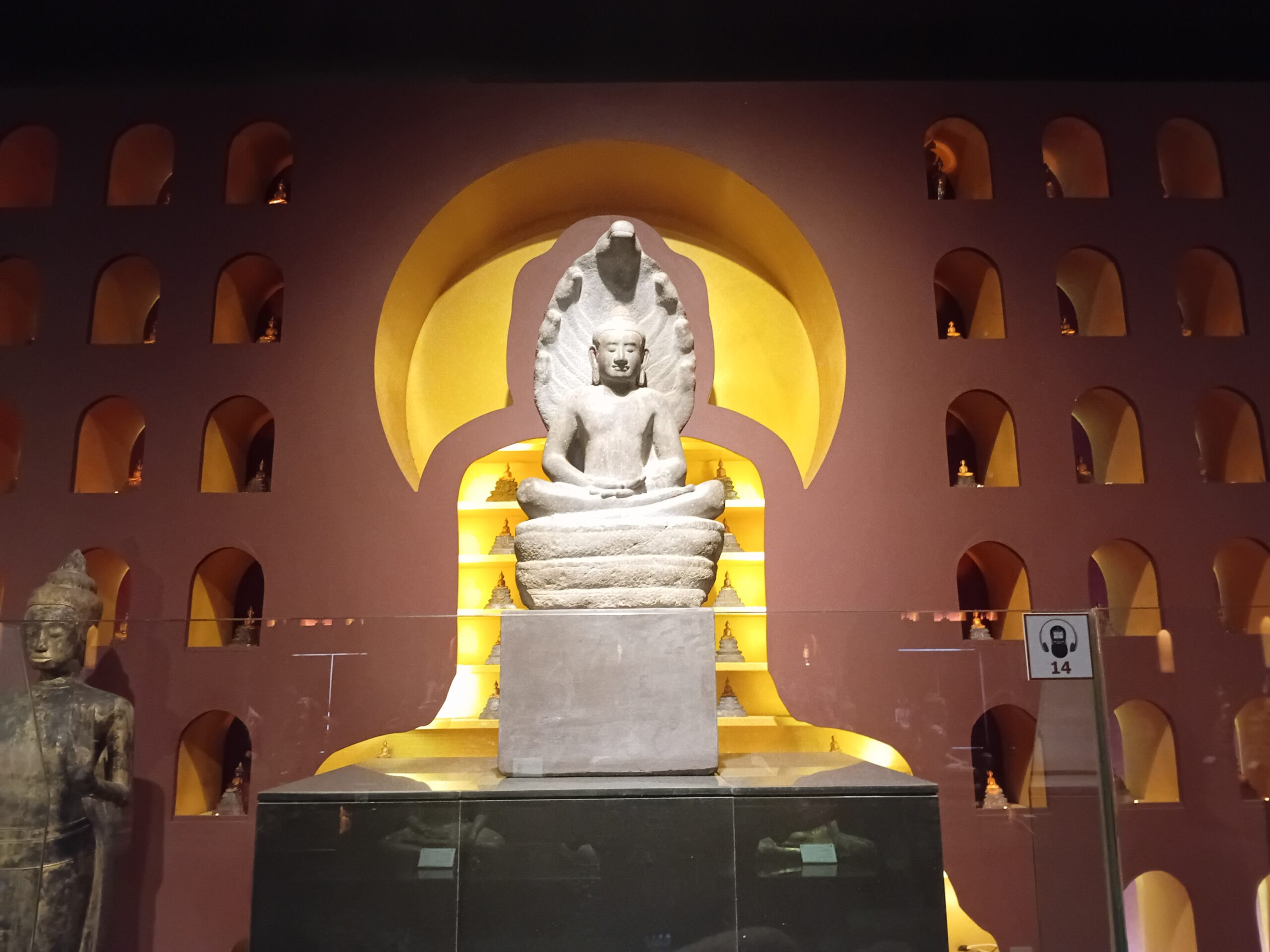
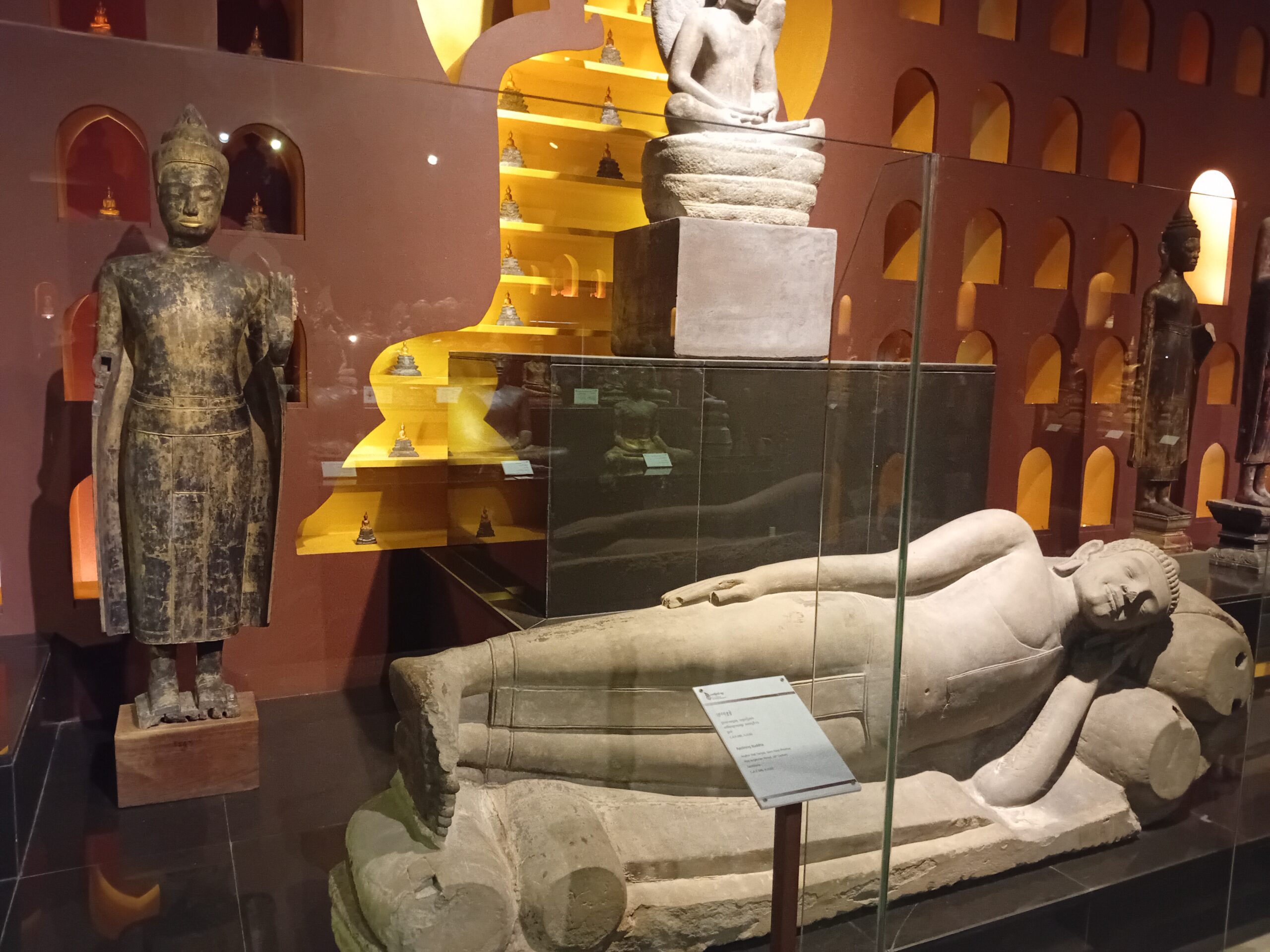
The first major attraction was the Gallery of 1000 Buddha. I didn’t have the time to count them all, but this hall houses a large display of antique Buddha statues. The walls are filled with miniature Buddhas, while the room itself house many lifesize statues.
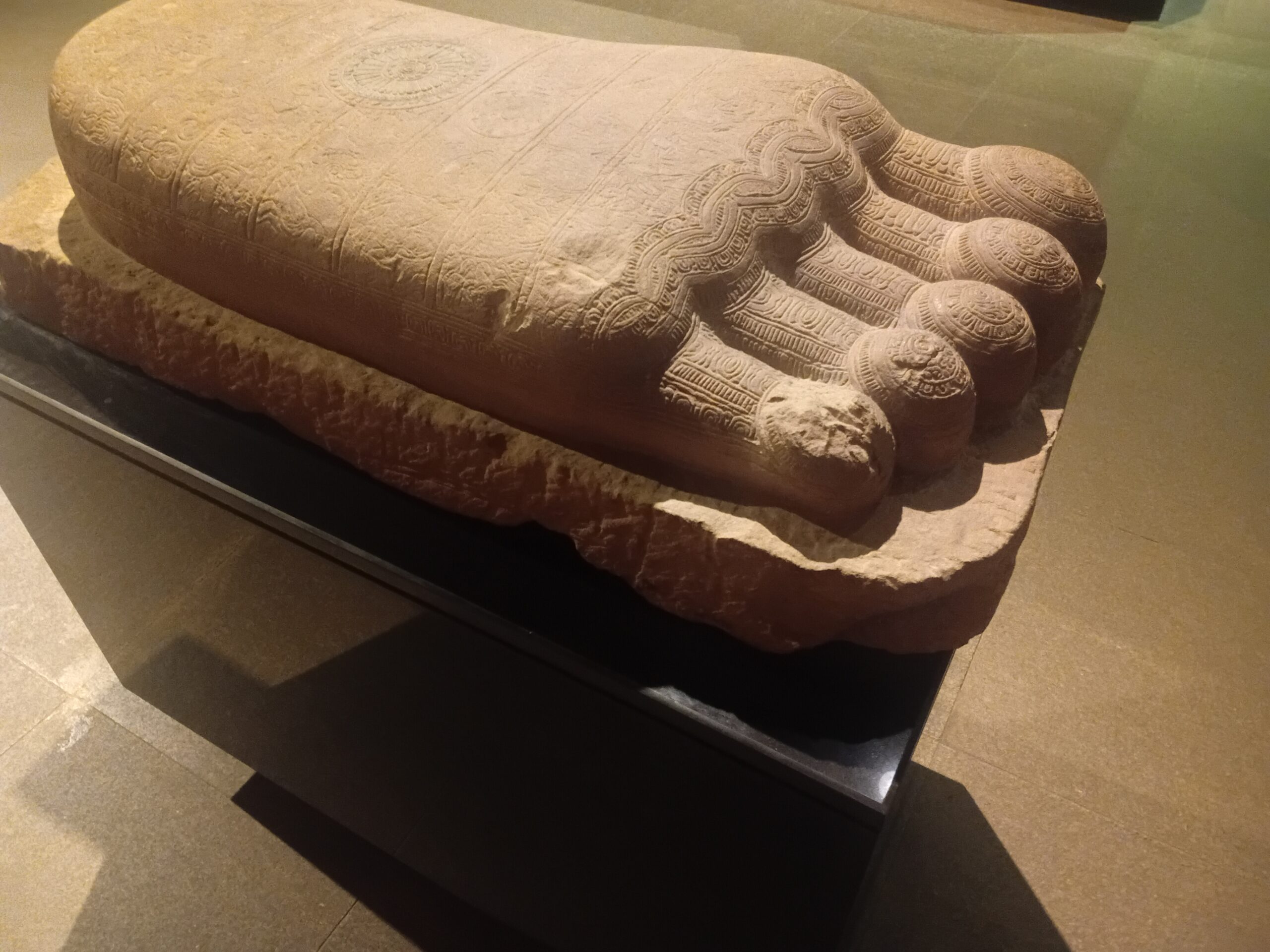
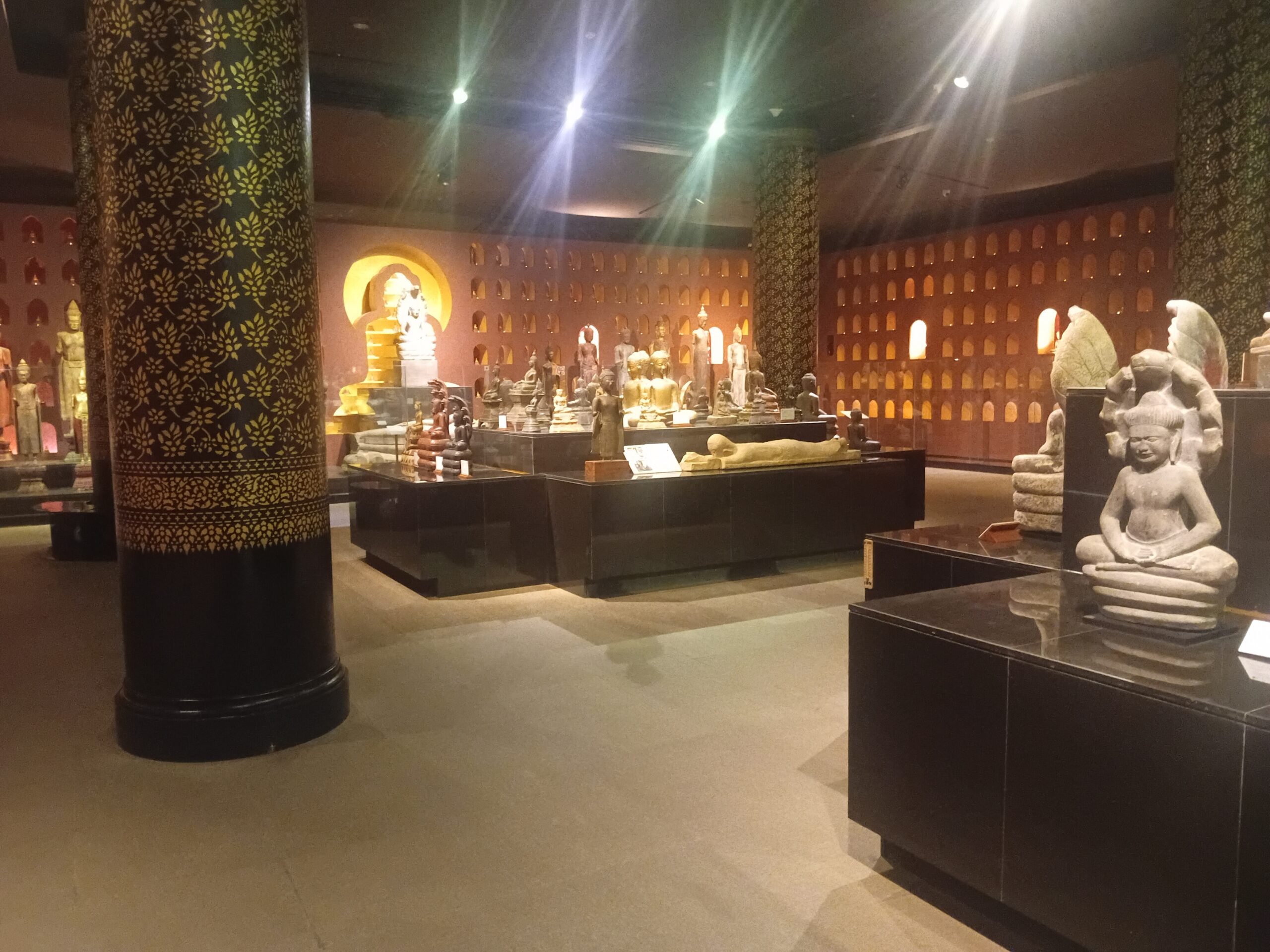
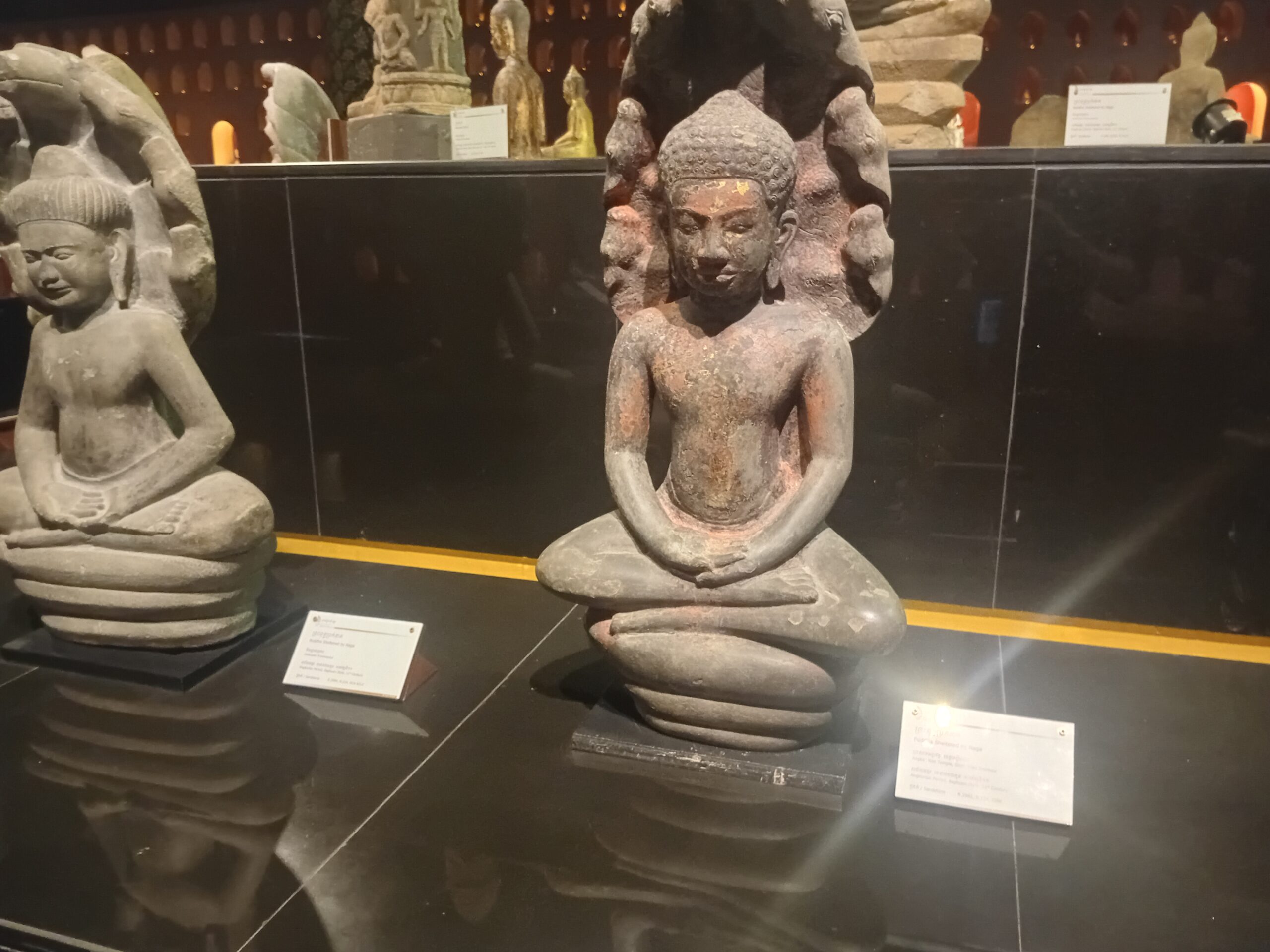
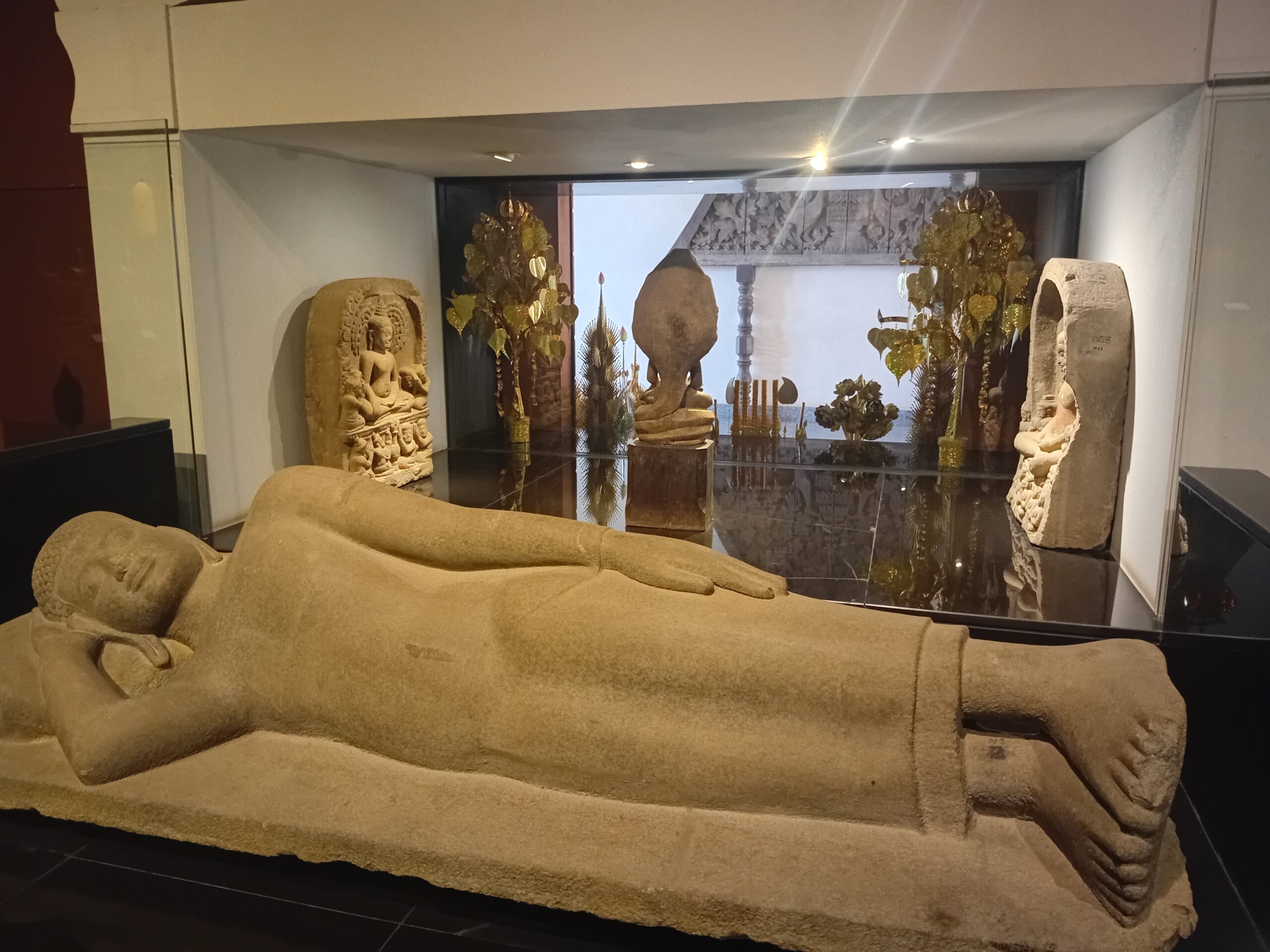
Most of the statues are made of stone or gold. They come in various poses, including the infamous reclining Buddha. Many Buddha statues are protected by Naga, just as they were often depicted in Laos. I was in awe of the collection. Unlike the Buddha Park in Laos, which consisted of modern art, these were genuine antiques from Khmer history.
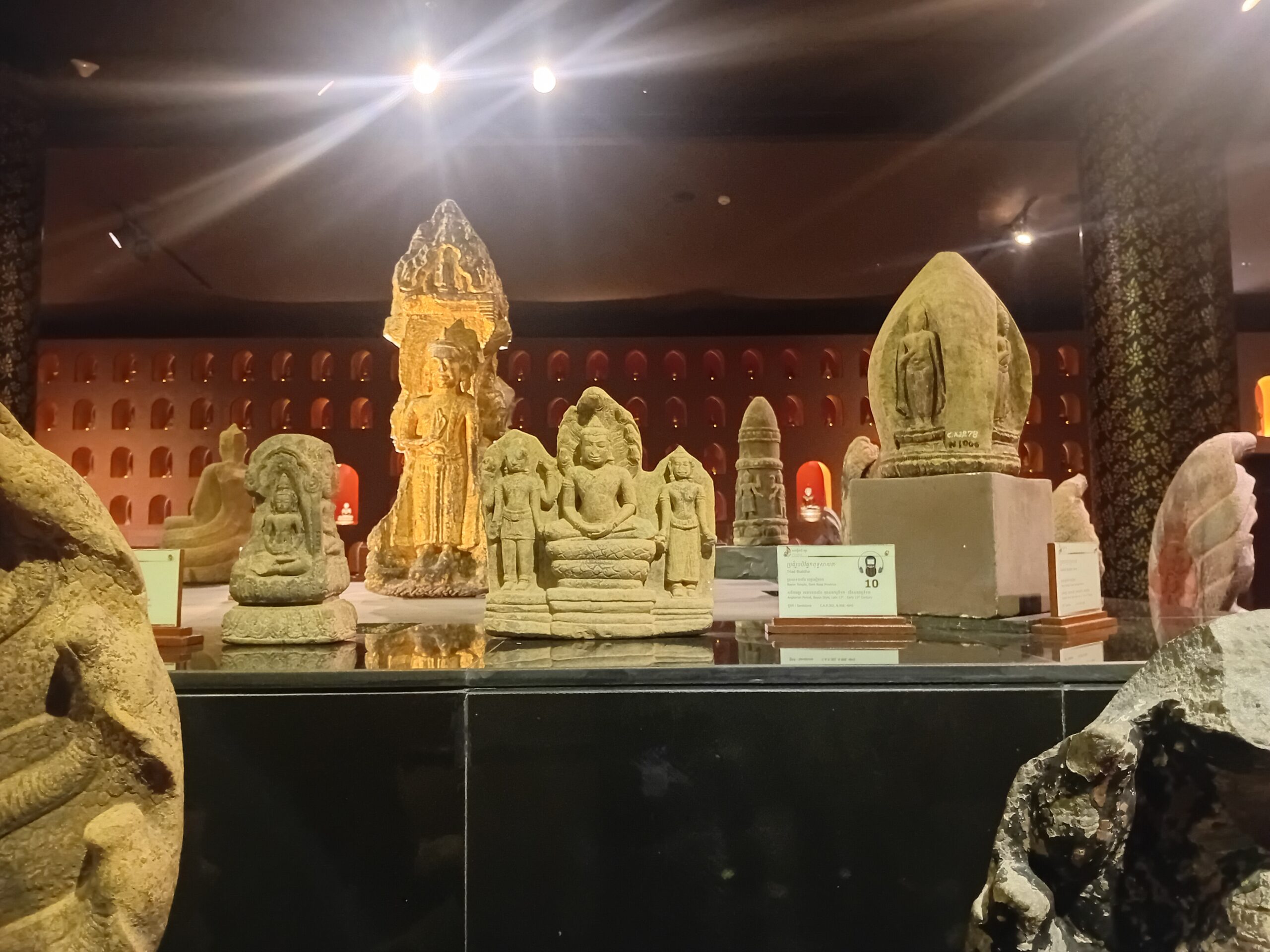
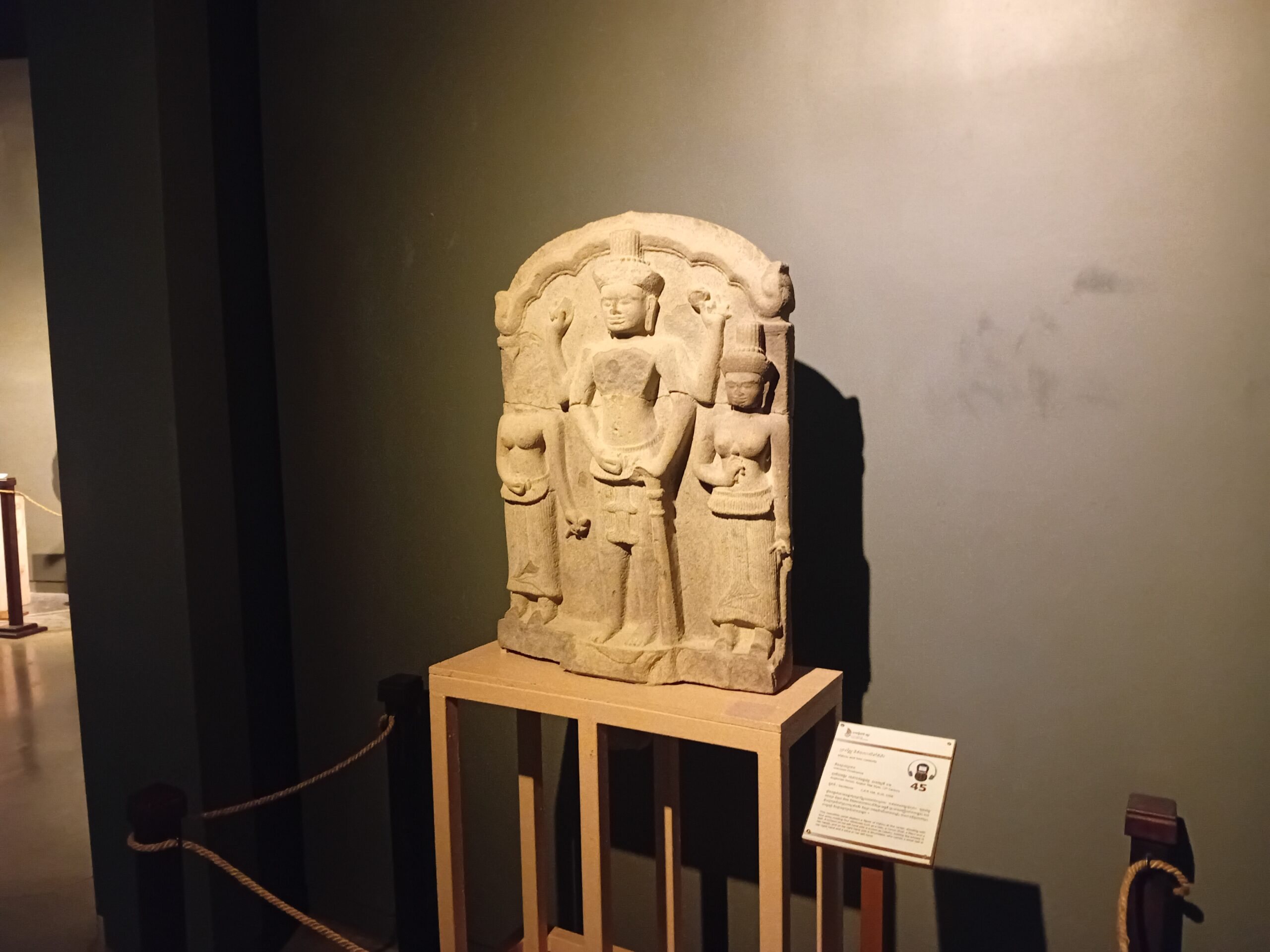
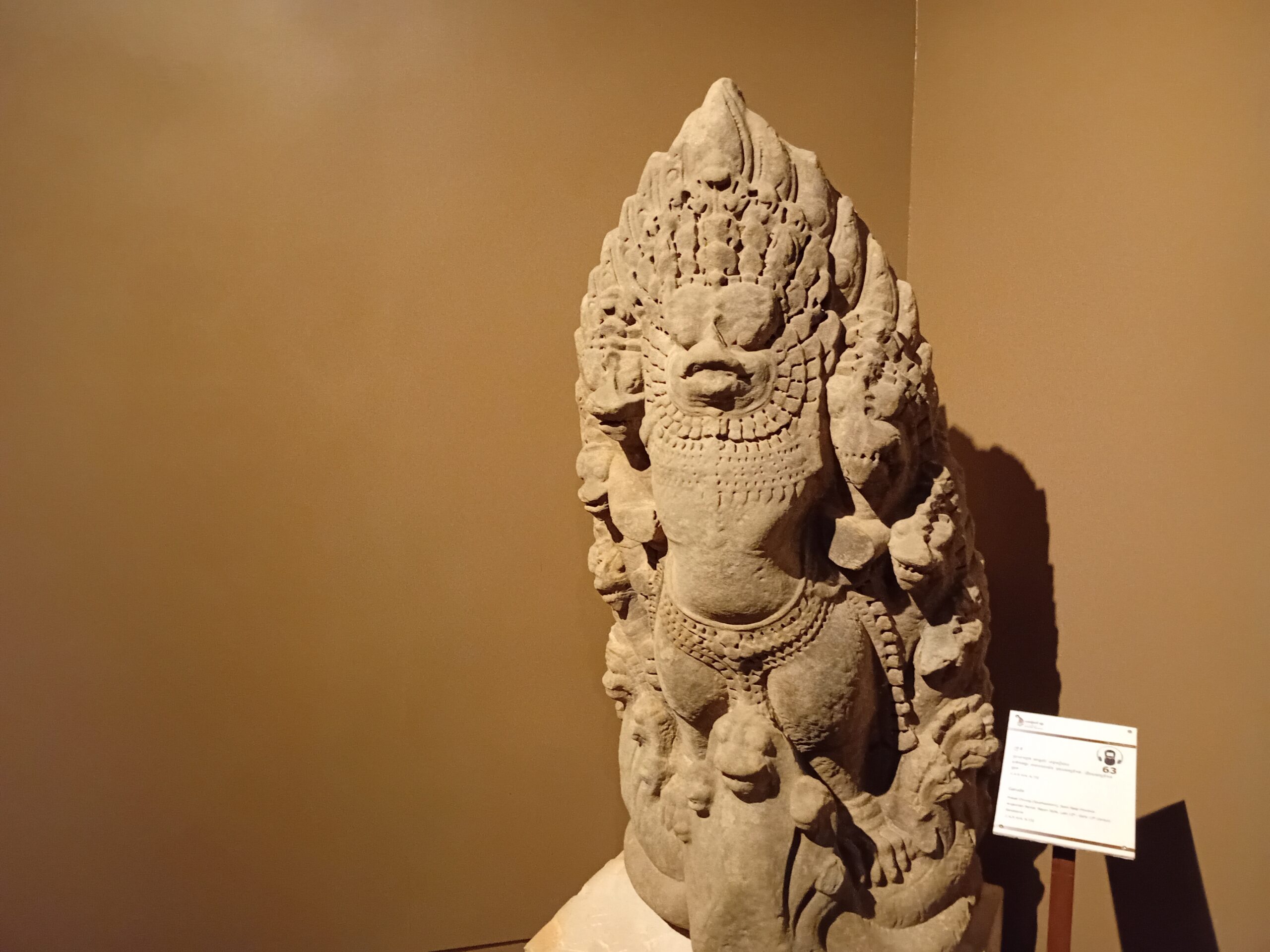
The next few exhibits covered the history of the Khmer Civilisation and the Hindu religion. Coming into this museum I knew very little about Hinduism and its beliefs, so it was here I learned about many elements of the religion for the first time. I was especially fascinated by the triumvirate of Brahma the Creator, Vishnu the Preserver, and Shiva the Destroyer. I was vaguely aware of these gods, but now I understood how they relate to each other.
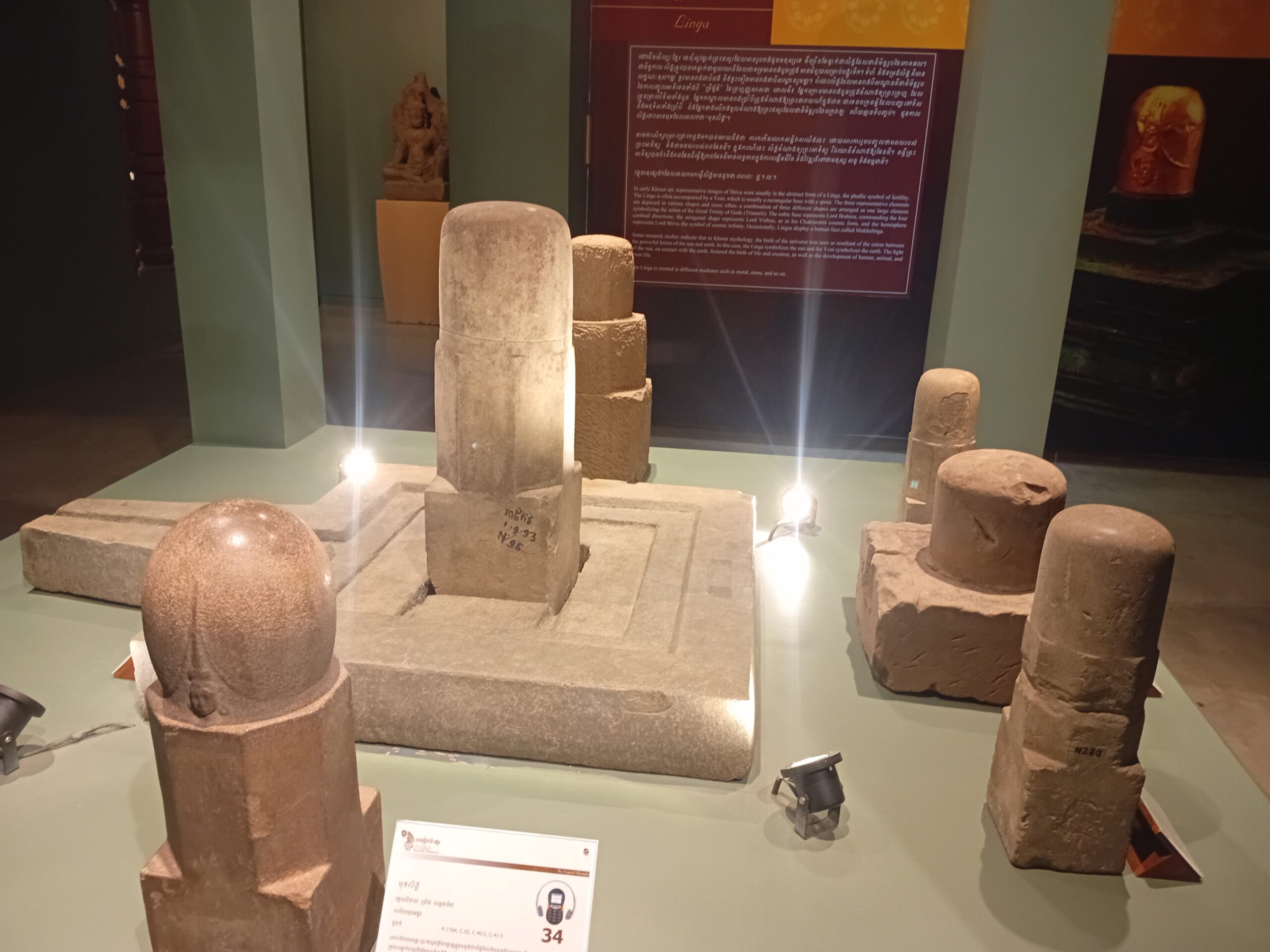
Linga and Yoni representing the masculine and the feminine was something that surprised me. Shiva’s depiction as a literal penis was quite shocking at first, as I wasn’t used to seeing this kind of iconography. There are some depictions of Buddhas doing Kama Sutra in China, but all the ones I’ve come across have been covered up to maintain modesty.
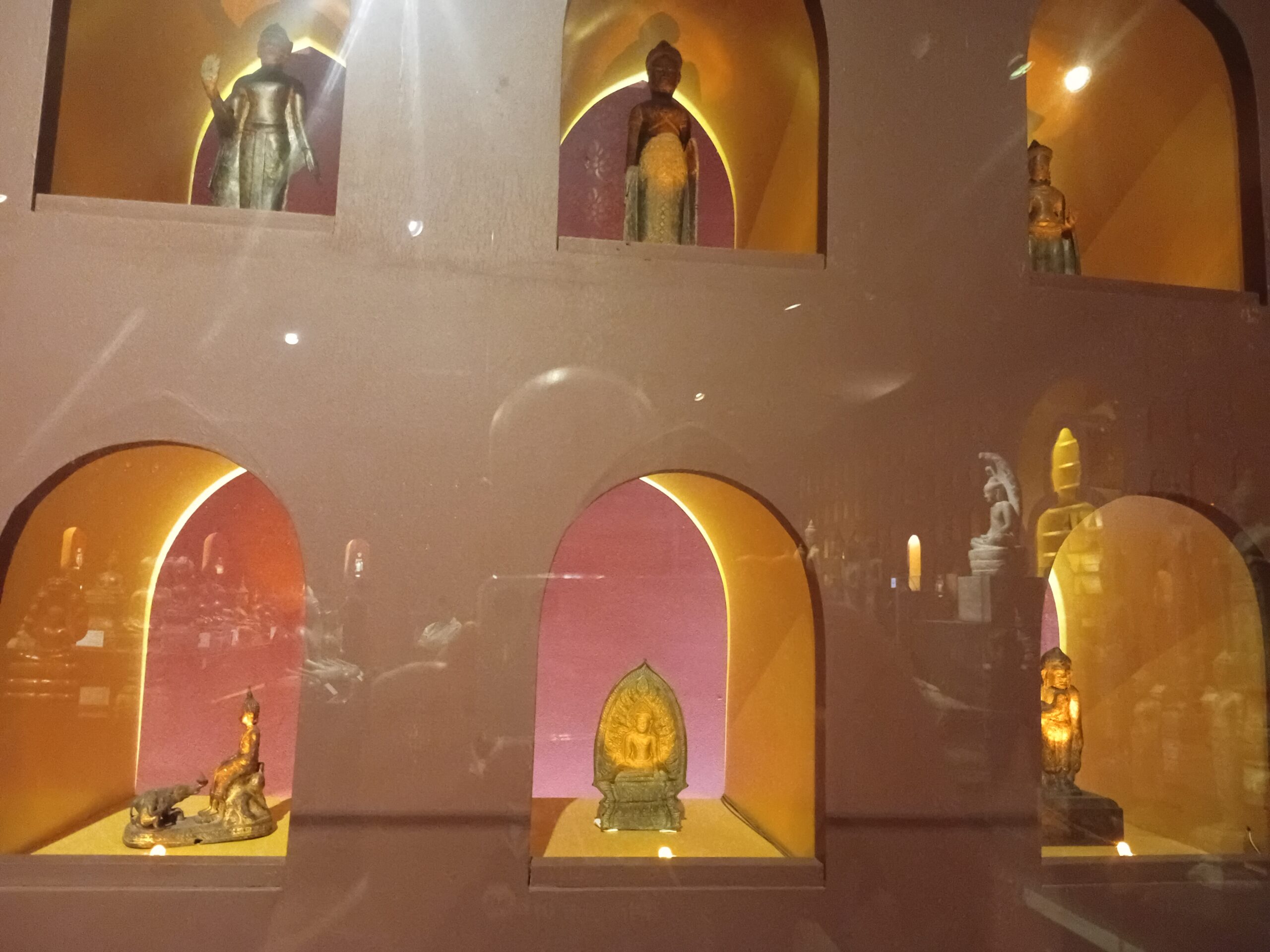
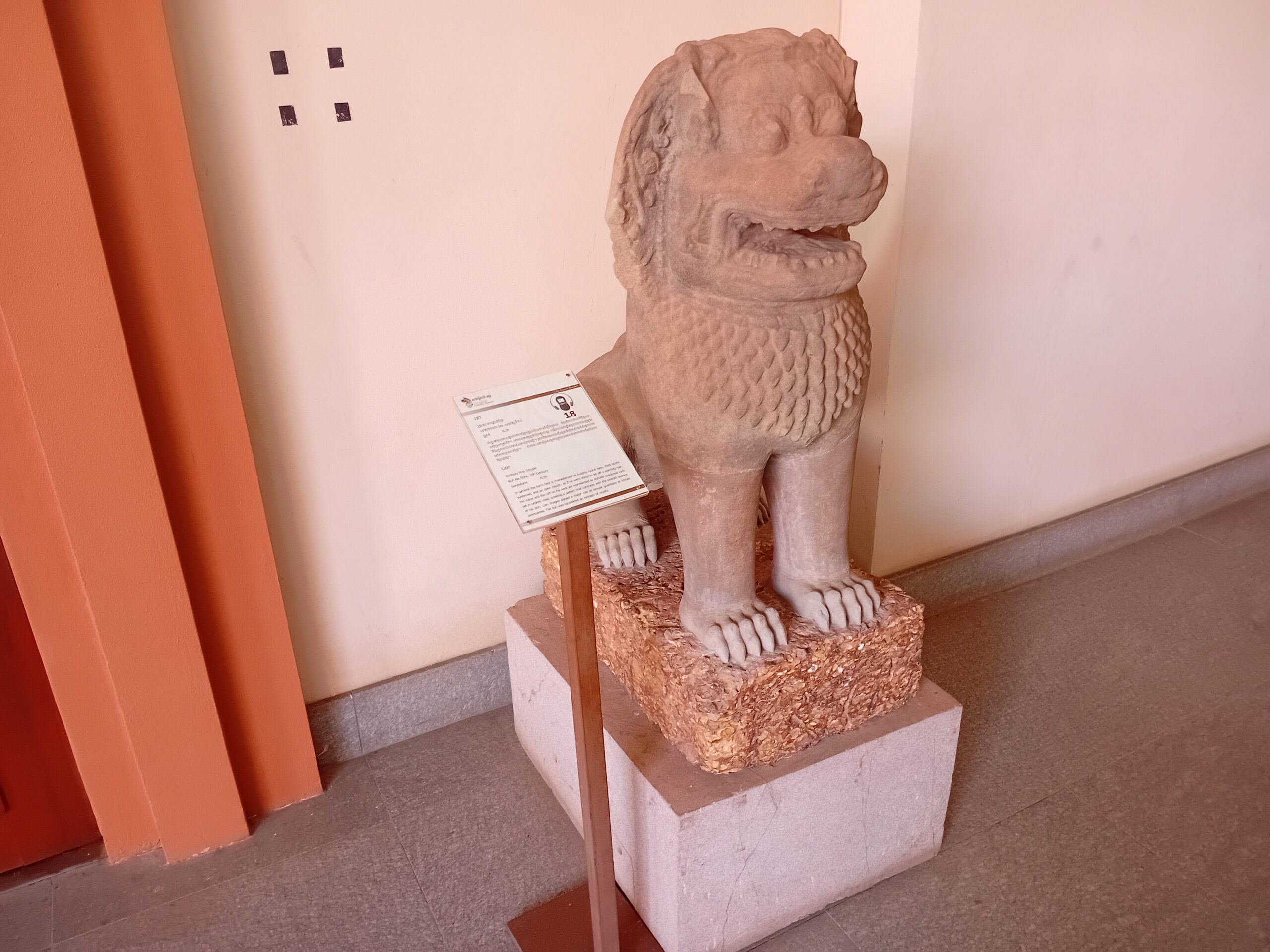
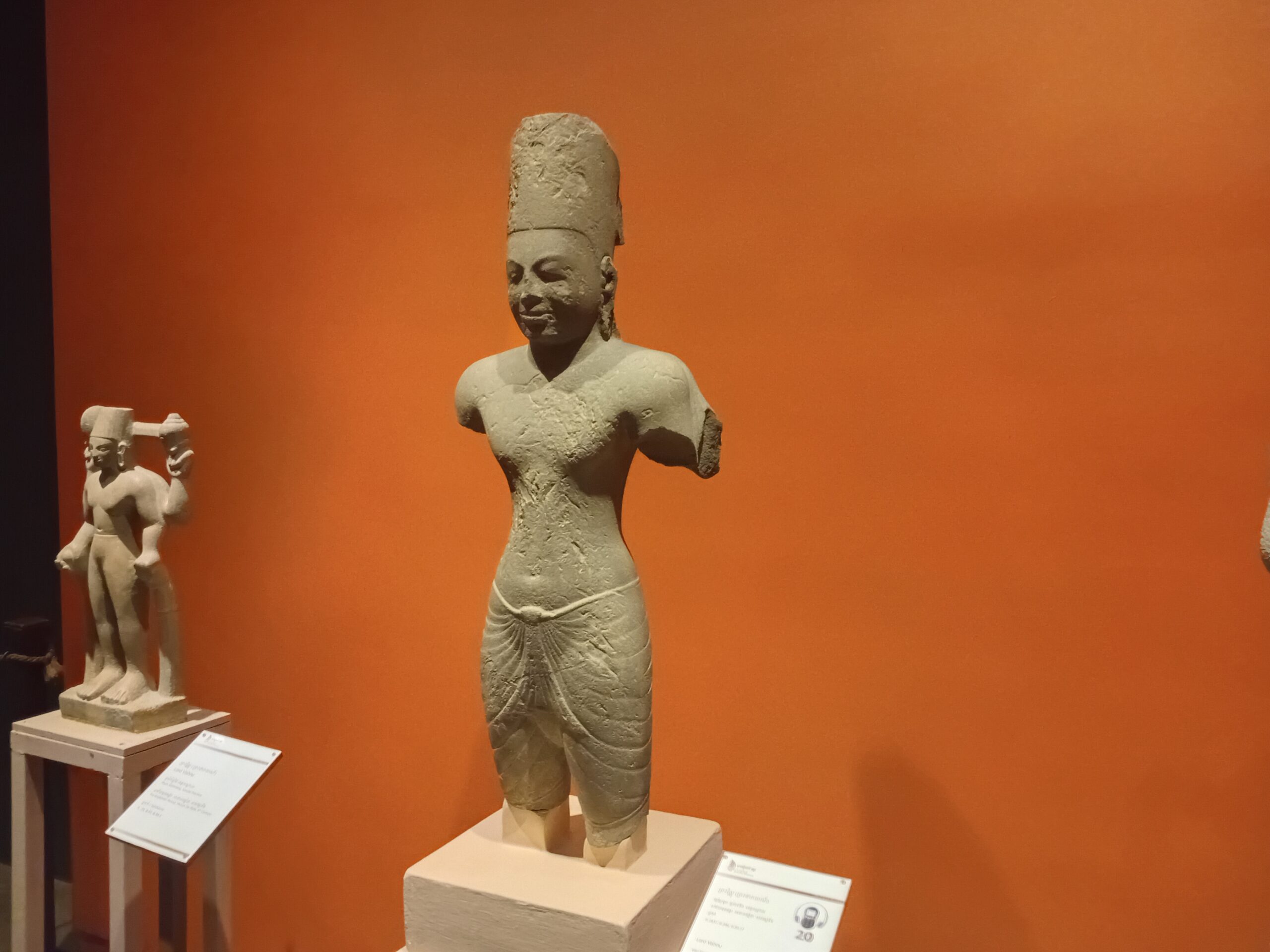
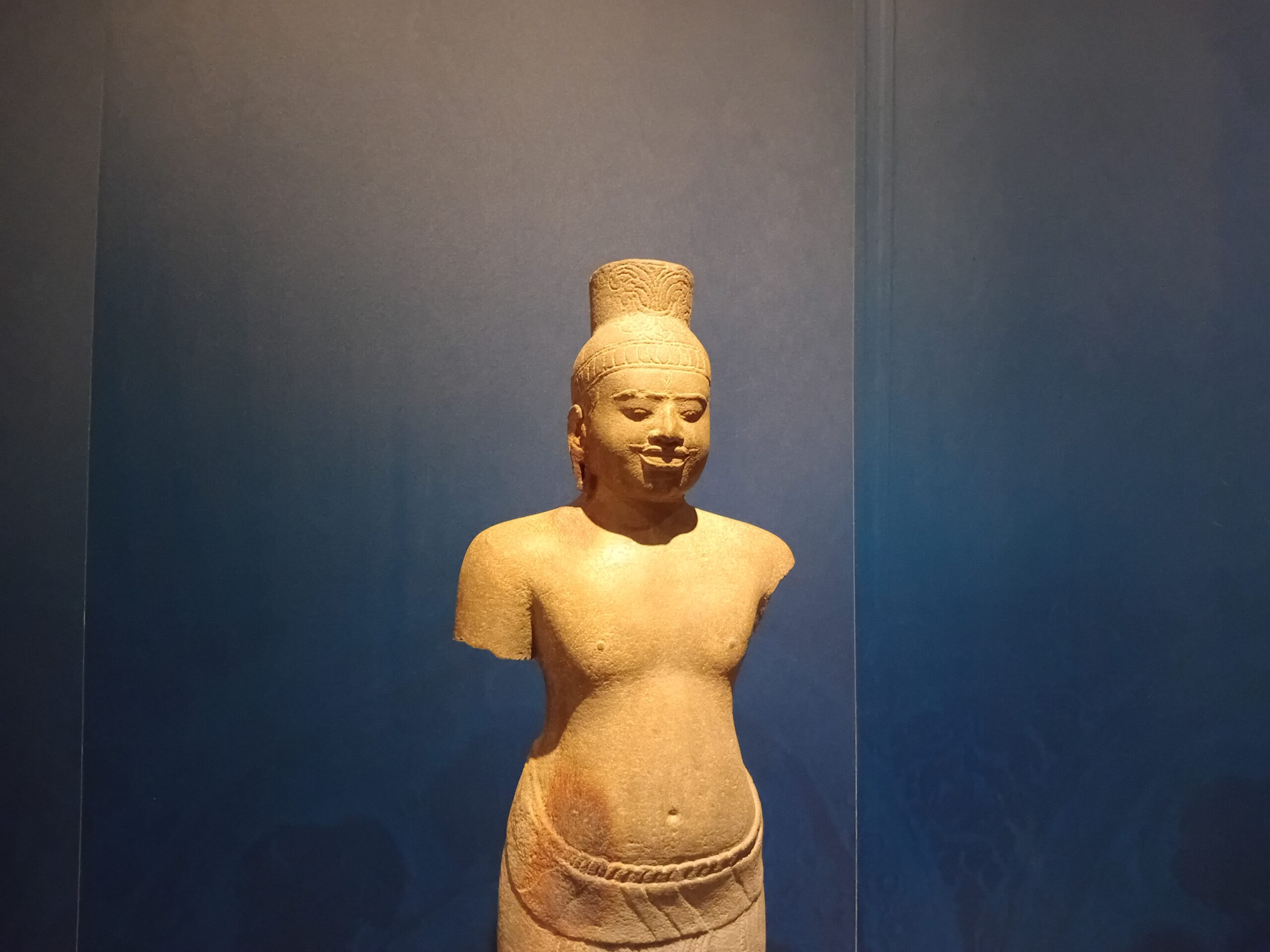
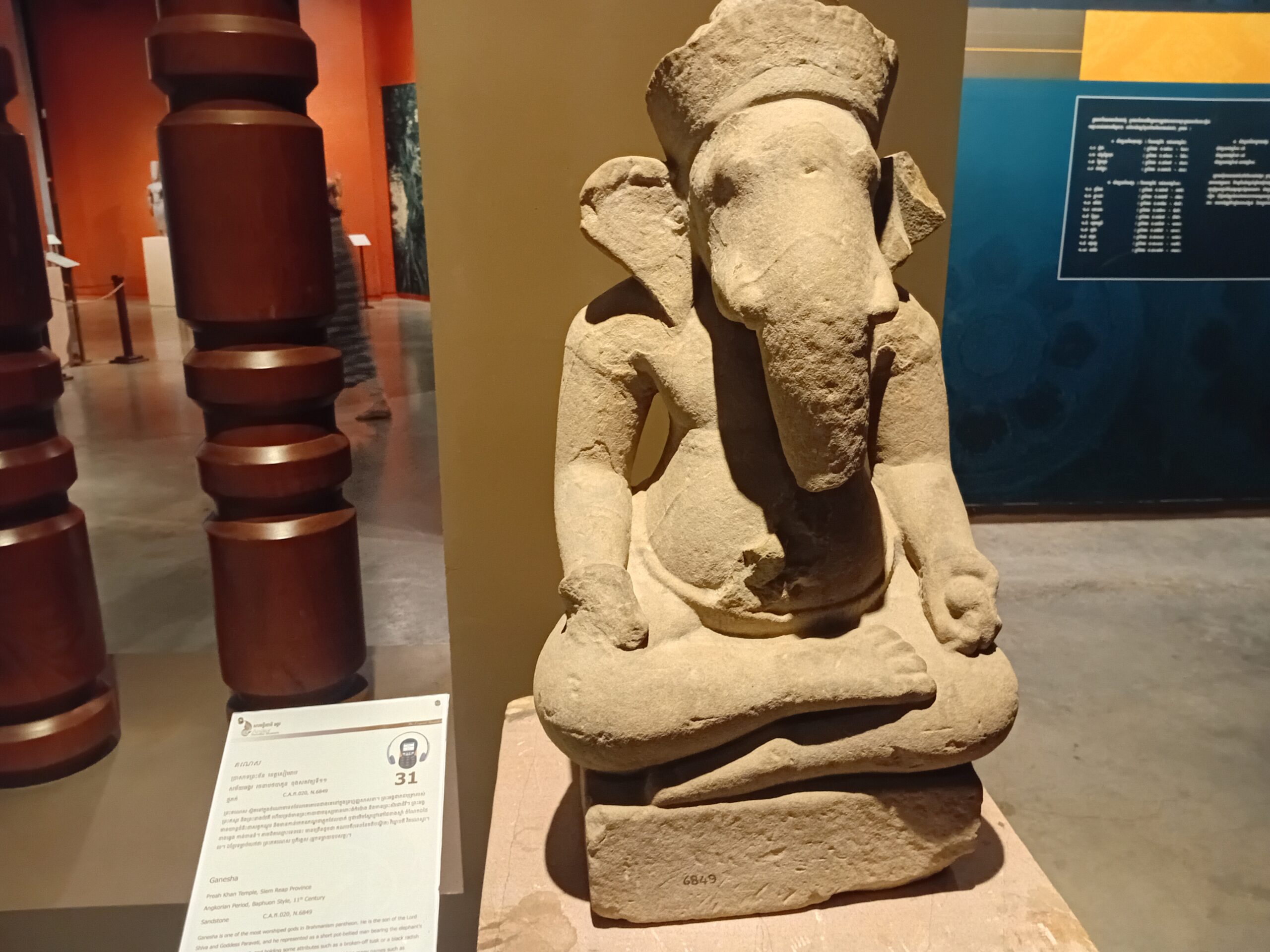
I knew I wouldn’t remember the details, but this was a vast area of knowledge I knew nothing about. I was fascinated by the many gods and divine beings depicted on the statues here. It felt like a whole new mythology to explore, and I was primed to do so. This included Ganesha, who is popular in Thailand.
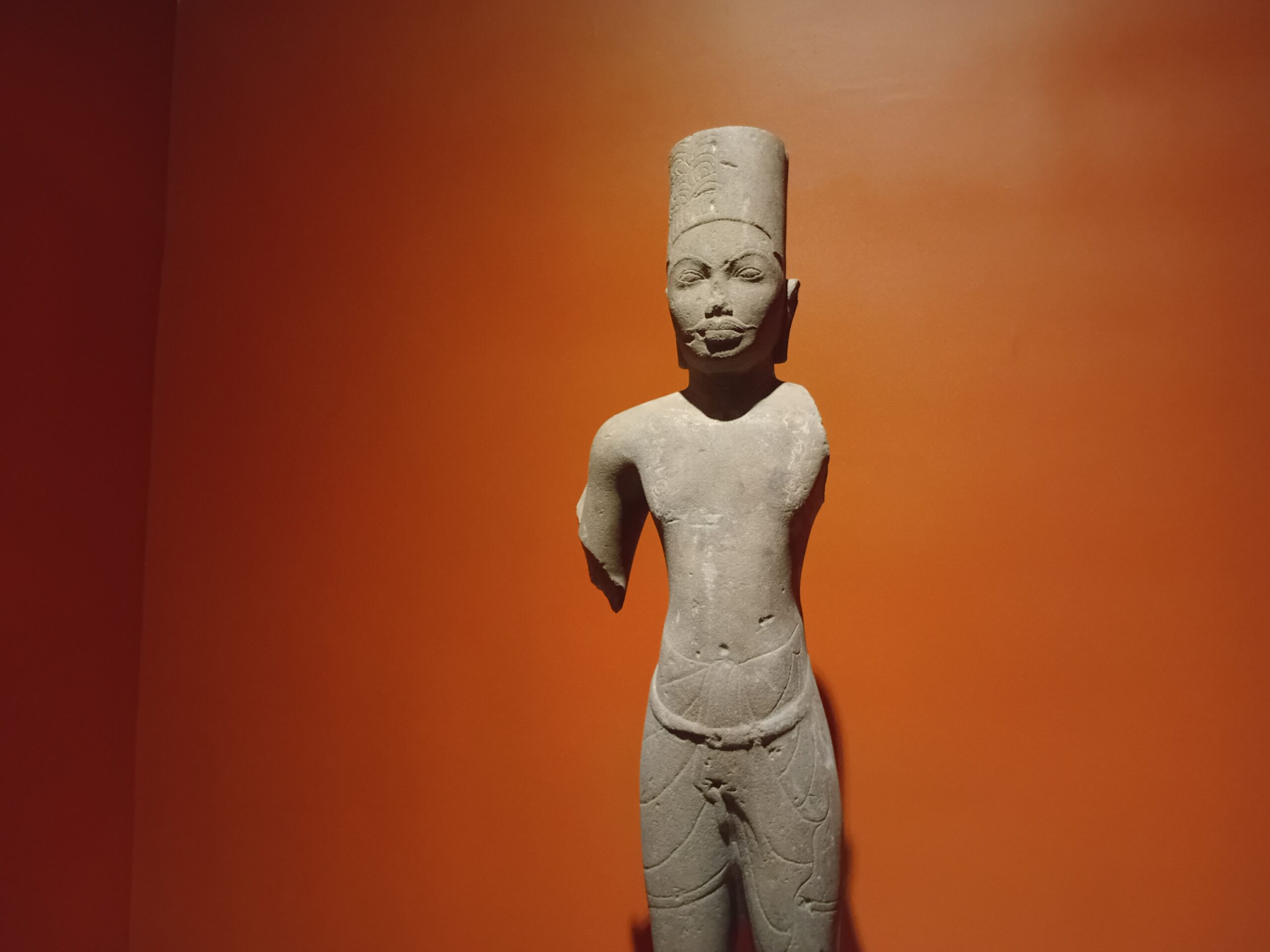
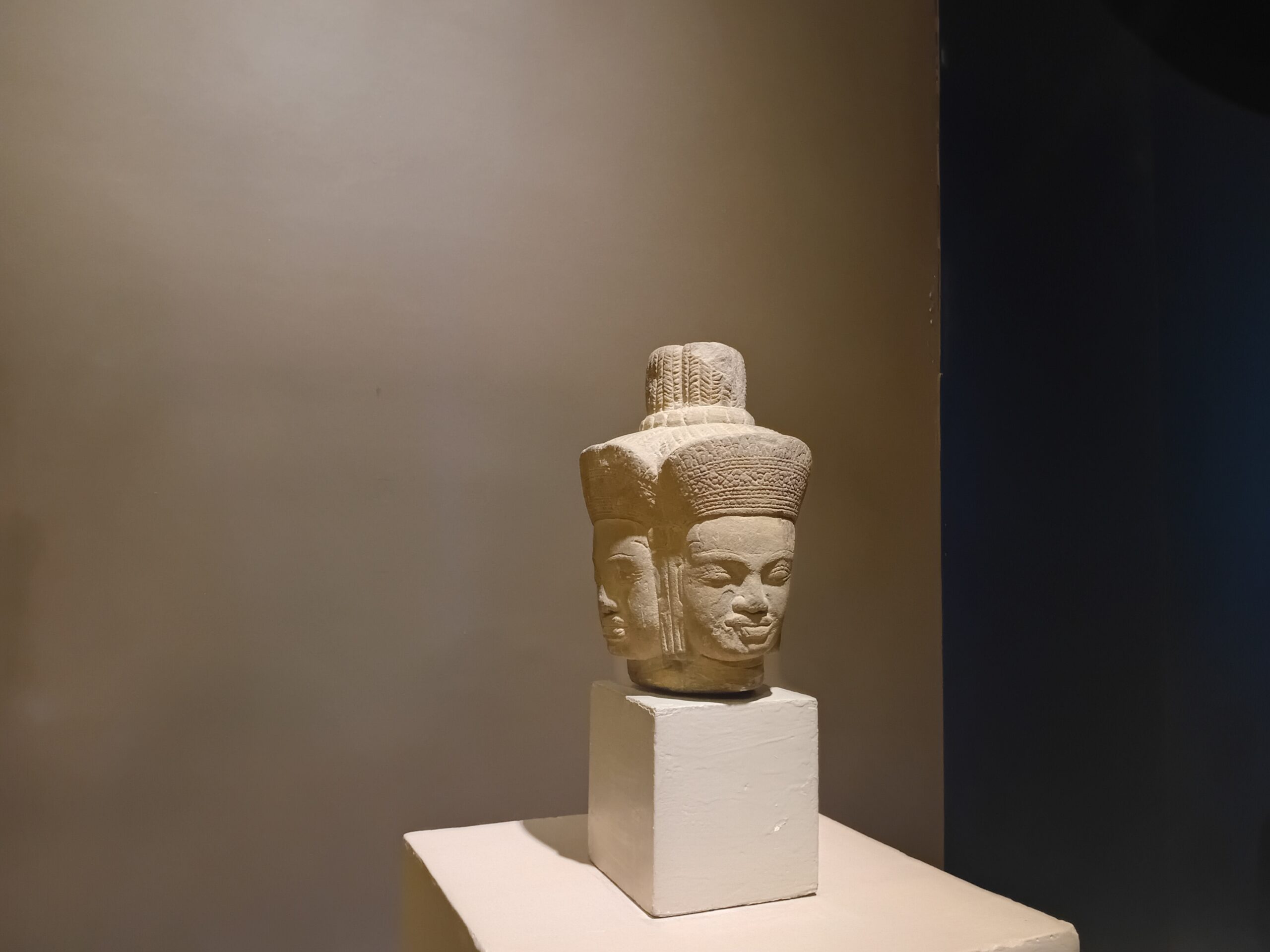
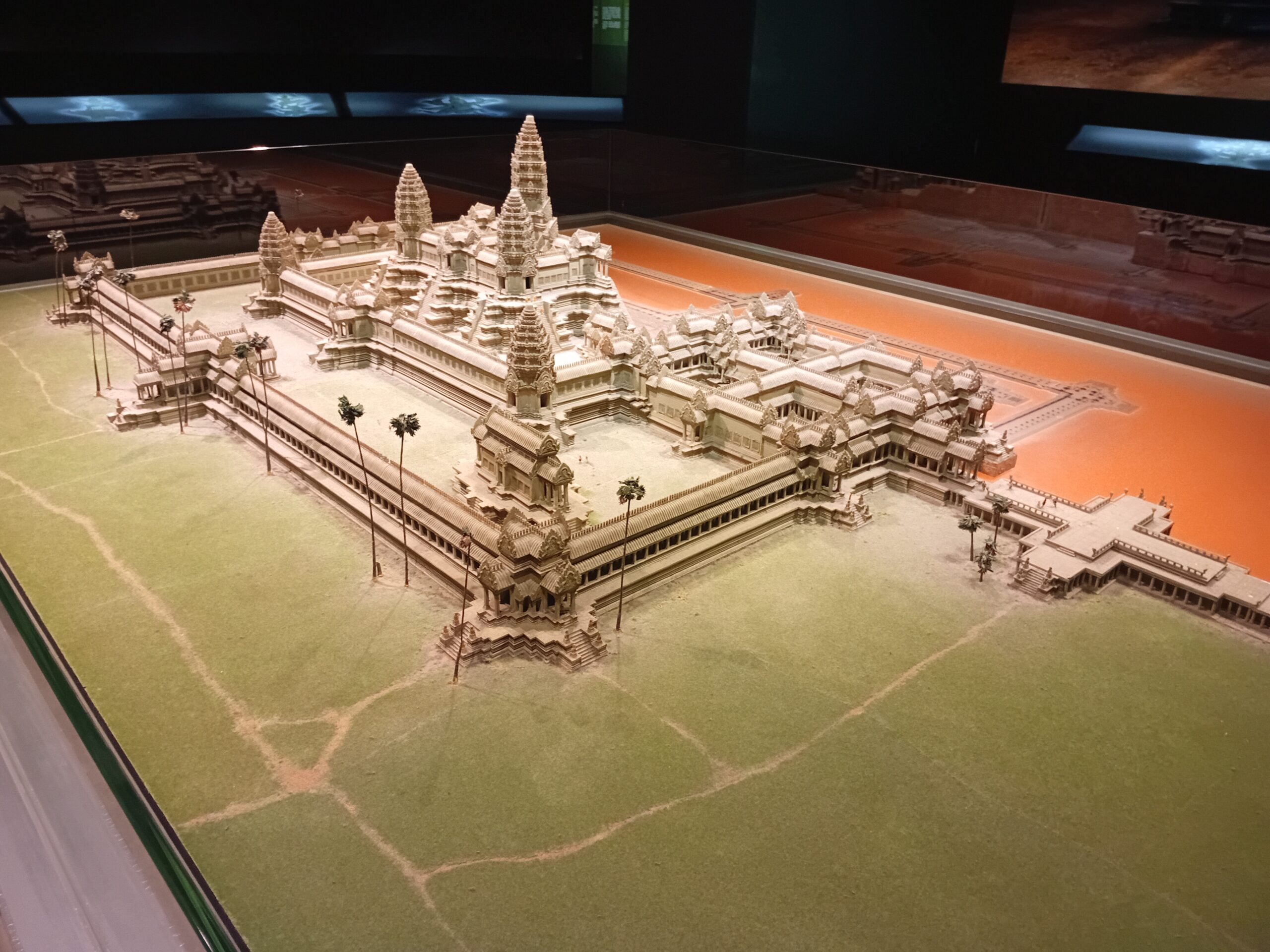
The next exhibit was about Angkor Wat, the ancient temple that brings many tourists to Siem Reap. A large room with another model of the temple in its center, the exhibits surrounding it talked about the many inscriptions in the temple.
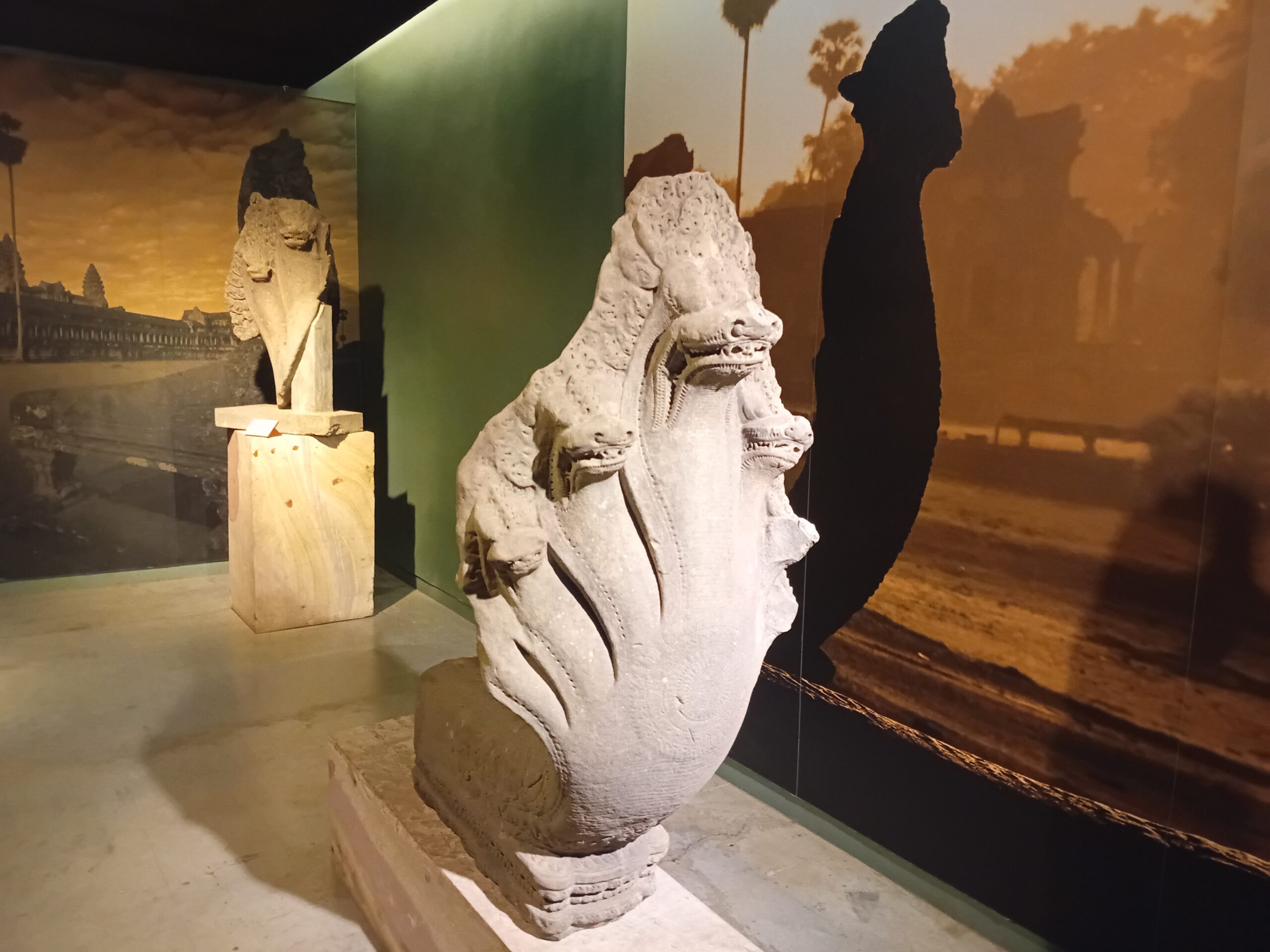
An important depiction is on the east side of the temple: the Churning of the Sea of Milk. This is a story about 92 asuras and 88 devas using the serpent Vasuki, king of the Naga, to churn the Sea of Milk. I was impressed by the intricacy and detail in the carvings, and was looking forward to seeing the real thing.
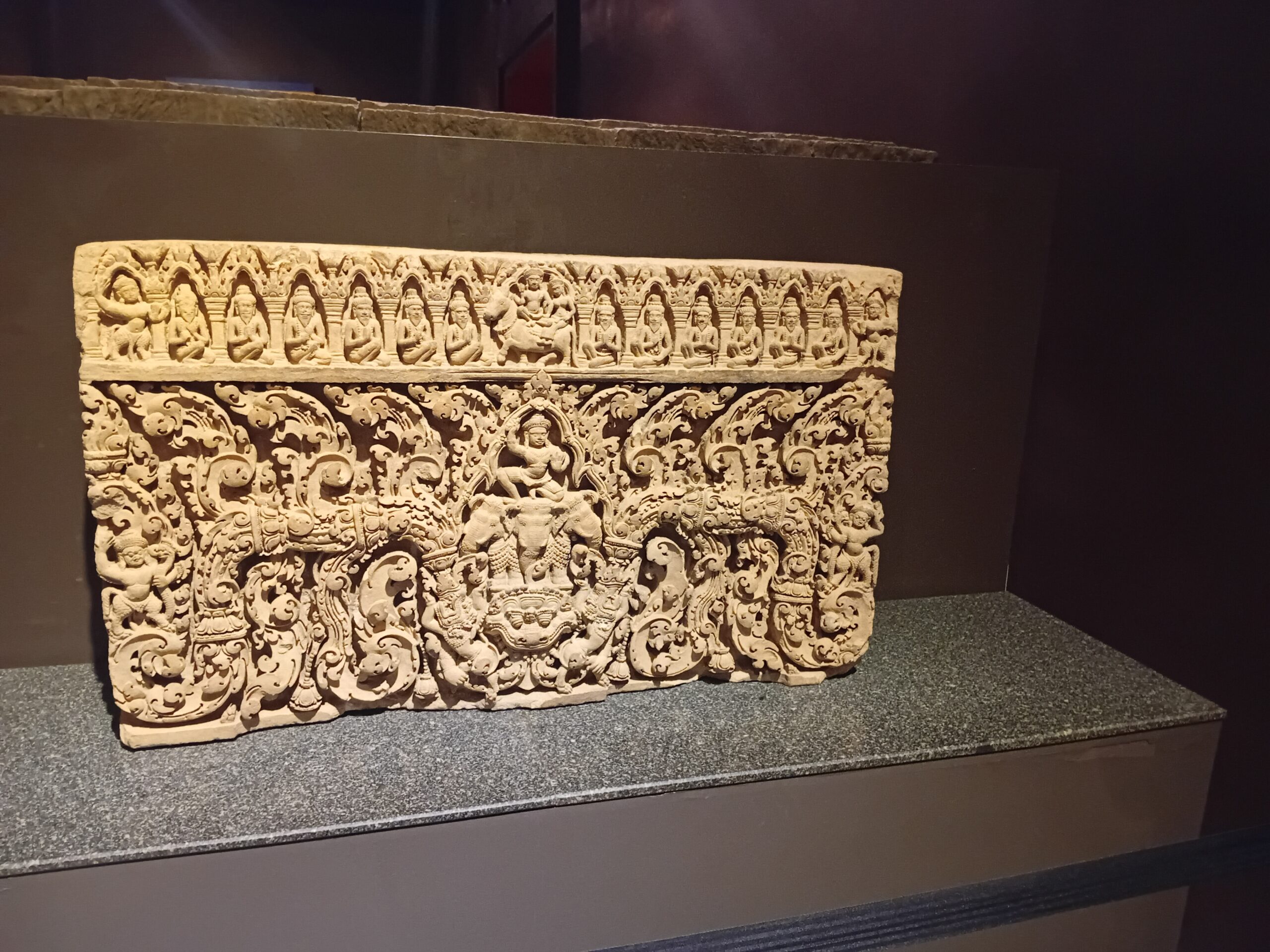
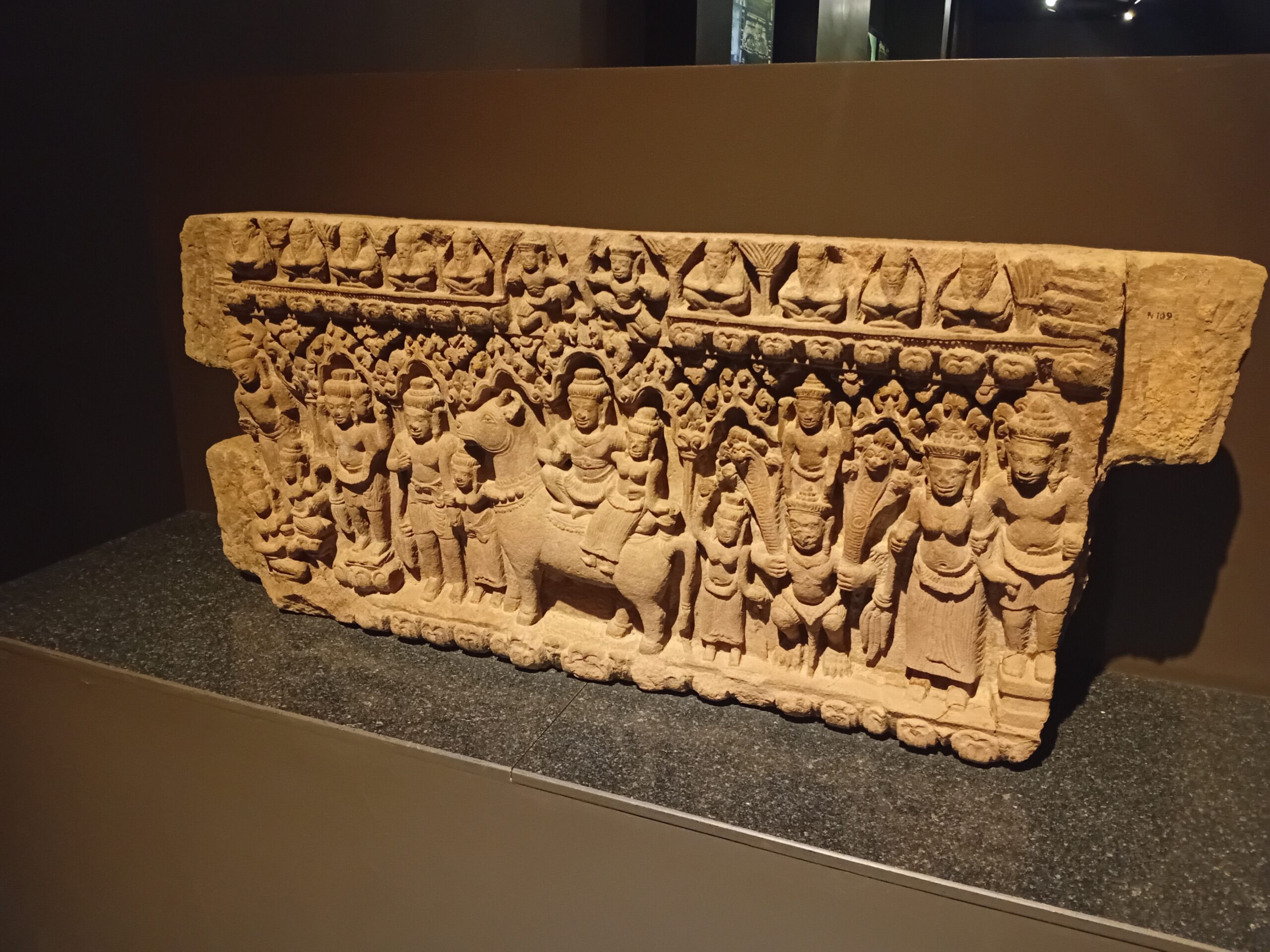
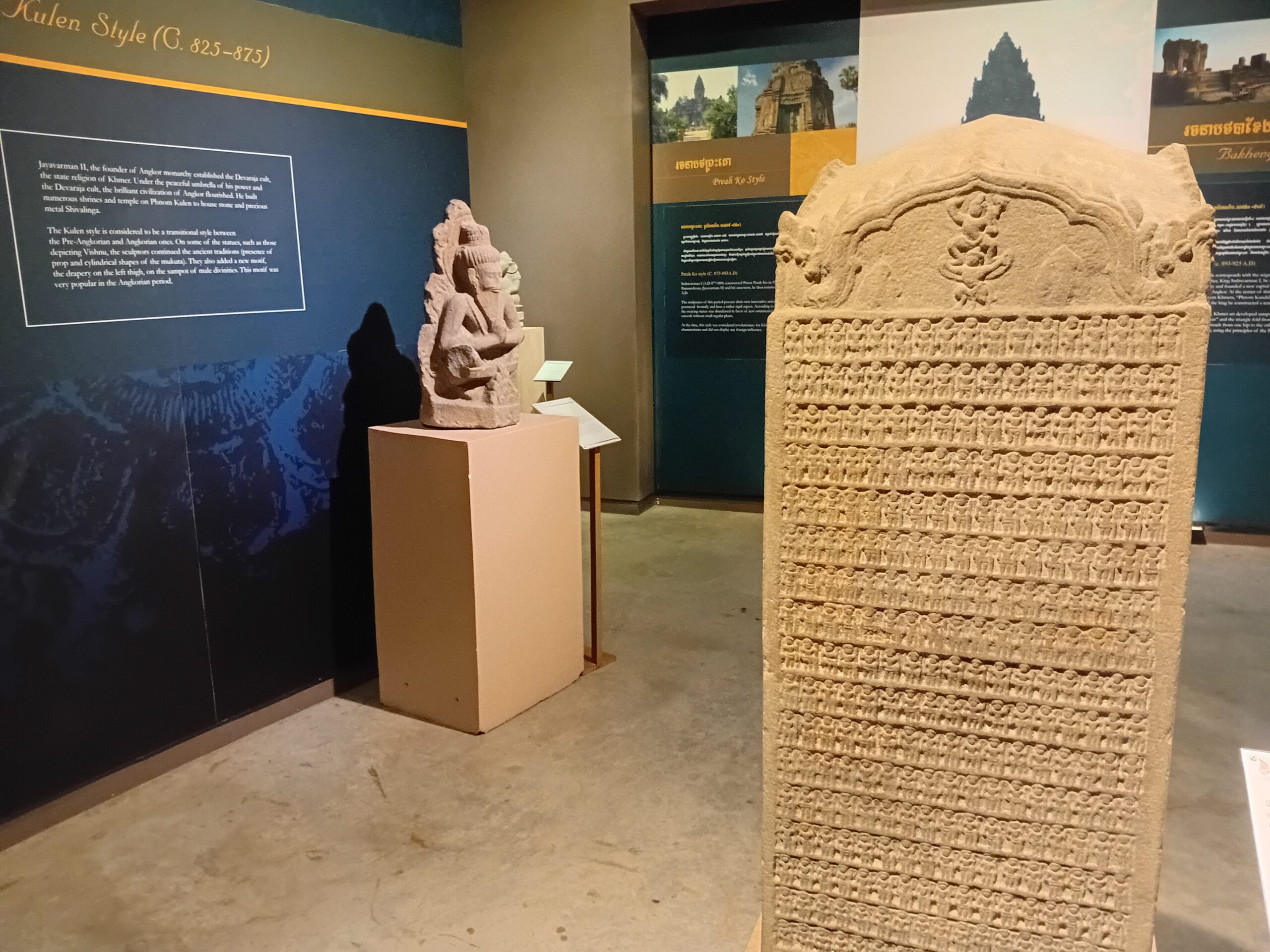
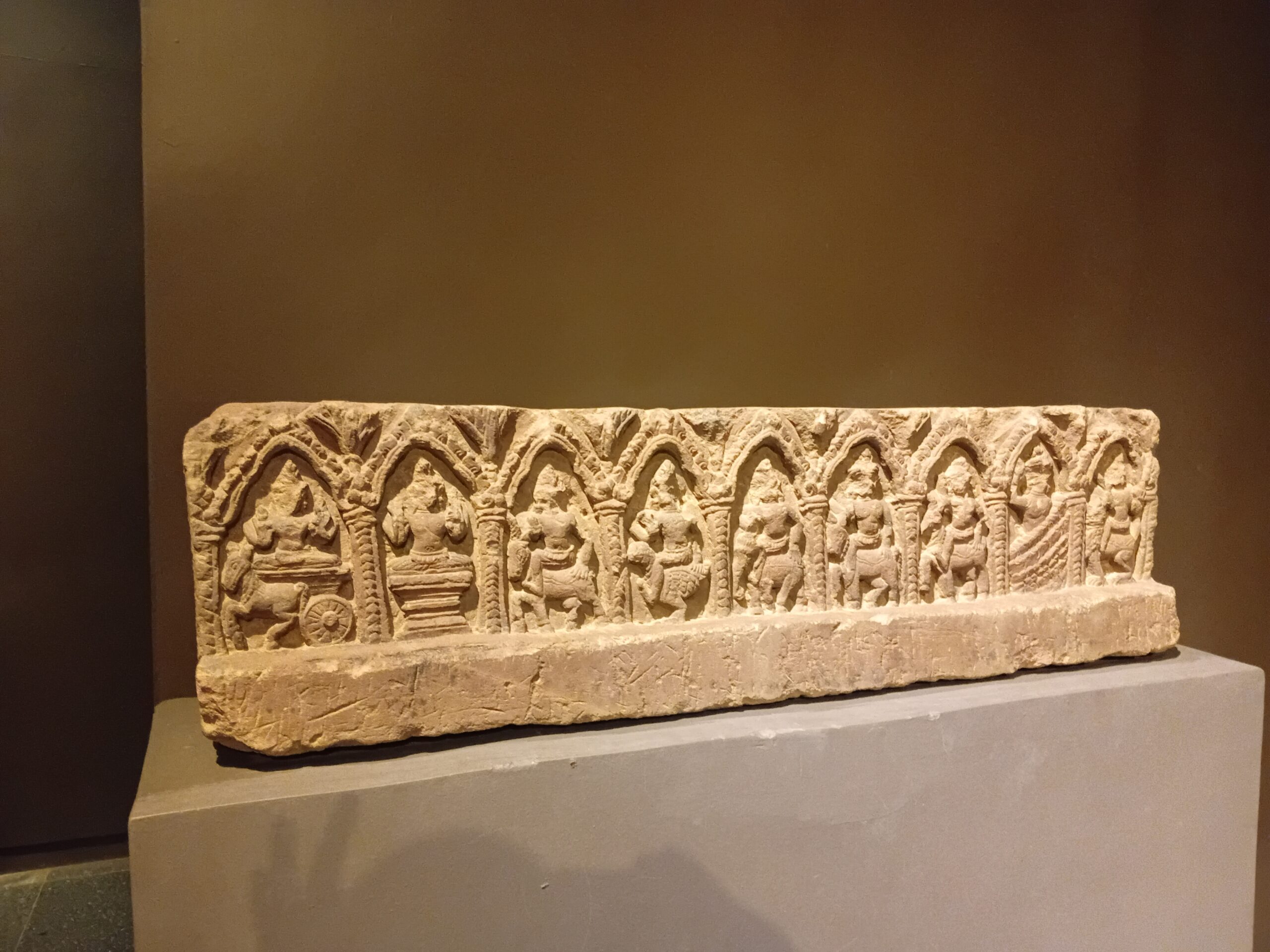
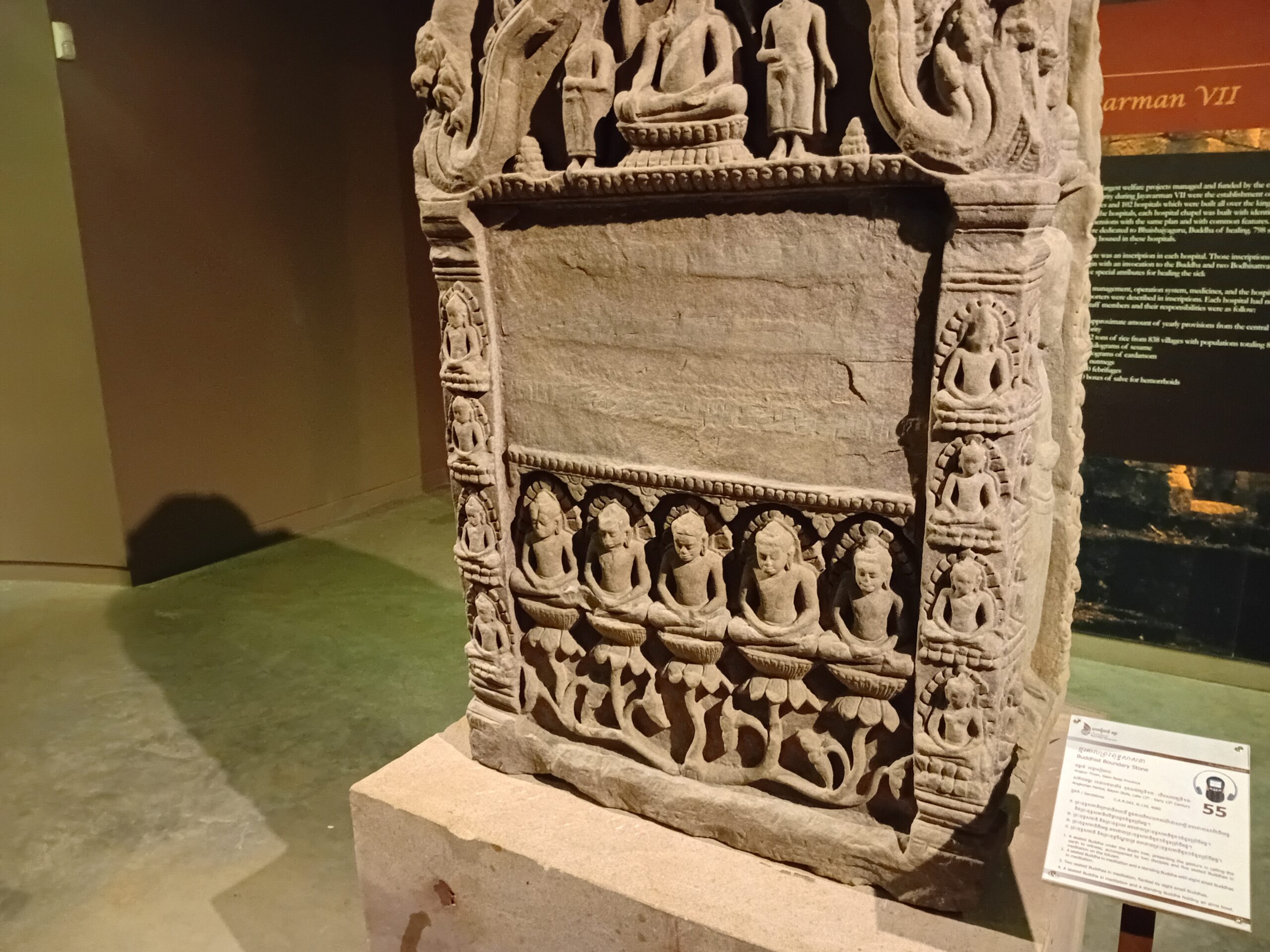
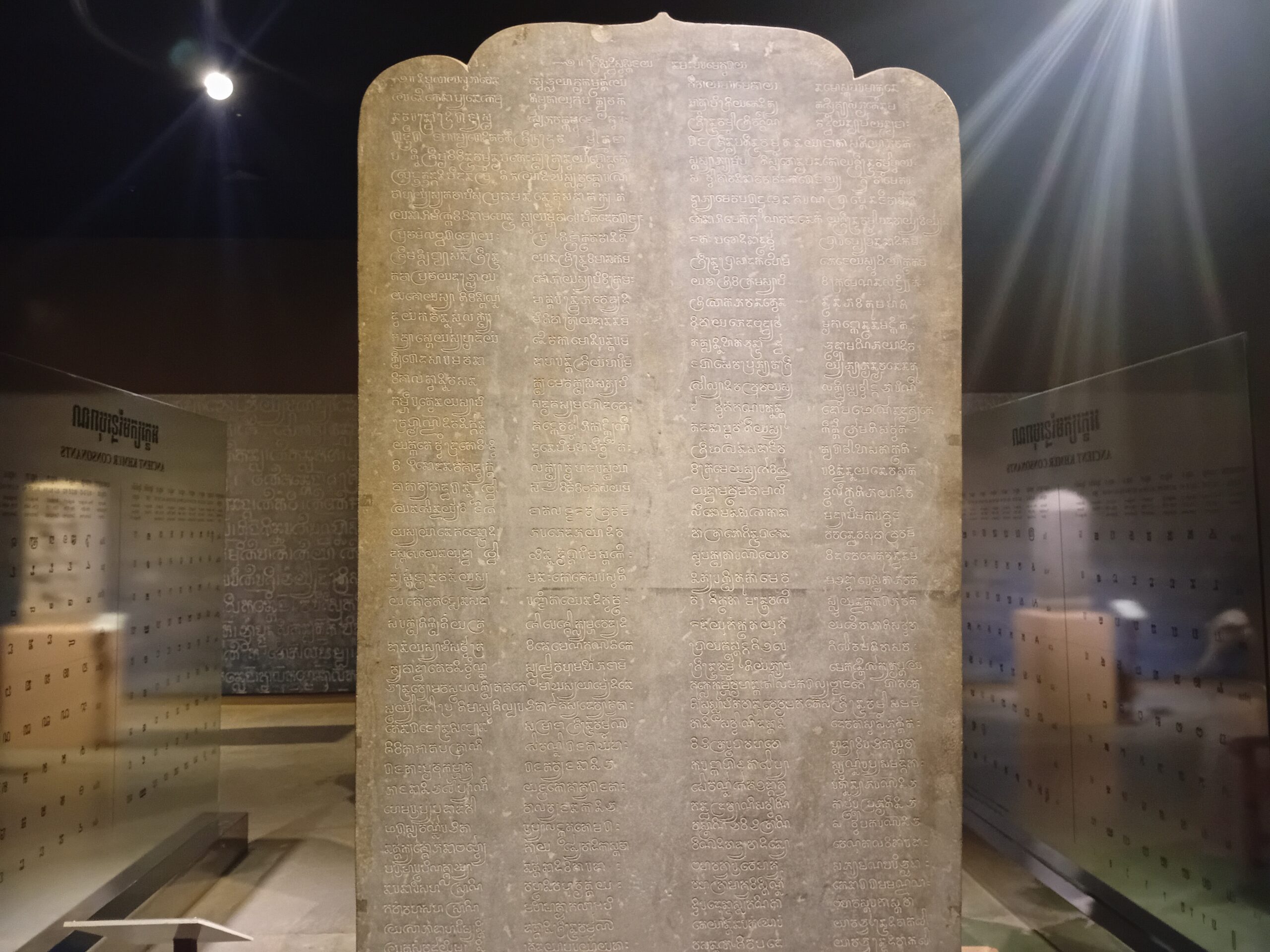
After this there is a collection of ancient stone inscriptions that describe historical events in the region. Obviously I couldn’t read them, and the summaries were very brief so any details in the text are lost on anyone who can’t read Khmer.
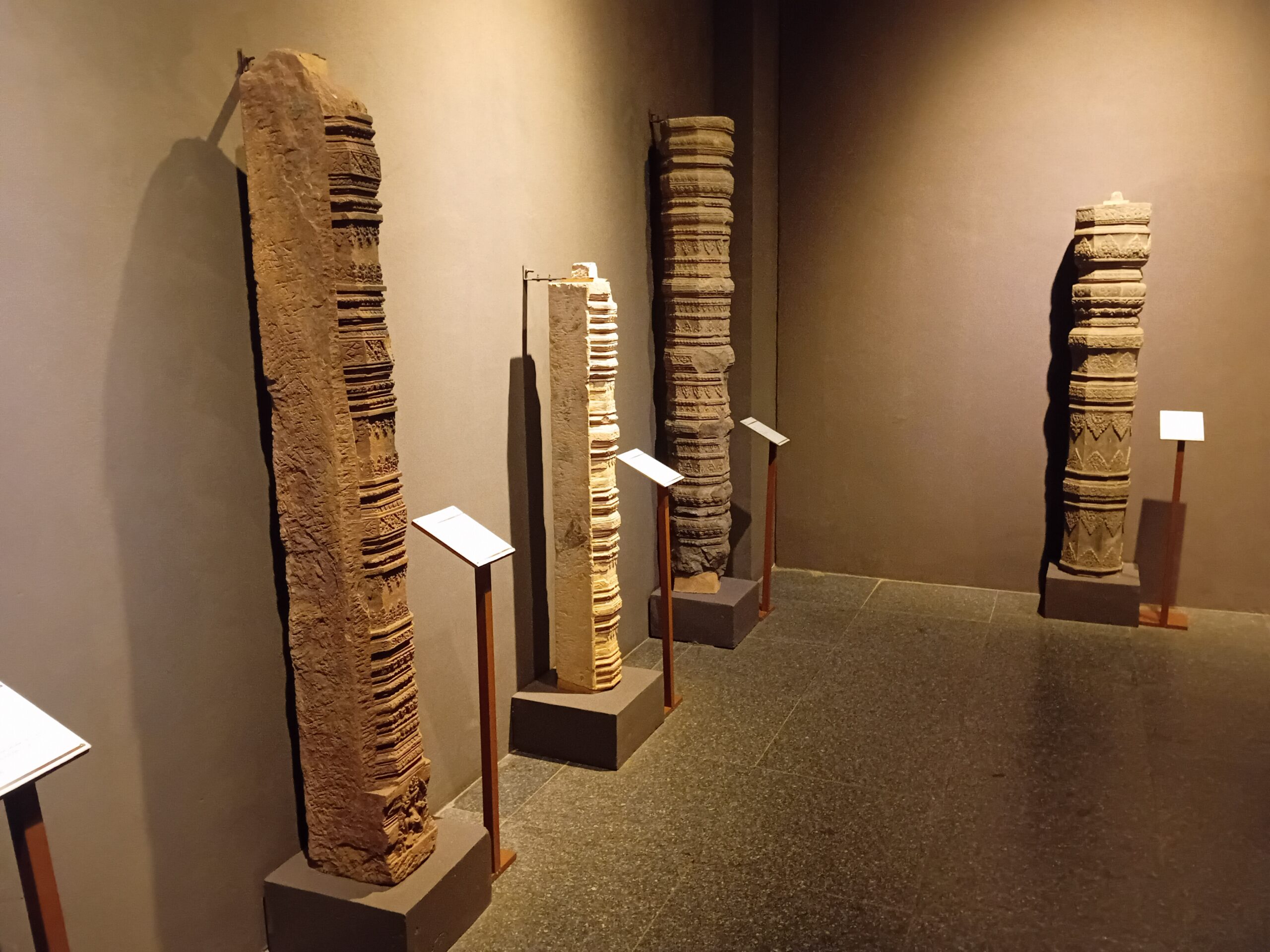
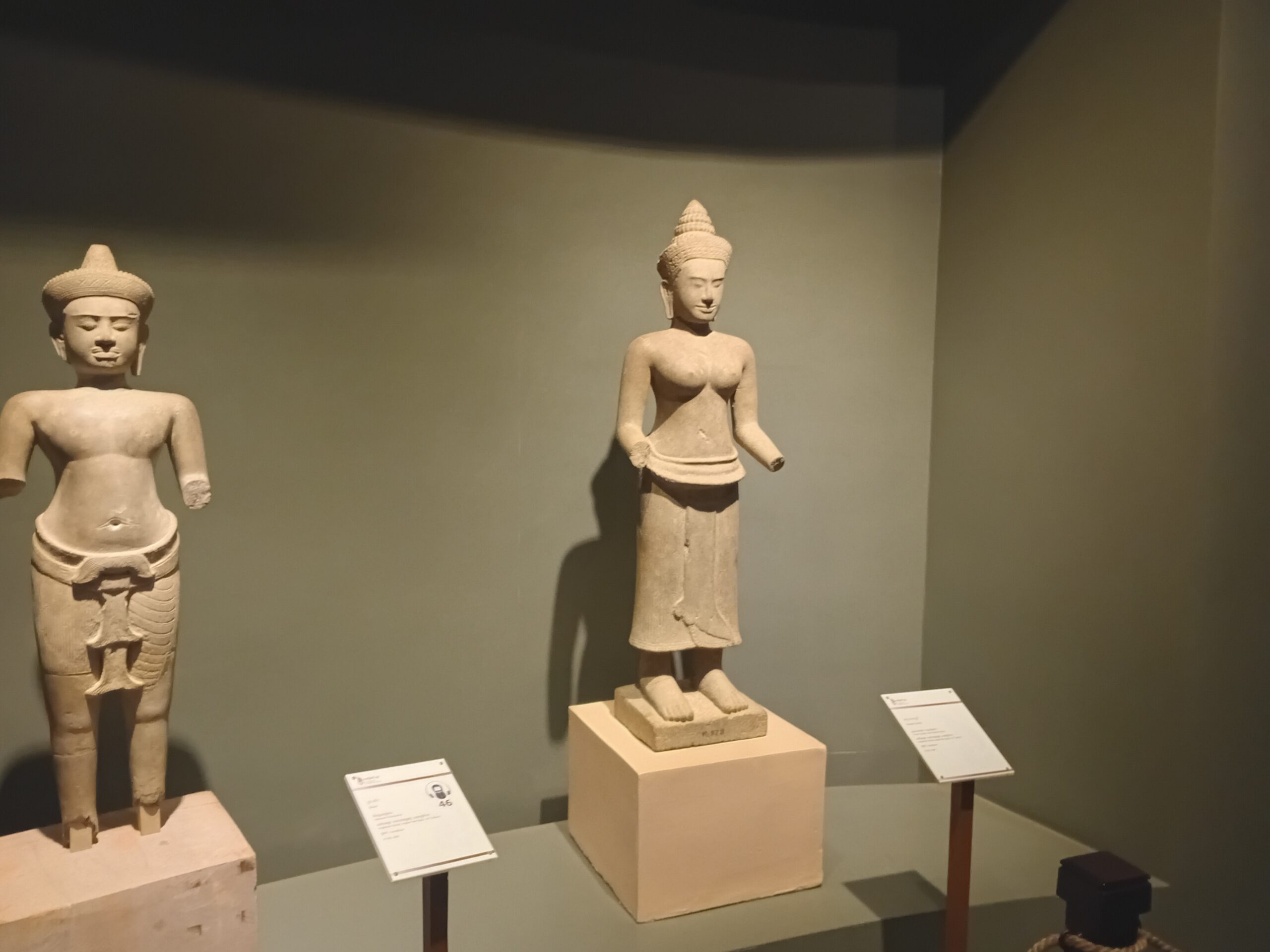
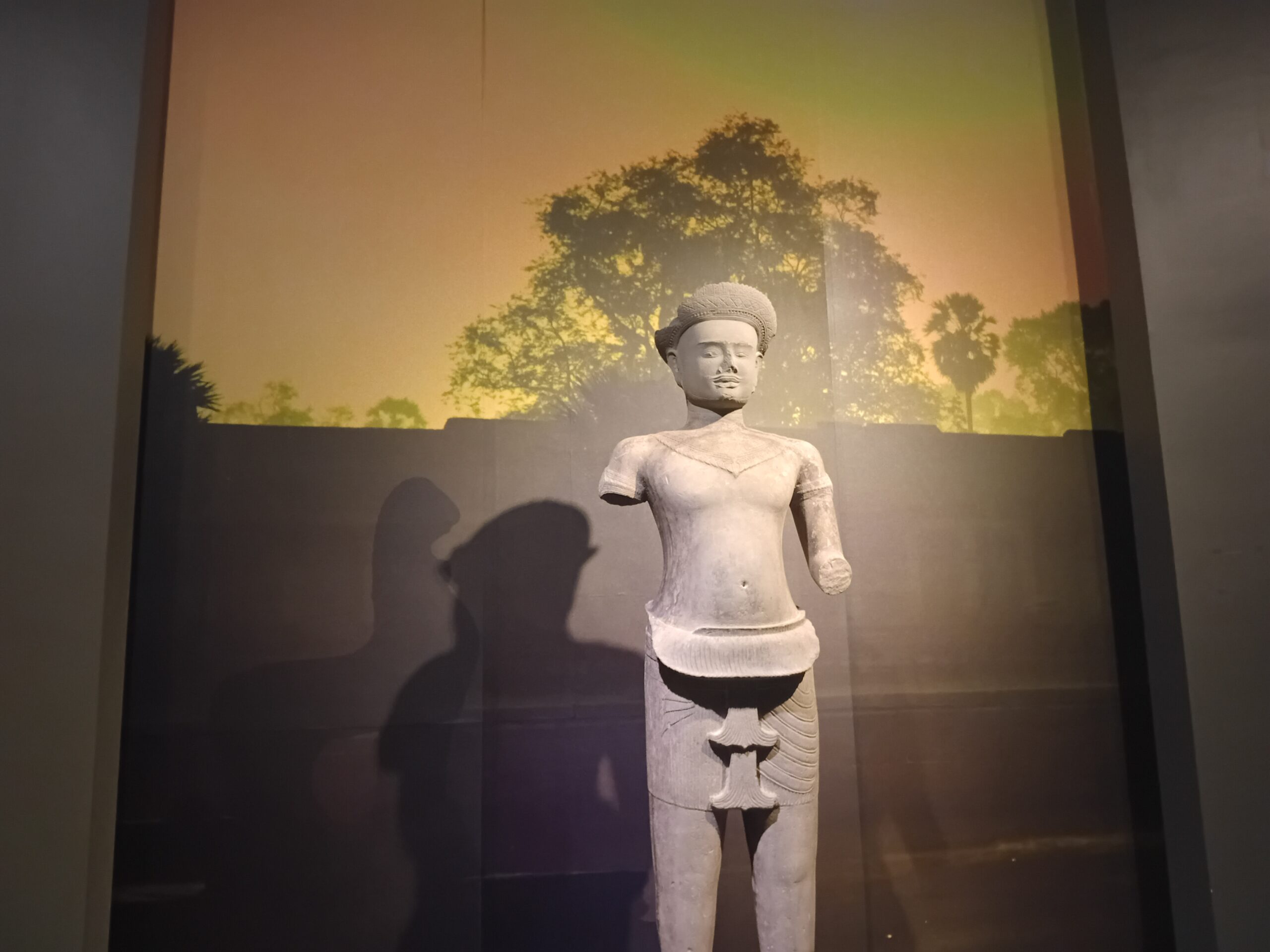
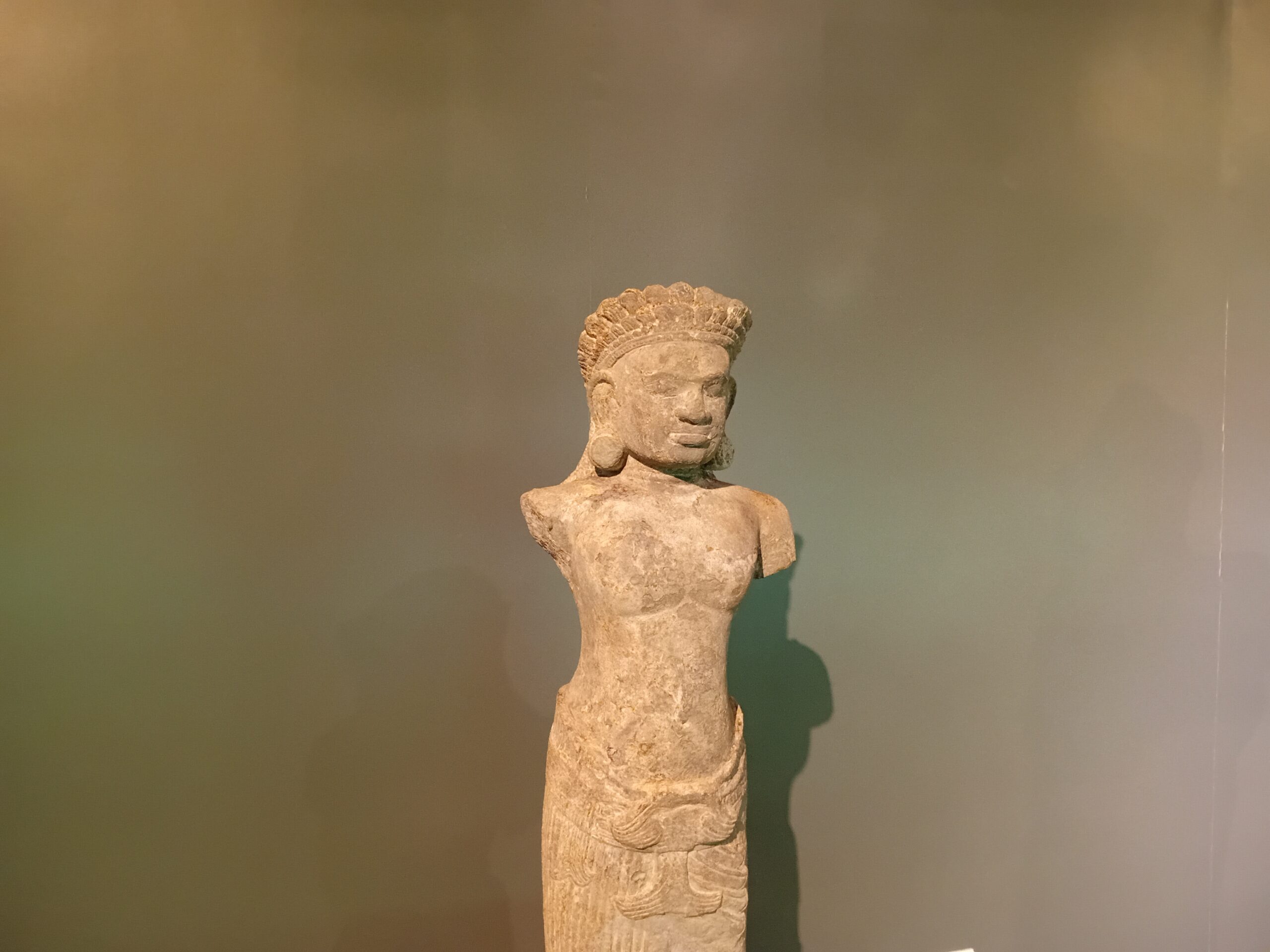
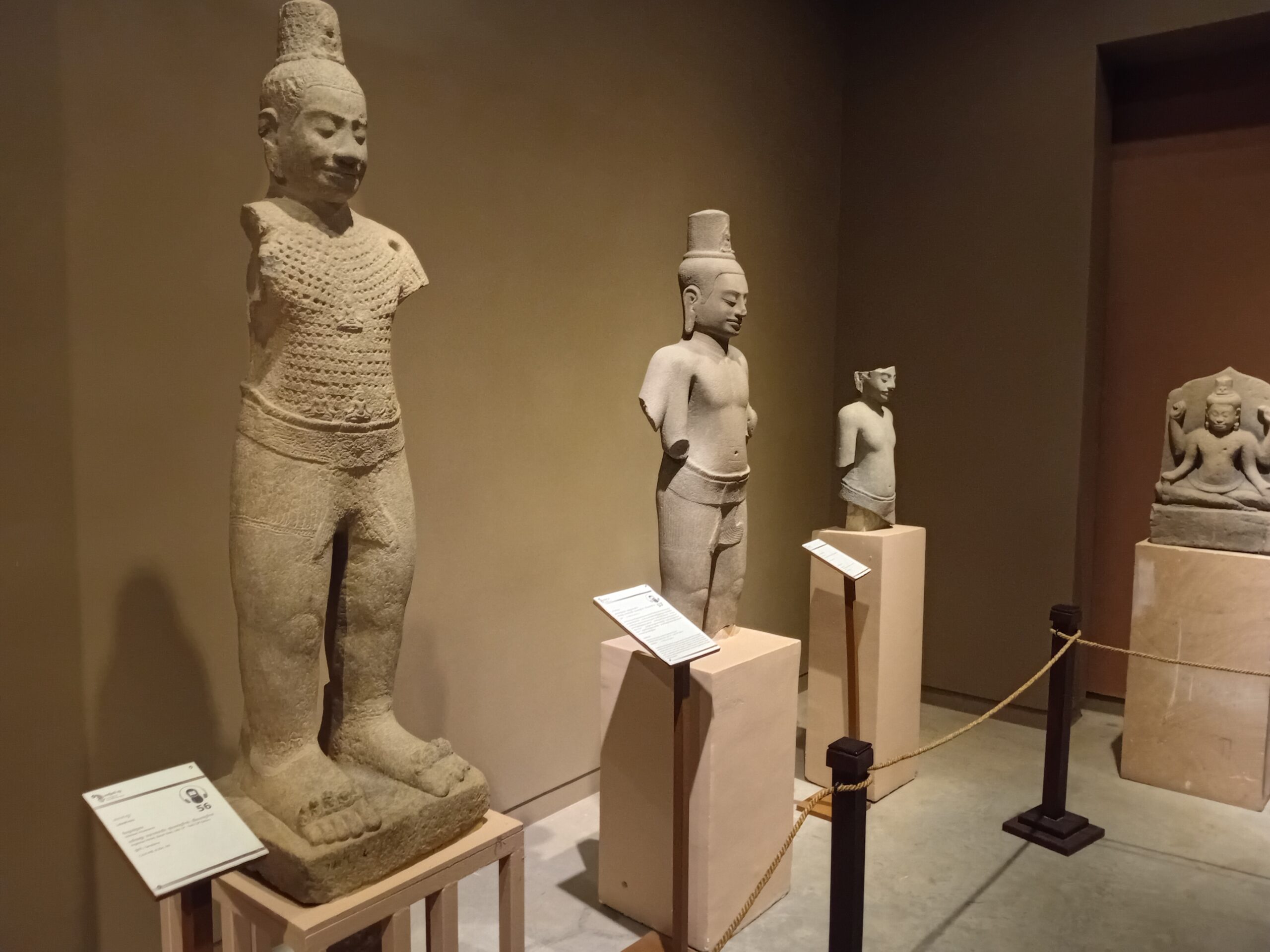
The last exhibit is a small collection of statues that depict how the common folk used to dress. I wondered if these would have been painted in a similar way to Greek statues, or the Terracotta Warriors.
After a few hours I left the museum happy to have learned a lot about Hinduism and Khmer culture. In hindsight it was definitely worth visiting before Angkor Wat, especially since I didn’t know anything about it beforehand.
But this museum comes with an unfortunate caveat. I only learned this while researching for this article, but there is controversy surrounding this museum.
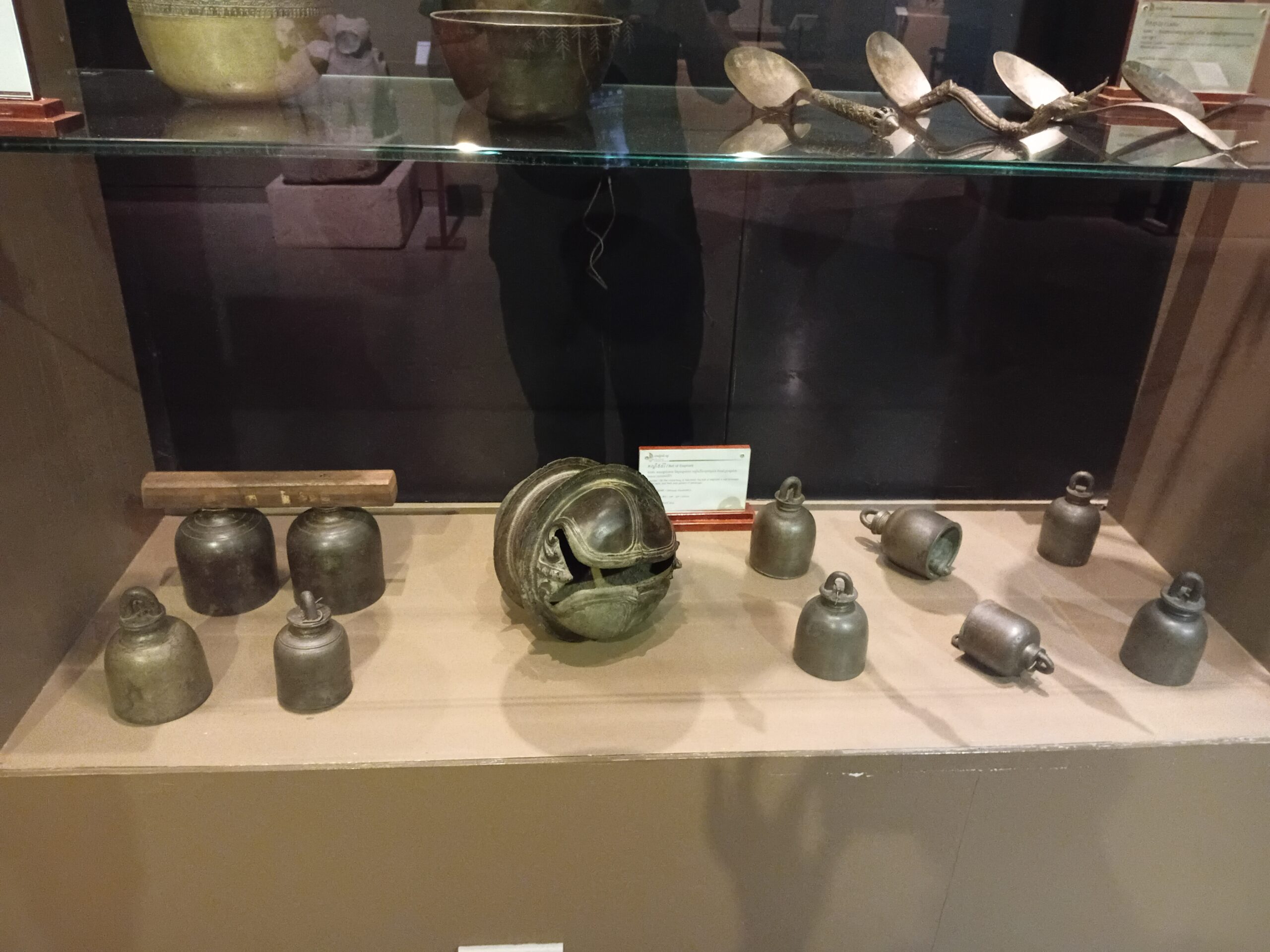
Despite its name, this museum is privately owned and none of the profits go toward maintaining the nearby archeological sites. I’m not sure how to feel about this. While I have no objection to people displaying their private collections for profit, the way it pretends to be a “National” gallery is misleading.
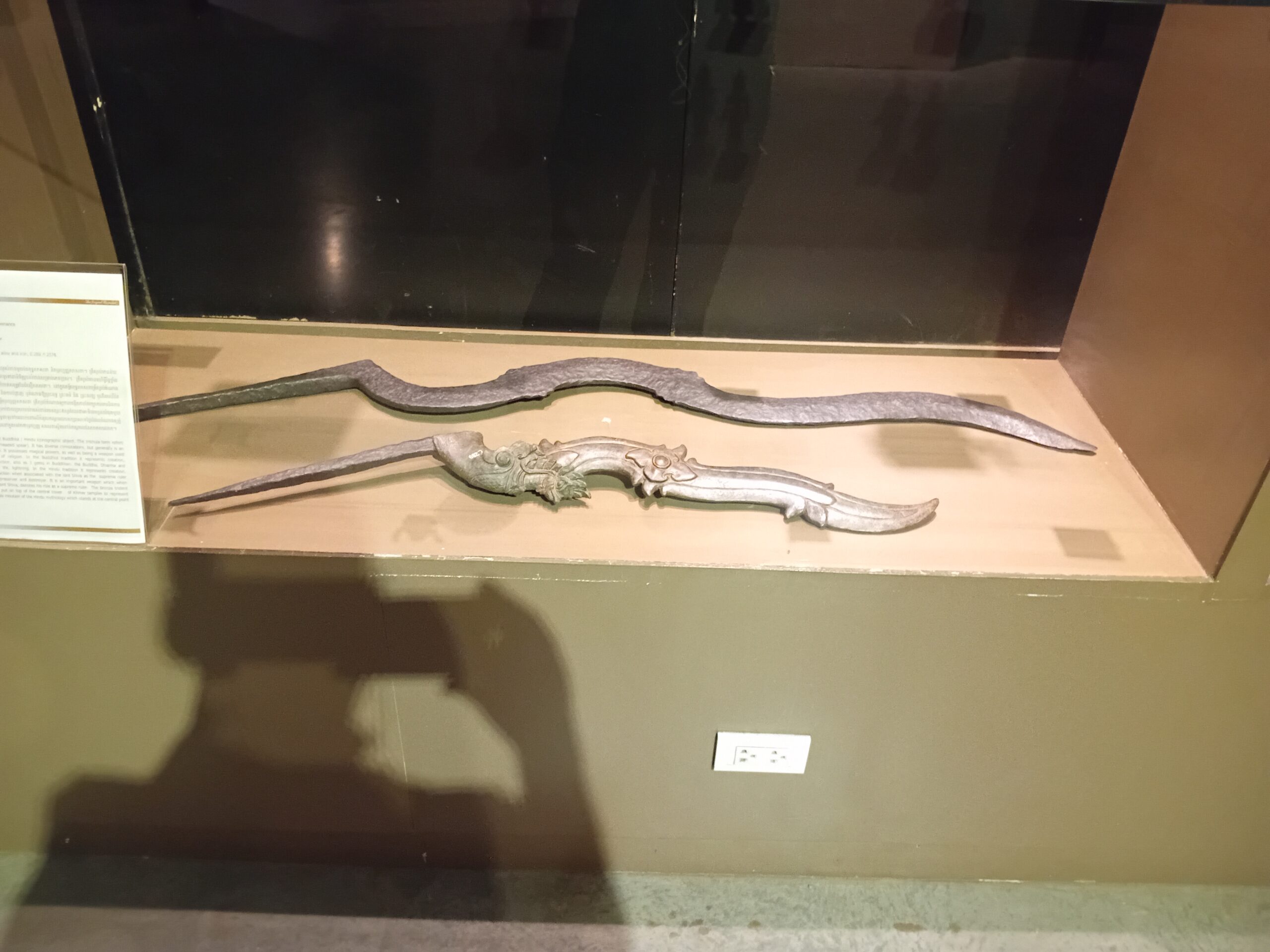
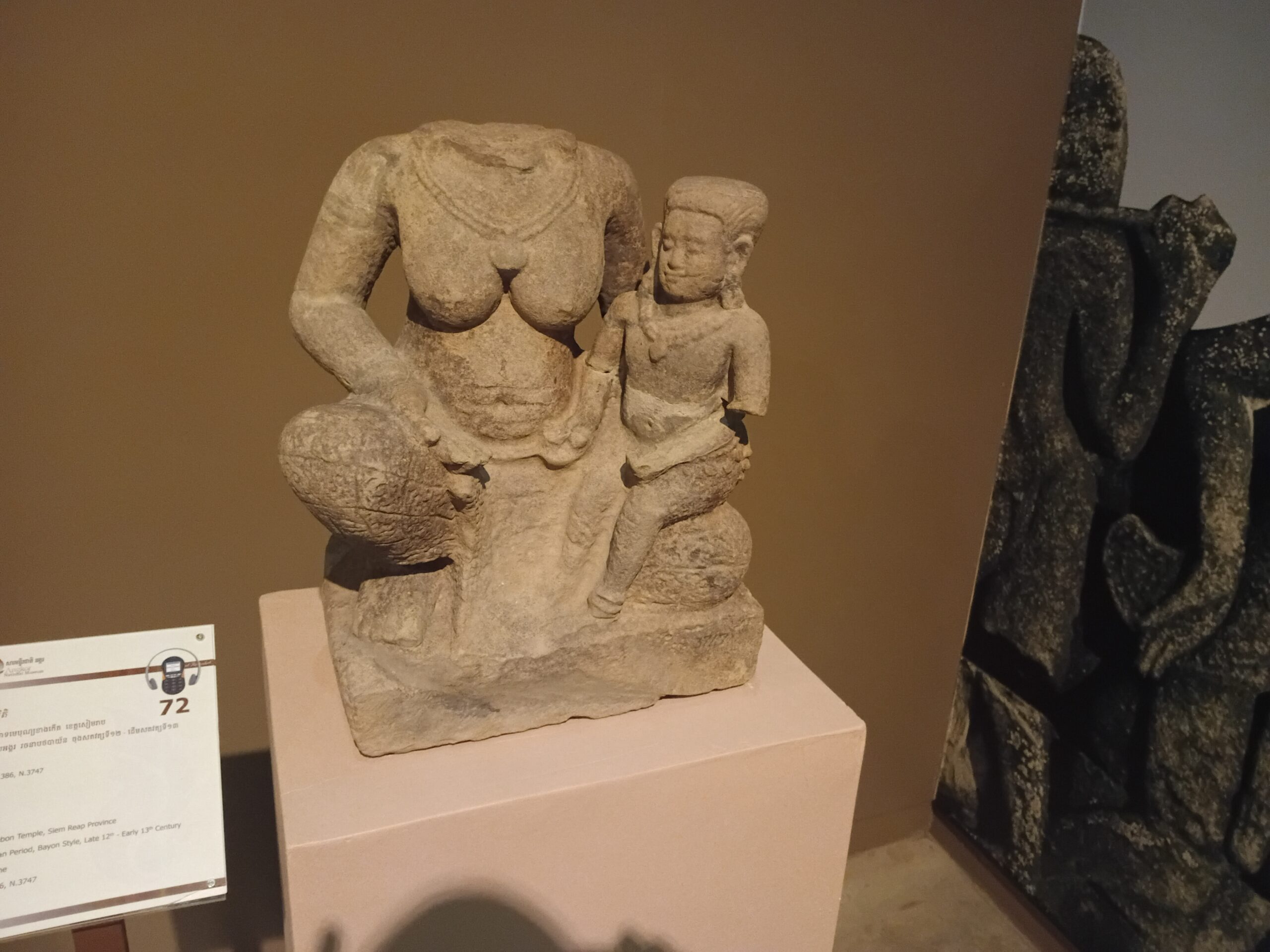
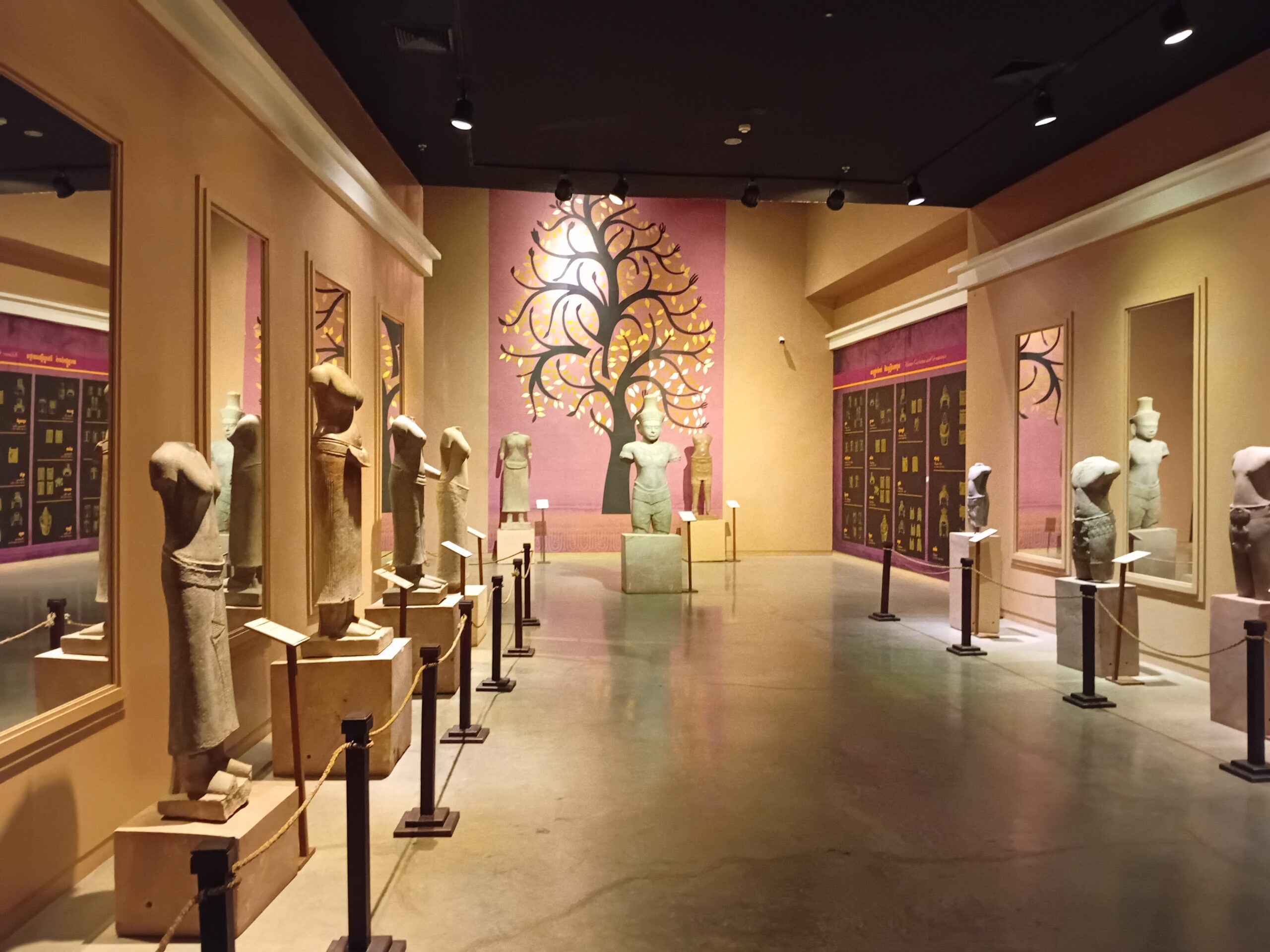
I went in not knowing this, but at least anyone who reads this can make an informed decision on whether or not to visit. I would still go for the learning experience, but knowing that the museum isn’t contributing toward local archeology is disappointing at the least. If you are already well studied in the history of Angkor Wat, Khmer culture, and/or Hunduism then you might want to skip the museum and go straight to the ruins.


