
Bao Dai, the last Emperor of the Nguyen Dynasty, built 3 palaces in Dalat. The third one, now known as Bao Dai Palace 3, is the most popular with tourists today. It sits as an example of French-influenced architecture and of the extravagant lifestyle enjoyed by the ruling classes.
Located on a hill in the south of Dalat are the Bao Dai Palace grounds. Much of the area around the hill are as yet developed, preserving some of the isolation the family must have experienced when they summered here.
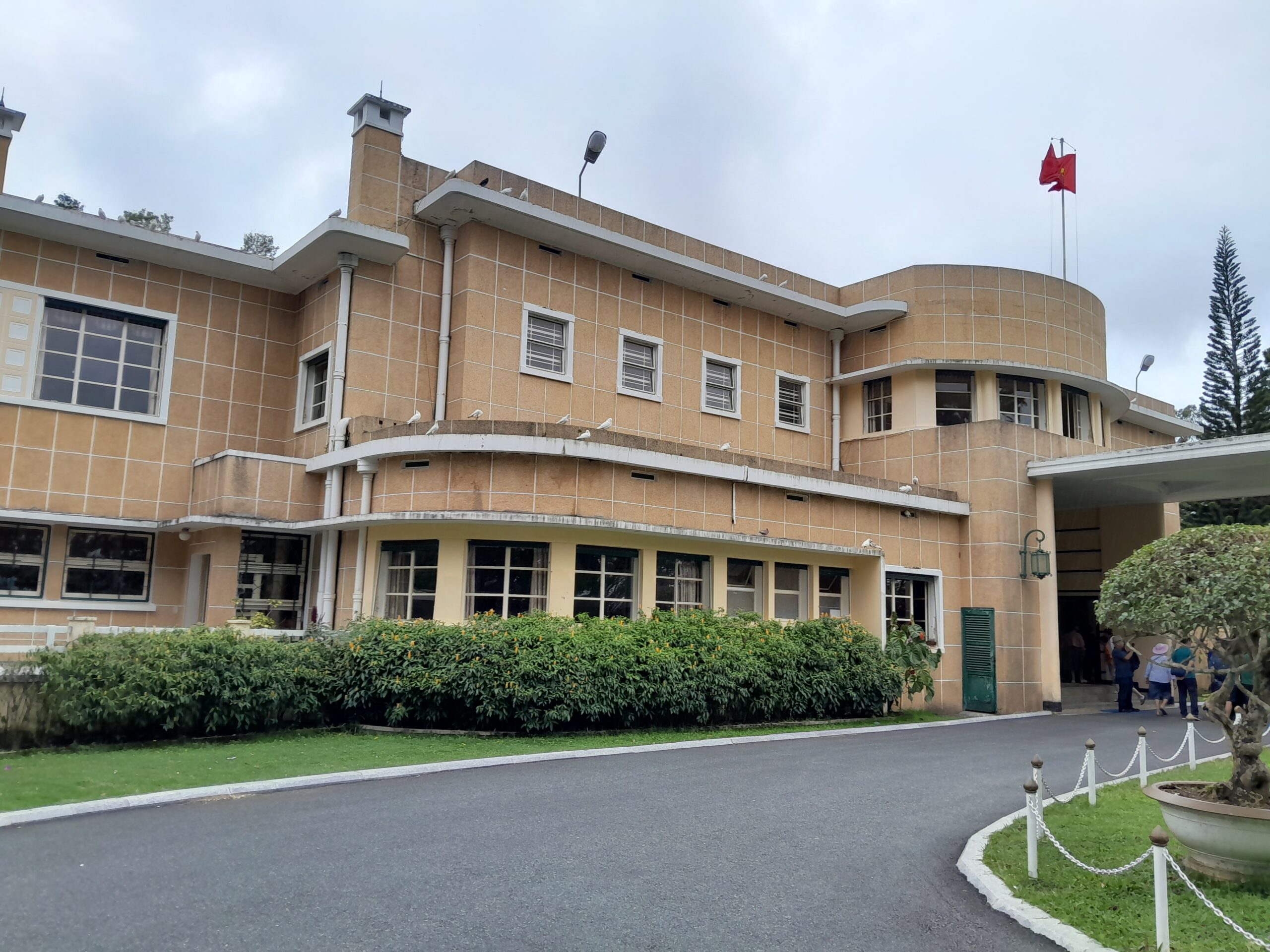
Looking at the palace from the outside one might question why it is called a palace at all. The palace is in fact a two-storey mansion, and was used as a summer residence for Bao Dai and his family. On the second floor there is a terrace, offering scenic views of the palace’s garden.
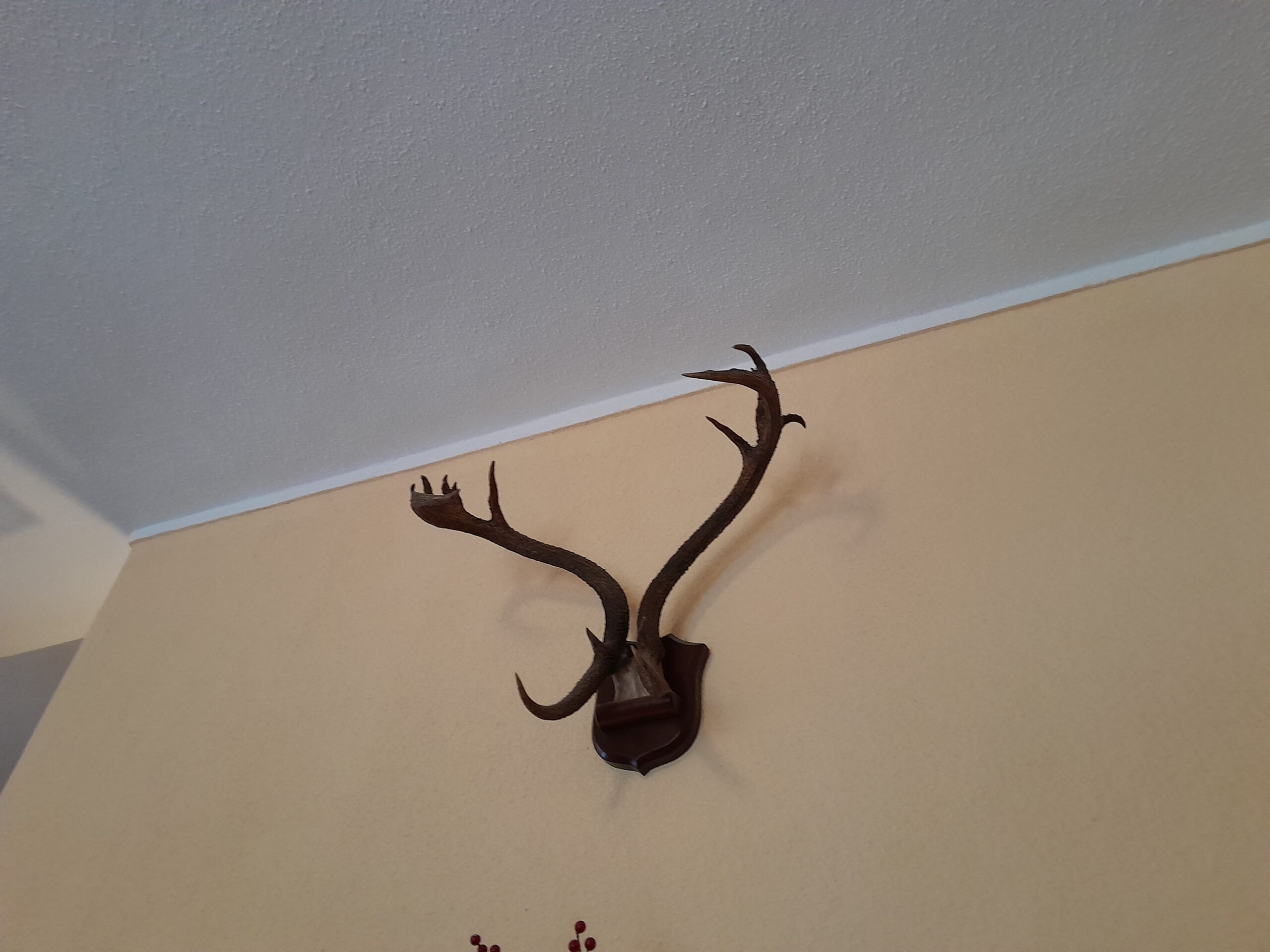
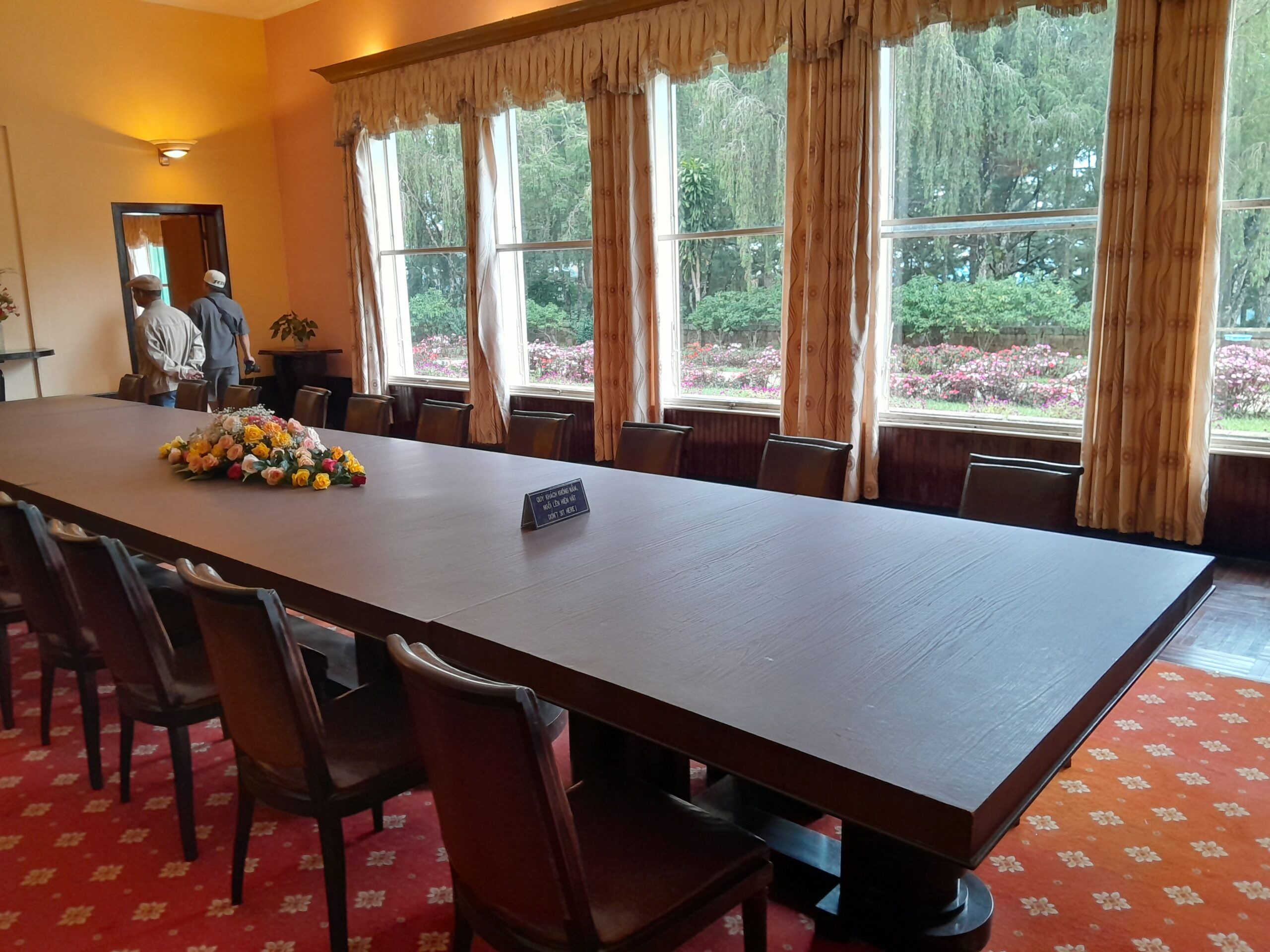
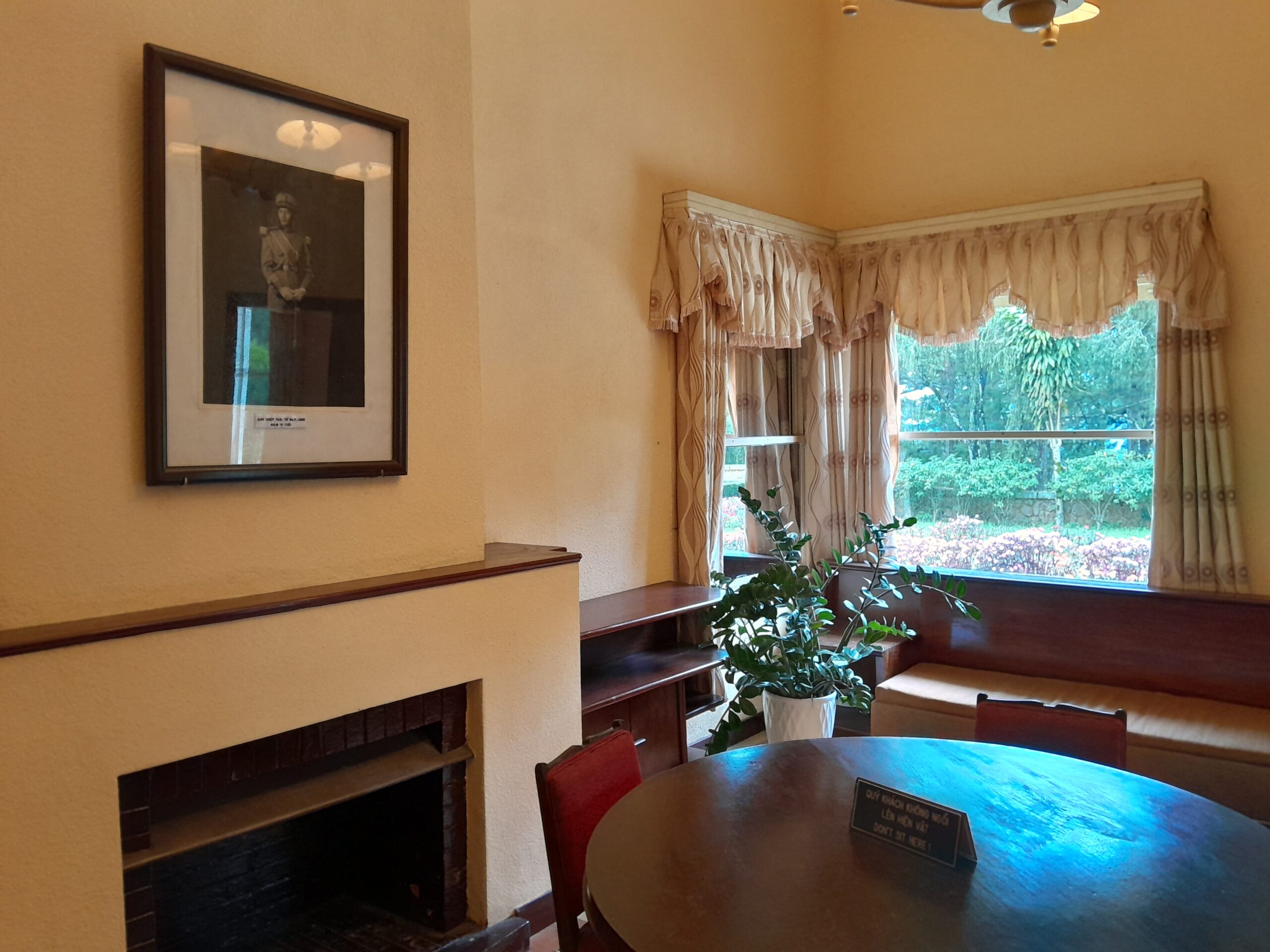
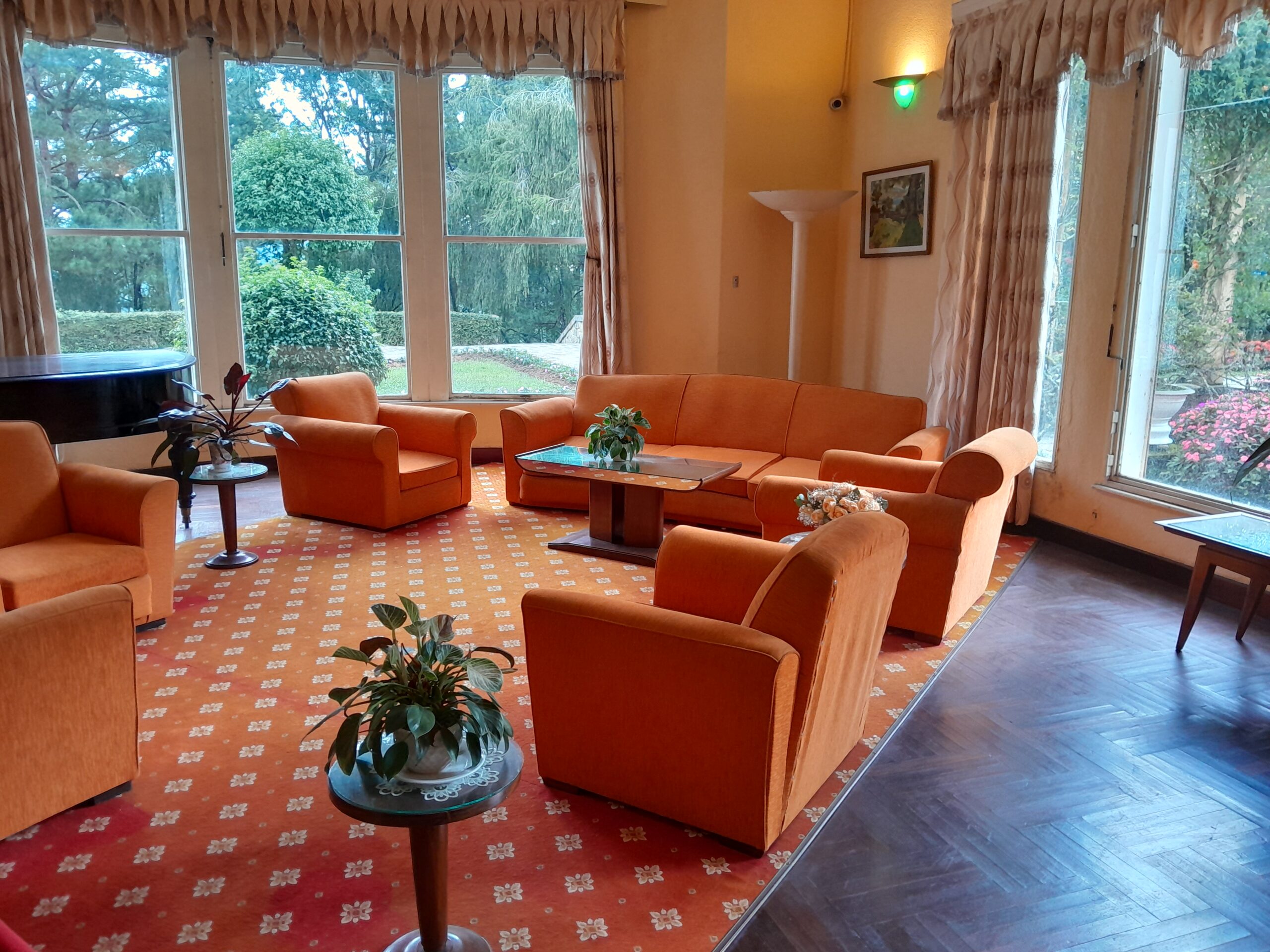
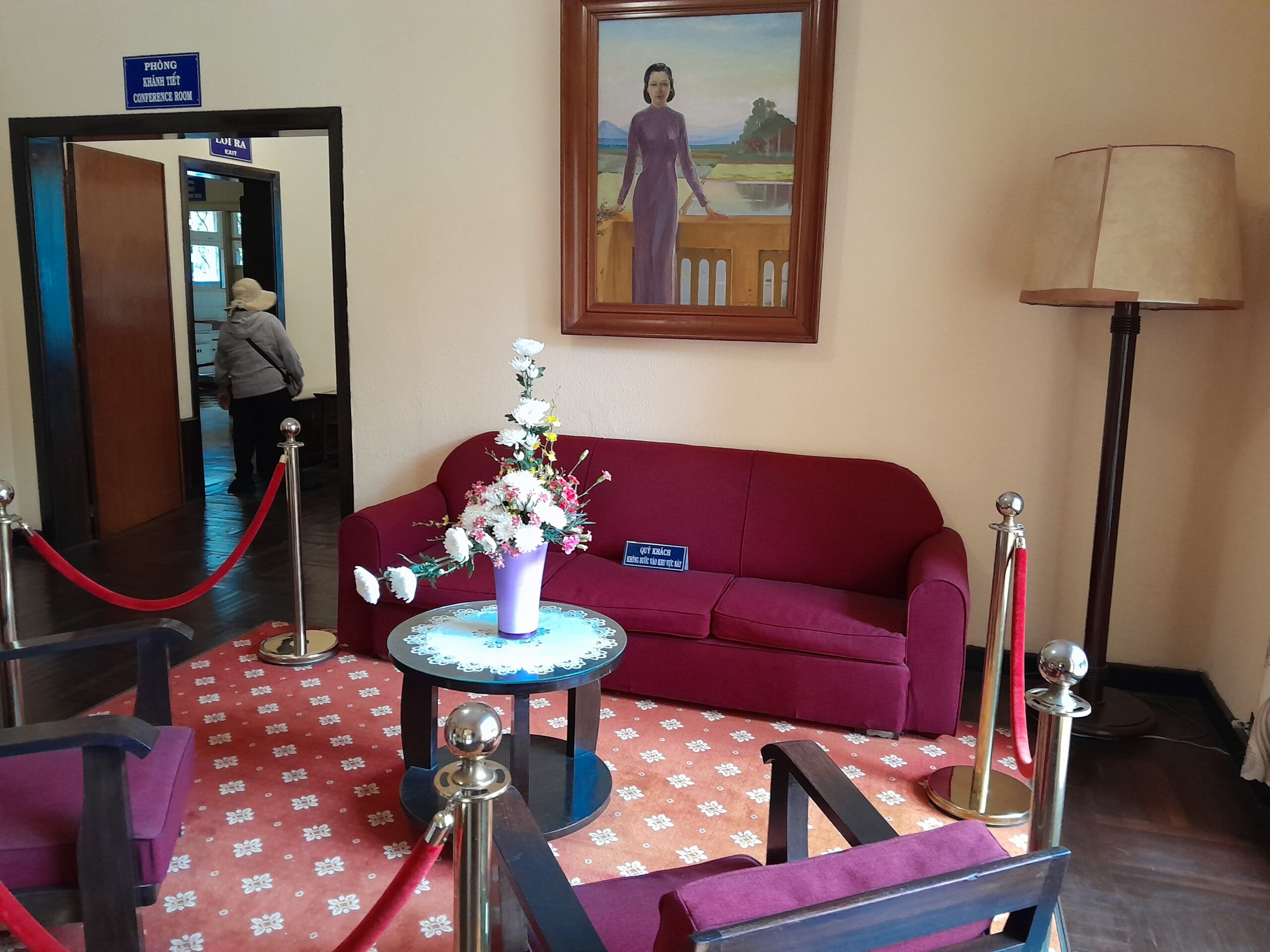
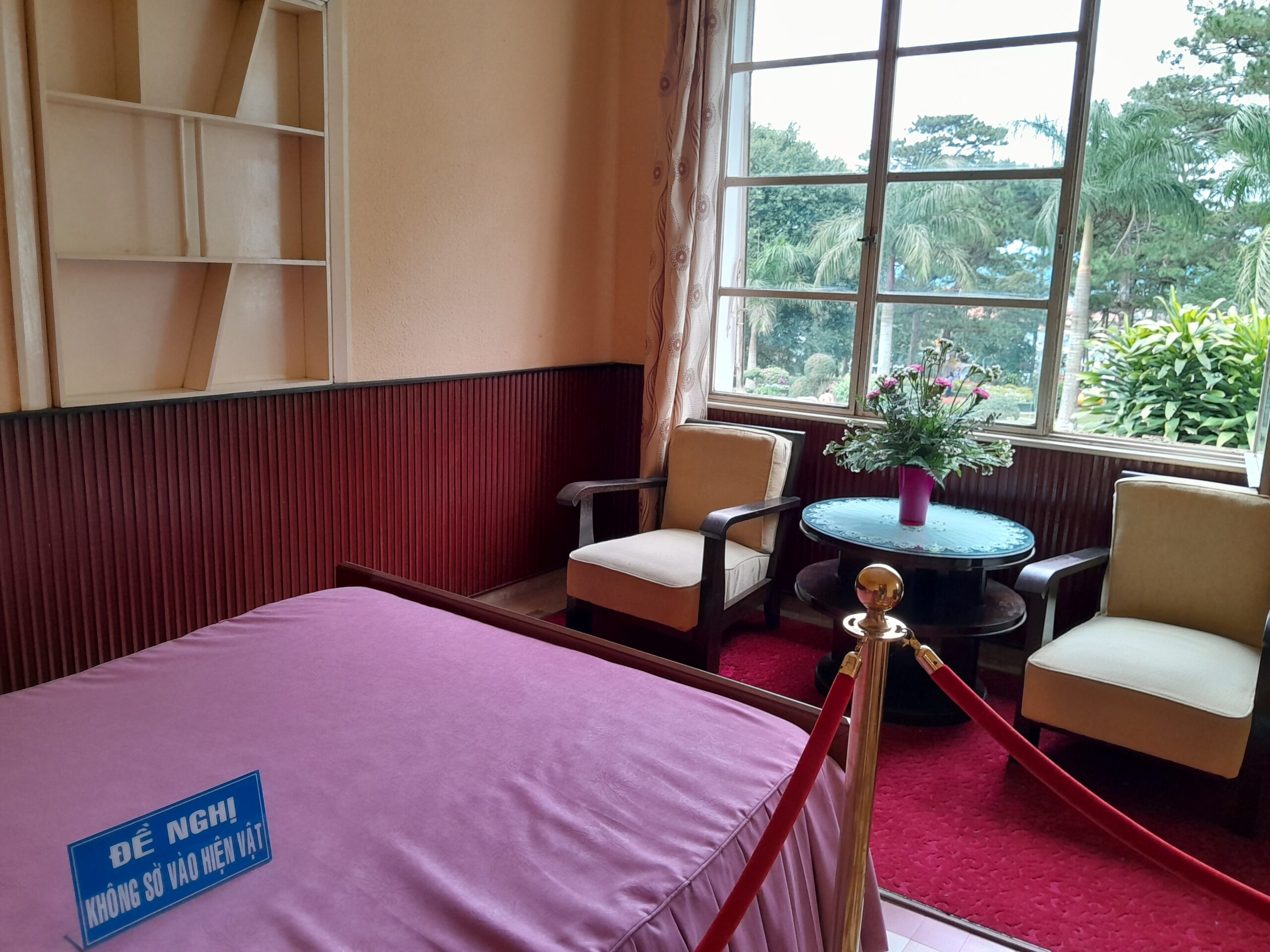
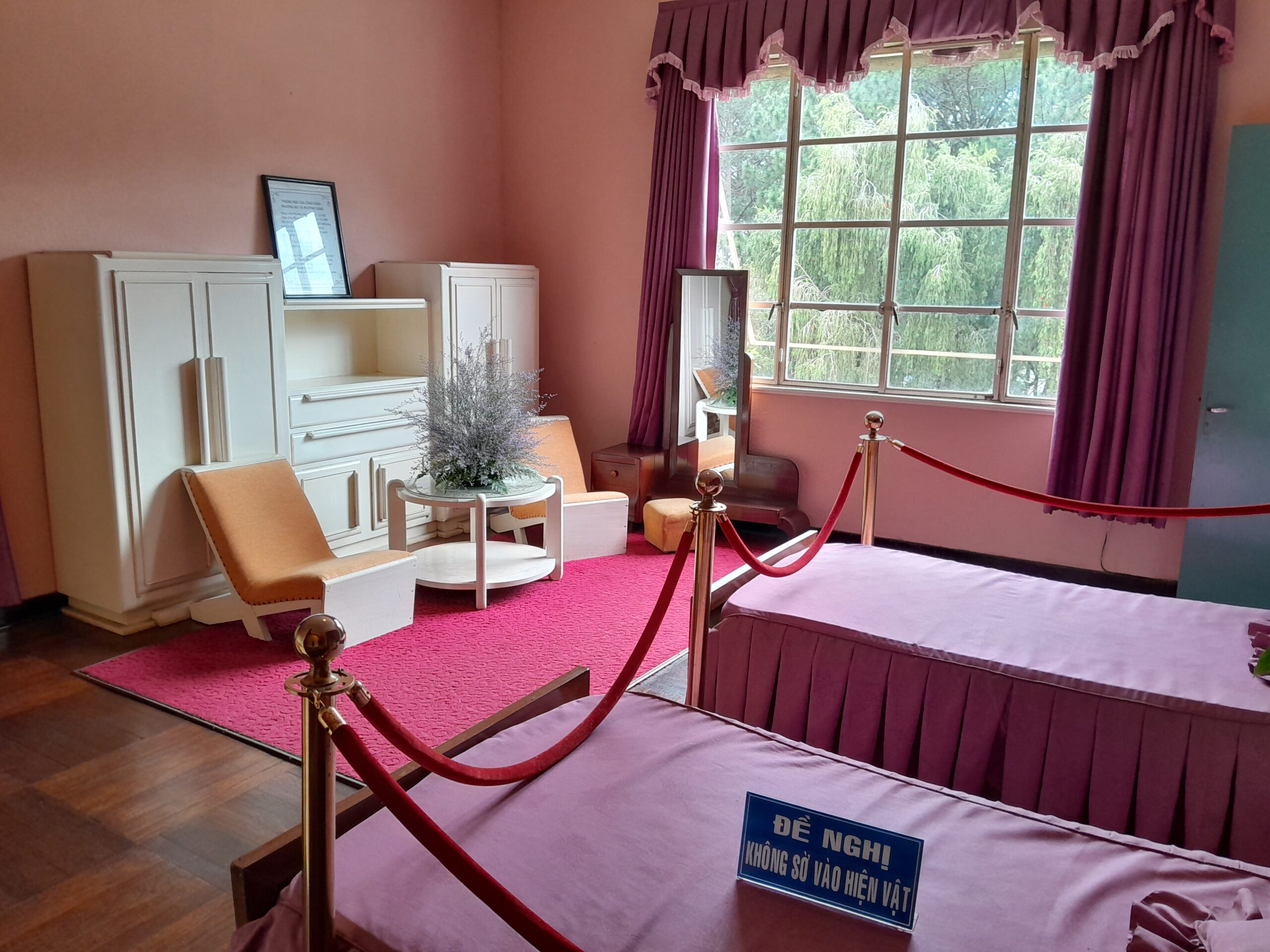
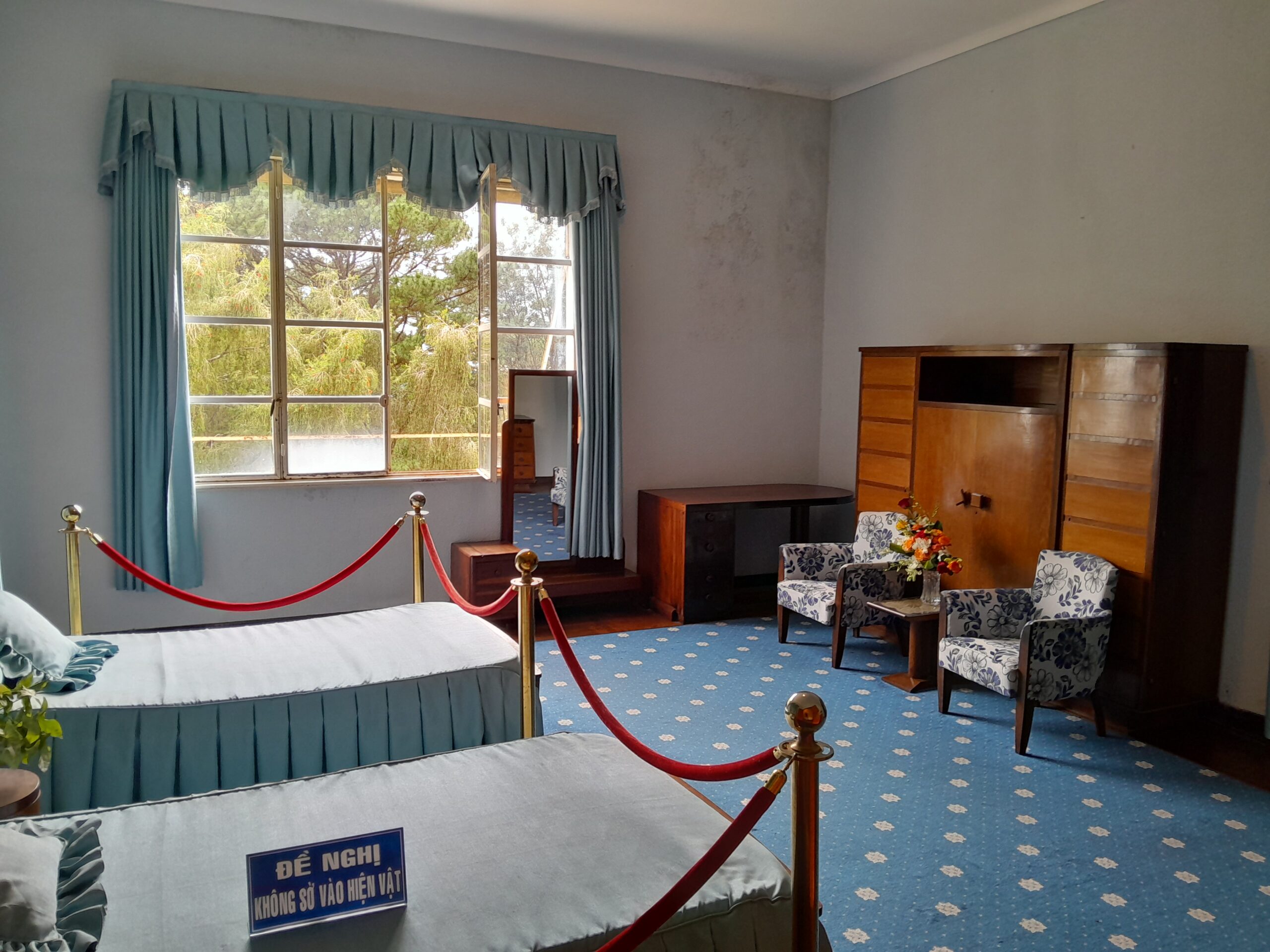
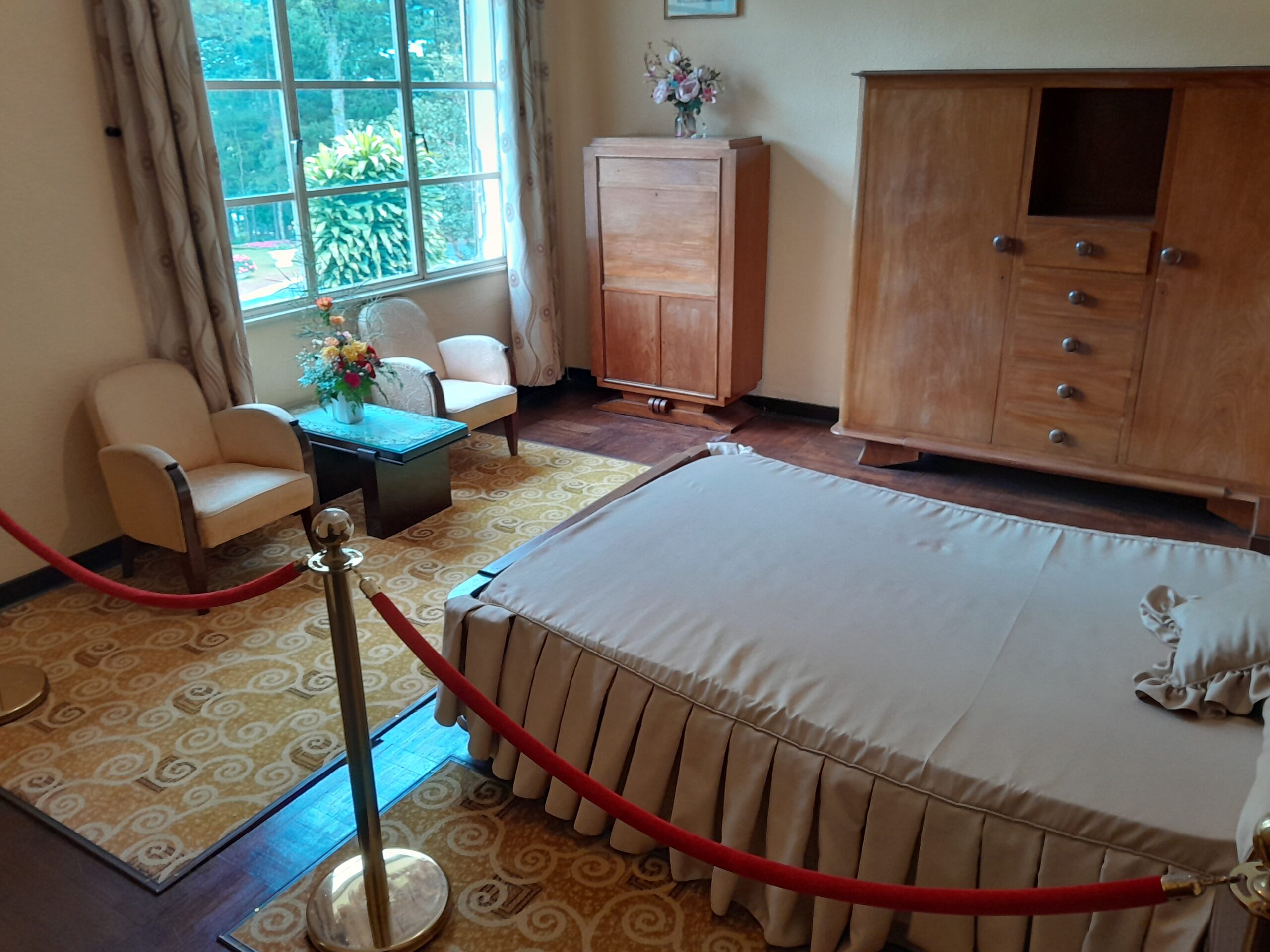
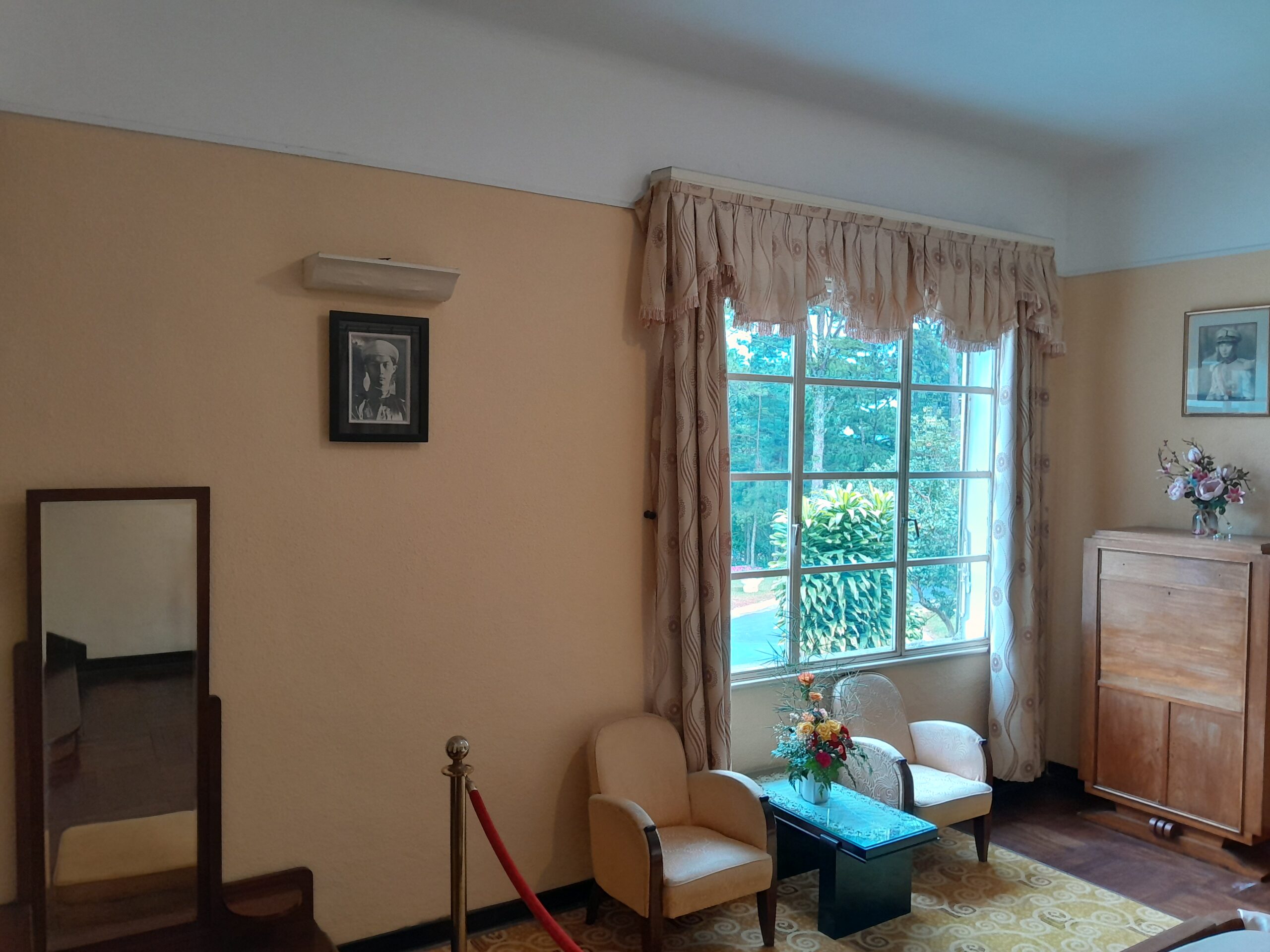
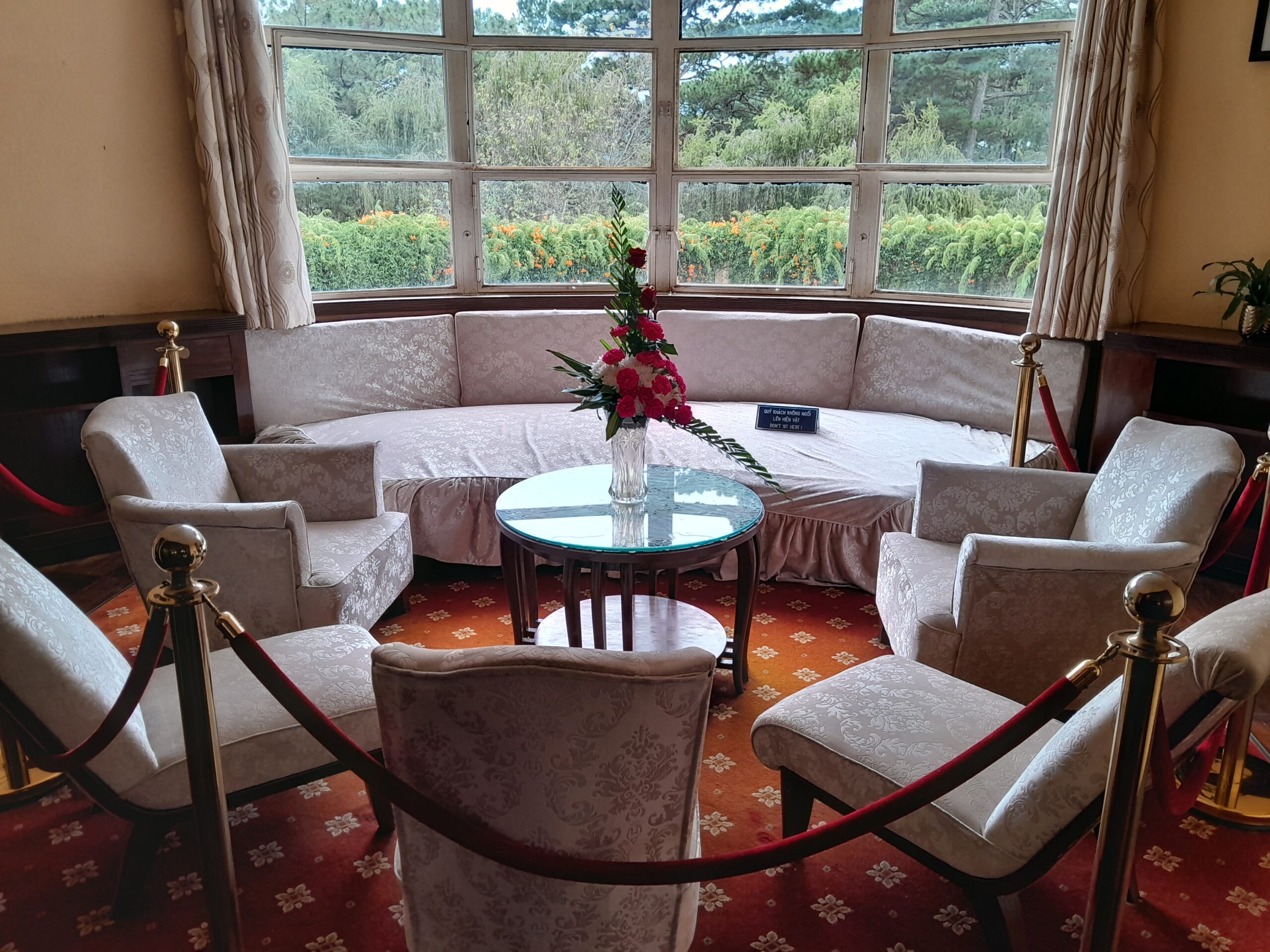
It cost me around 60,000 VND to get inside (less than $3). On the way in visitors are provided with coverings for their shoes to help maintain the floors of the palace. Each of the rooms inside have been preserved with furniture intact. Velvet ropes and signs remind visitors not to touch the antiques on display.
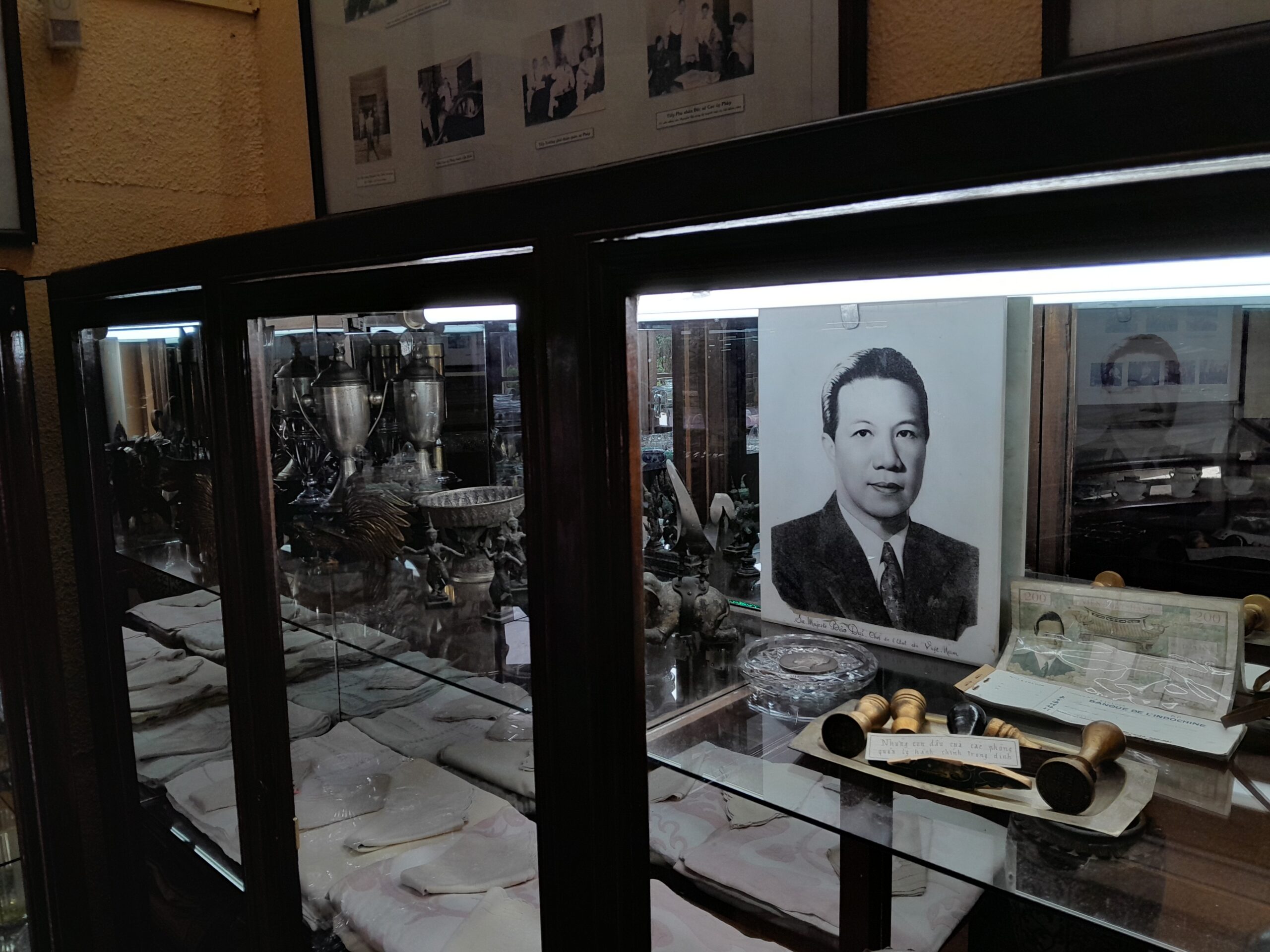
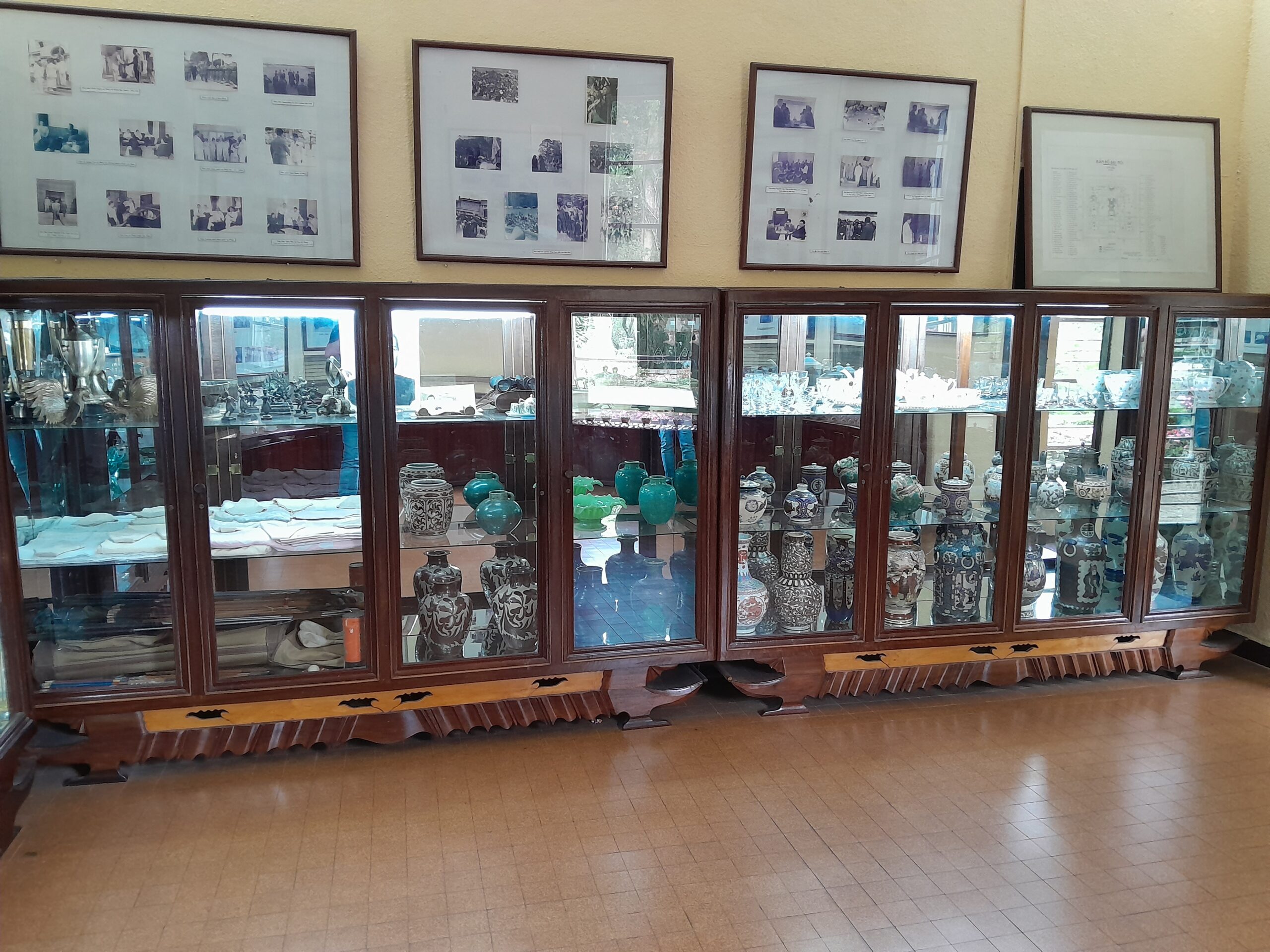
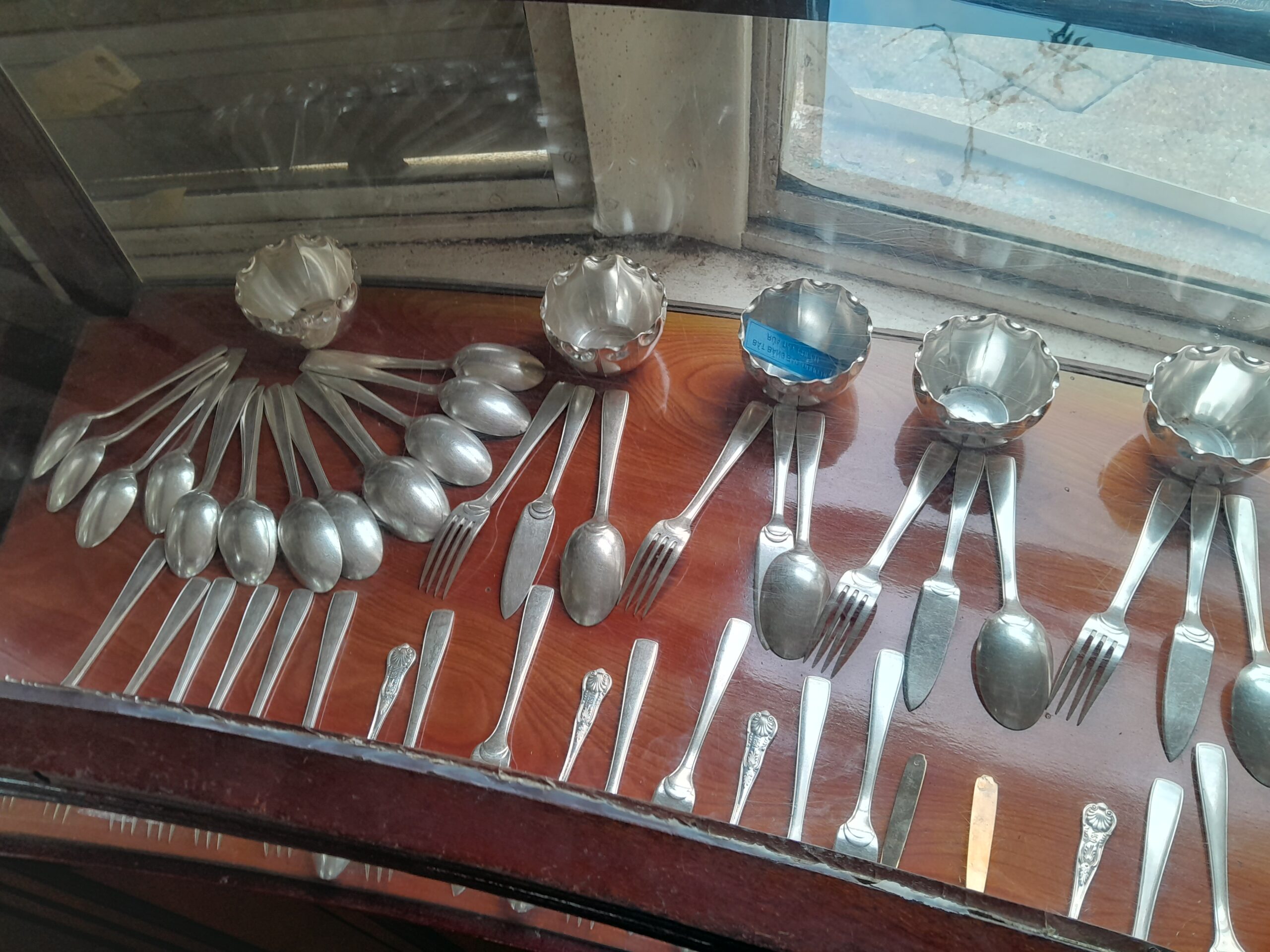
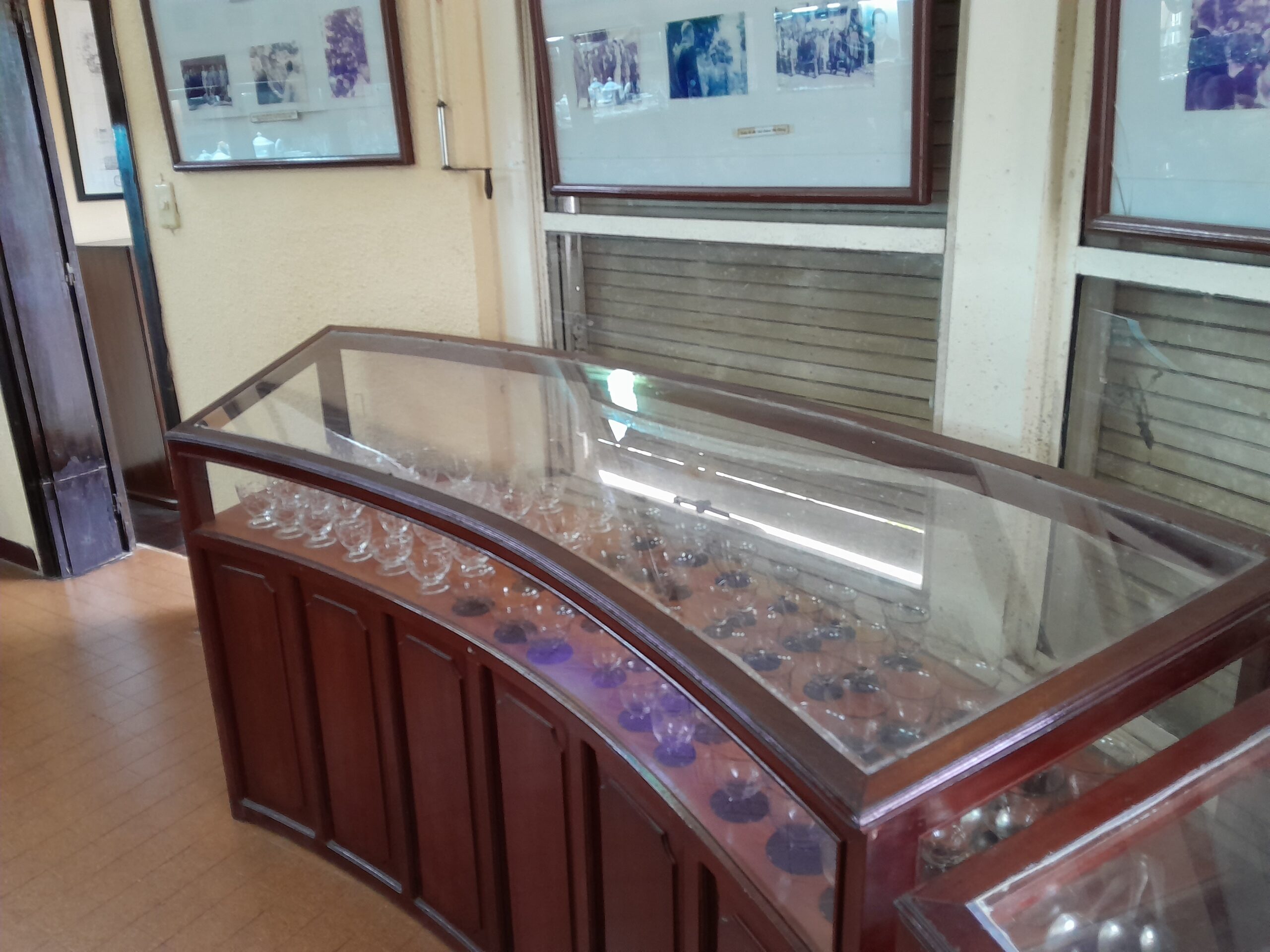
The ground floor is a work space, containing living rooms, meeting rooms, and an observatory. Collections of the silver cutlery and glasses they would use can also be found in display cases here. Most of the rooms have large windows, providing both sunlight and views of the well maintained gardens outside.
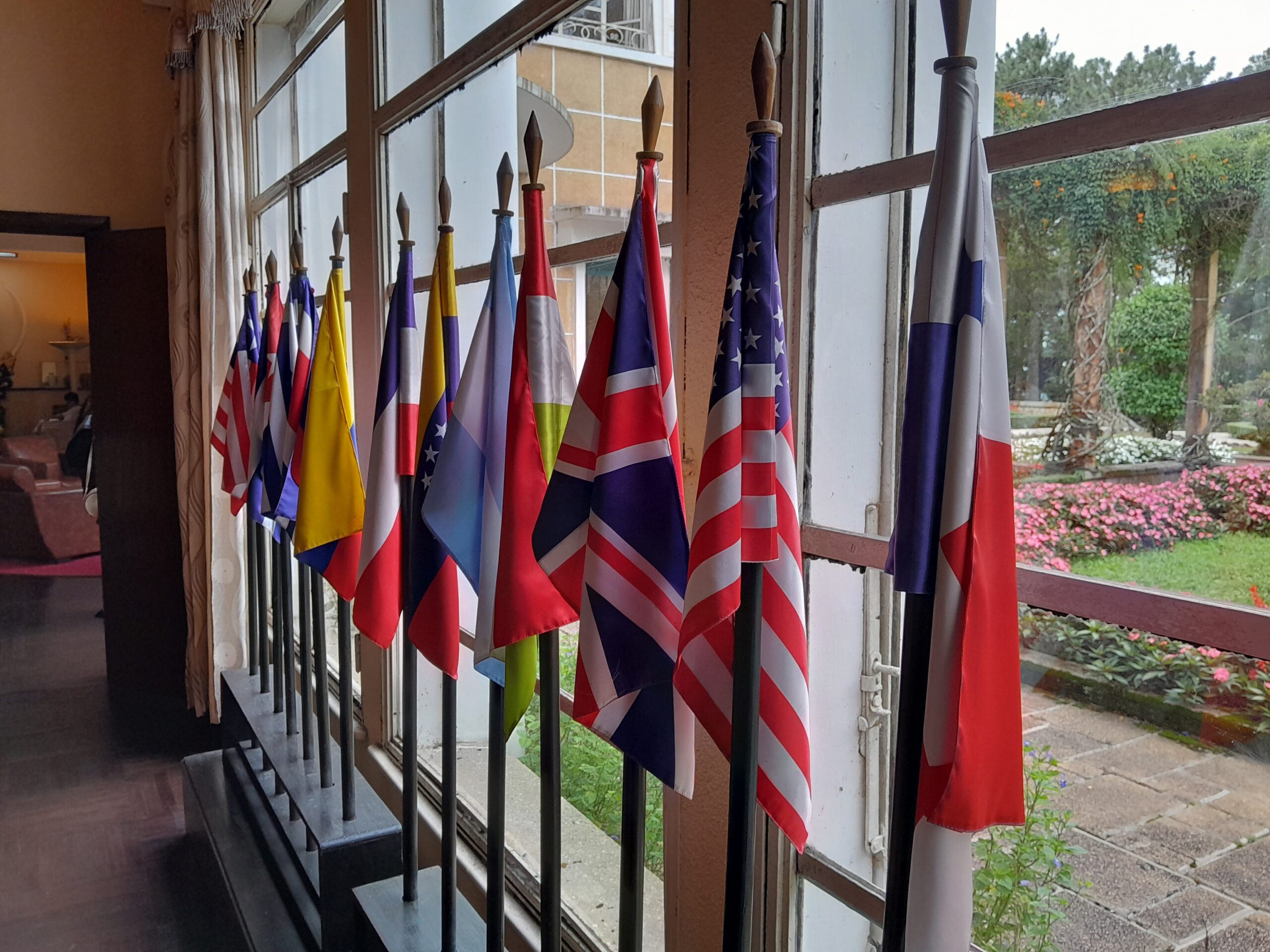
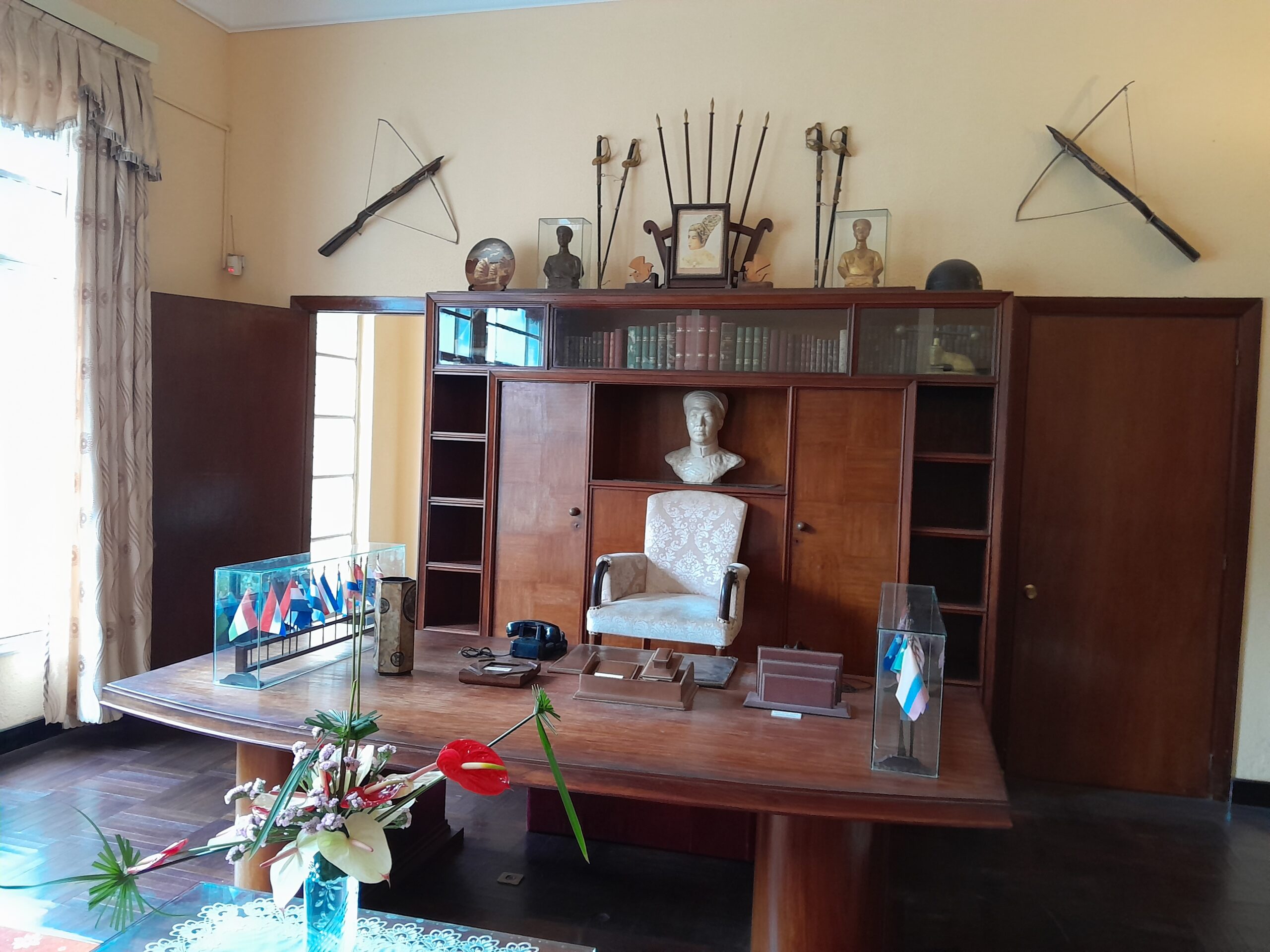
On the bottom floor there is an office displaying the flags of various nations that interact with Vietnam in one of the windows. There are also smaller flags in a glass case on the desk in this room. The office retains the setting where the Emperor would have worked during the day, a comfortable space for meetings, phone calls, or working through documents.
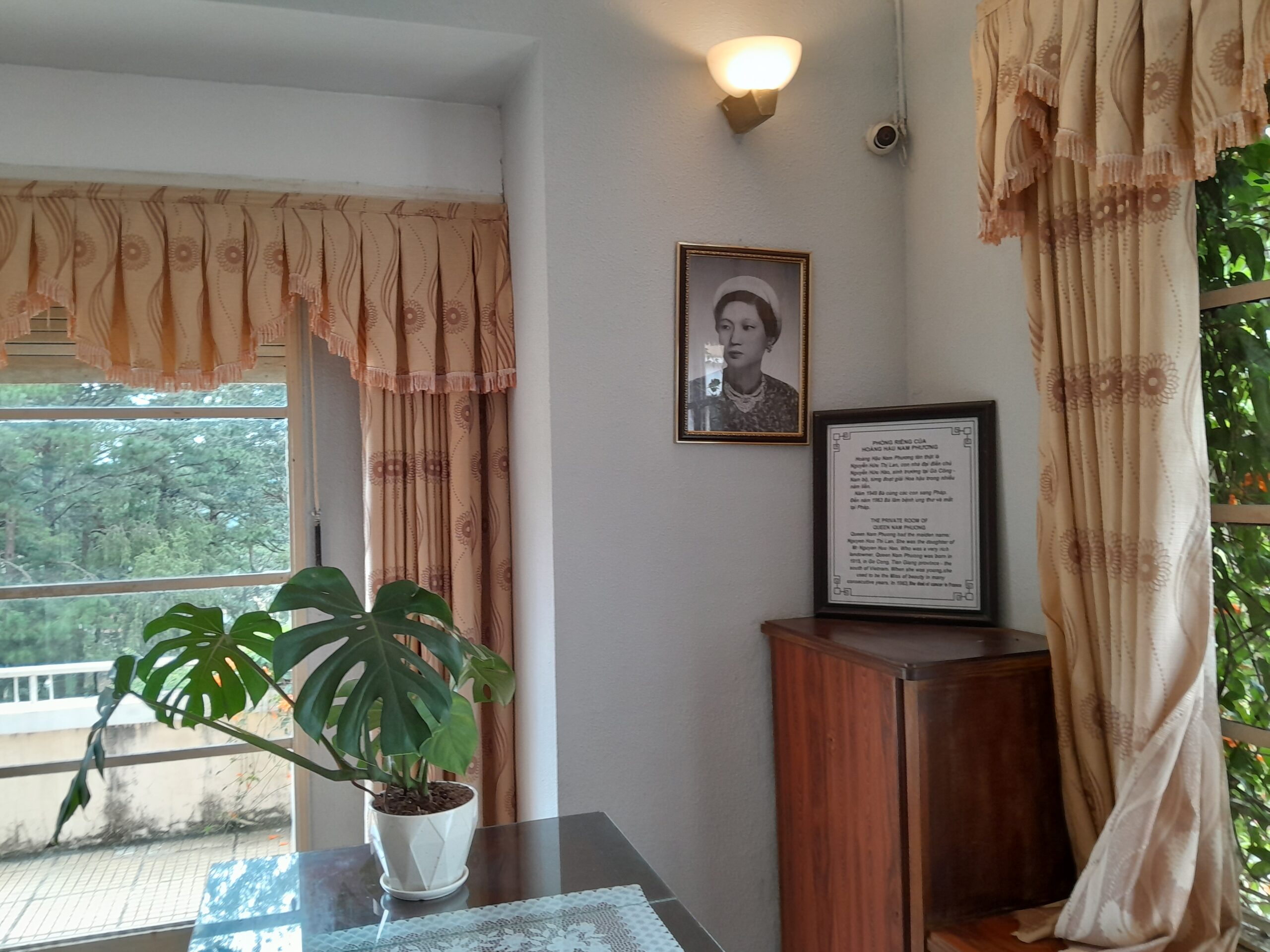
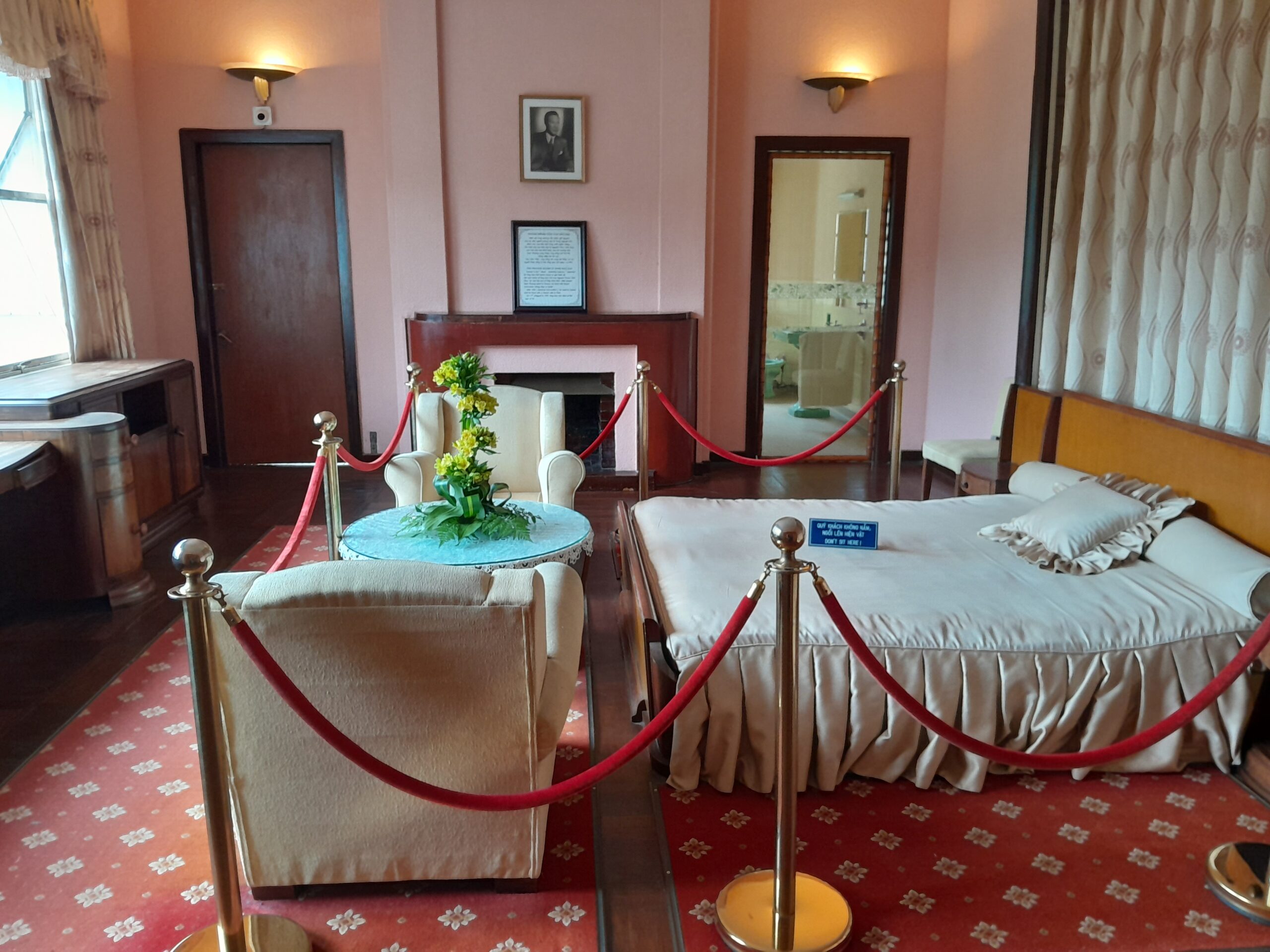
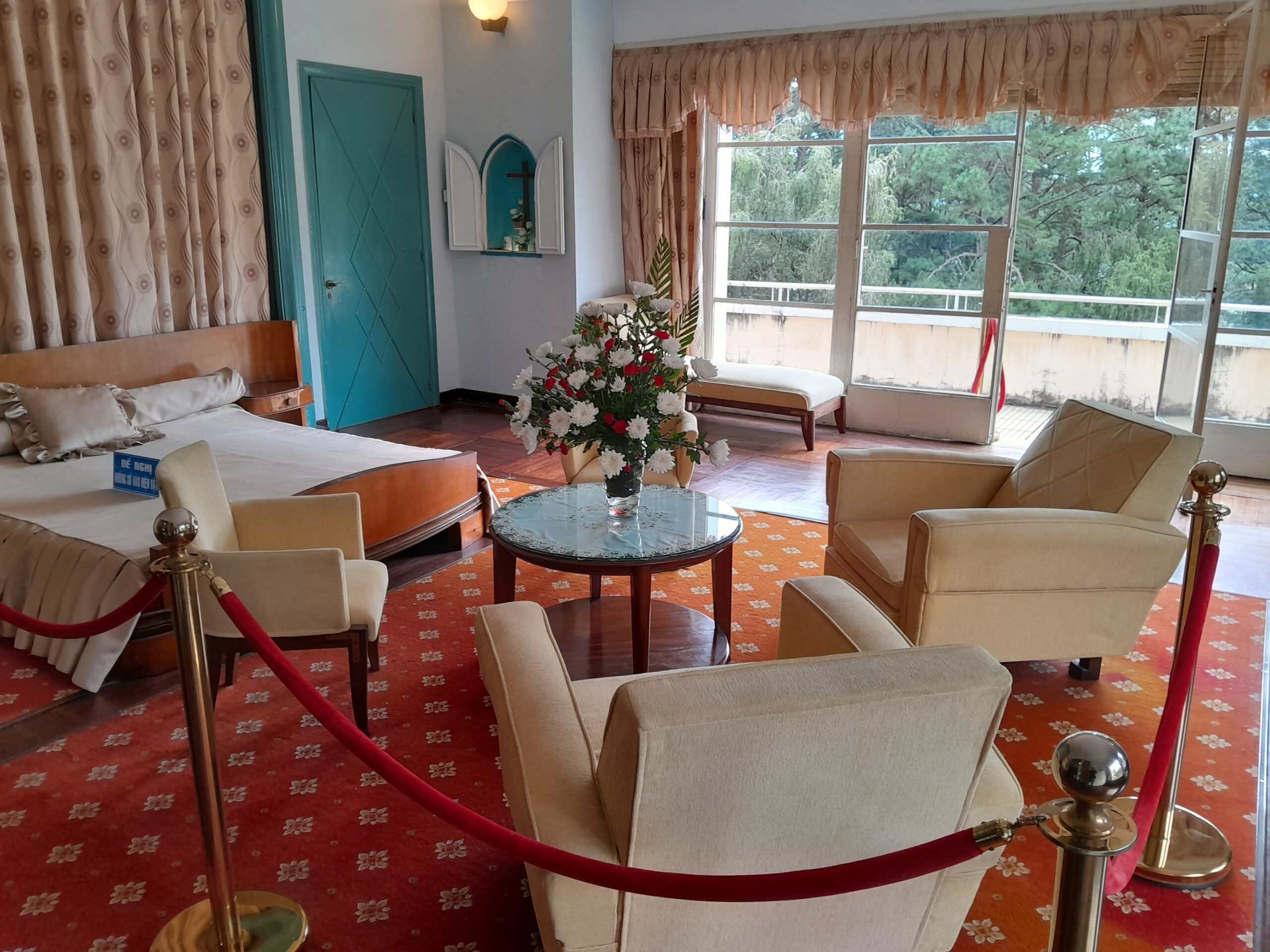
Upstairs are the bedrooms, for both family and guests. The Emperor’s bedroom is the largest, of course, and has a balcony where he and his wife could enjoy the moonlight at night. The eldest son gets a bedroom to himself, and the Emperor’s wife also gets a room of her own.
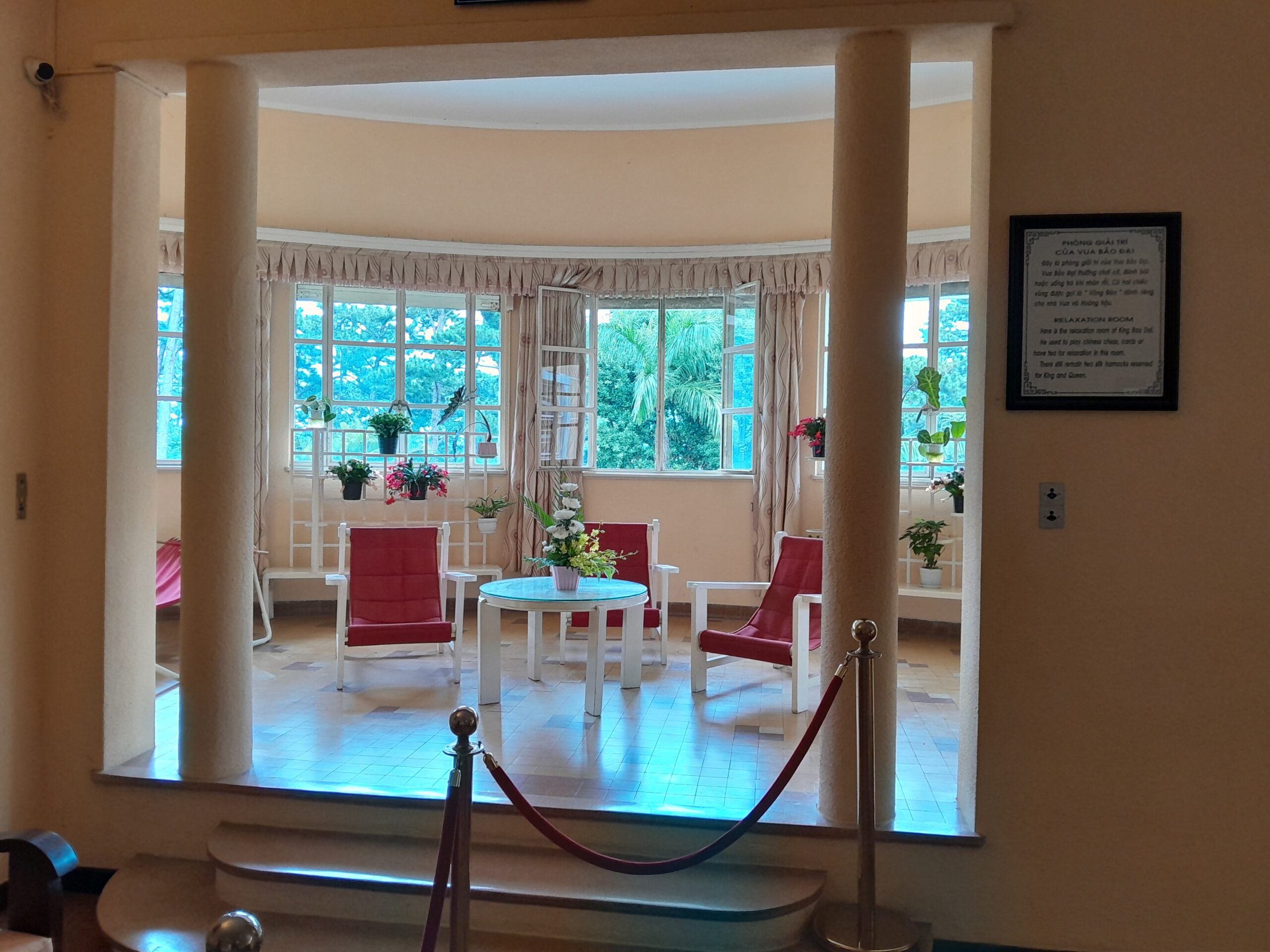
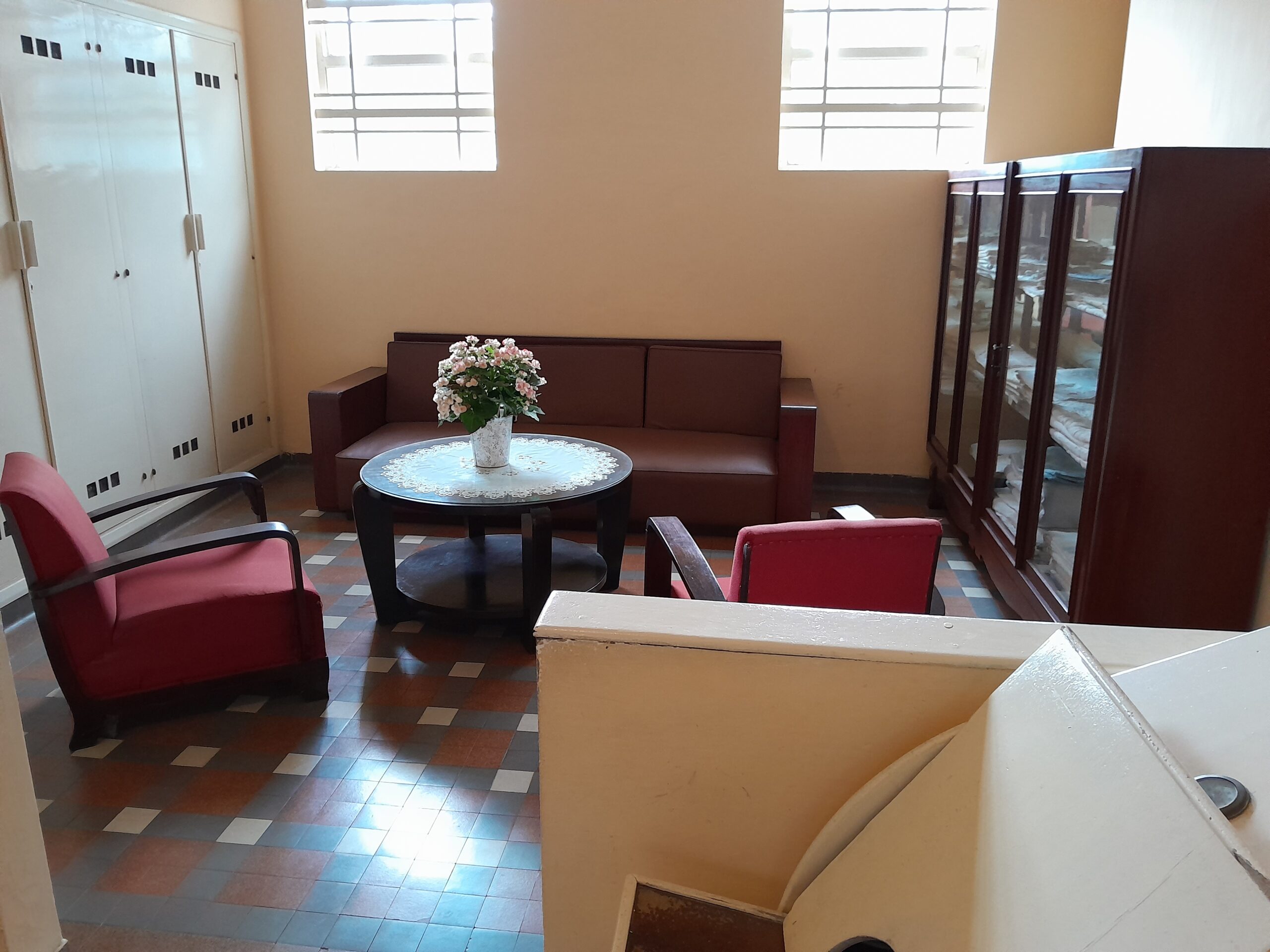
After exploring upstairs the route will lead you back down so you can exit back into the gardens. The gardens are worth exploring for a short time, and they include a small wooded area where visitors could sit in the shade.
It only takes around an hour or two to see the whole of the Palace grounds. Thankfully, there are some other places nearby where tourists can get food or continue to explore. As it was early in the day, I opted to go back toward the center of town and explore some more of Dalat’s art culture.