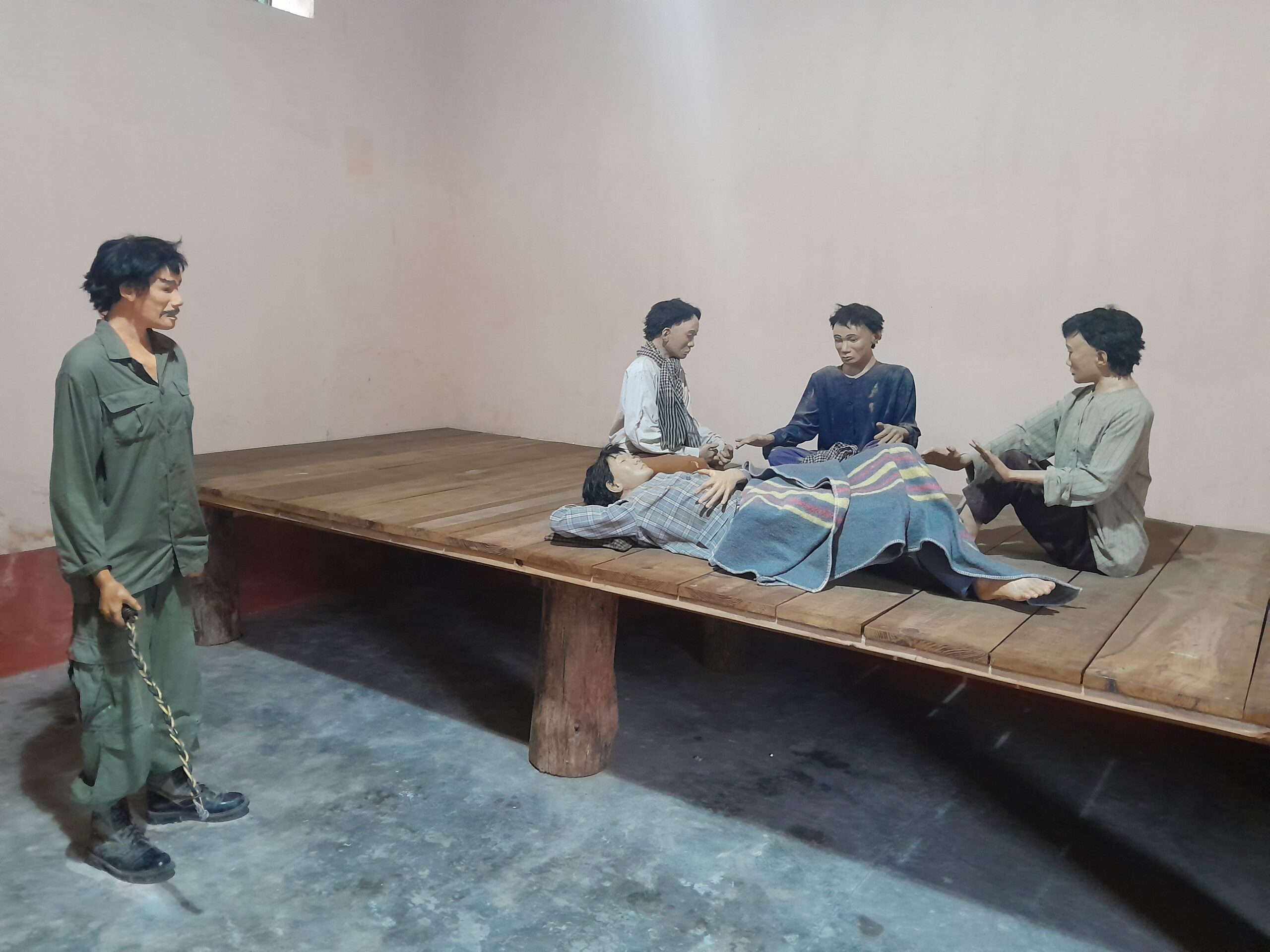

Dalat is known for its culture of art and creativity. But perhaps the most important place to visit in this city is the Youth Prison Museum. This place preserves the brutal history of how young children loyal to their country were treated during the war.
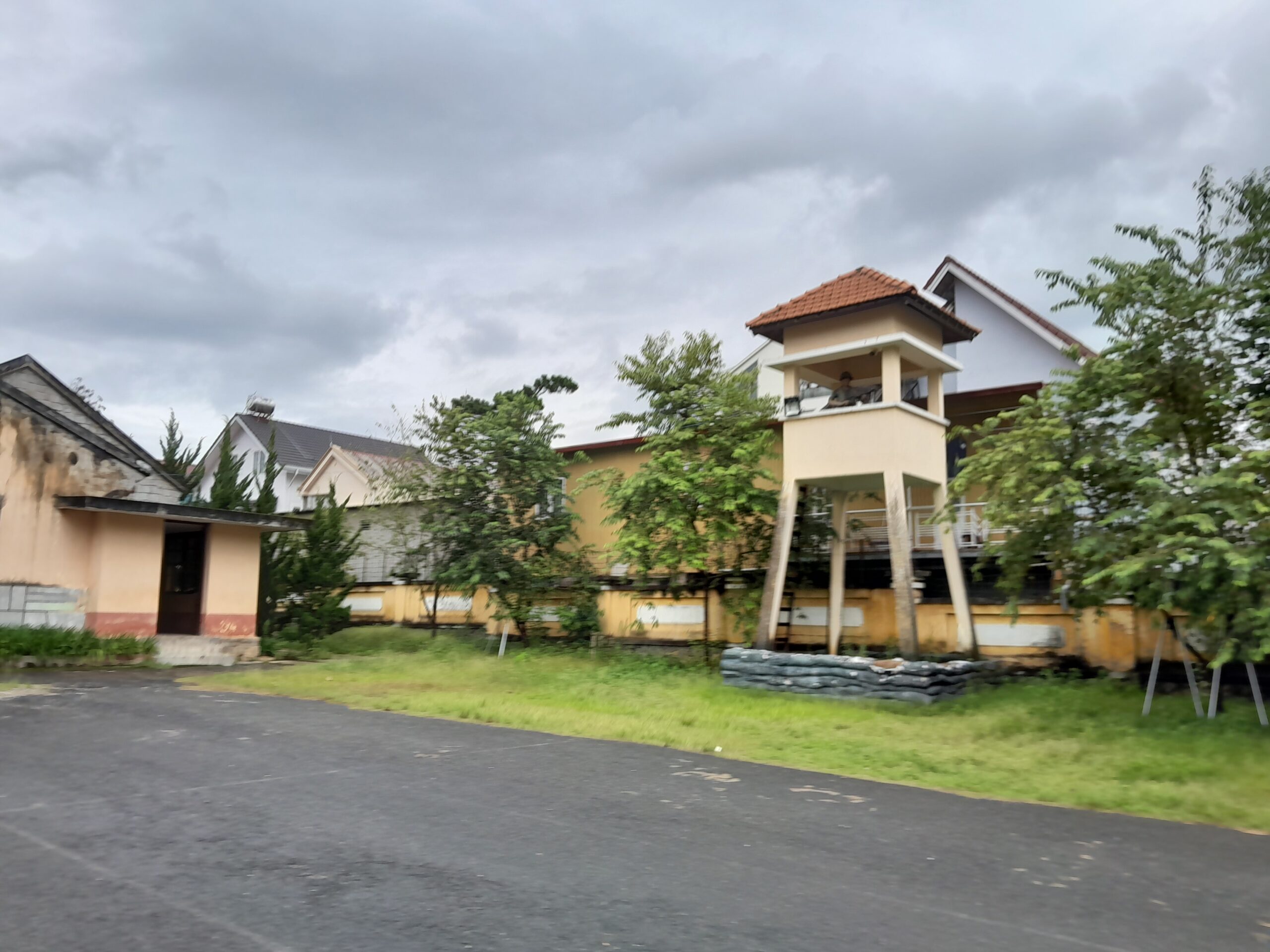
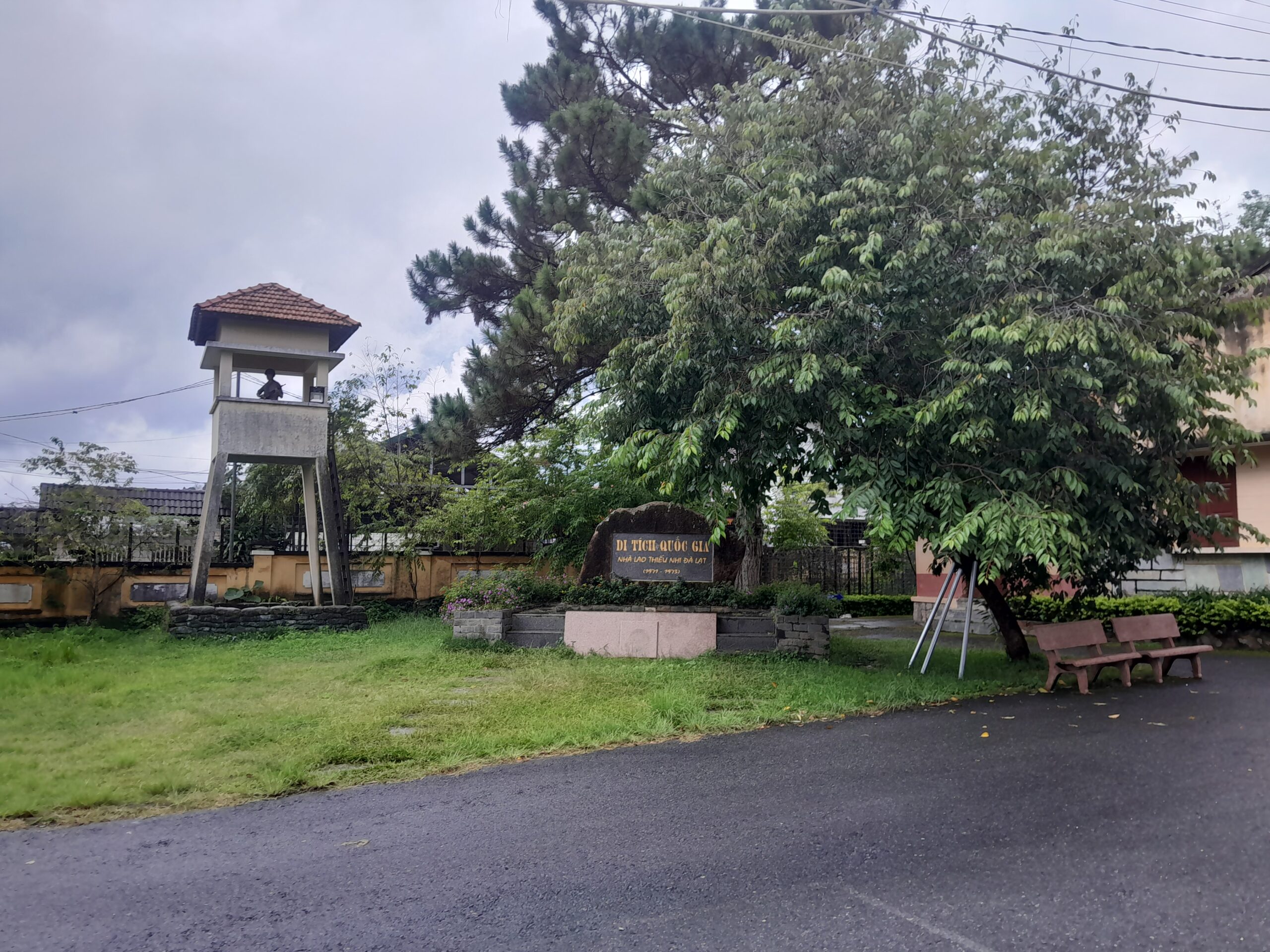
To the north of the city you will find the Dalat Youth Prison Museum. Hidden within plain buildings and ordinary streets, it seems like a quiet place that not many people visit. But as you approach the building you see two guard towers protecting the site, each manned by a rifle-armed guard.
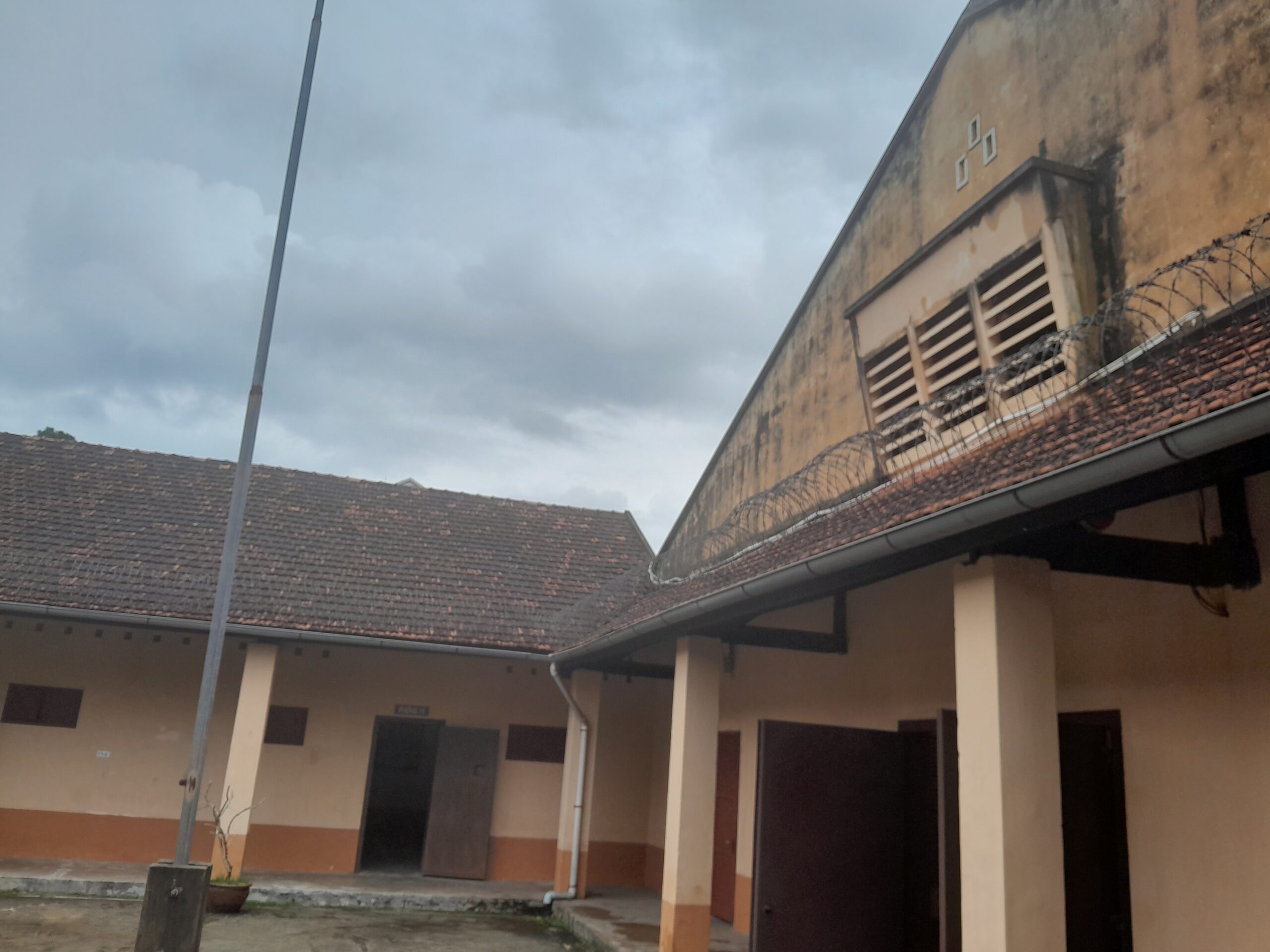
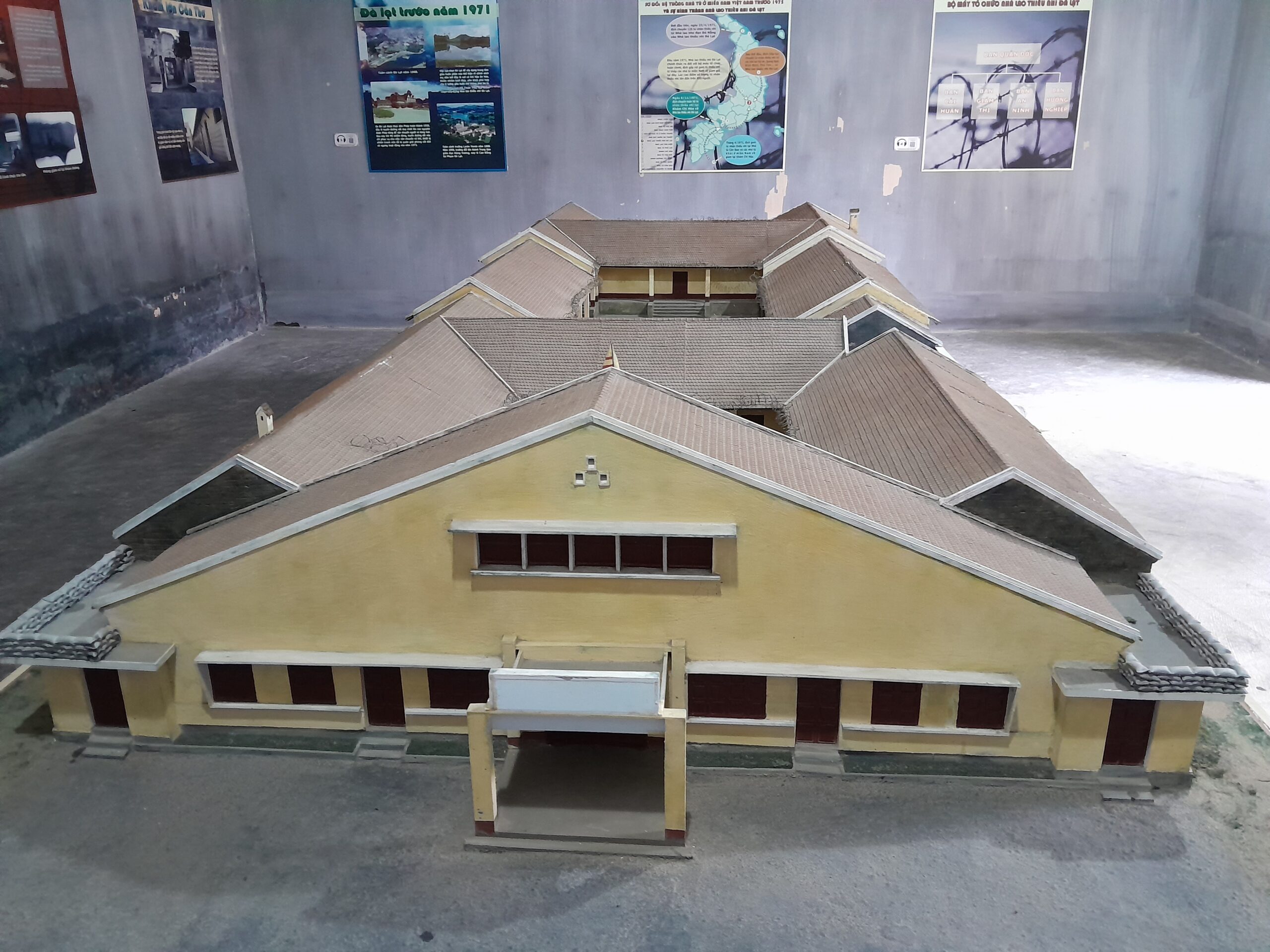
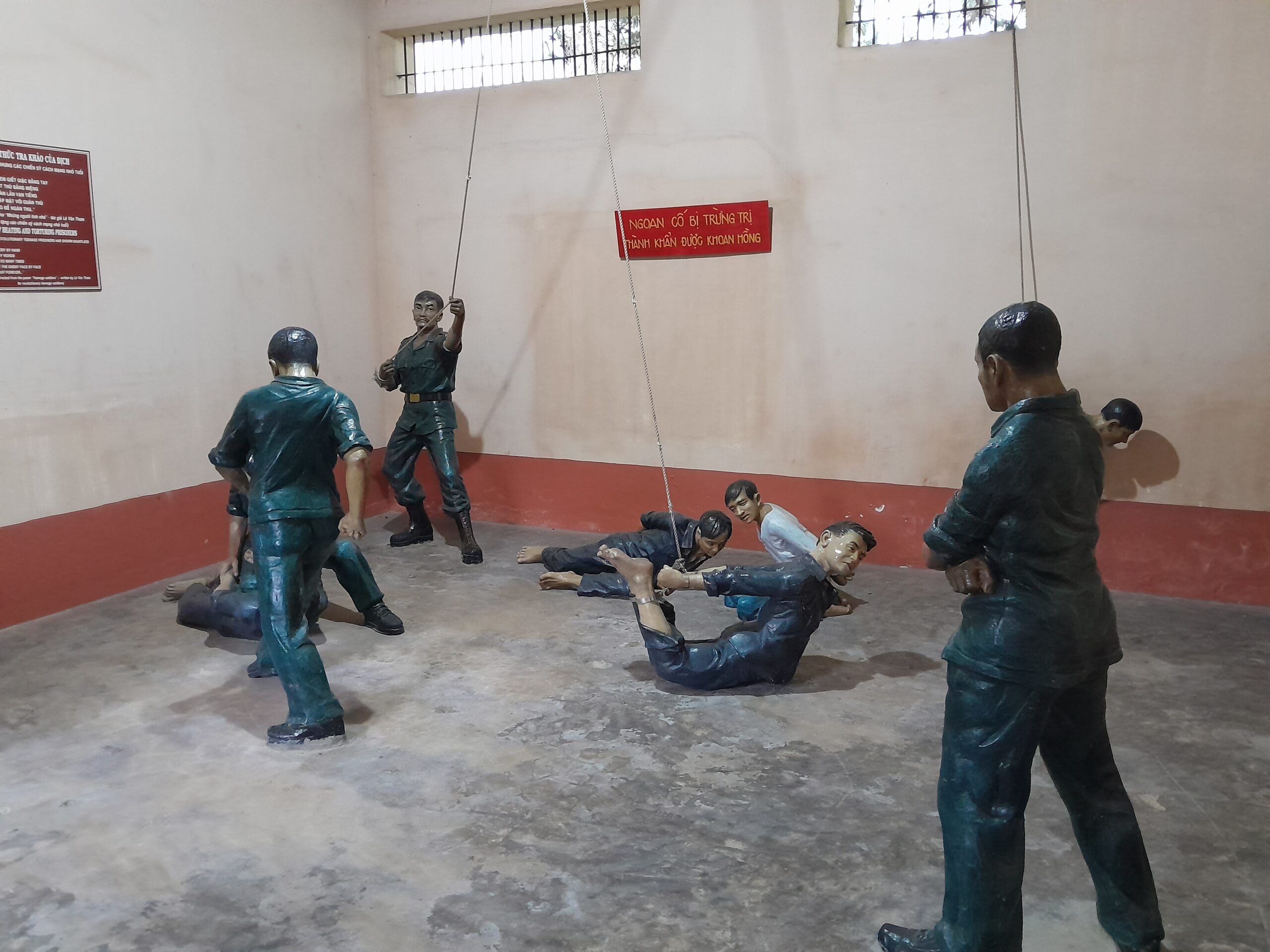
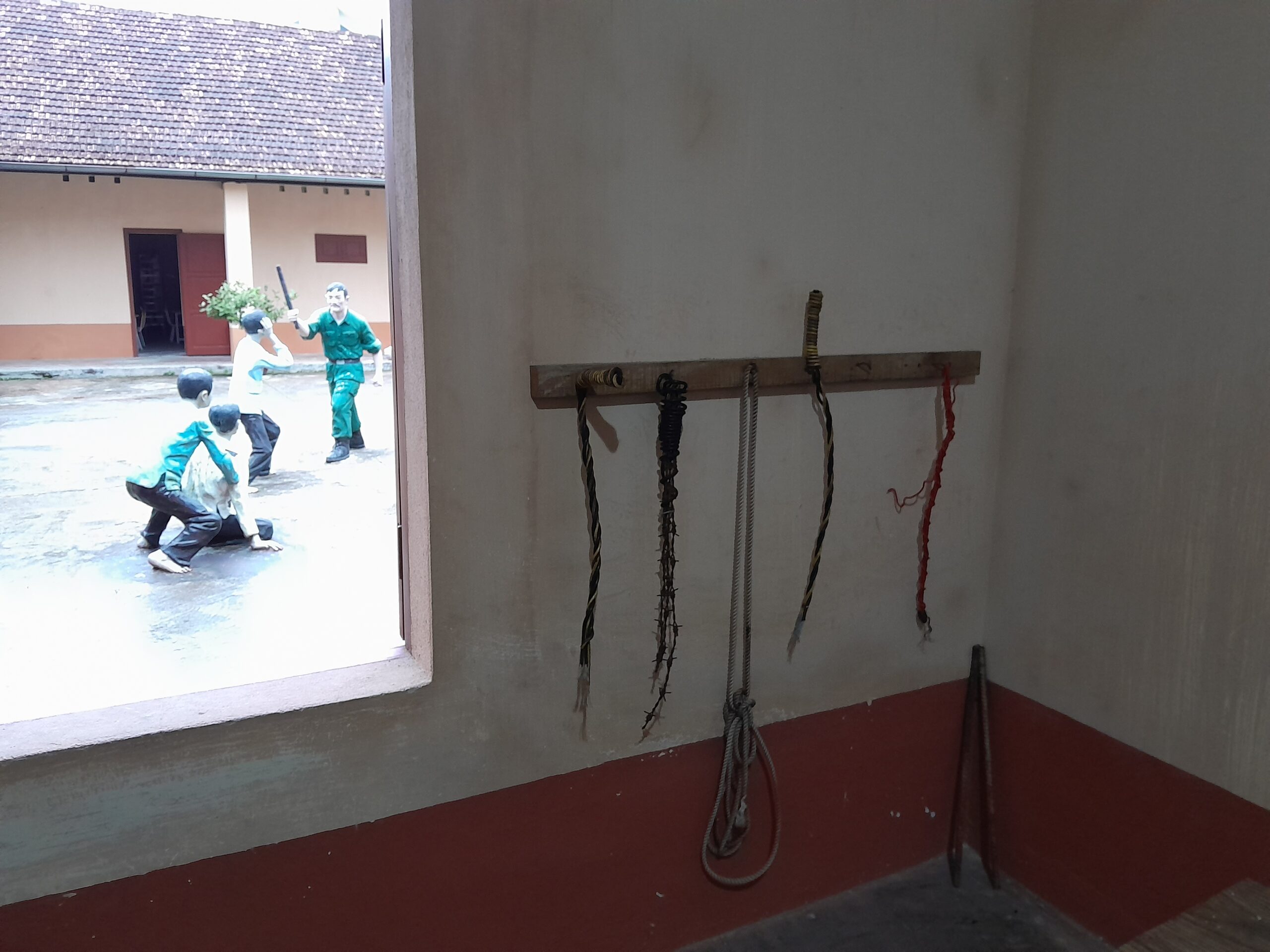
The guards are mannequins today, but it still creates the ominous atmosphere this place deserves. This is a prison, designed to keep people out just as much as it was designed to keep people inside. Nowadays, it is a museum, here to preserve a dark part of Vietnamese history. It costs a small amount to enter (around 15,000 VND when I visited). There’s also an audio tour available, which I highly recommend.
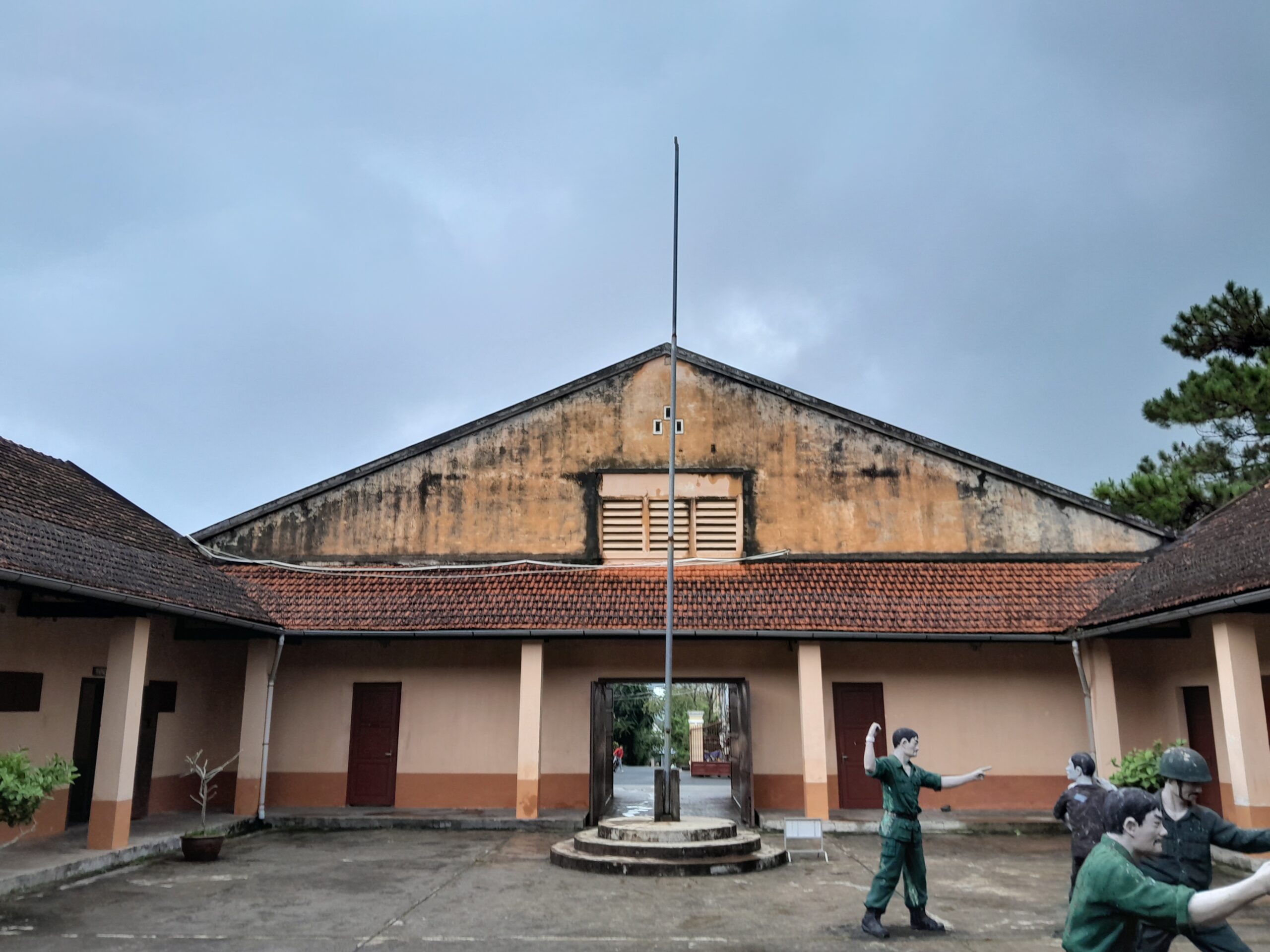
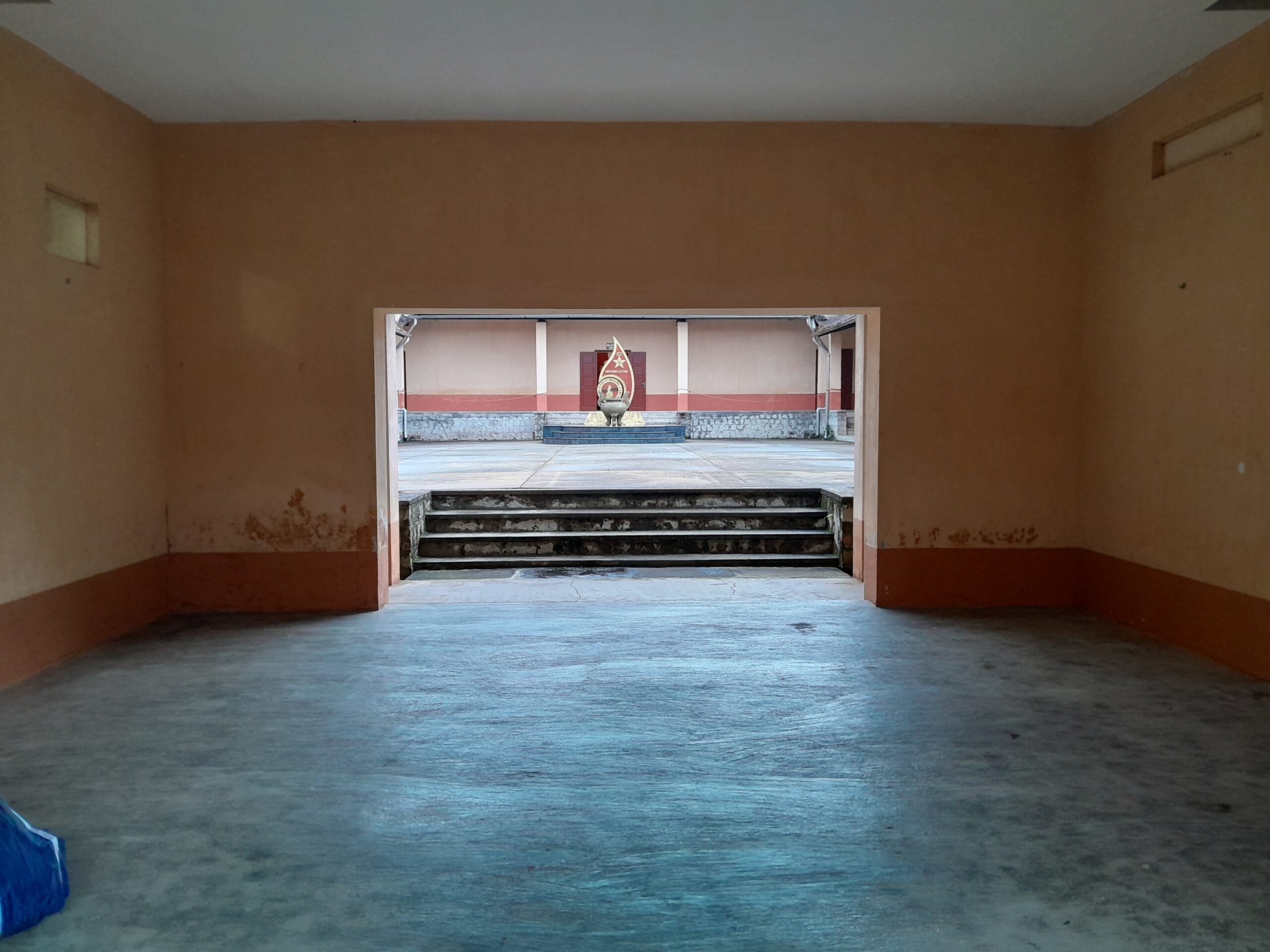
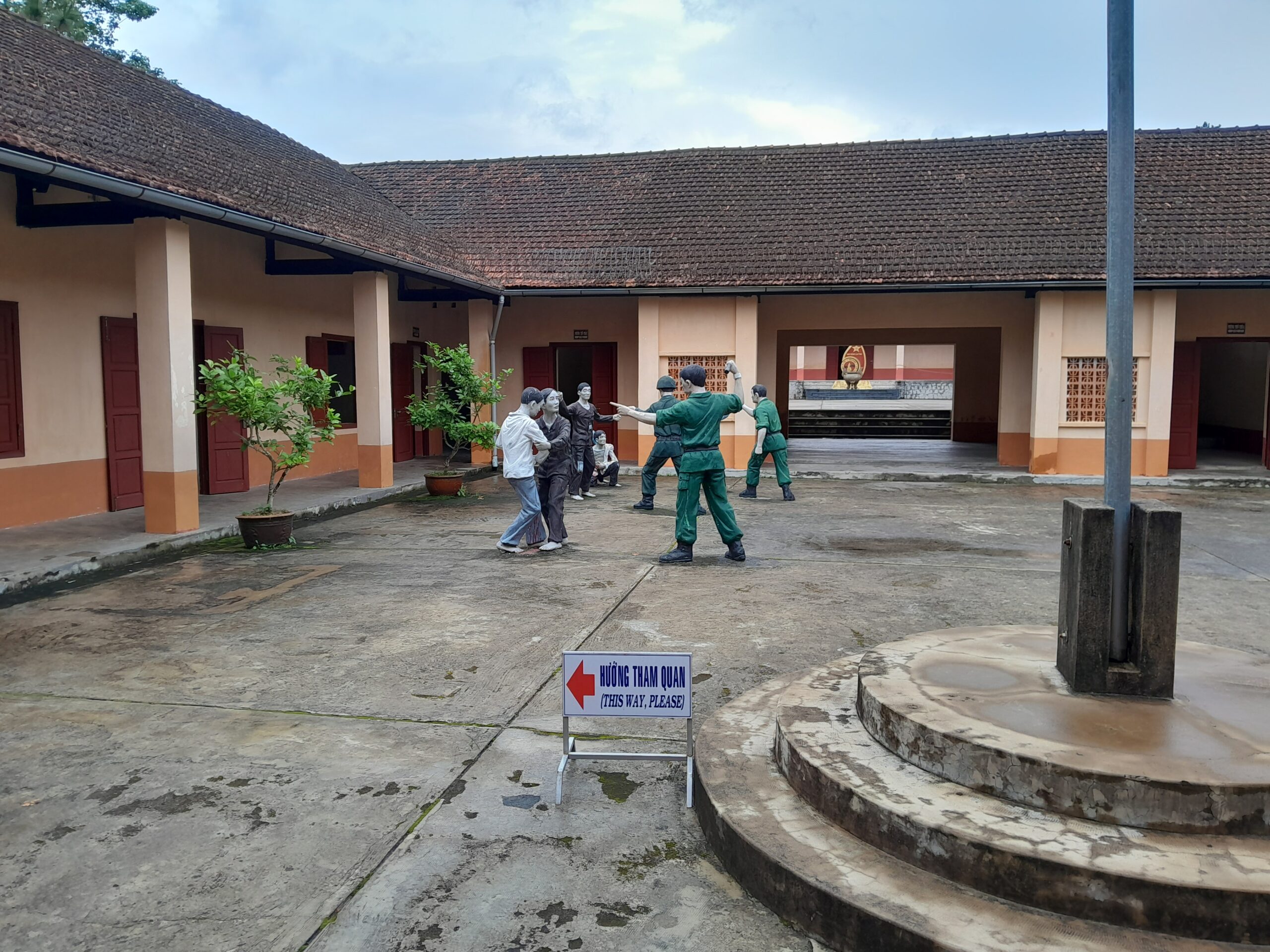
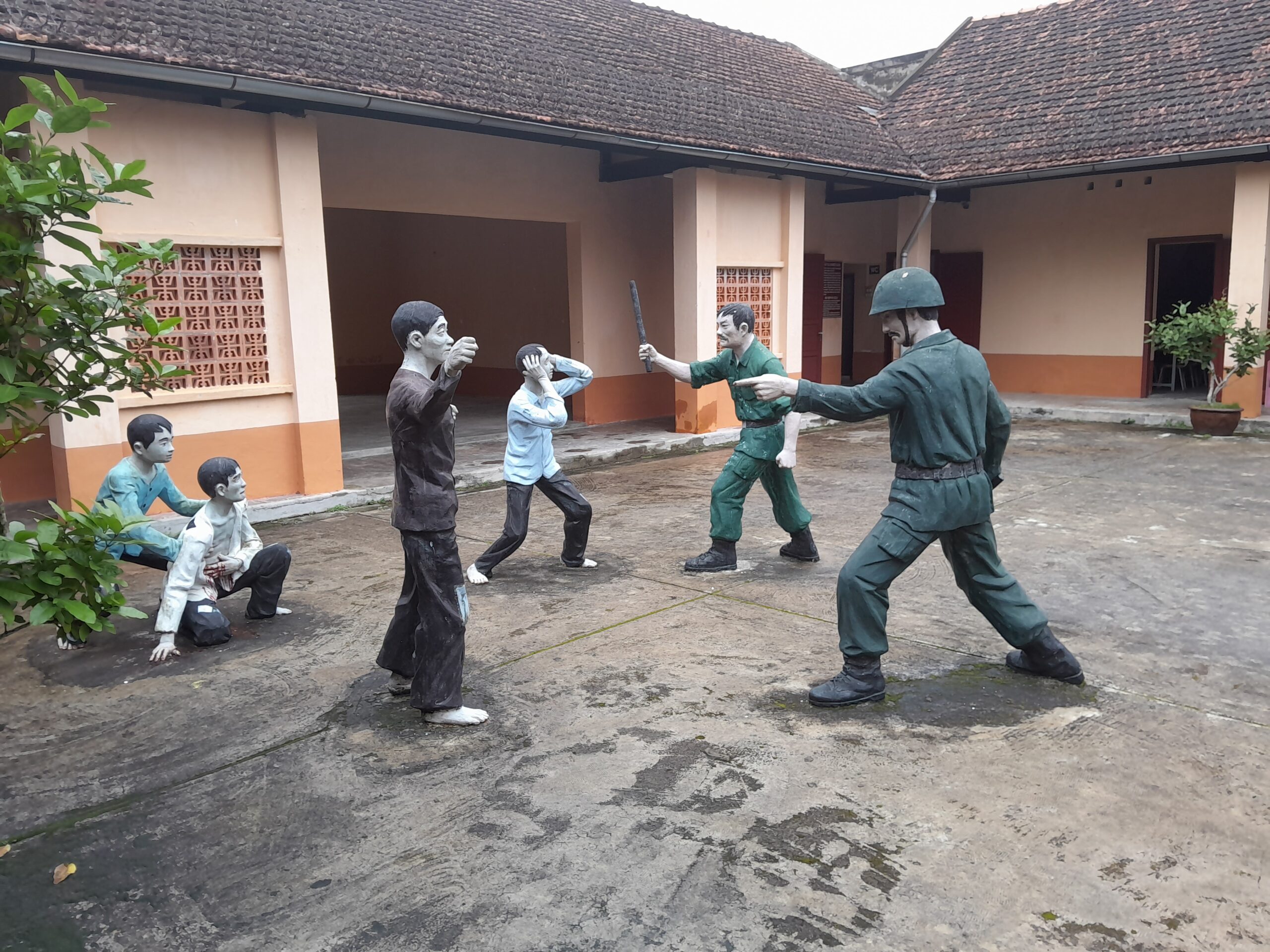
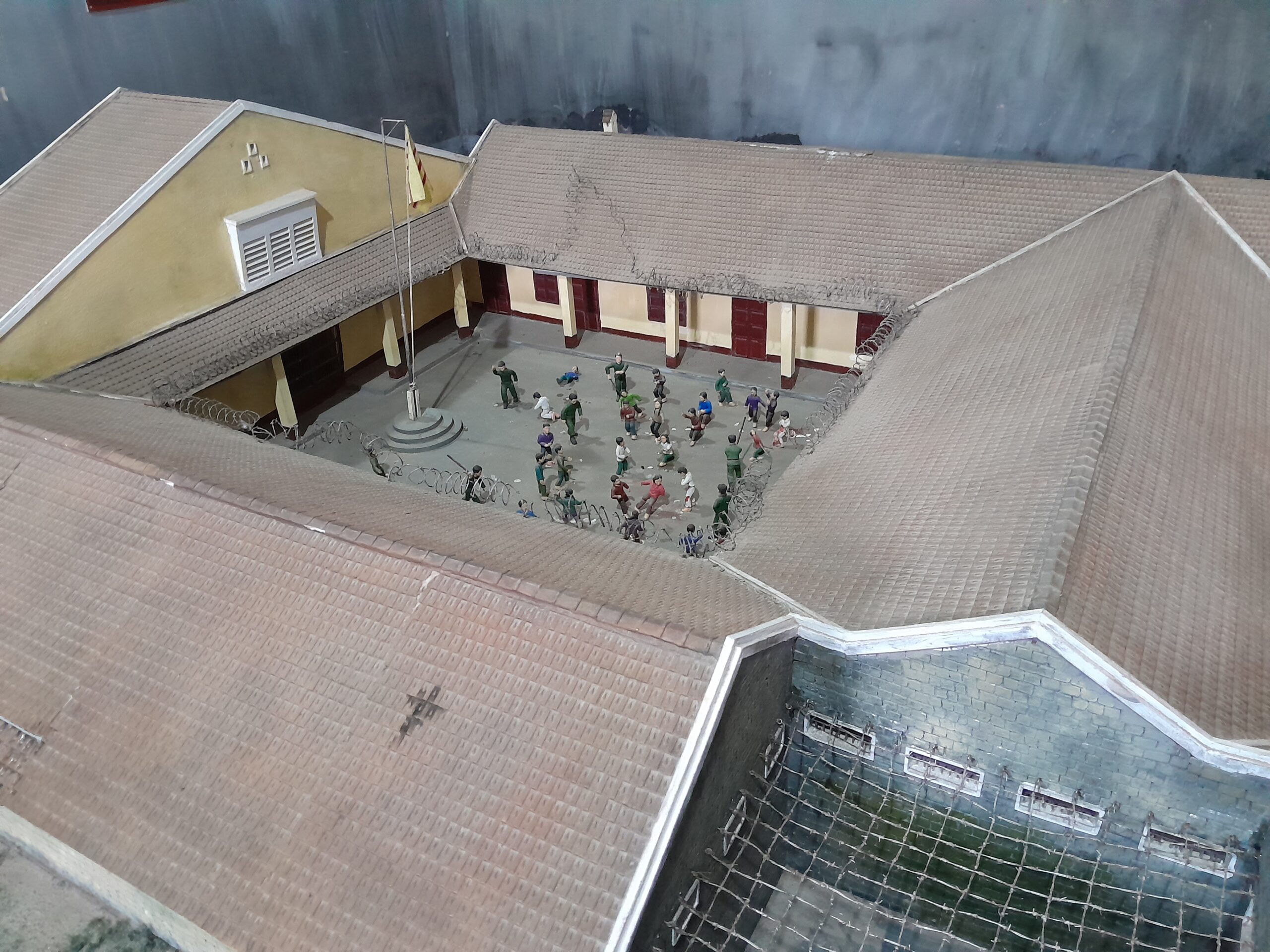
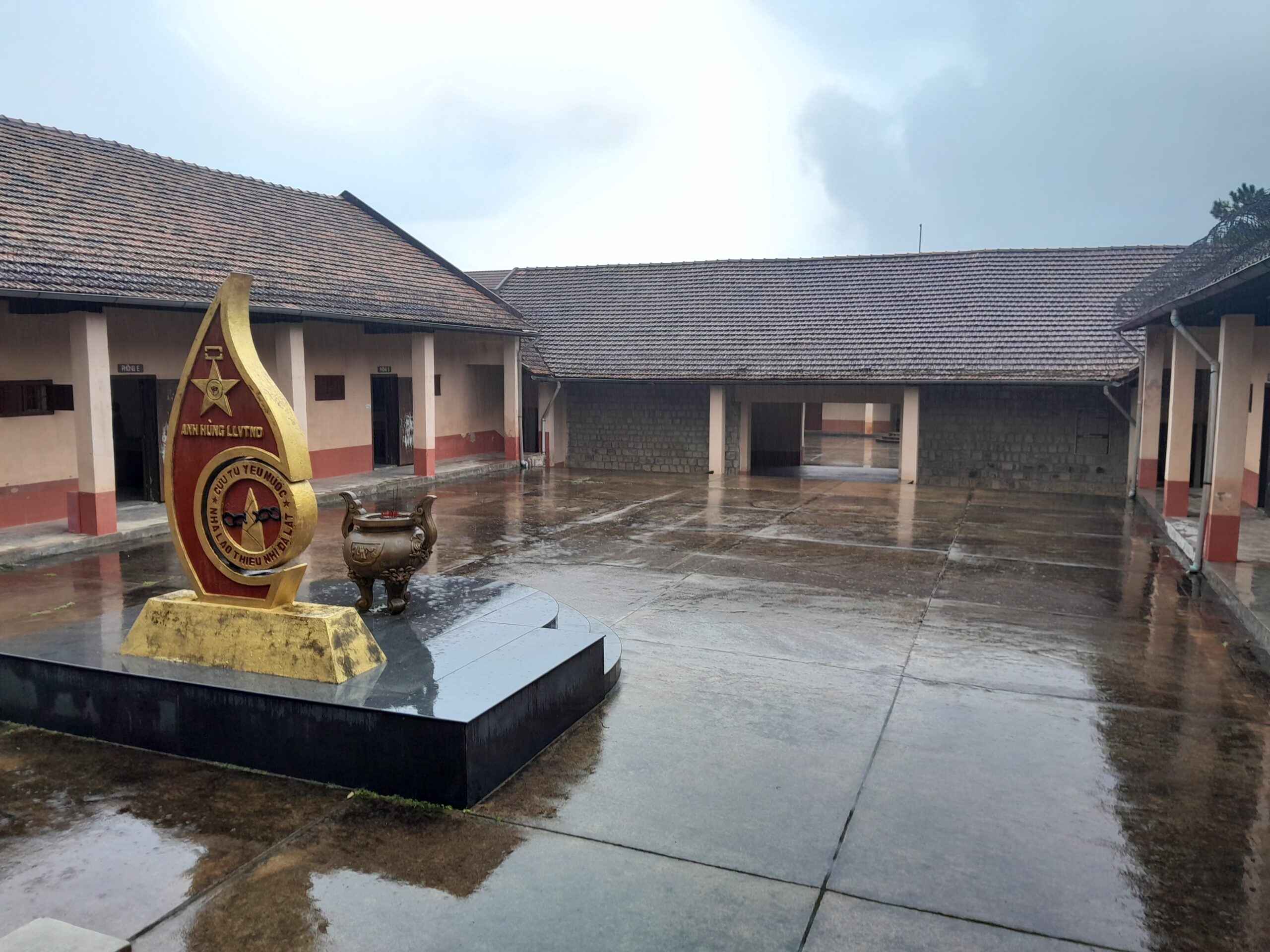
Inside the main square the museum immediately set the scene. Vietnamese teenagers being set upon by South Vietnamese guards armed with batons. Officially this was a re-education facility. In reality it was a place where they tortured children.
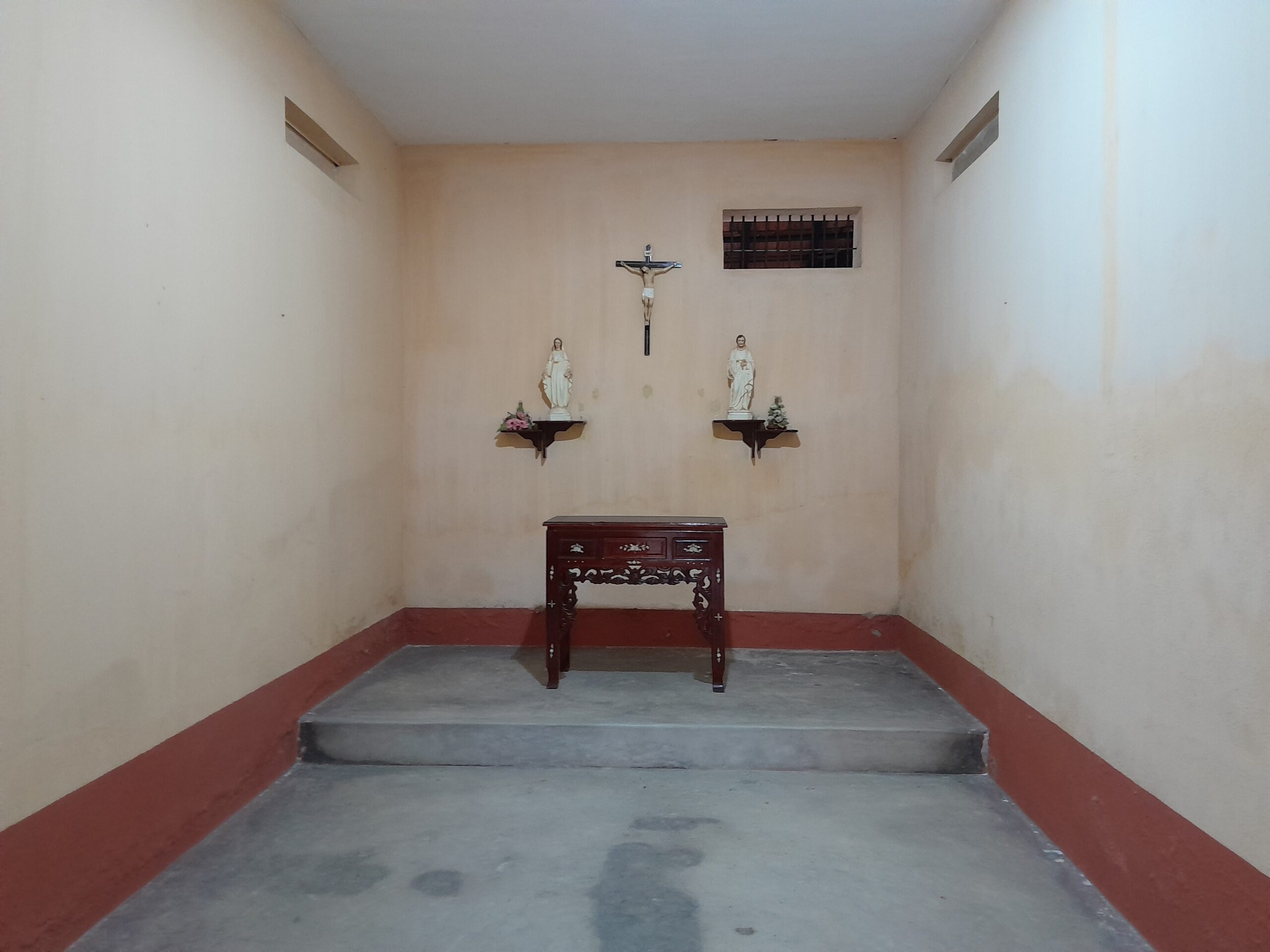
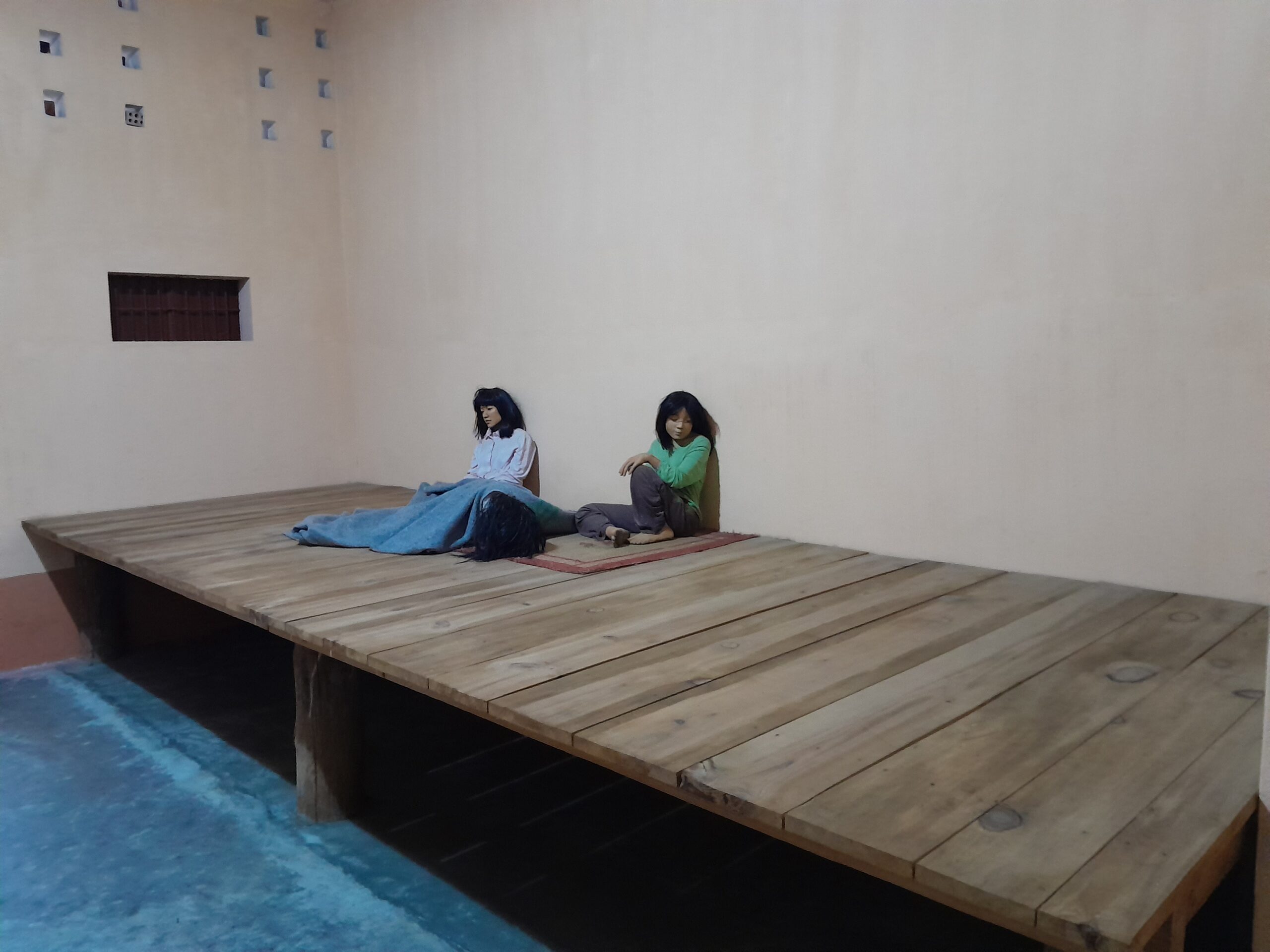
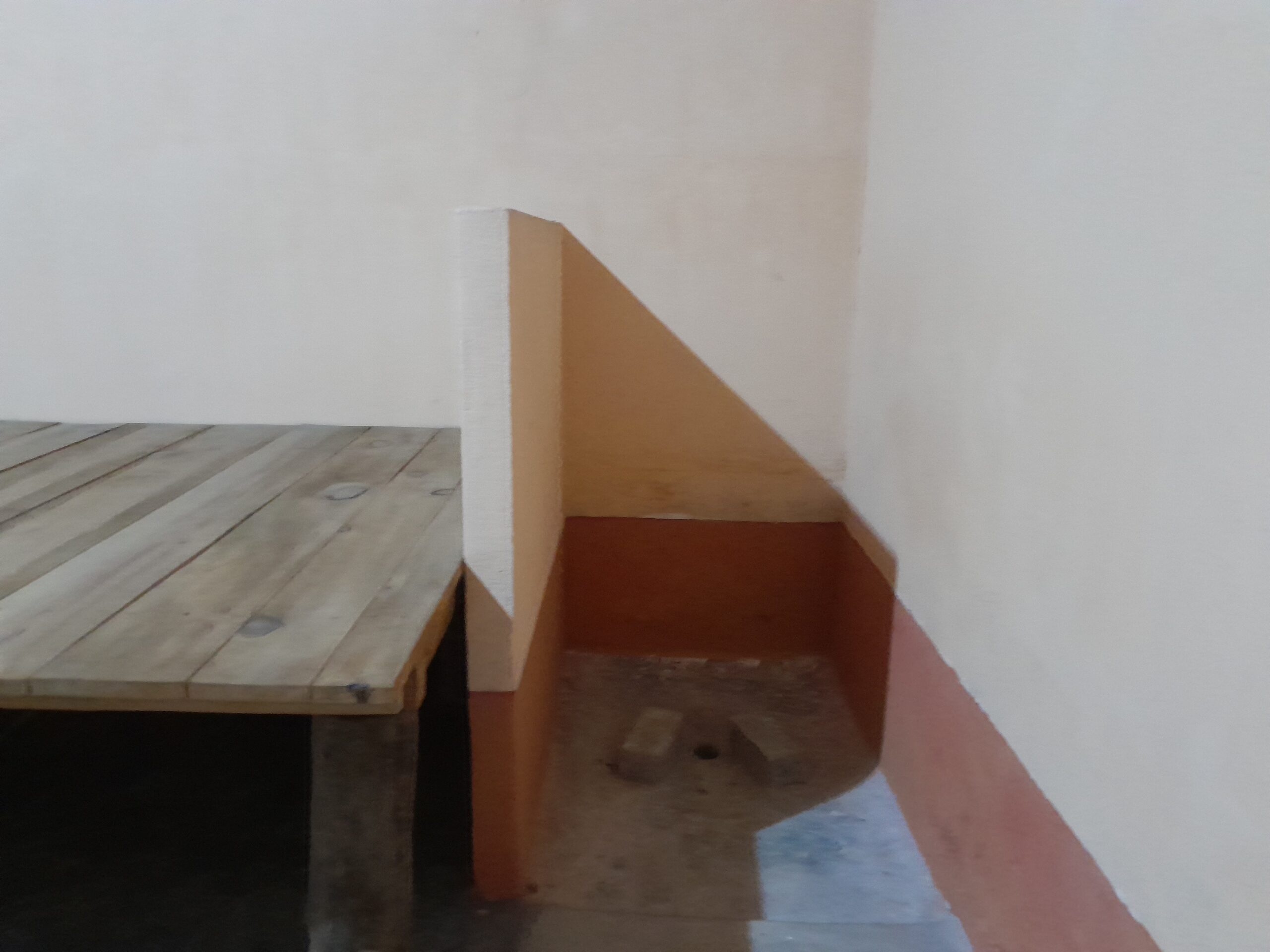
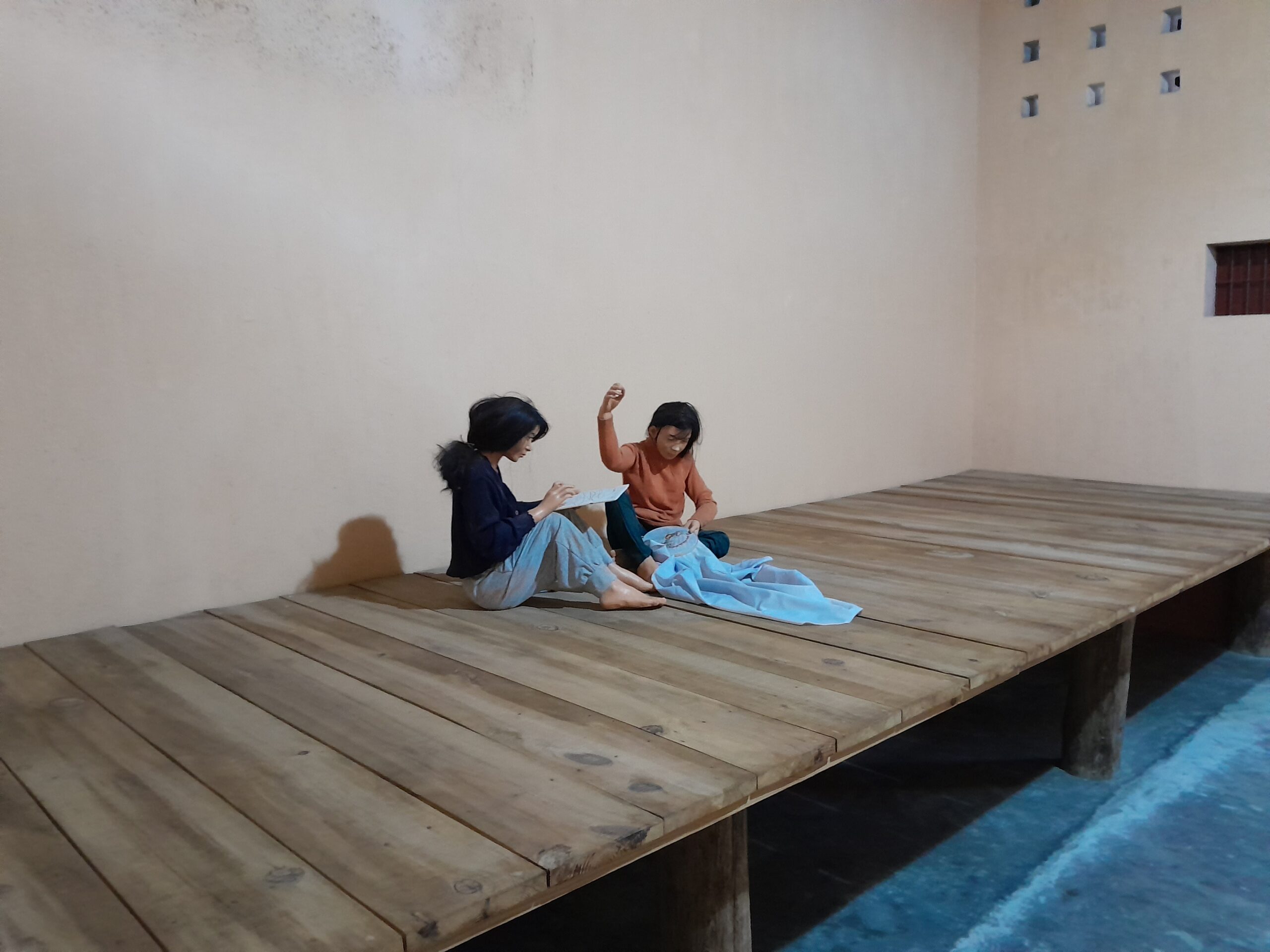
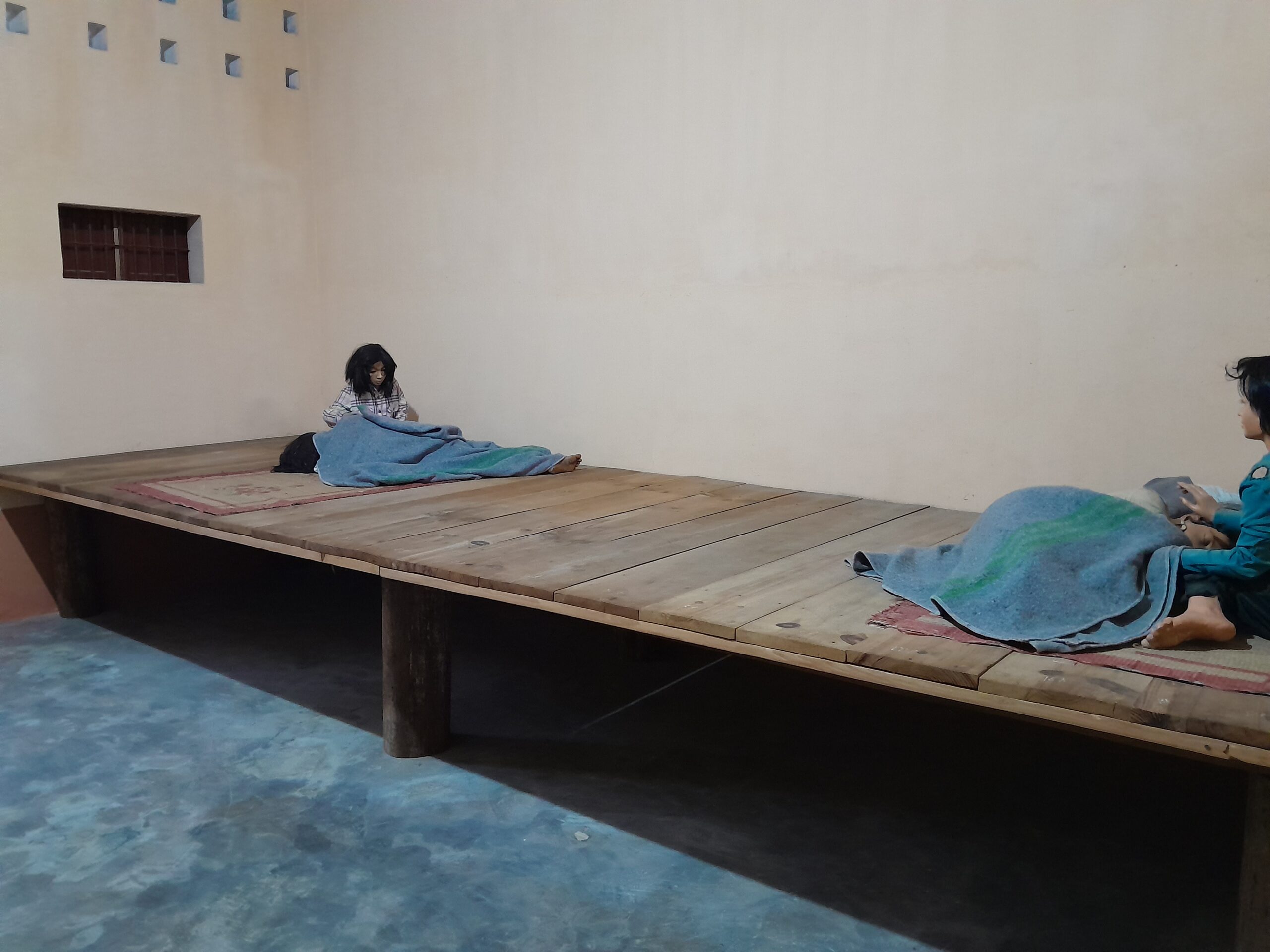
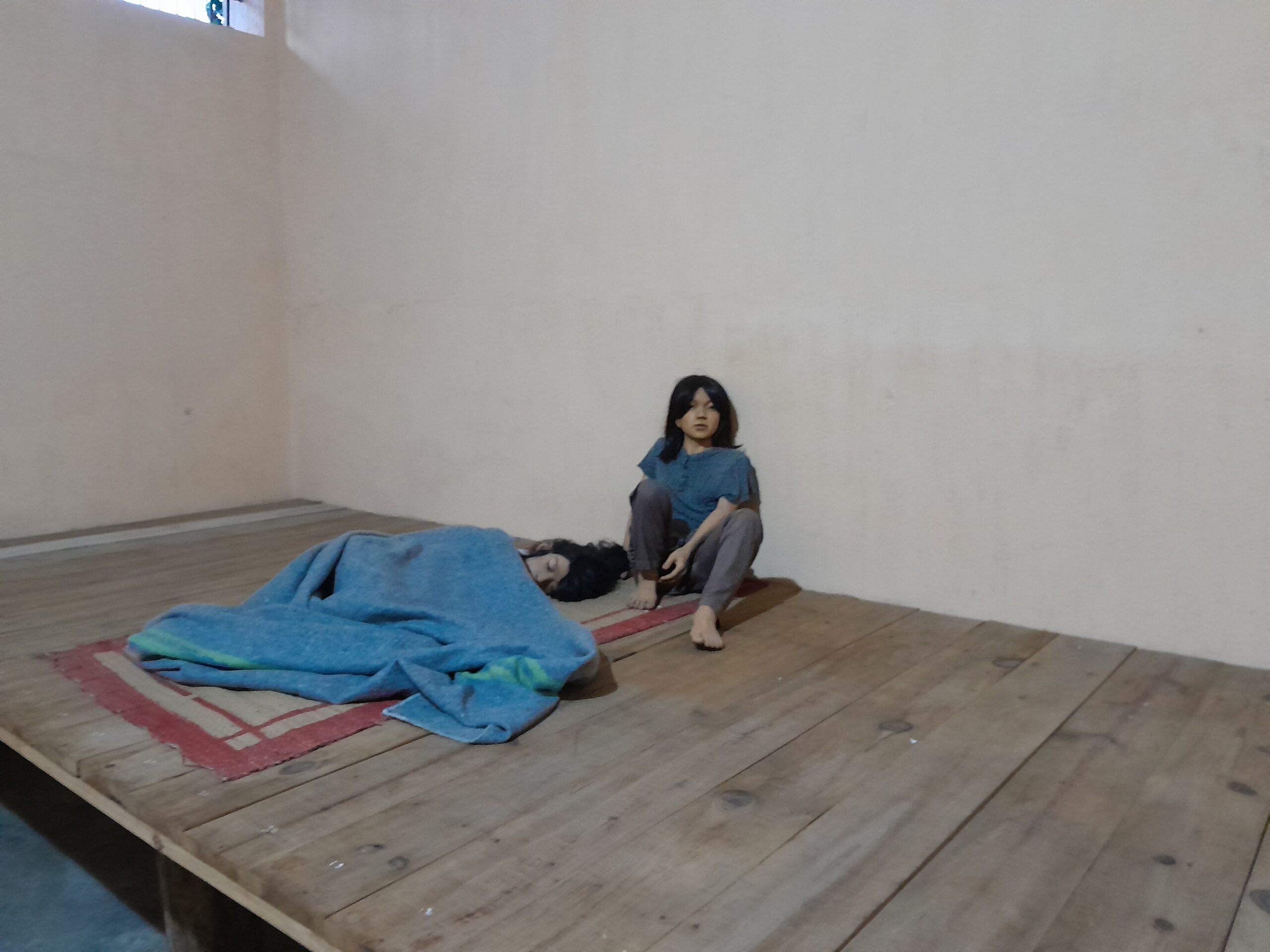
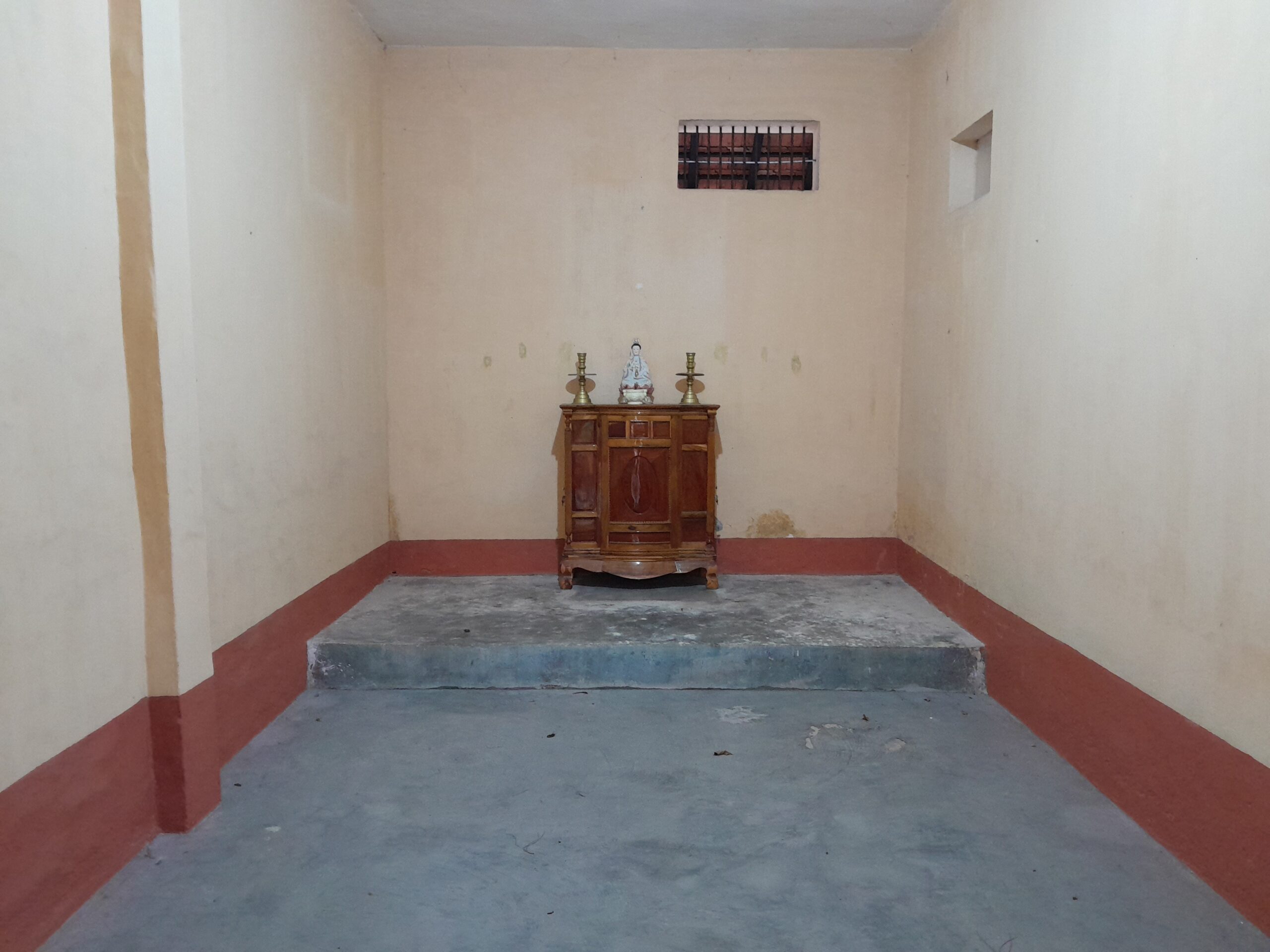
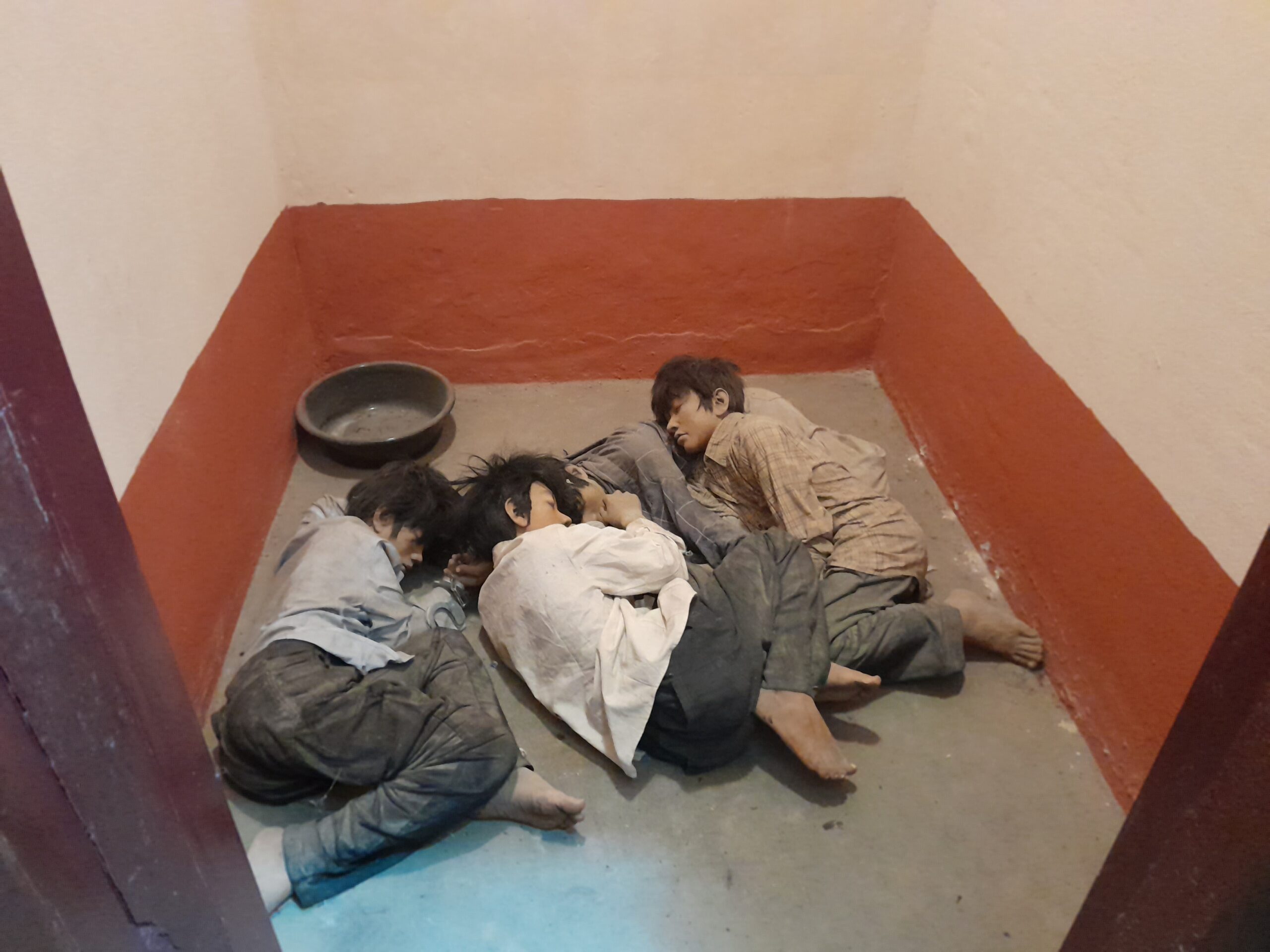
As I progressed through the museum I saw depicted the various ways in which they attempted to break the children. They would leave them outside in the hot sun with no shelter, stringing them up by their ankles and leaving them to hang, or locking them in small cells with no sunlight for days on end. While these exhibits aren’t explicitly gory, it’s still disturbing to see the way the children were treated.
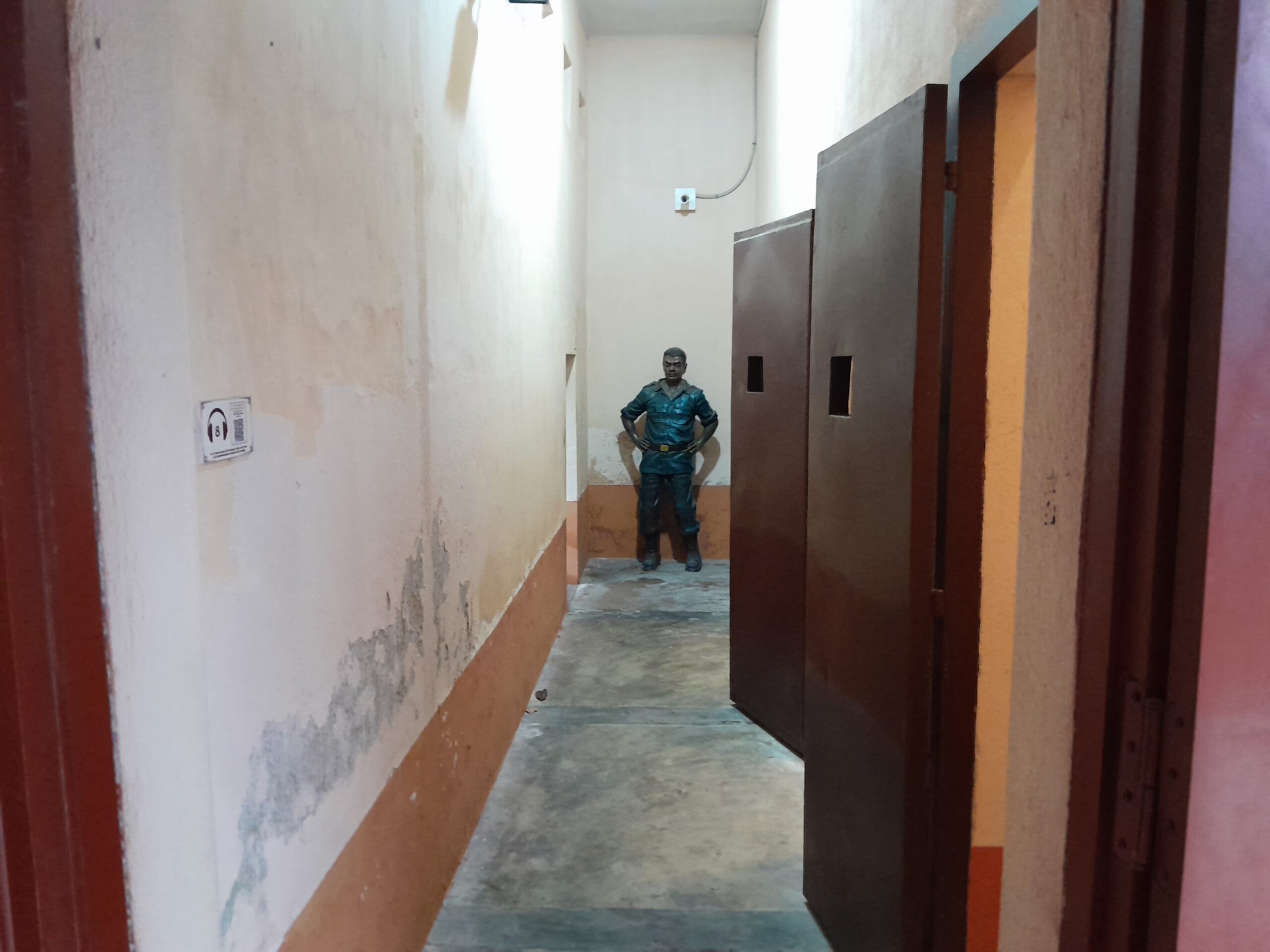
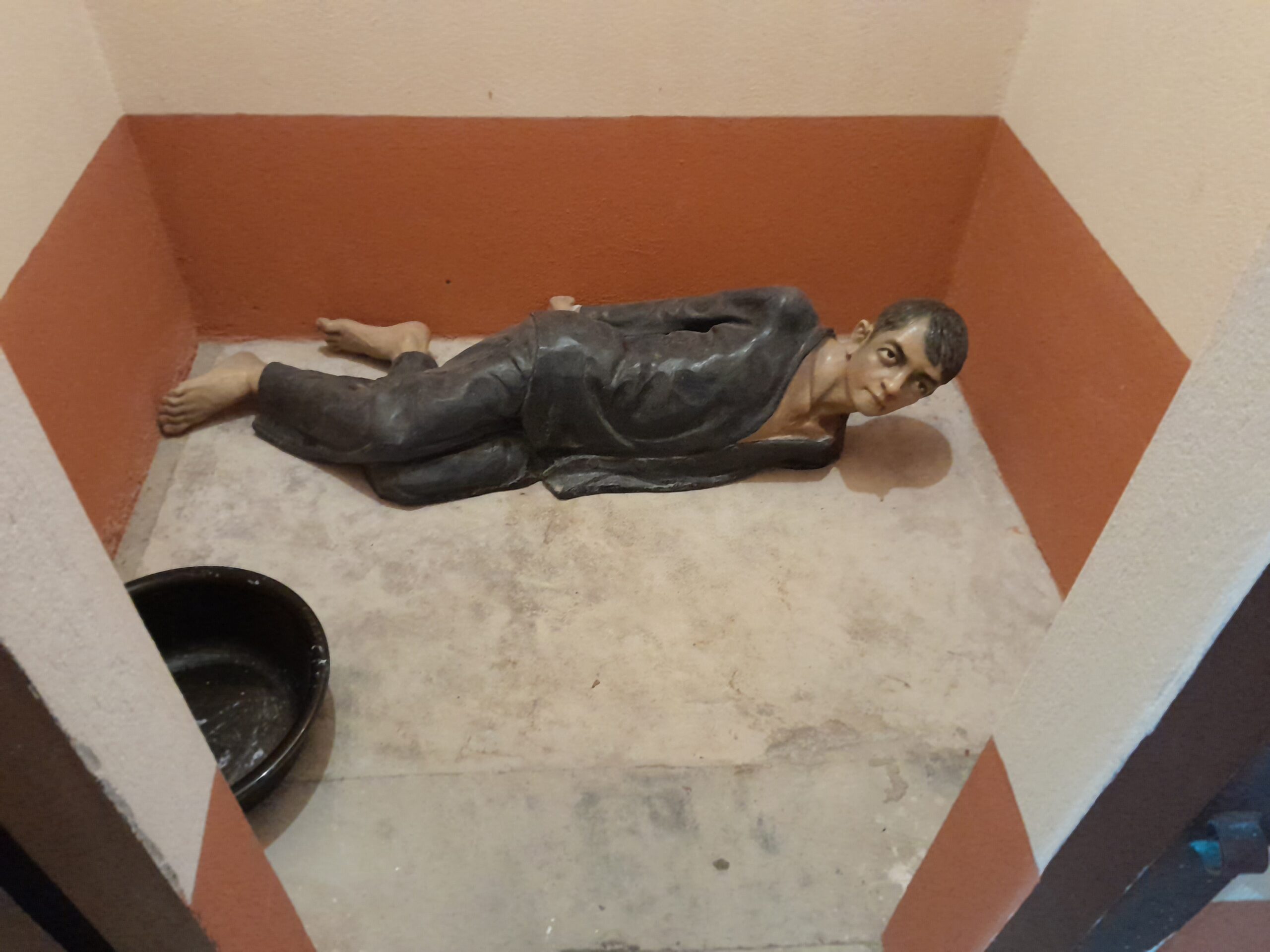
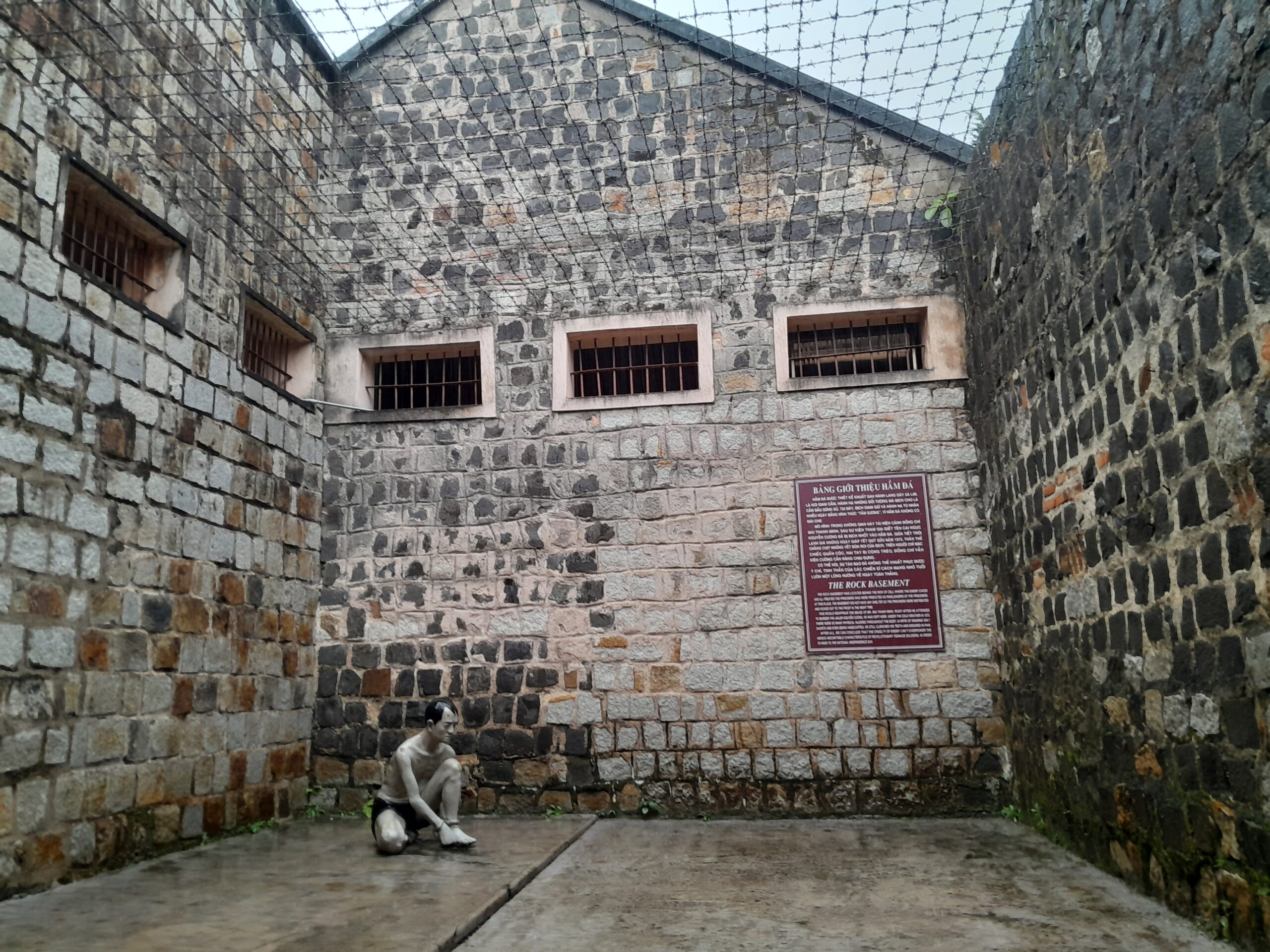
I saw the “beds” they were forced to sleep on – large wooden floors with a few blankets to keep themselves warm at night. These places would be cramped and uncomfortable, and likely lead to sleep deprivation. Even as someone who is used to sleeping rough, it seemed barbaric to force children to sleep this way.
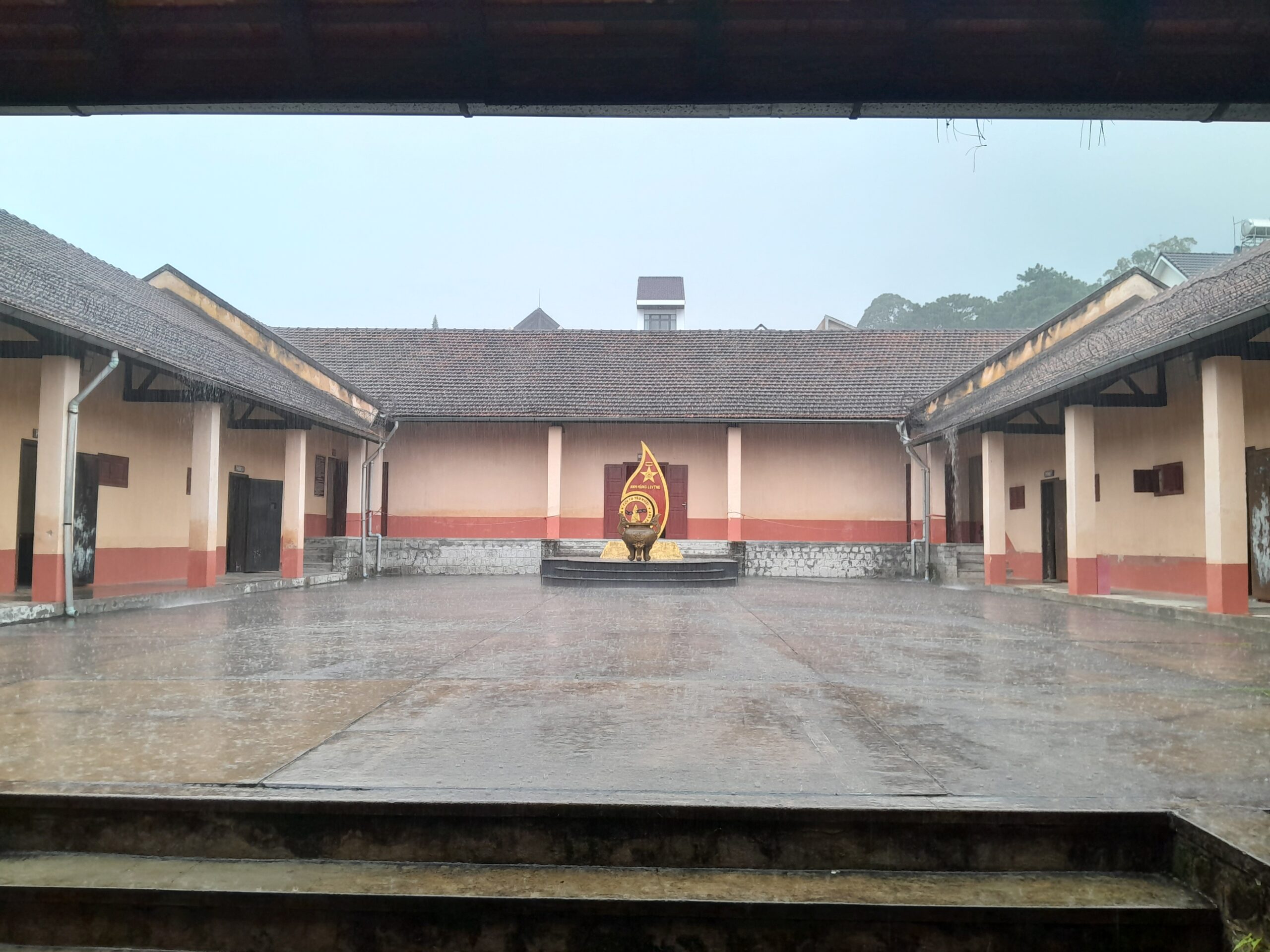
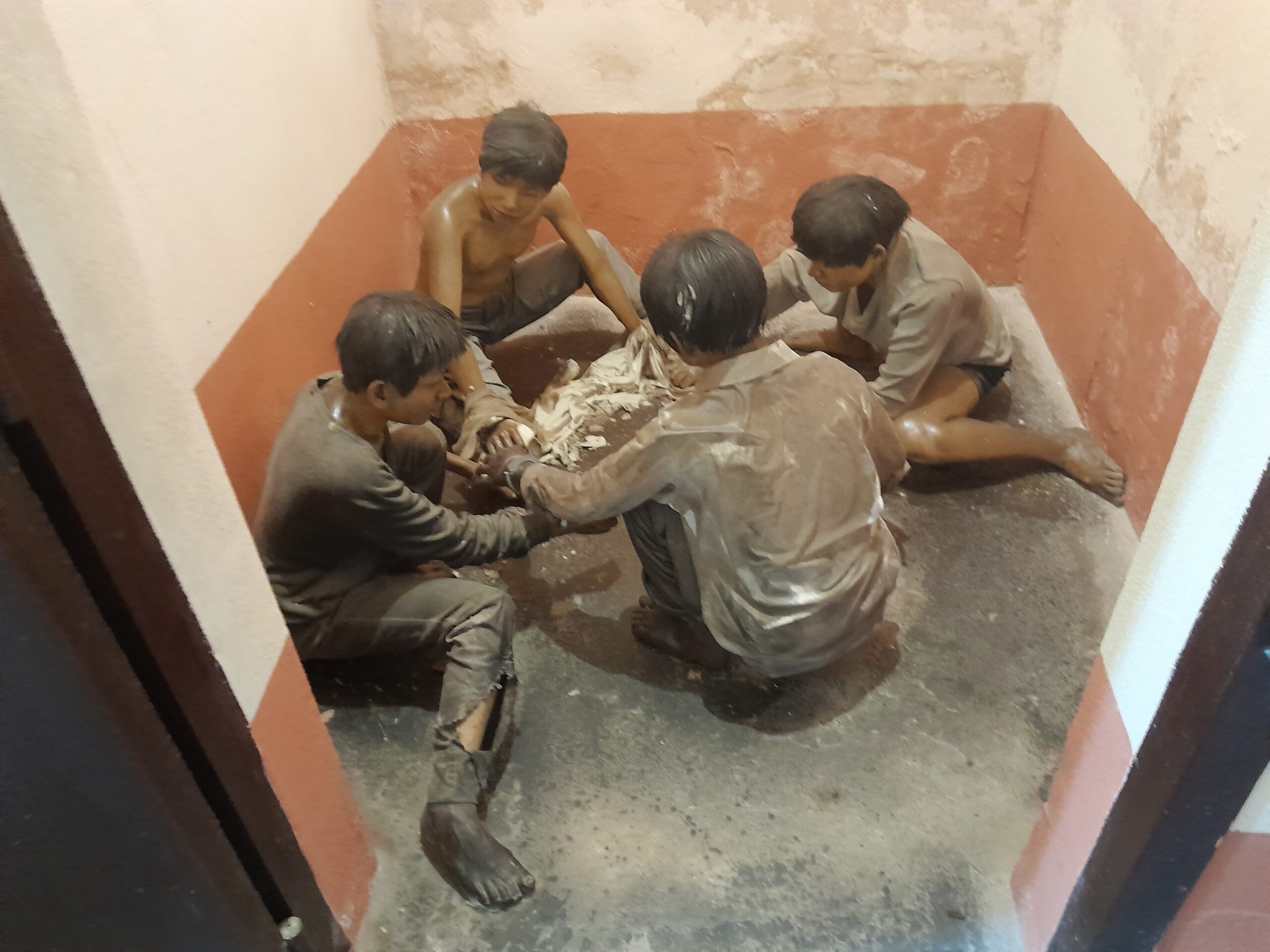
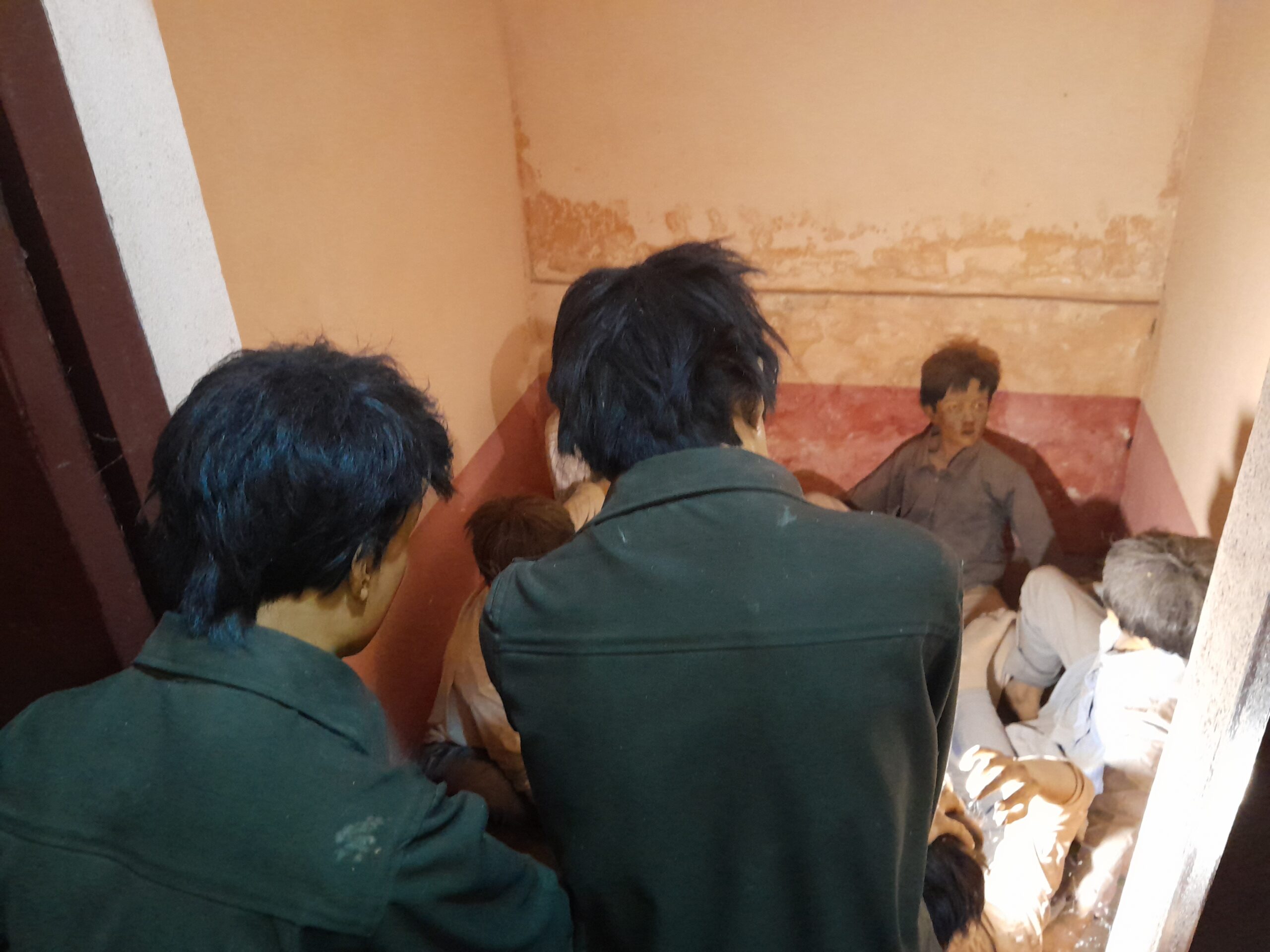
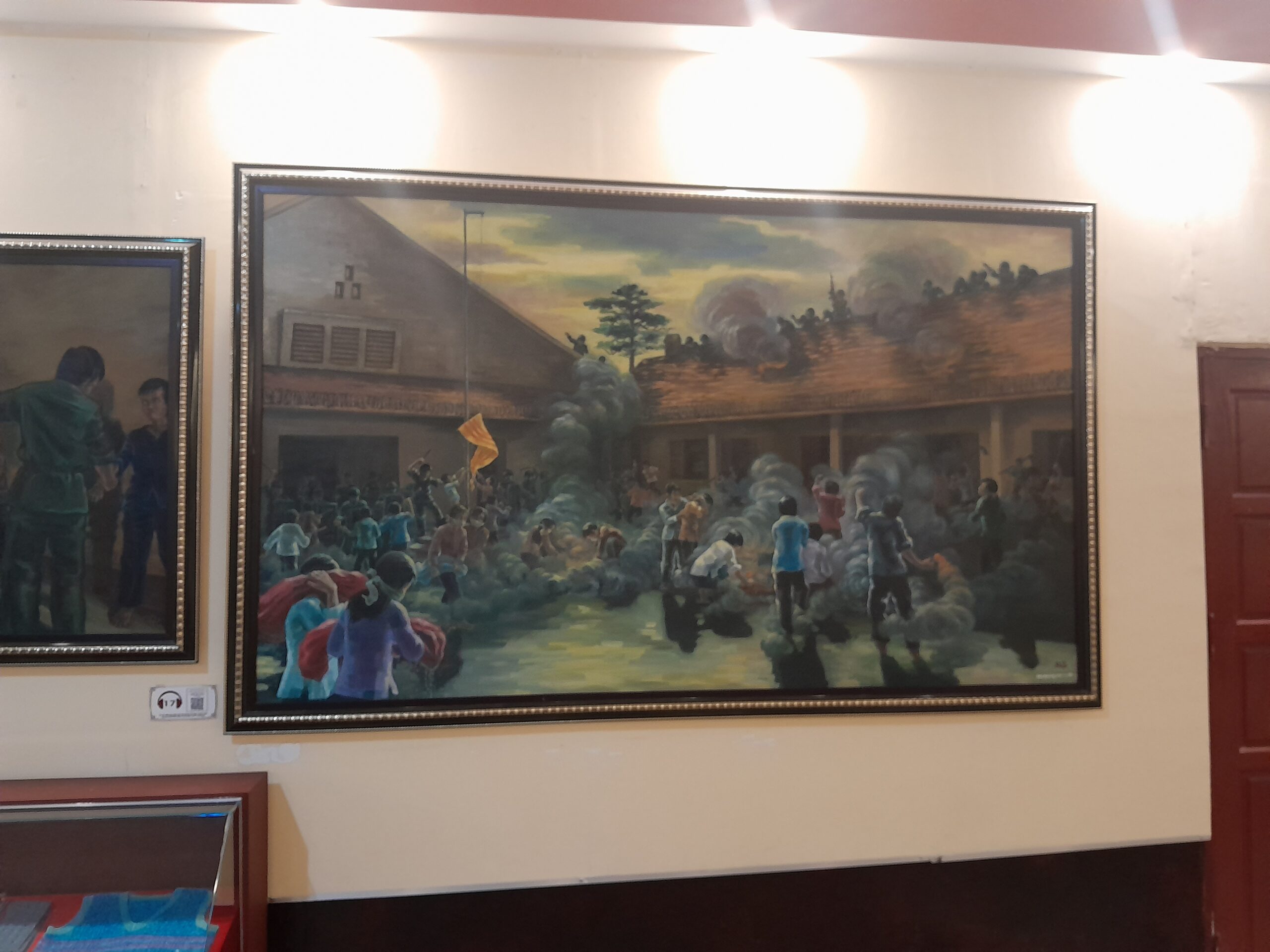
The audio guide explained that the main yard was the focus of the “re-education.” Children would be forced to salute the flag of the old regime. Those who resisted would face punishment. Many still resisted, despite the abuse the guards would give them. If anything, this shows the tenacity of the Vietnamese people, and that tenacity allowed them to win the war against the USA.
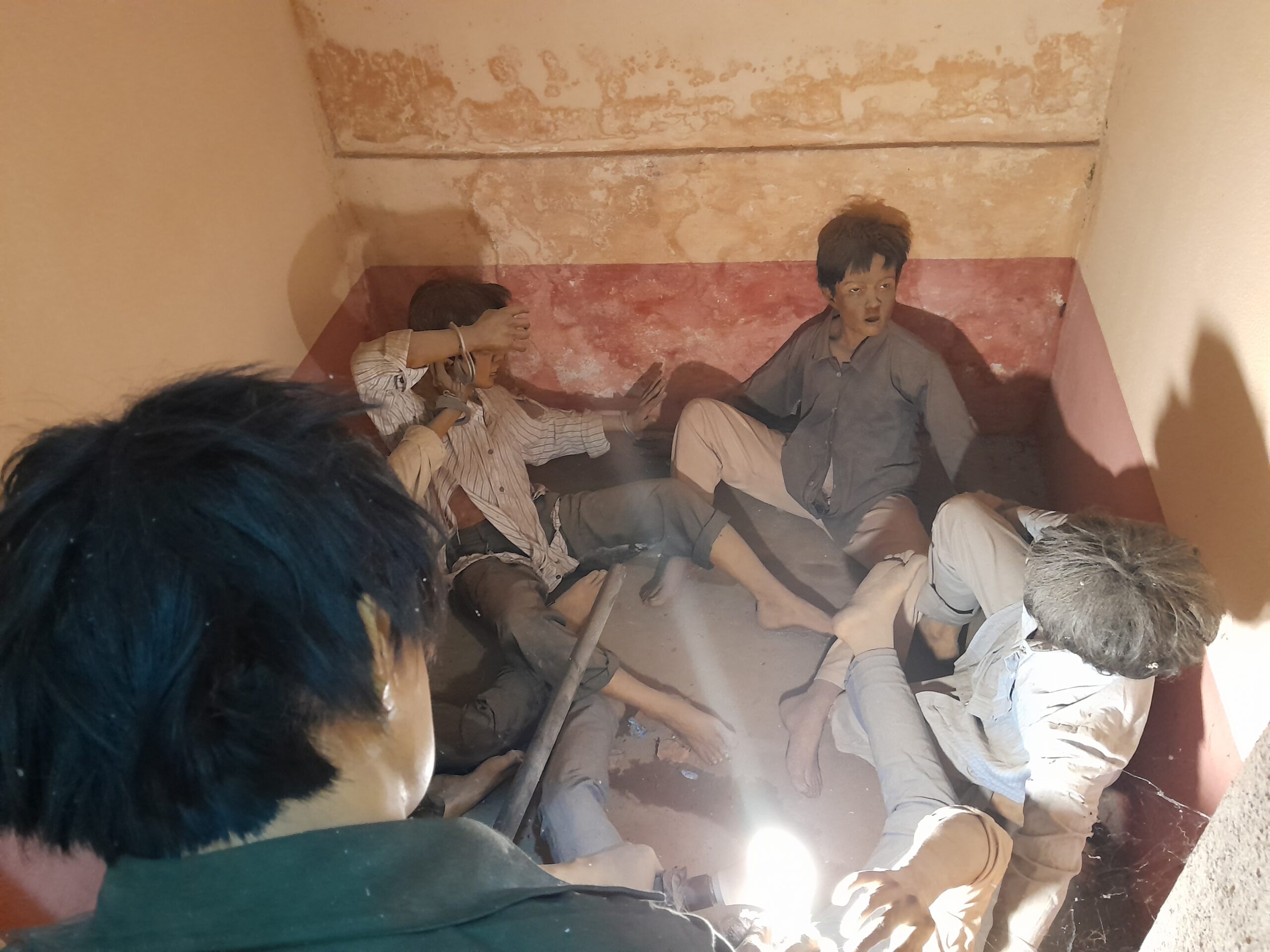
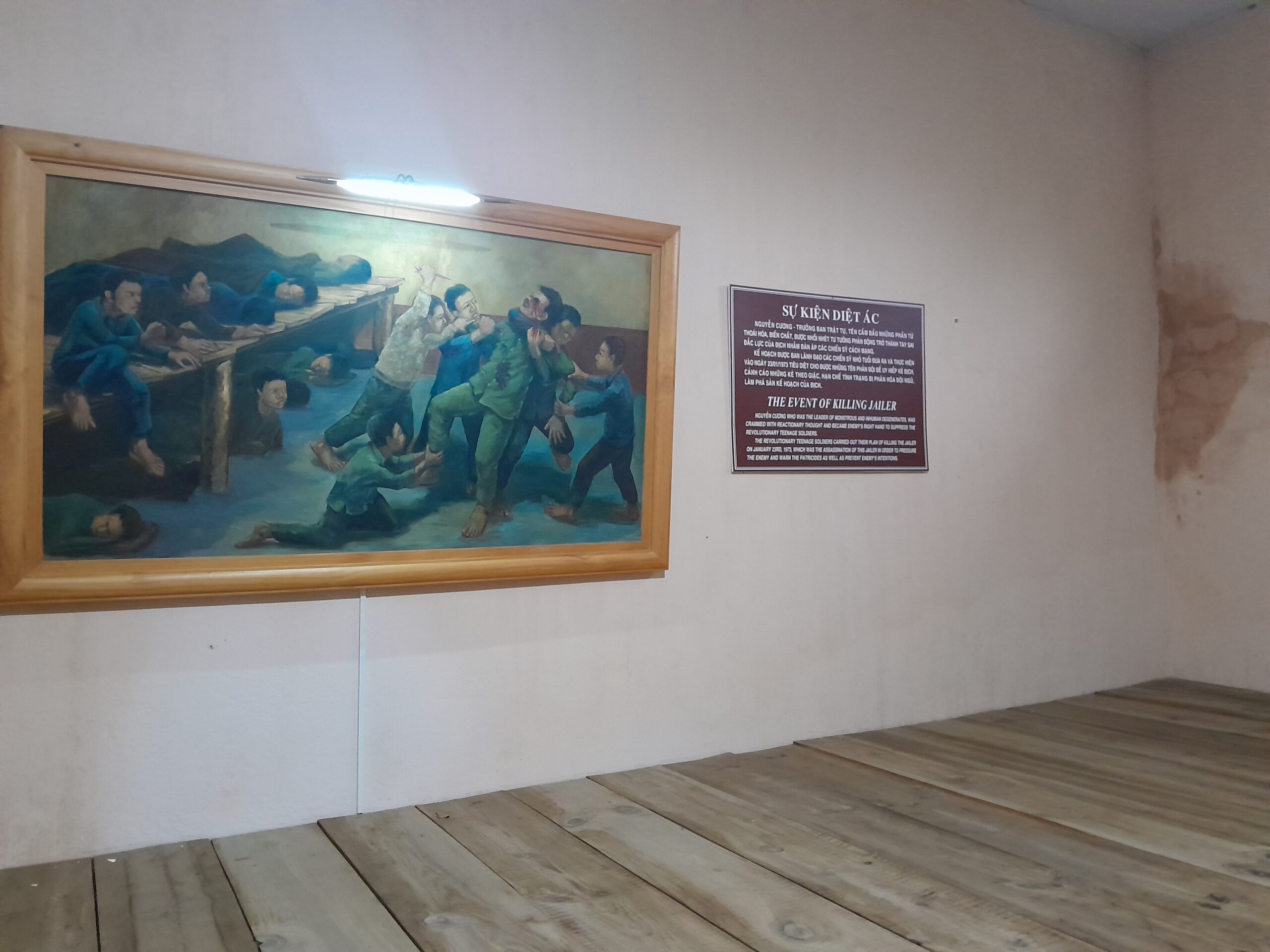
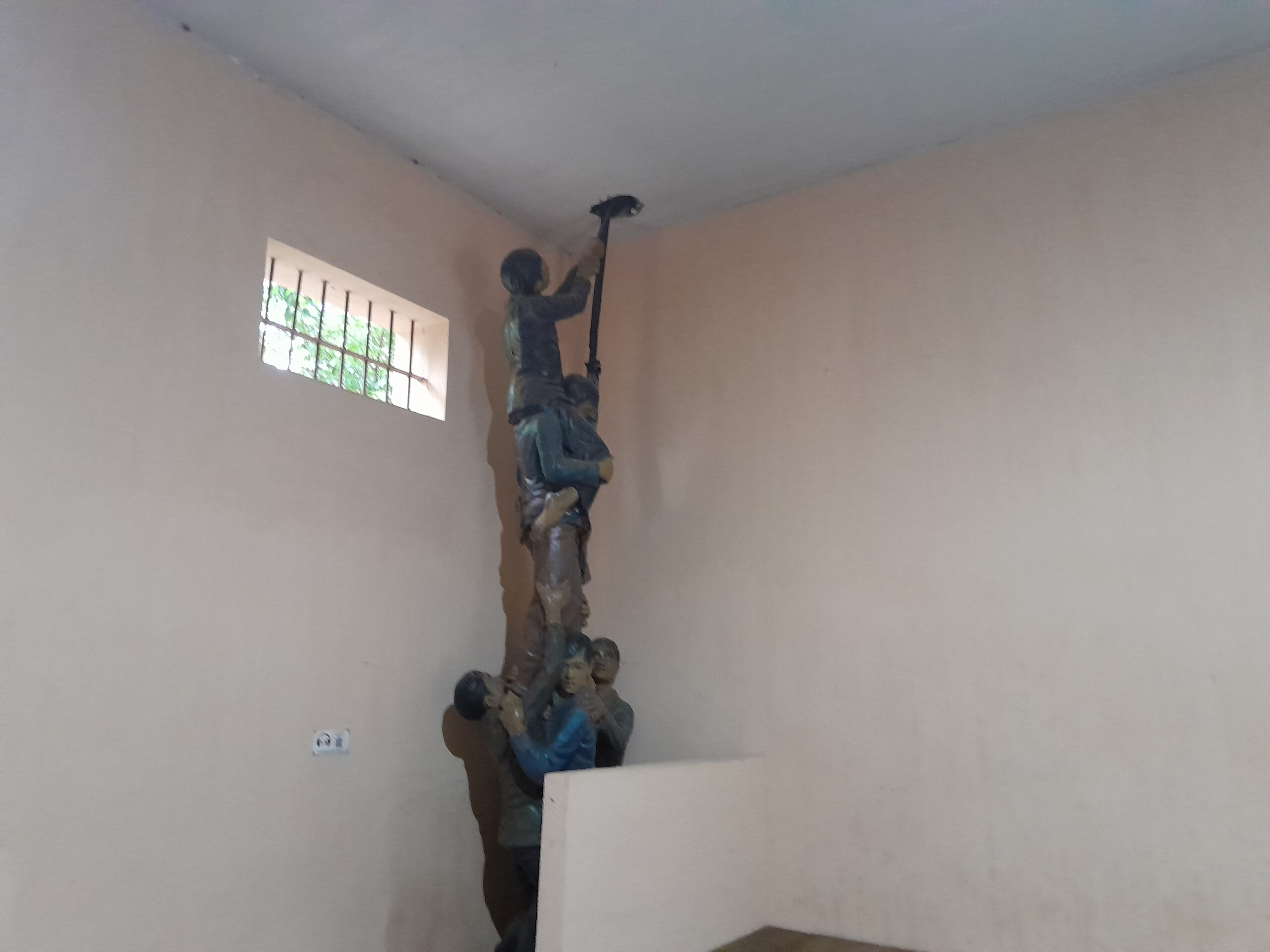
There were many stories of protests and resistance in the audio guide and described in the information panels. Children would go on hunger strikes. One group of children secretly made shivs and attacked one of the more abusive guards. And a daring plan led to 13 children escaping from the prison at one point.
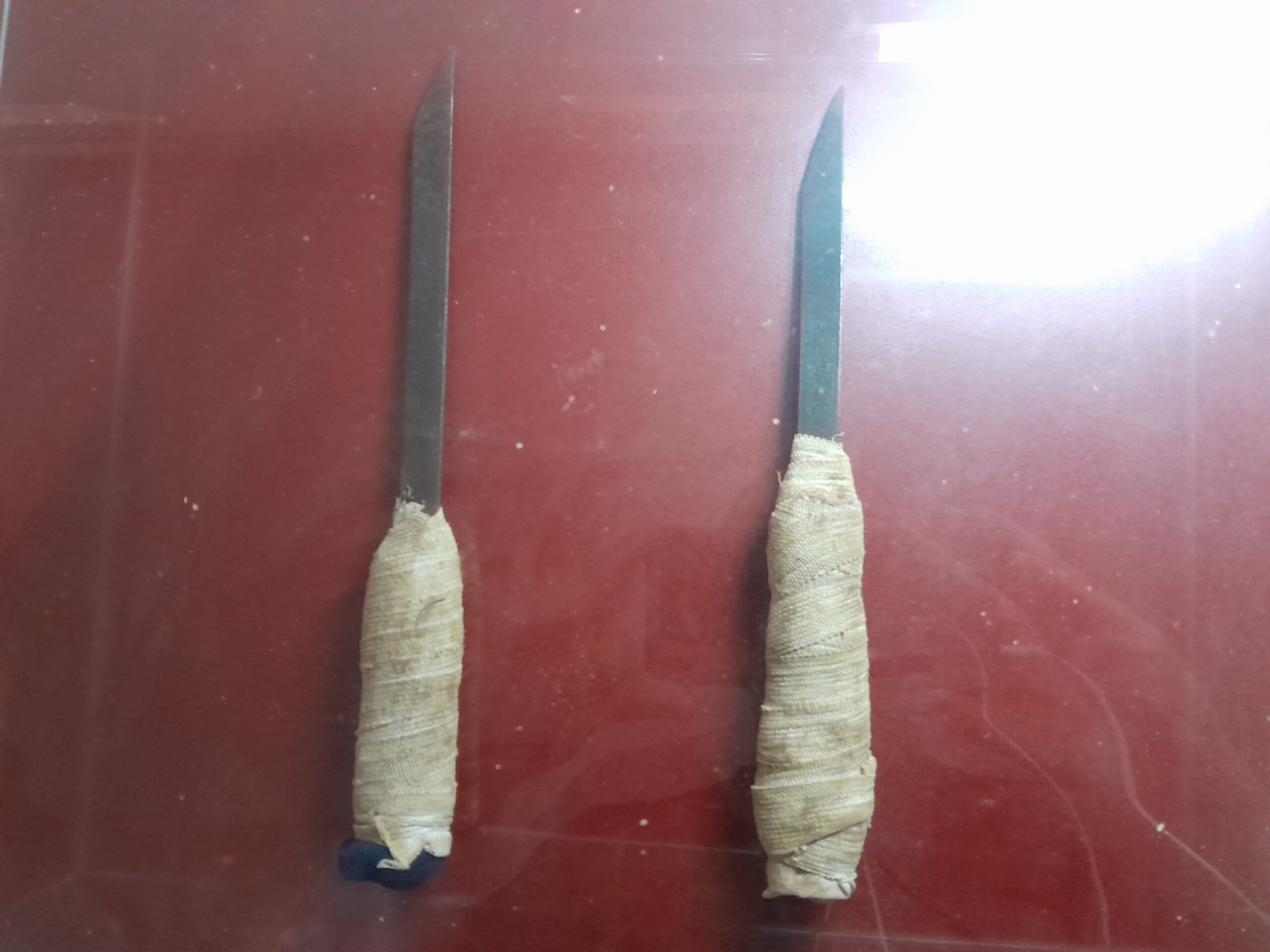
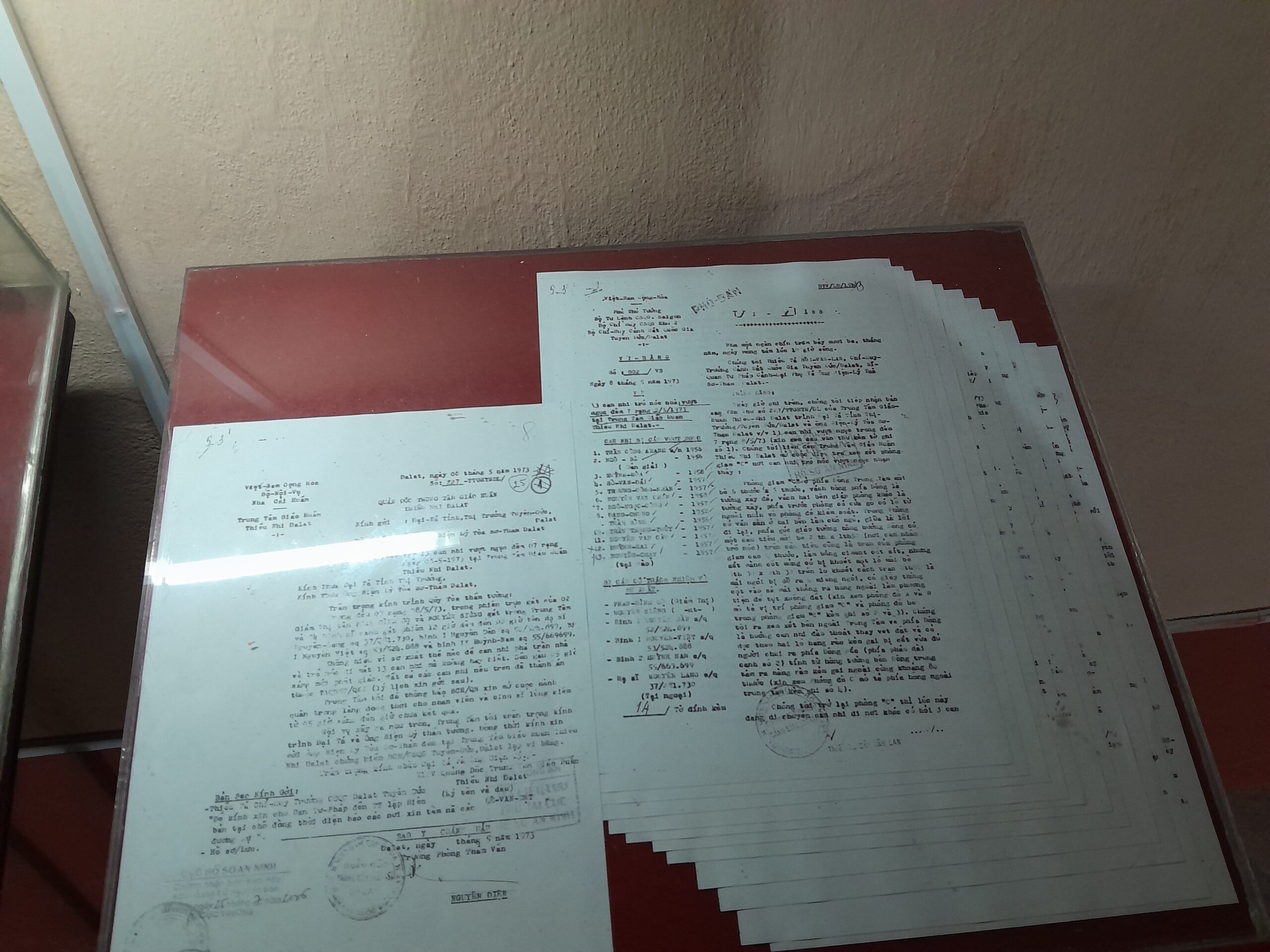
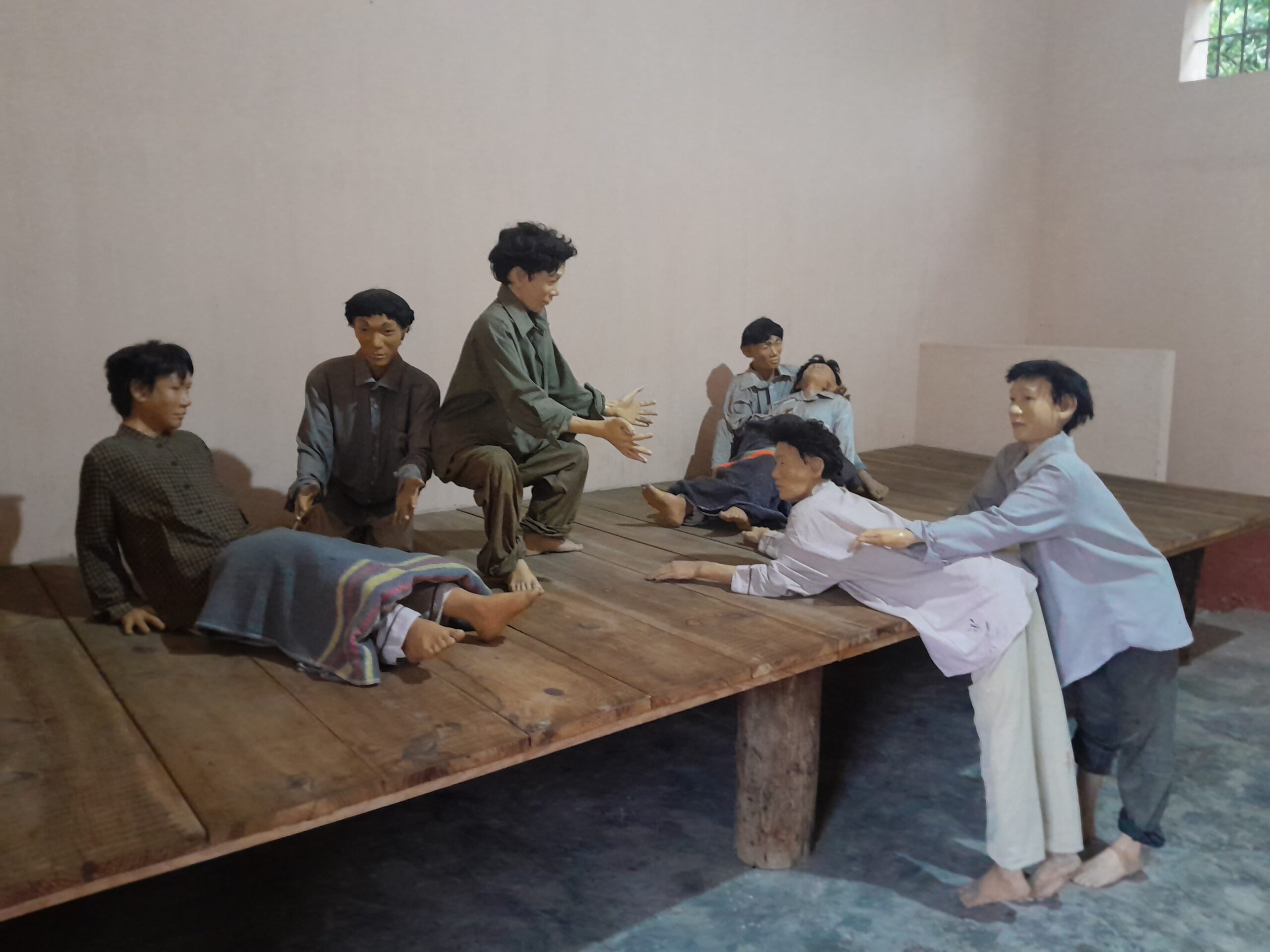
When I visited there weren’t many other tourists there. It’s on the outskirts, so it strikes me as a less visited tourist attraction. When doing research afterwards, I found that there is no English entry for this place on Wikipedia (though there is one in Vietnamese). This is why there aren’t any sources in this article: all the information I have comes from my visit to the museum.
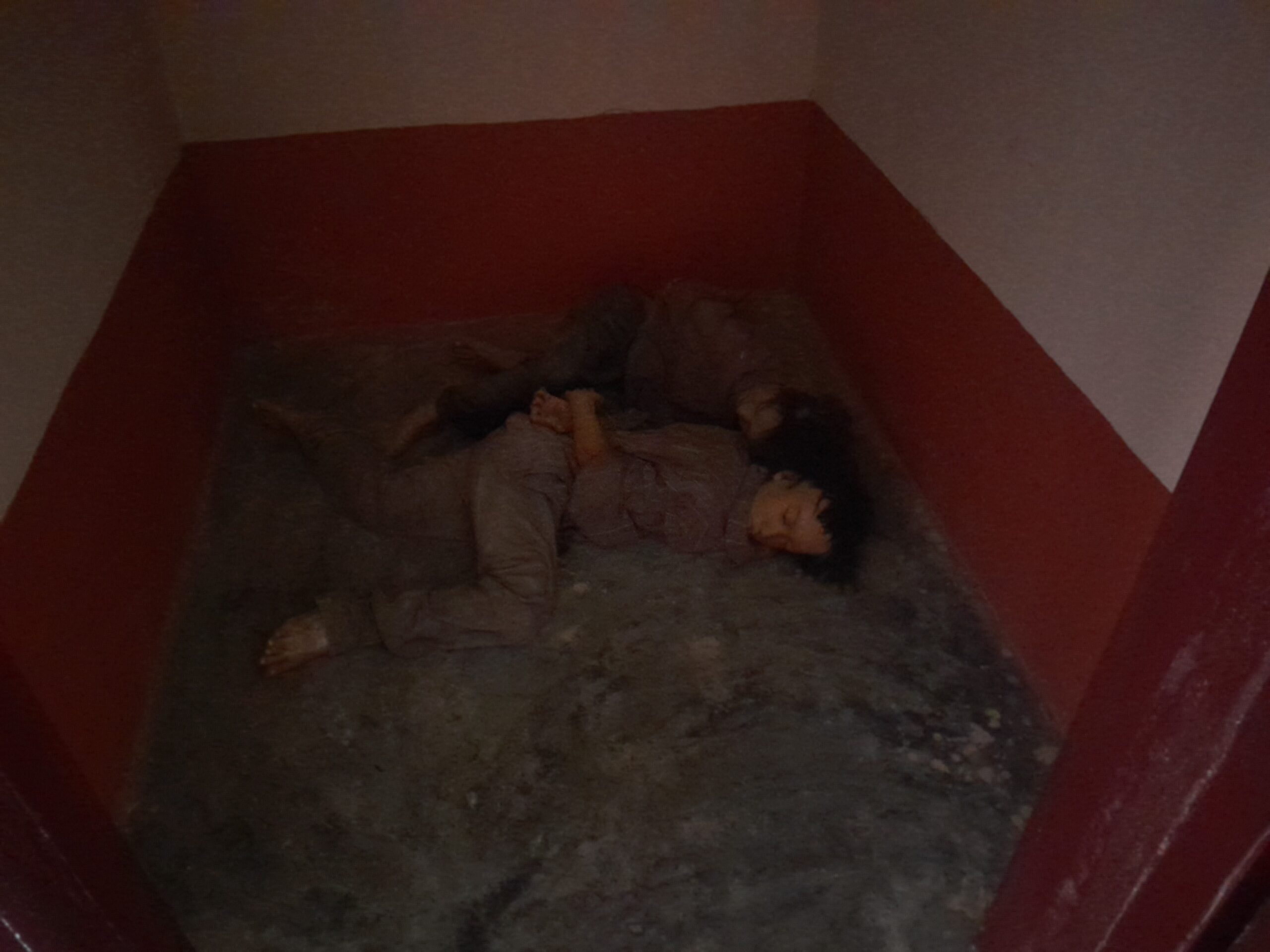
Most people know the history of Vietnam, how France and then the USA tried to defend colonialism. How the Vietcong eventually won back the country’s freedom. They know about napalm, Agent Orange, and the occupation in general.
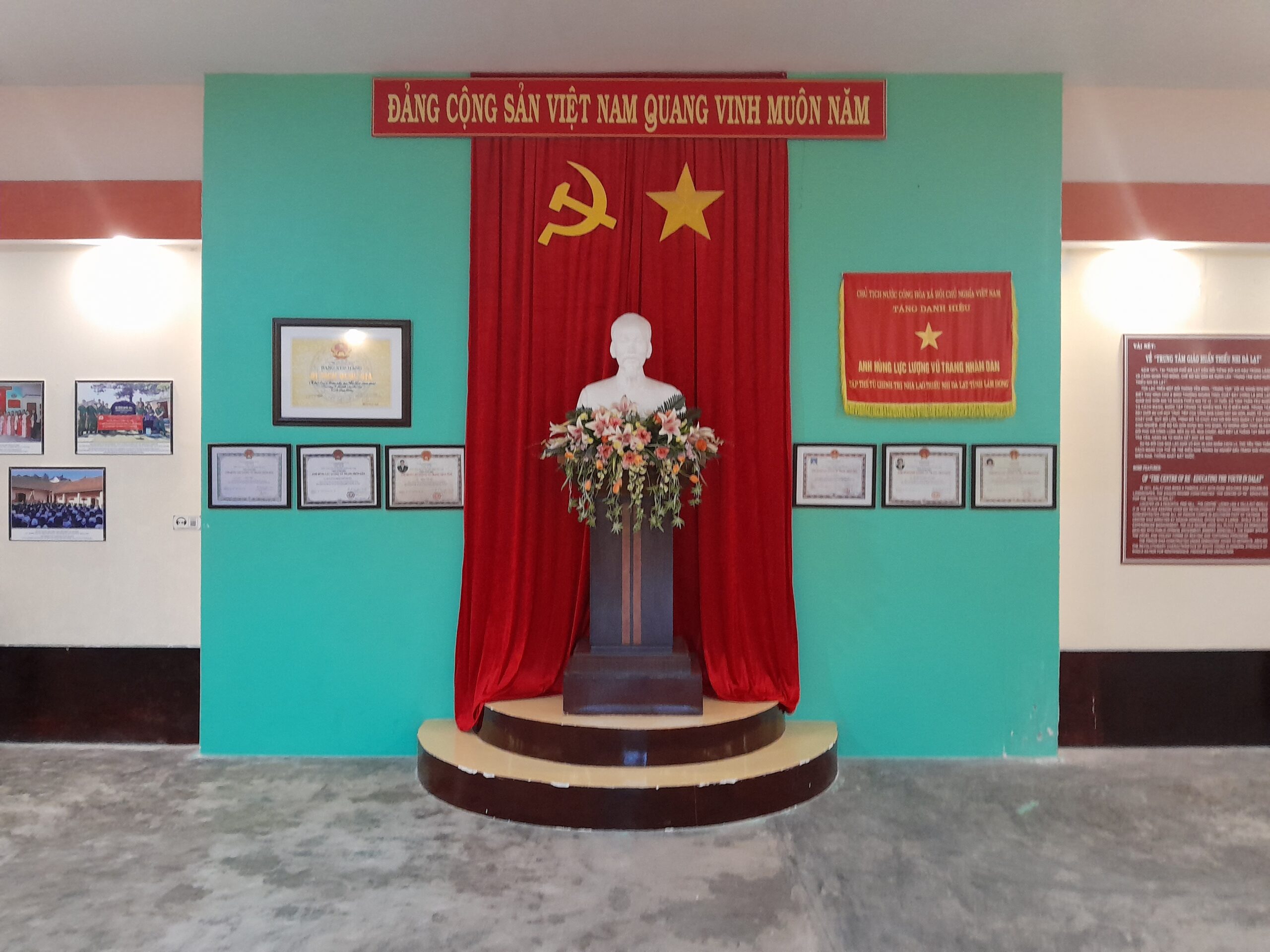
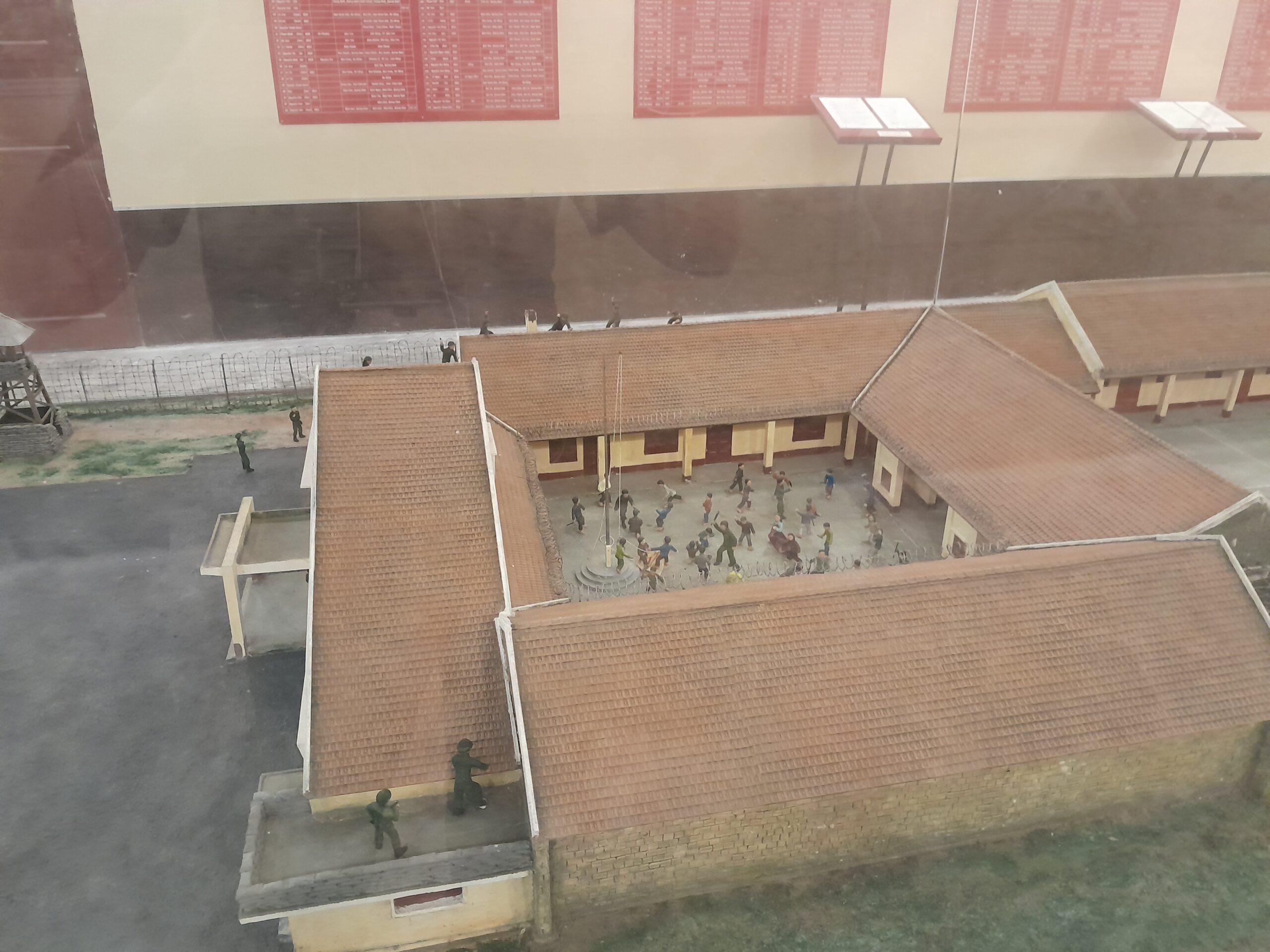
But details are often lost in these lessons. Like the UXOs that litter Laos, prisons like these seem to be mostly forgotten in Western education. And I believe it is a history that shouldn’t be forgotten. The Dalat Youth Prison Museum is a place everyone who passes through the city should visit, so they can see for themselves the horrors that were committed against children who simply wanted their own freedom.
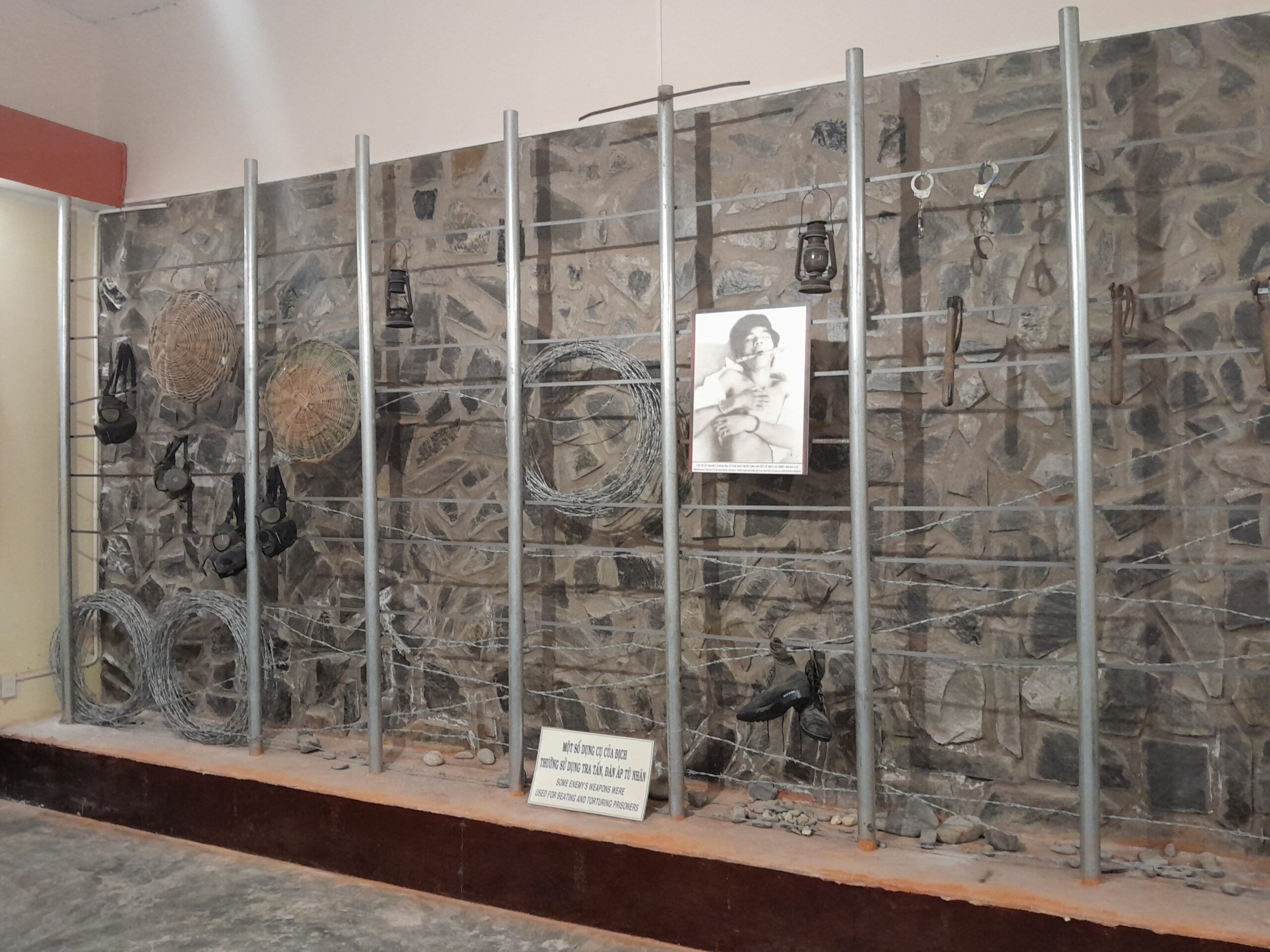
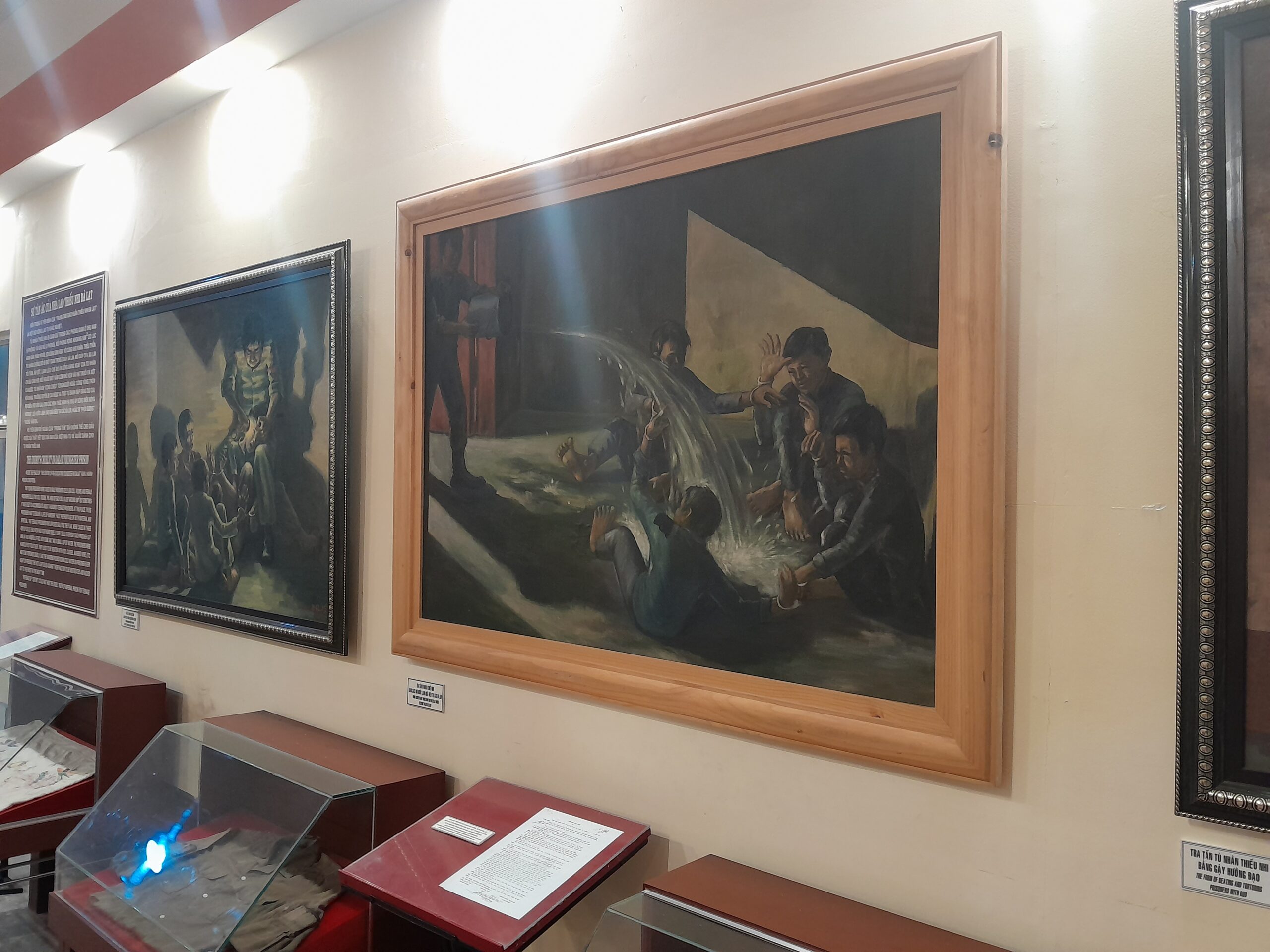
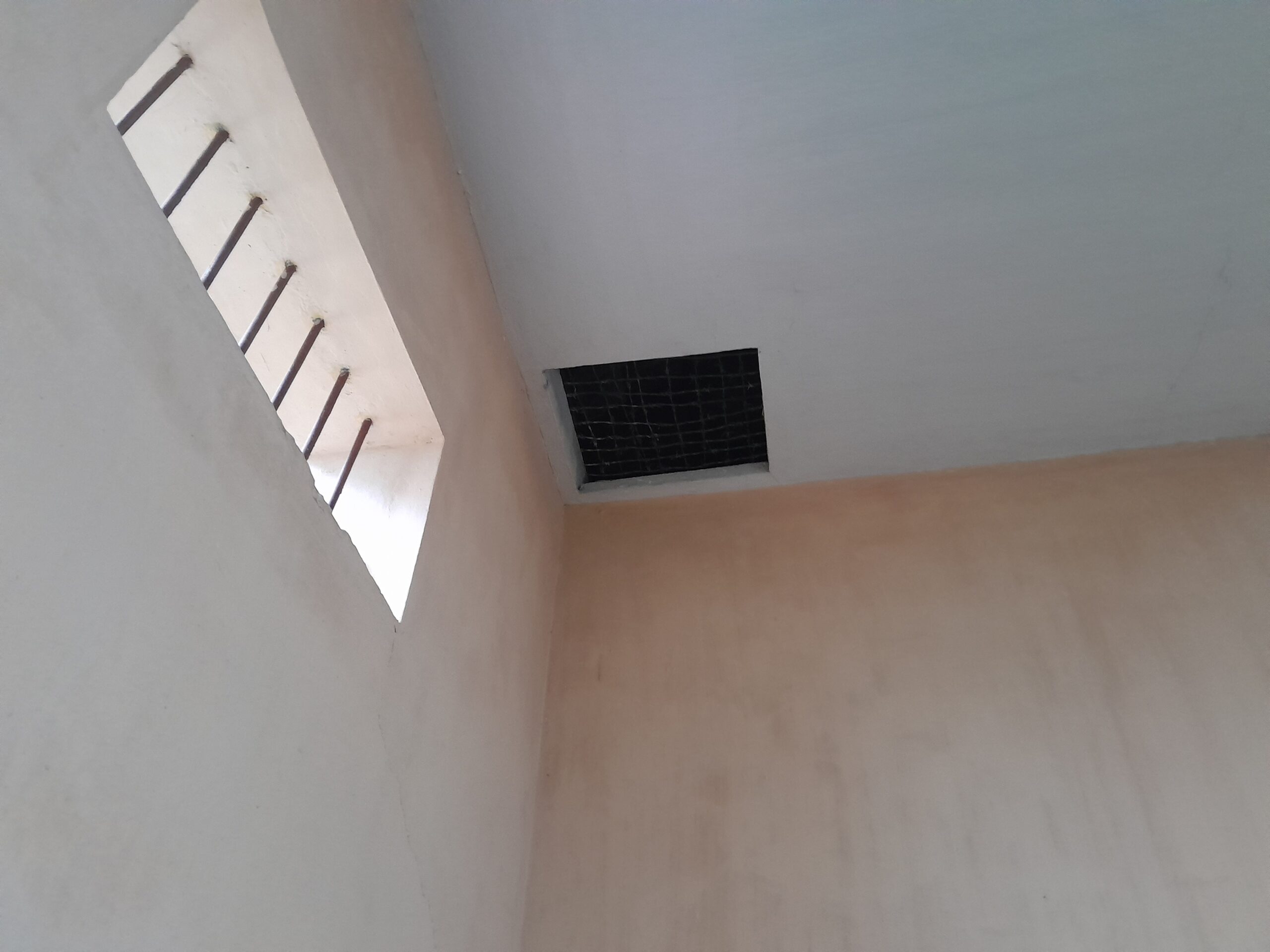
On leaving this place I could hear the silence. A memorial of those who suffered here. One that is almost forgotten, but one that needs to be remembered. Because whether on the front lines or in camps like this, it is always the children who suffer most in war.