

As soon as I learned there was a temple called Phnom Bok, I knew I had to visit. How can I miss a temple that bears my own name? So I ventured out into the wilderness deep into the area where temple ruins could be found, so seek out this unique place.
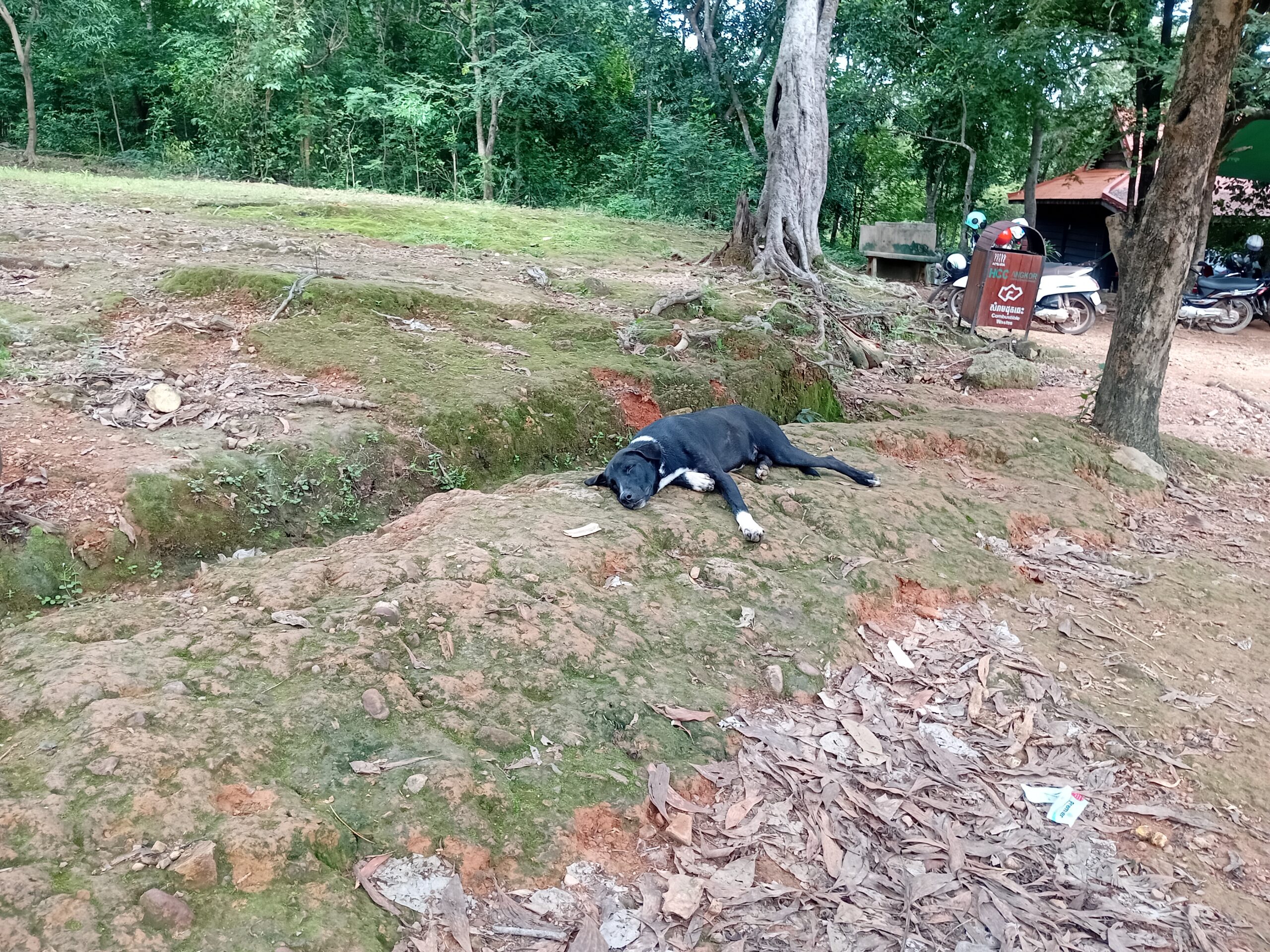
Phnom Bok is the temple furthest away from Siem Reap that I visited. Upon arrival I had my pass checked as with all the other temples. Once the radio calls were over I was allowed to proceed to the temple. I walked past a napping dog on my way into the temple grounds. These dogs are often free roaming, but well looked after by the locals.
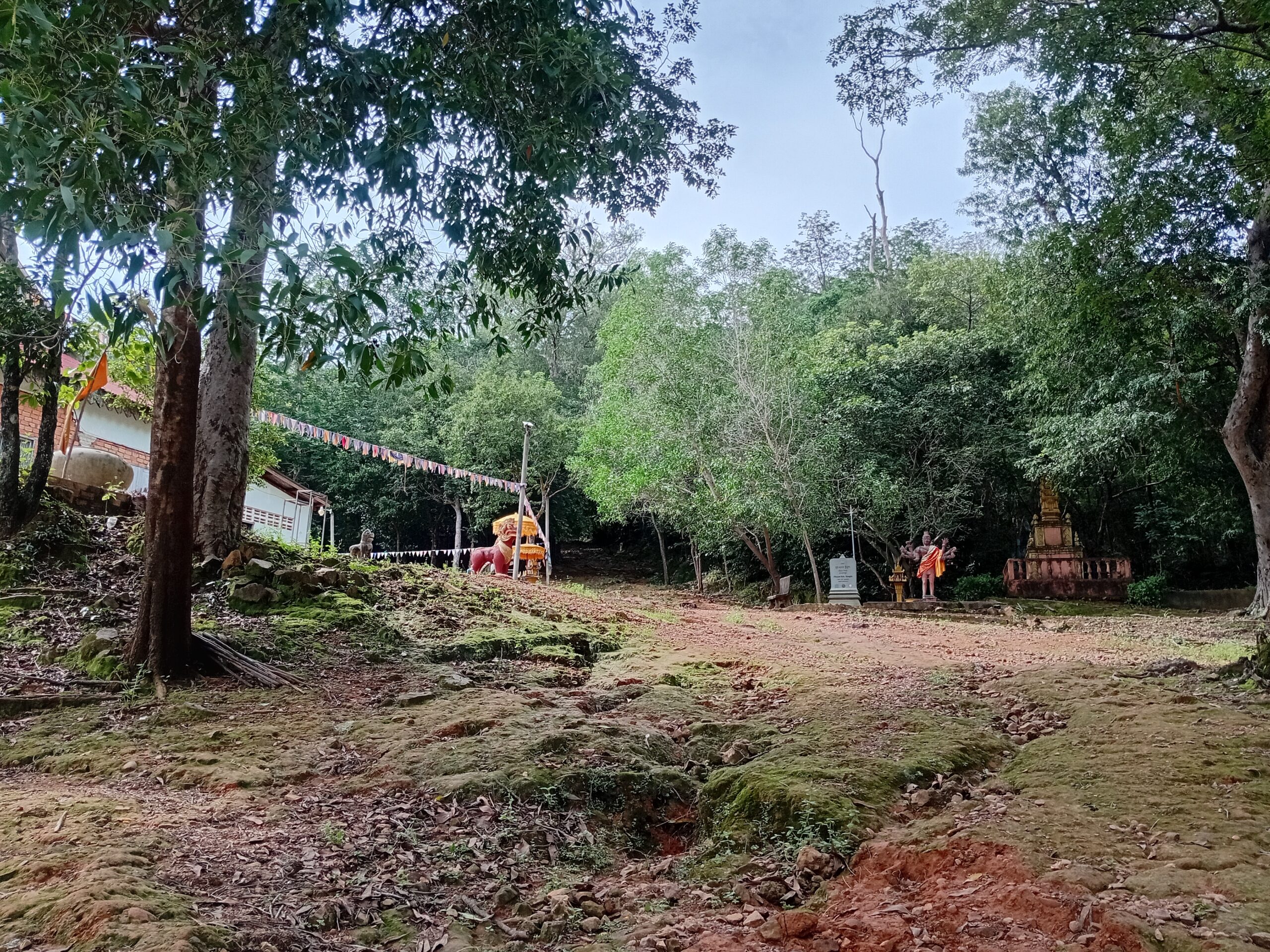
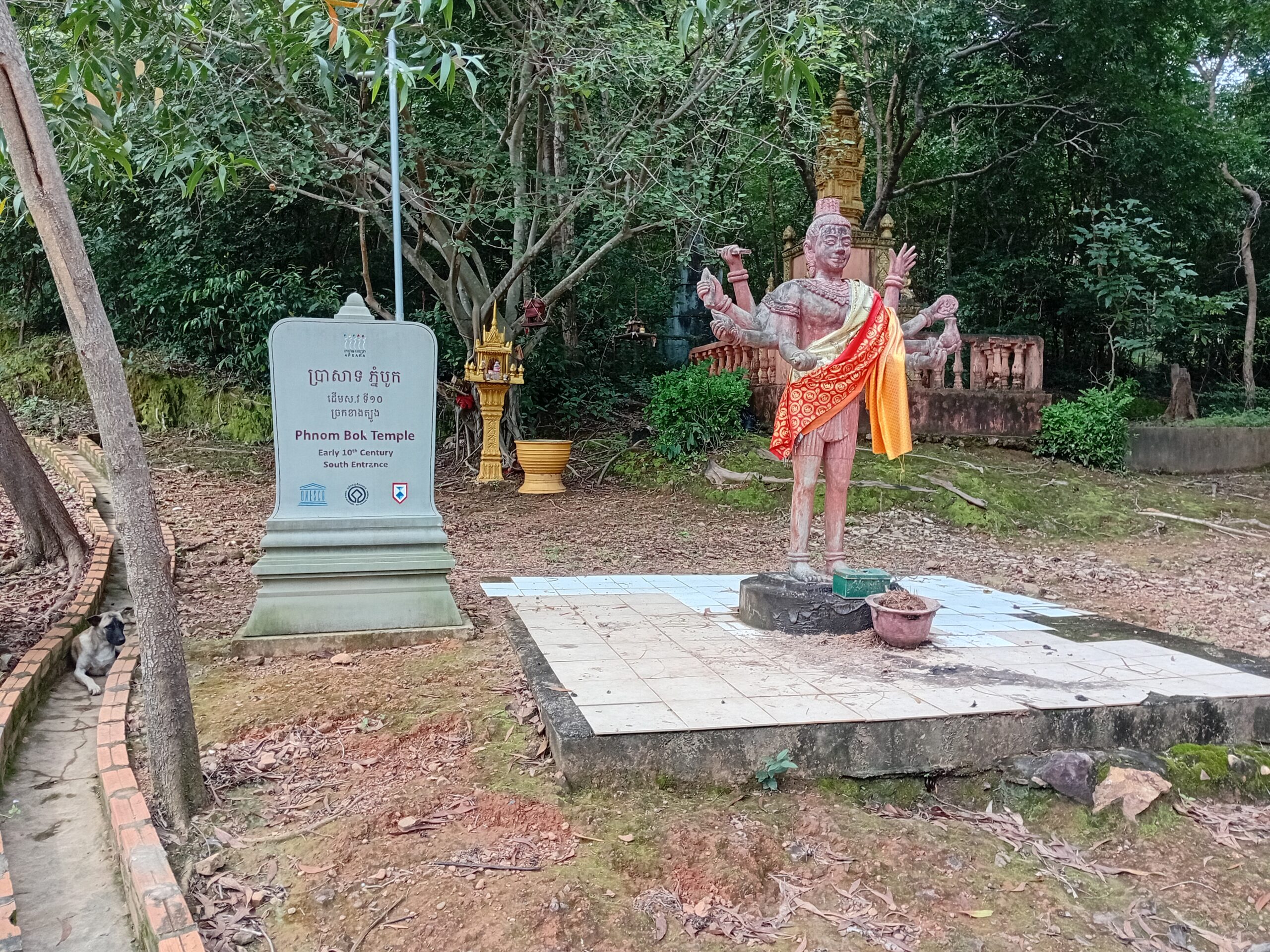
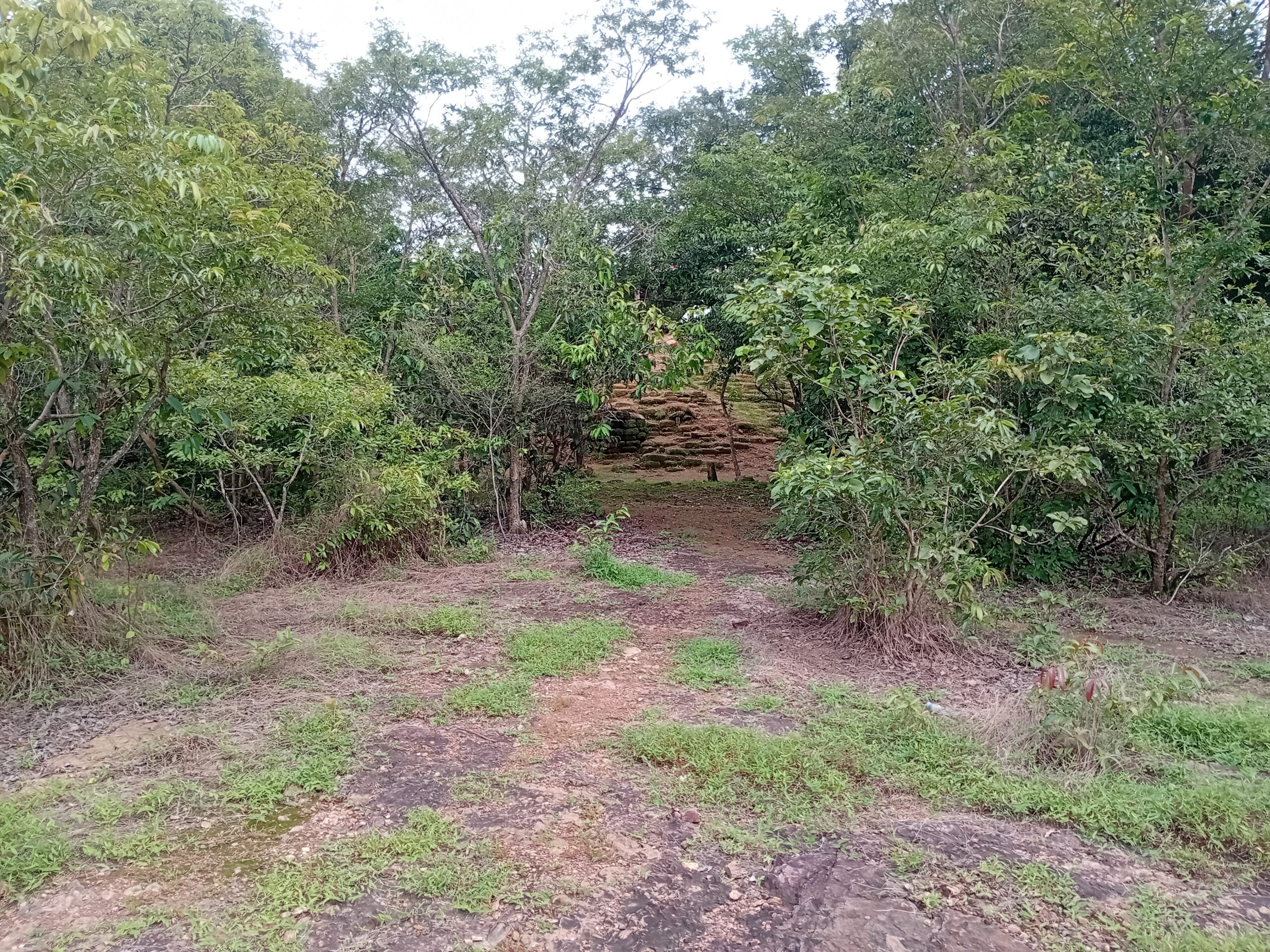
This temple is named for the hill it stands upon, which is also called Phnom Bok. This meant that I would have to climb the hill before I could get to the temple atop it. Almost the opposite of the pyramids where you climb the temple itself. A small test of endurance for those who wished to visit the temple.
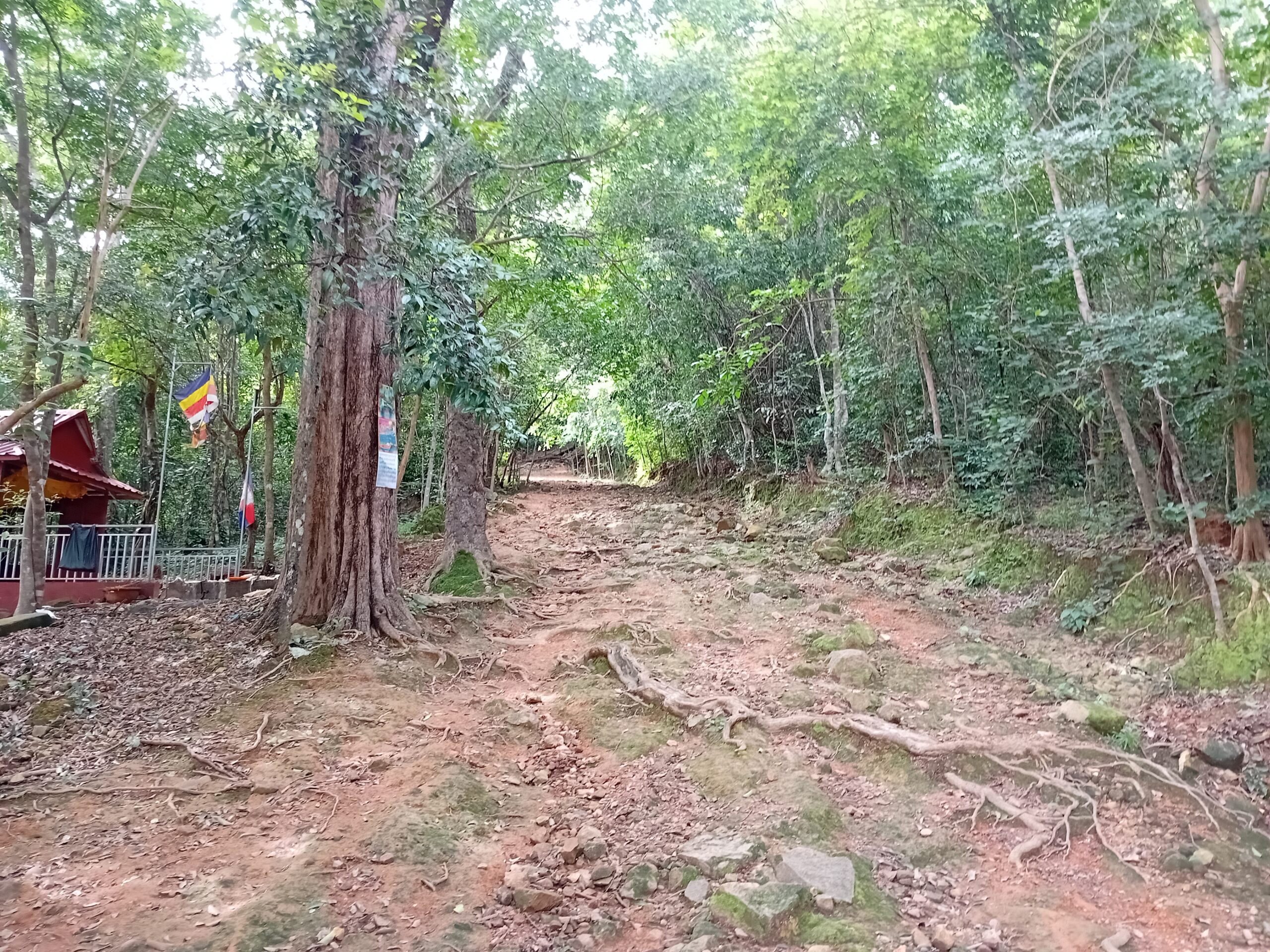
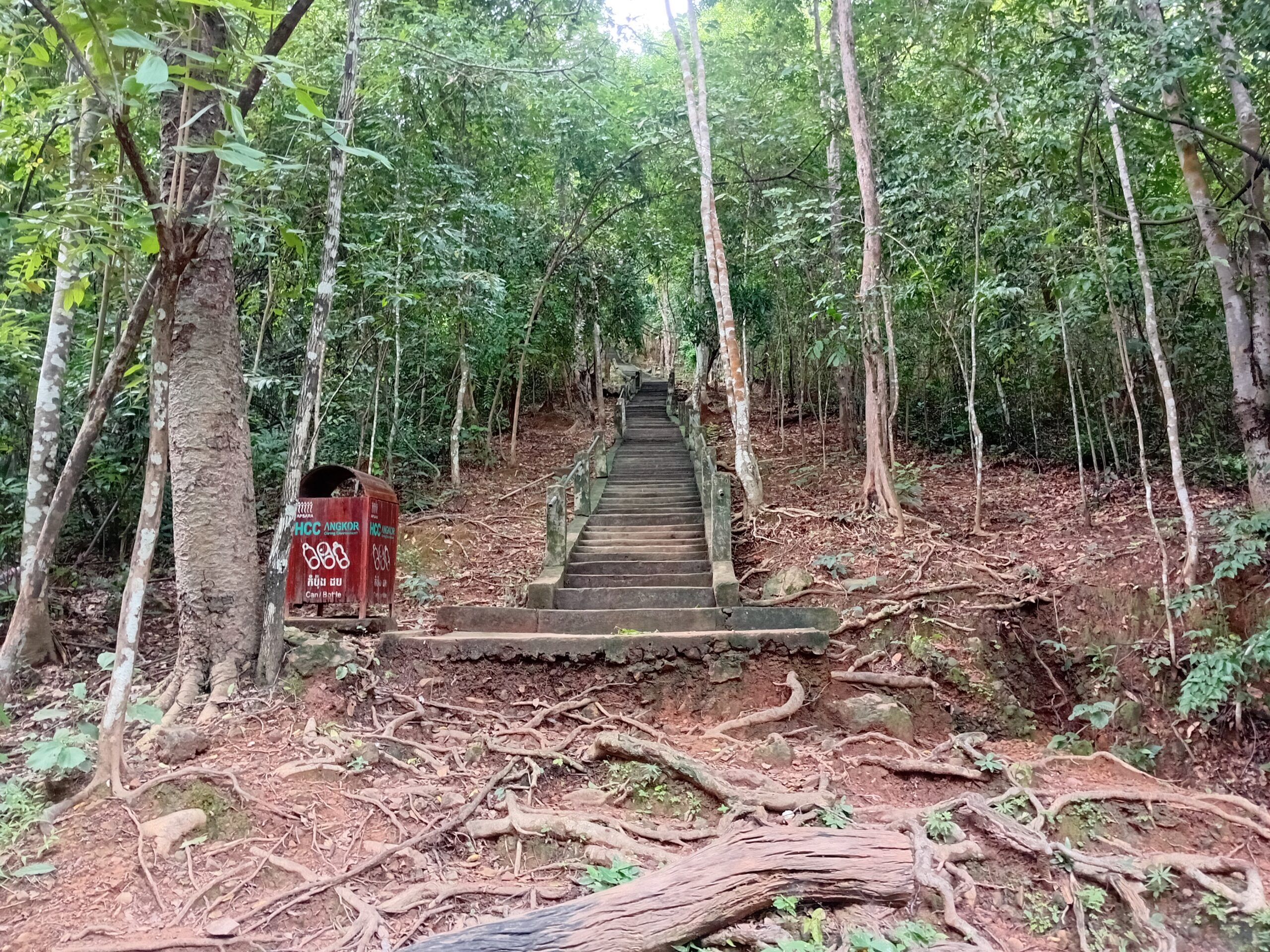
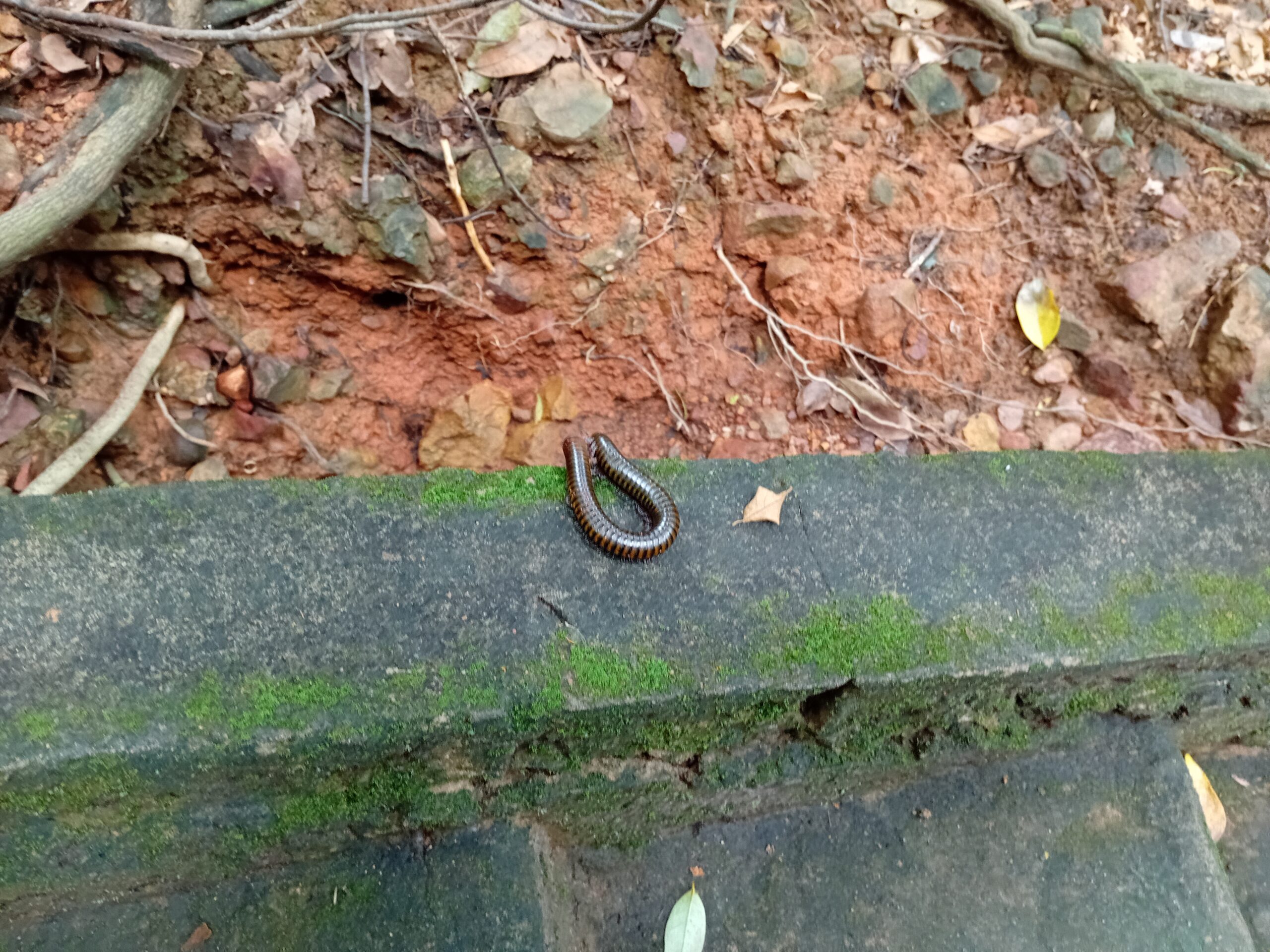
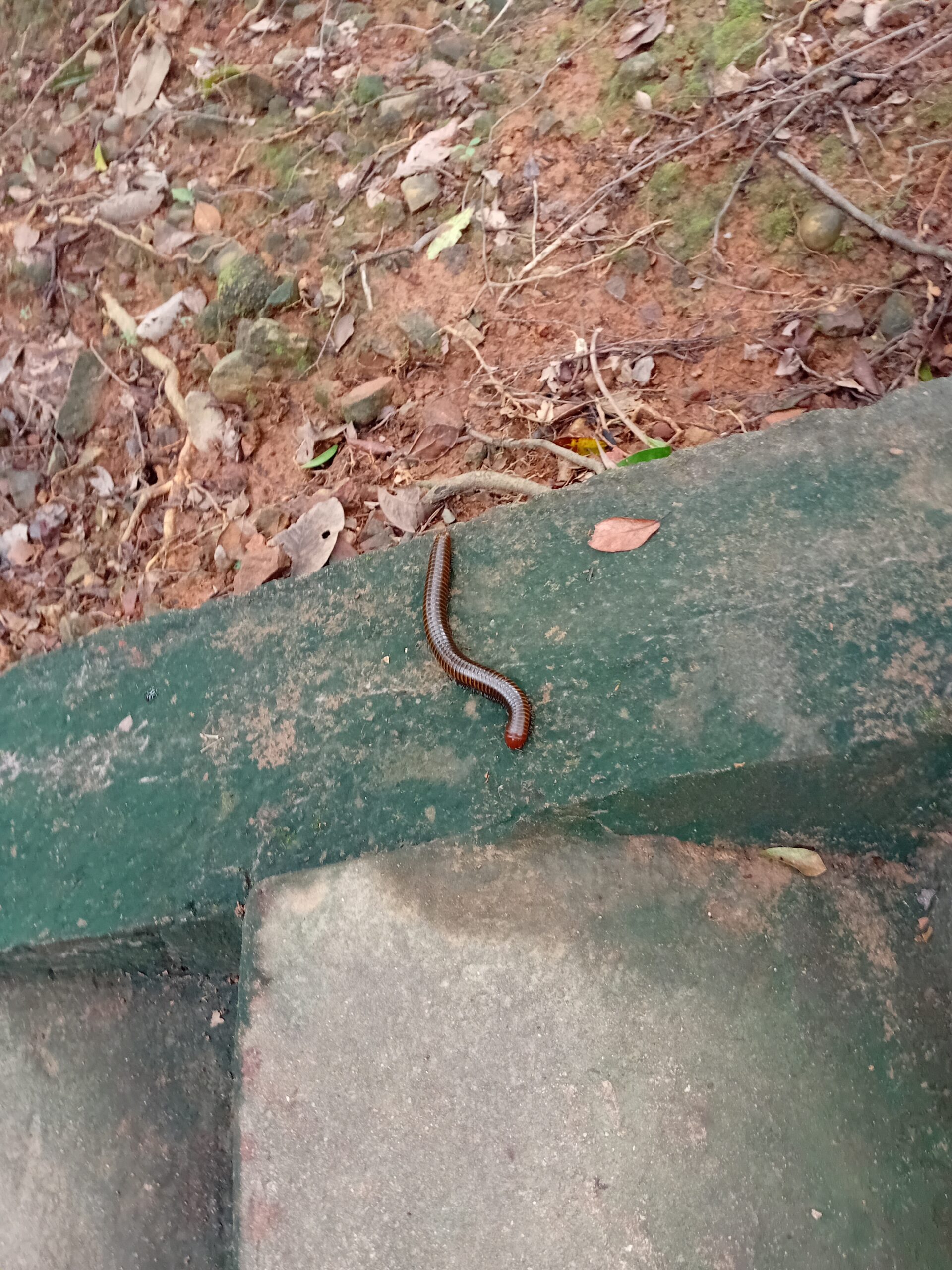
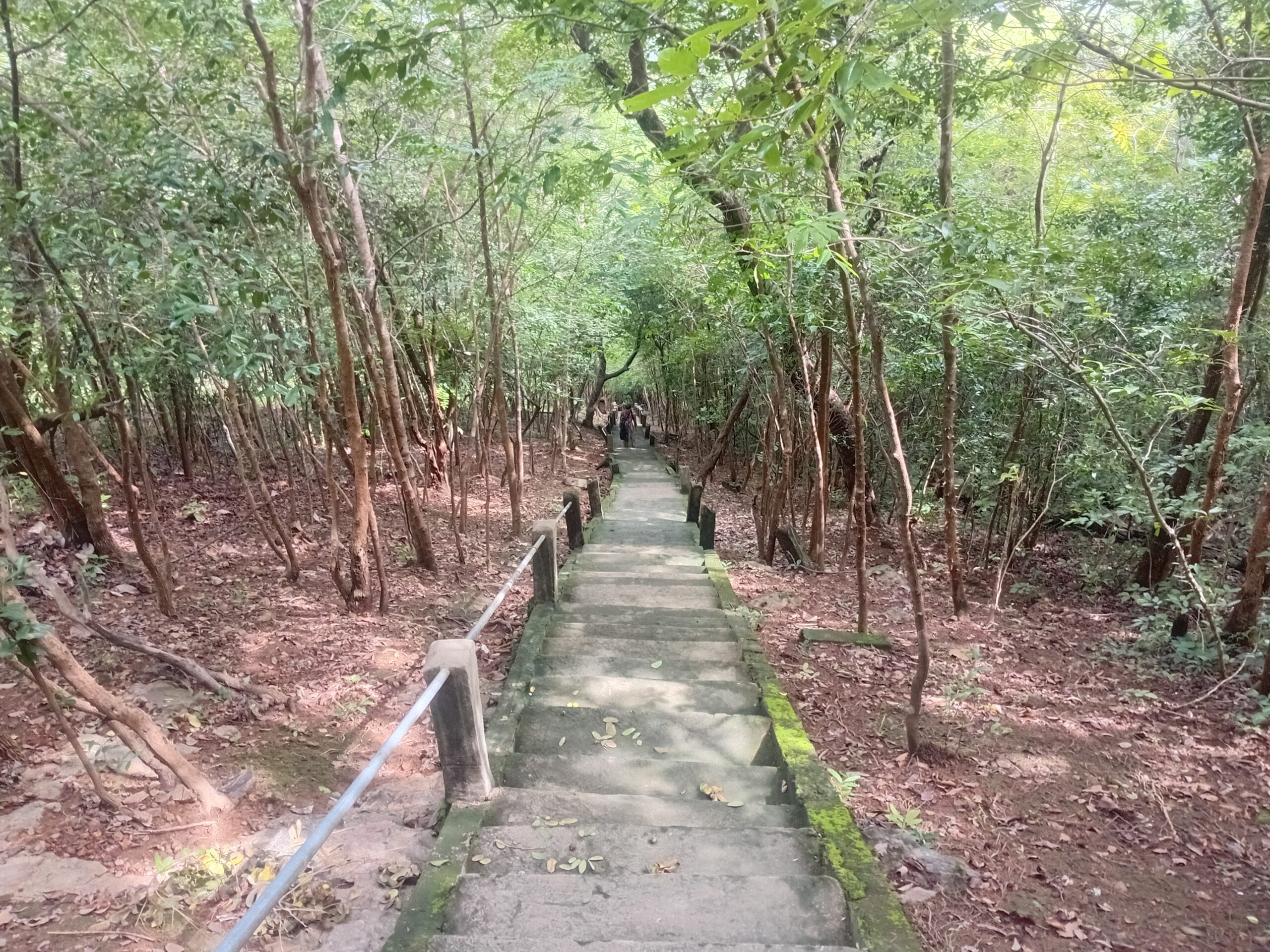
As I climbed the steps I came across several giant forest millipedes. Unlike centipedes, these are completely harmless to humans, though they may still creep you out if you don’t like bugs. They are actually safe to pick up if you don’t mind the feel of several tiny legs crawling across your skin.
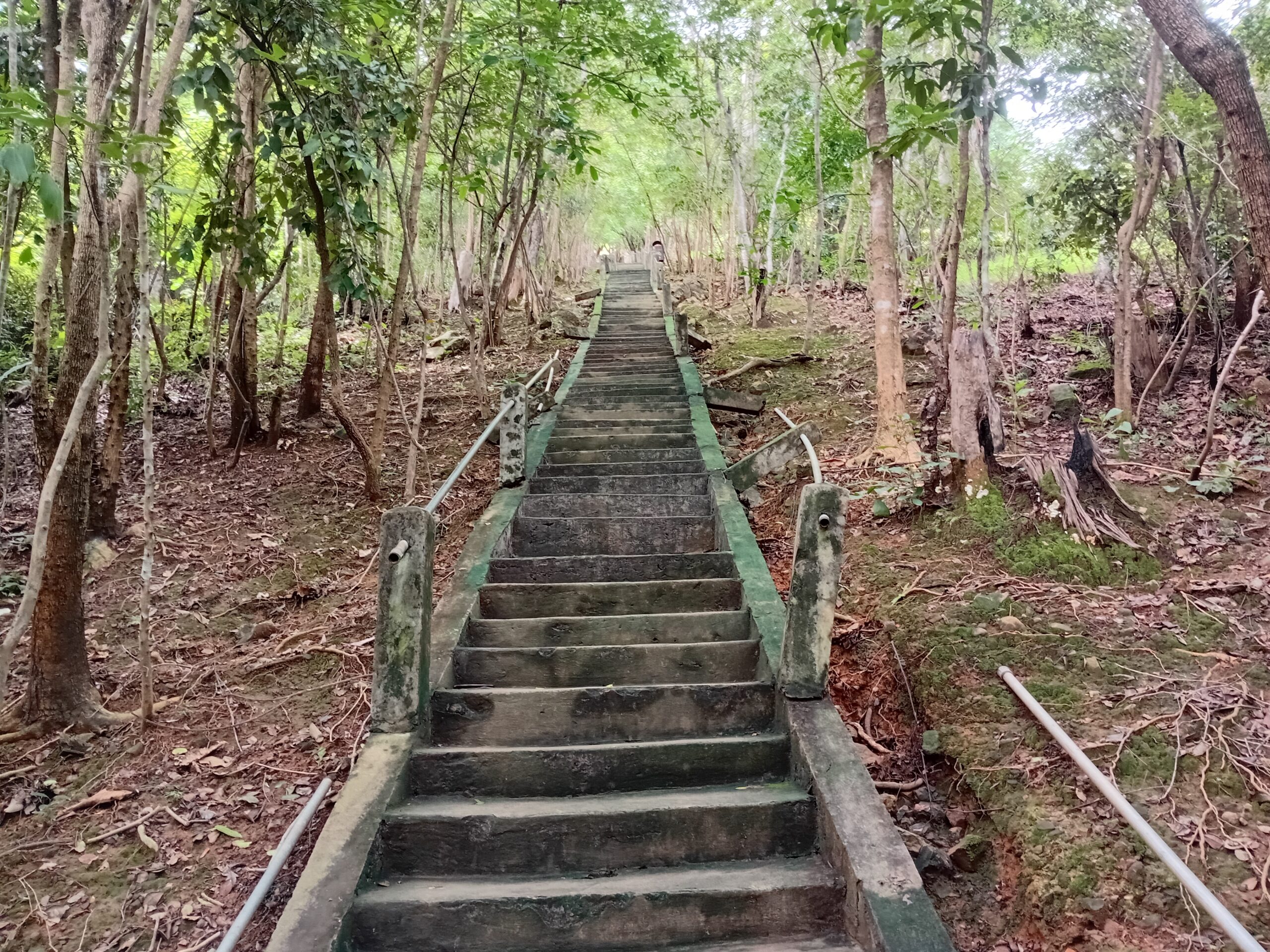
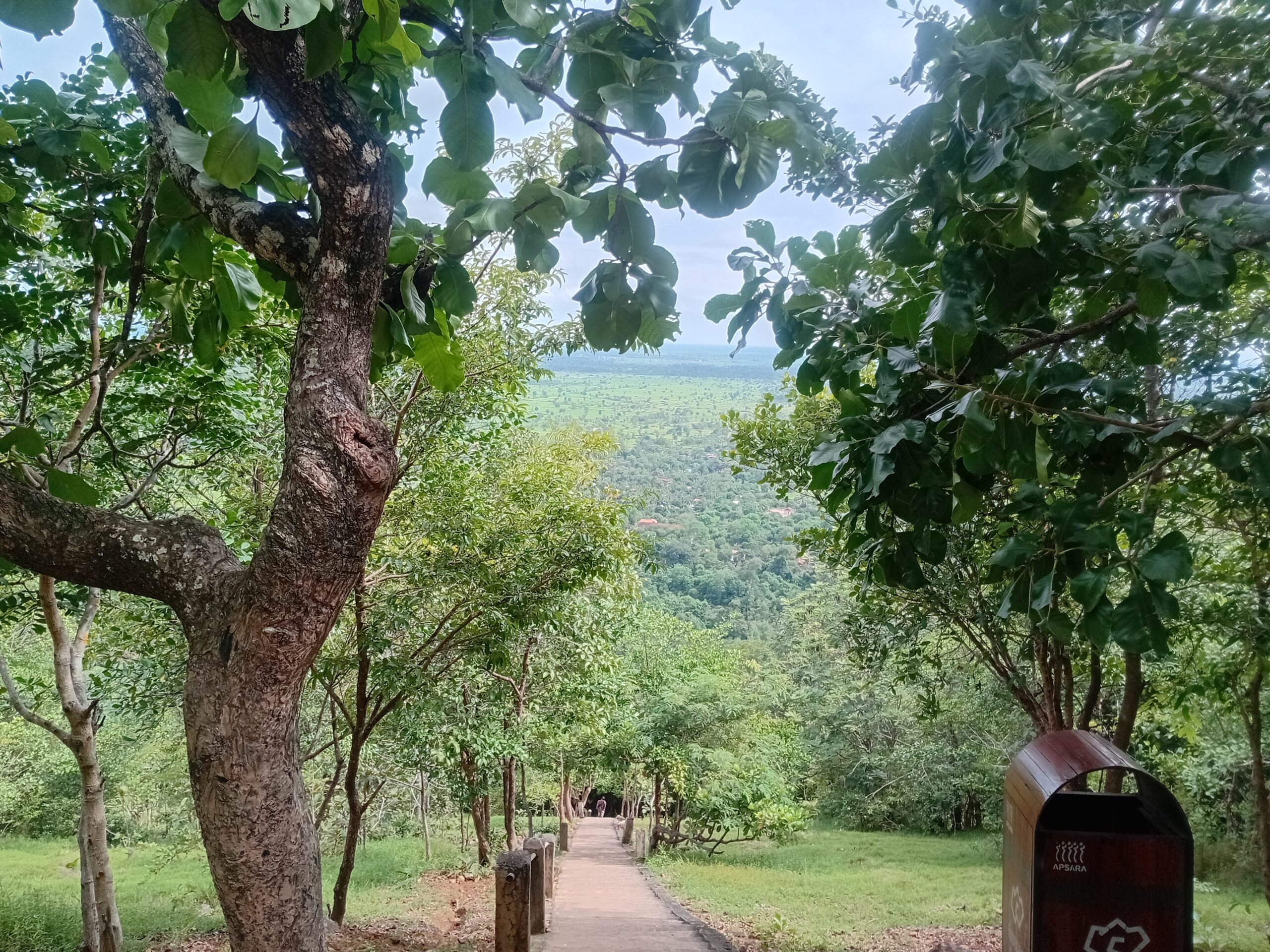
As I neared the top of the hill I turned back to see the view over the forest. This wasn’t a difficult hike as it was a small hill, but you could still see for miles over the flat jungle terrain. I could pick out a few buildings nearby, but I couldn’t see any other temples from here.
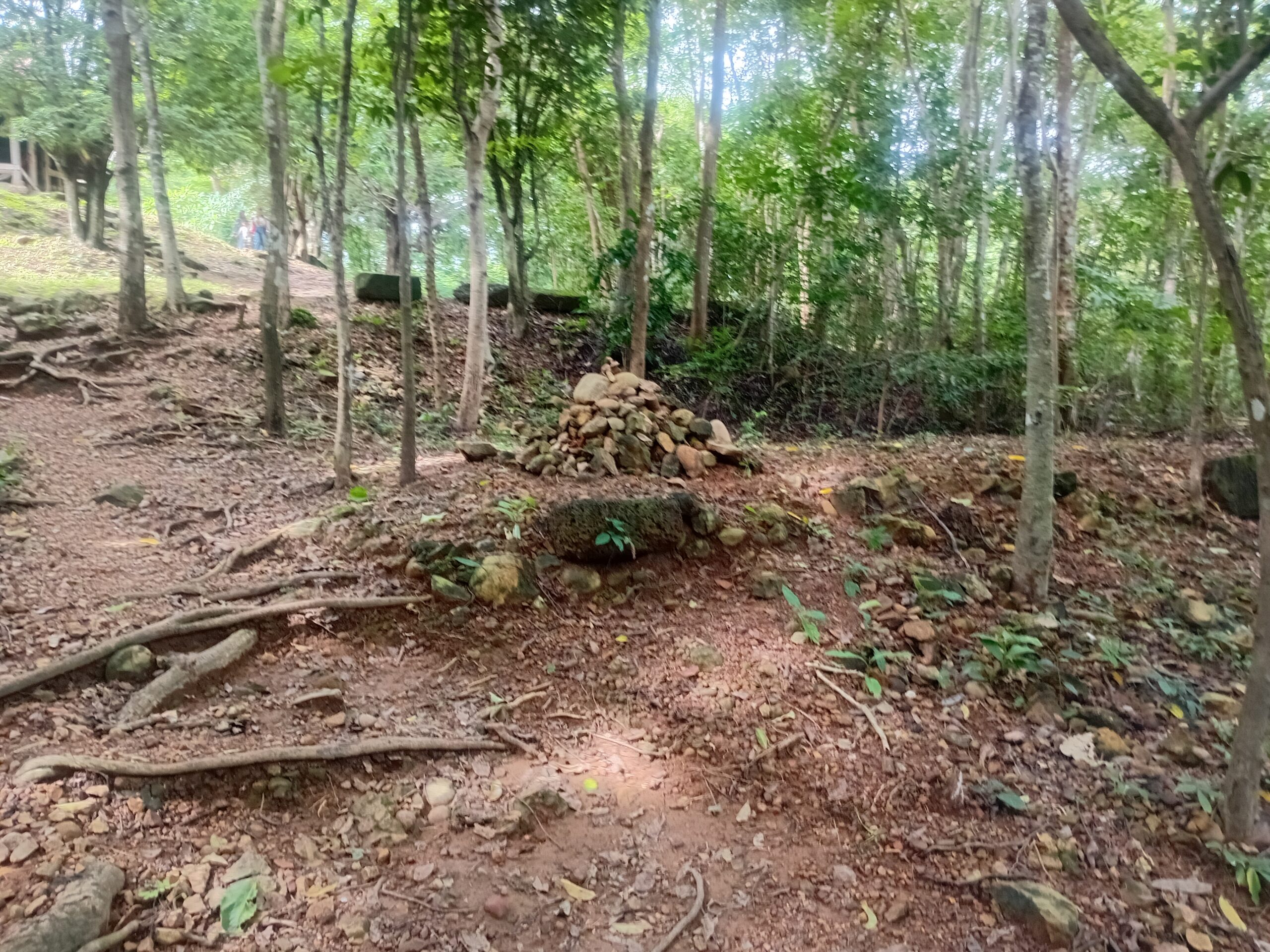
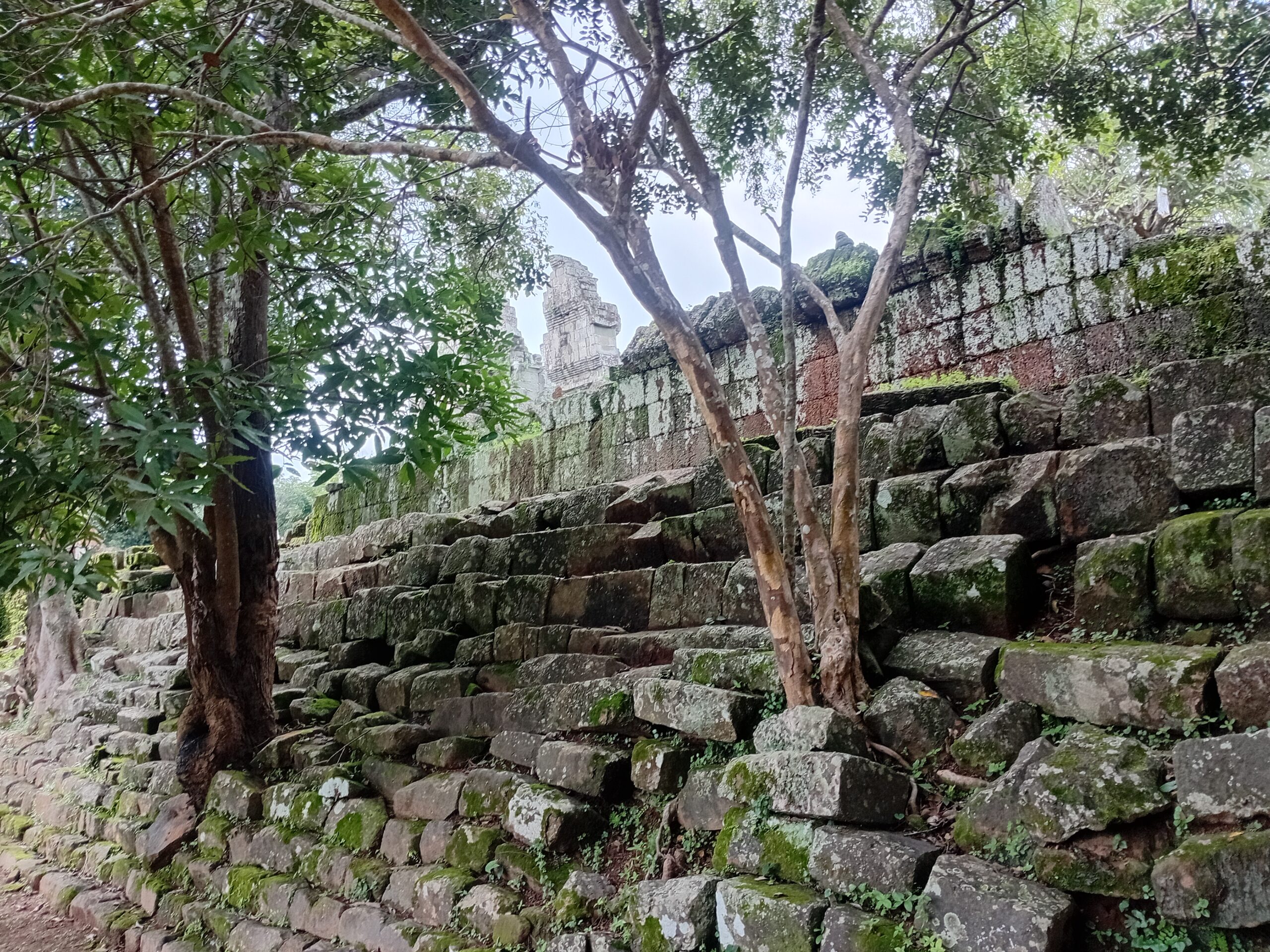
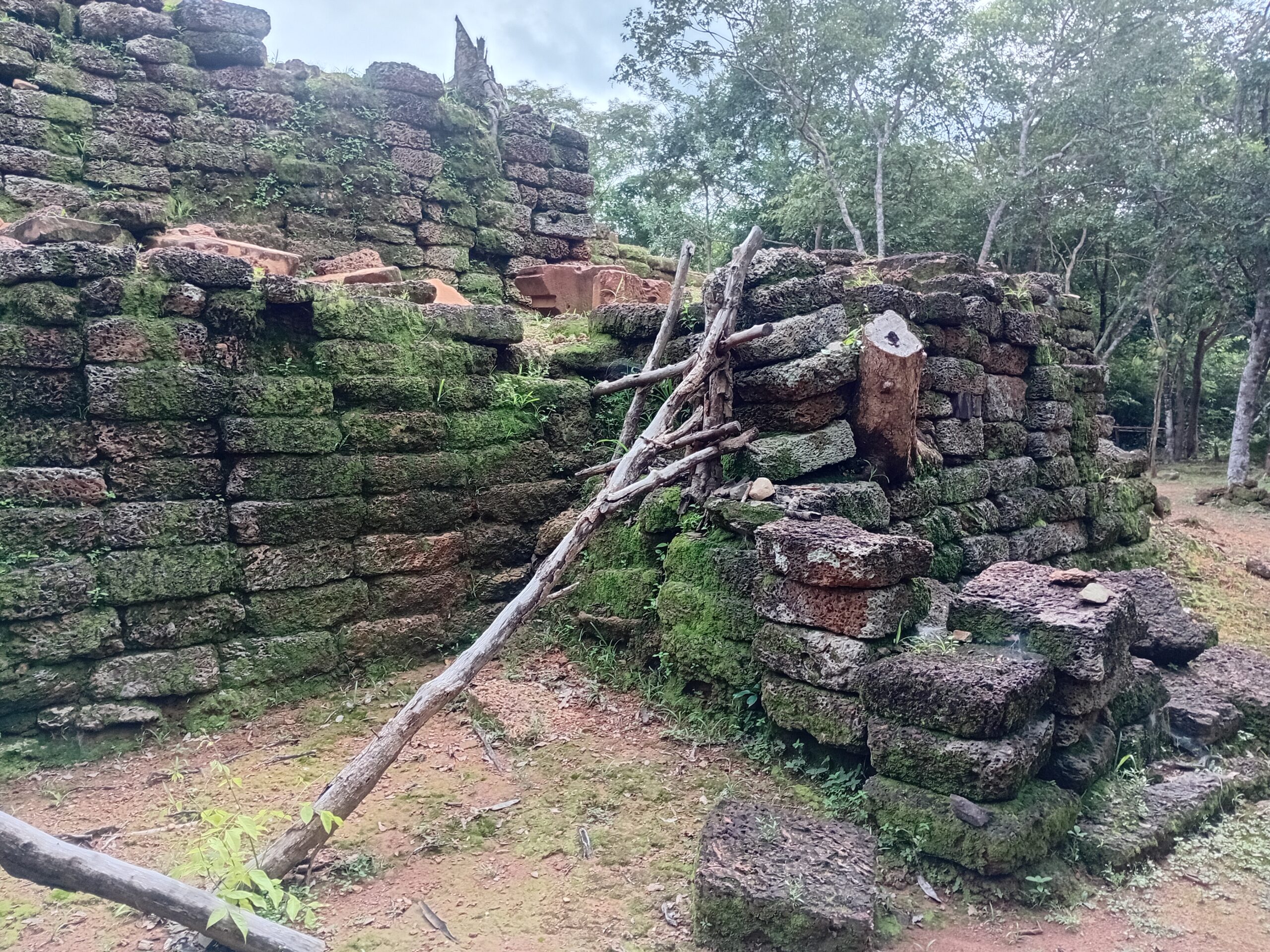
The Phnom Bok temple was still fairly intact despite the many years of weathering. This isn’t the most restored temple in the area, so there were still piles of rubble and walls with trees growing out of them. But you could still see the stupas and gopuras with carvings of asura etched into them.
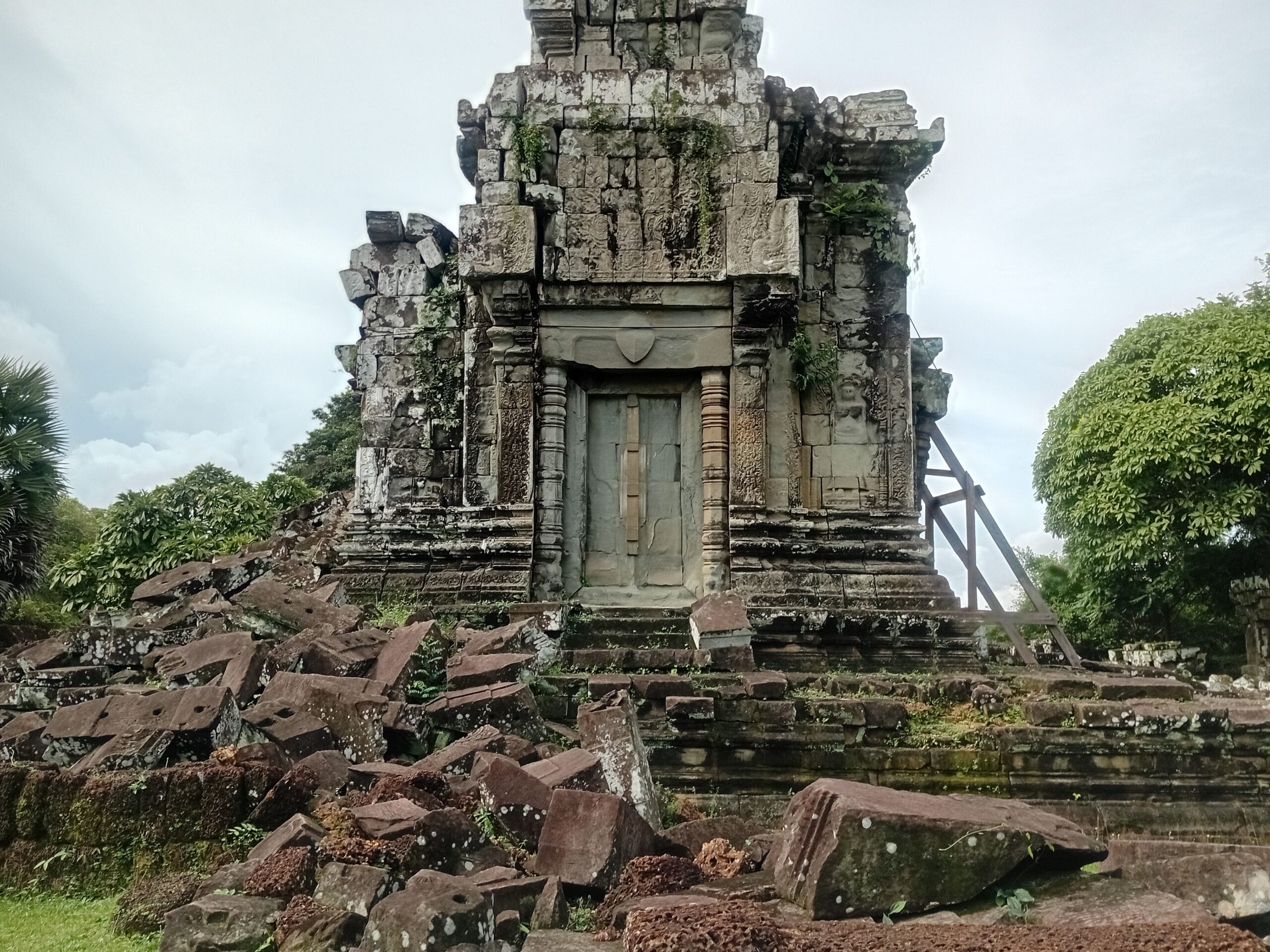
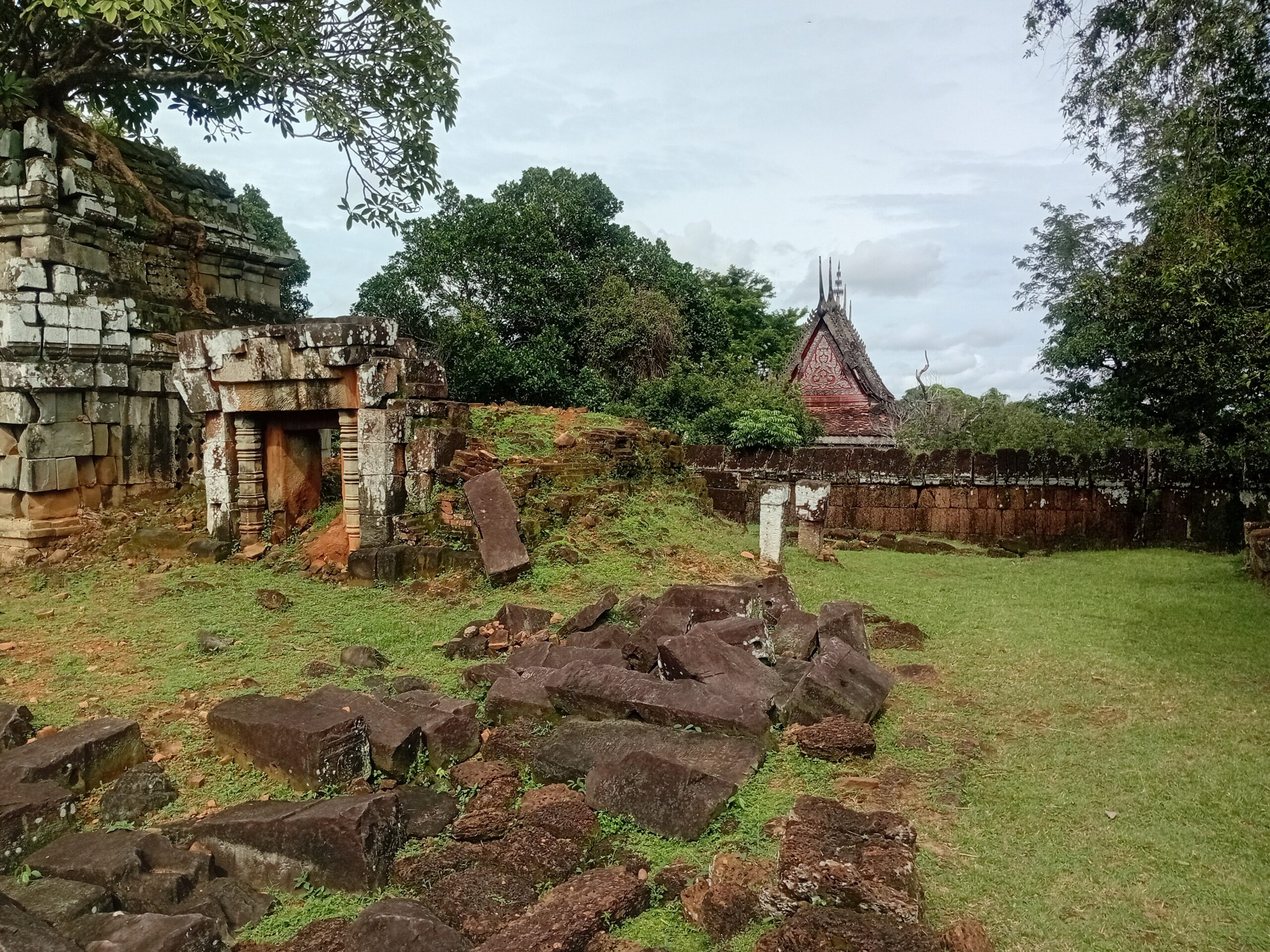
The basic layout of the temple remains intact. You can see where the walls and the gates would have been, as well as the path people must have taken had they come to worship at this temple. You can see the remains of the libraries that would have held books containing knowledge and wisdom.
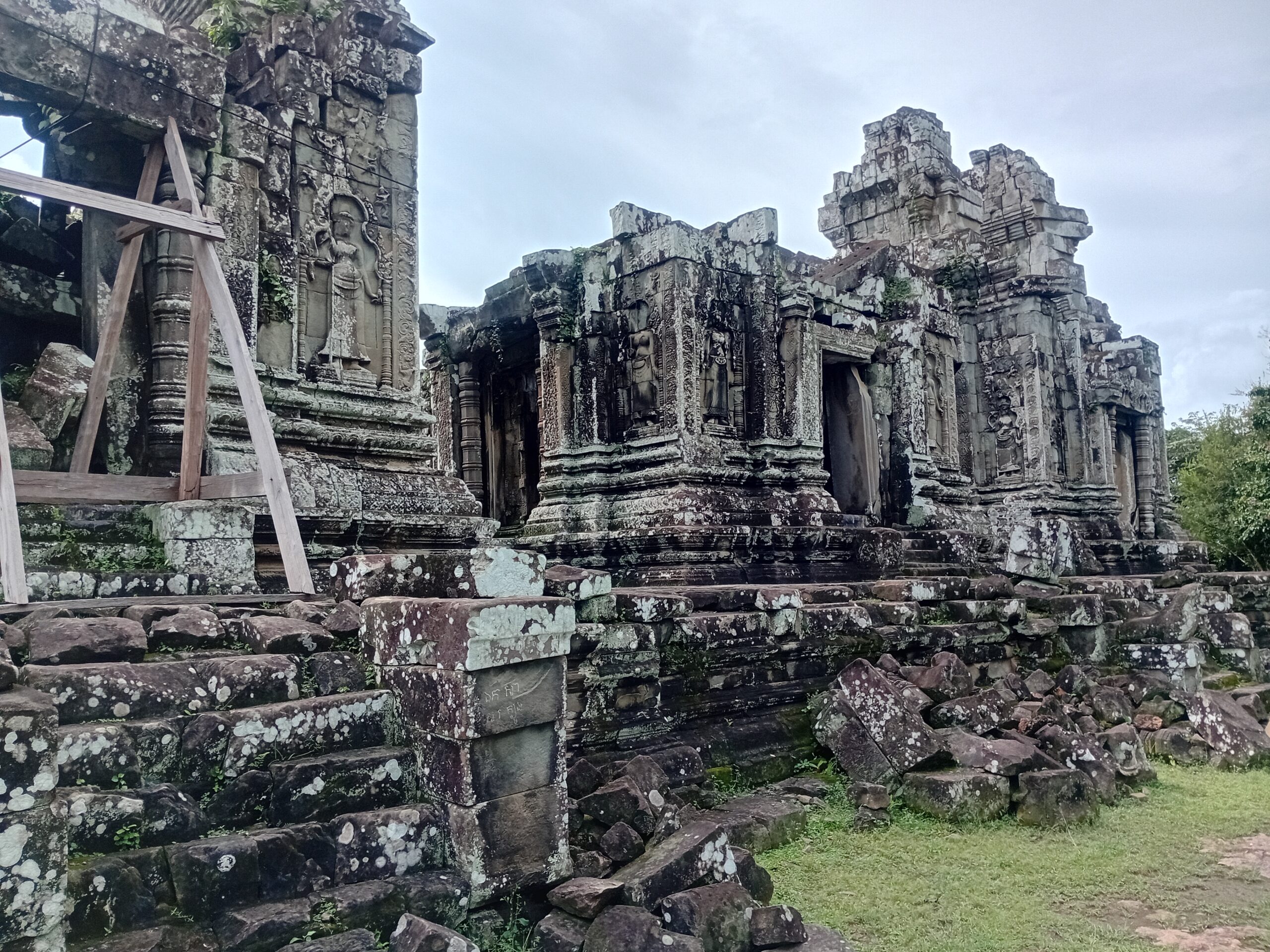
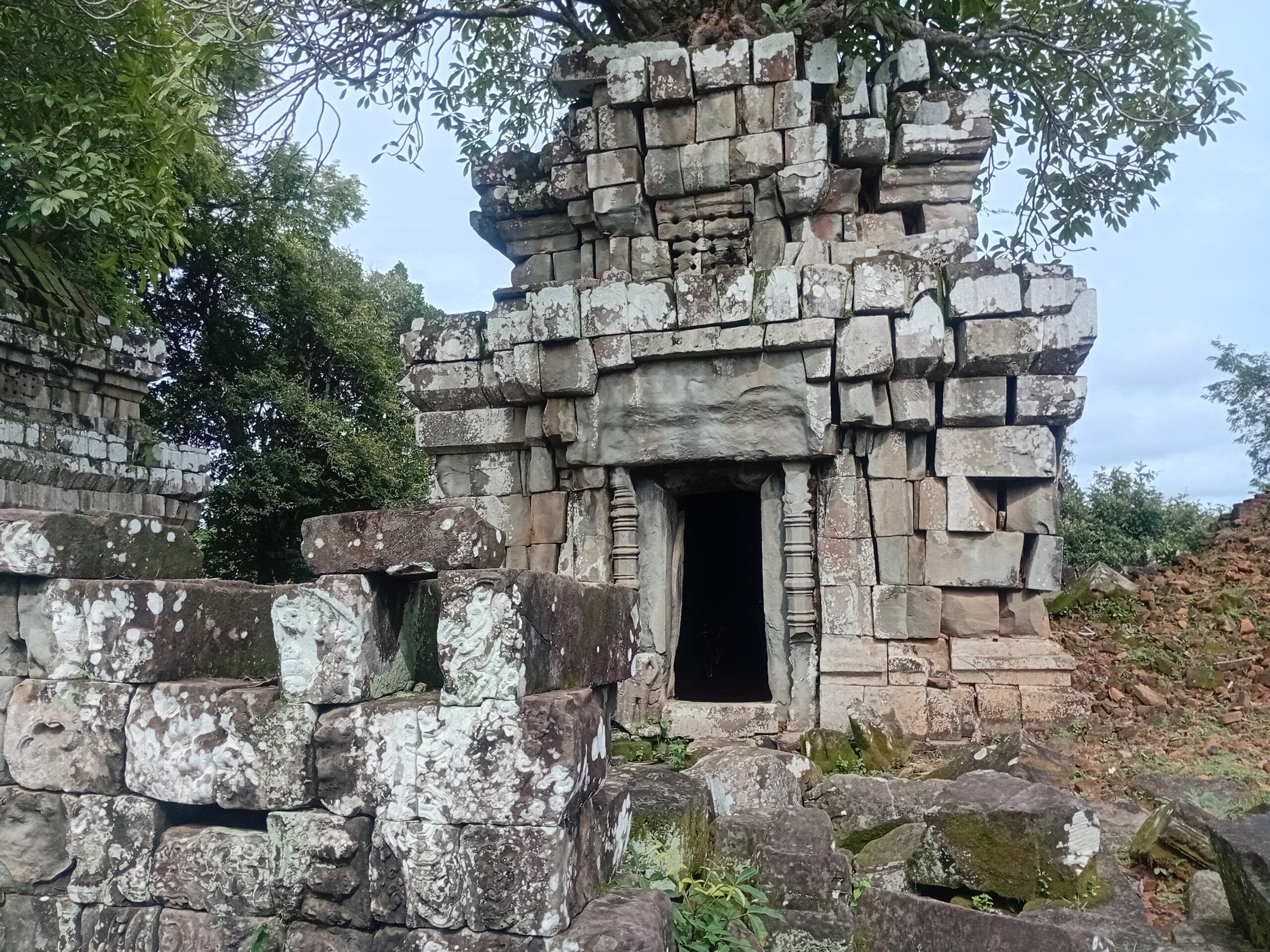
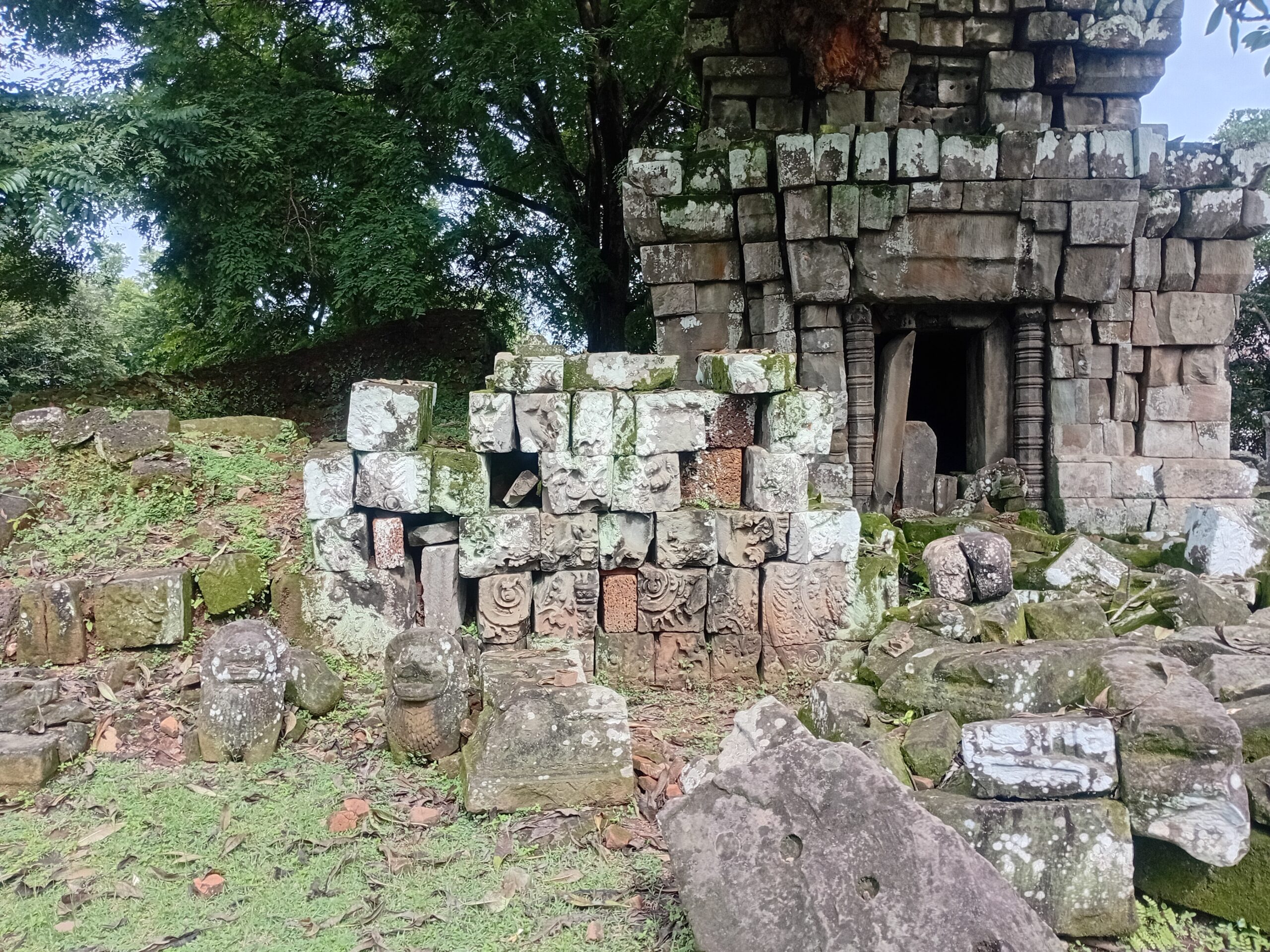
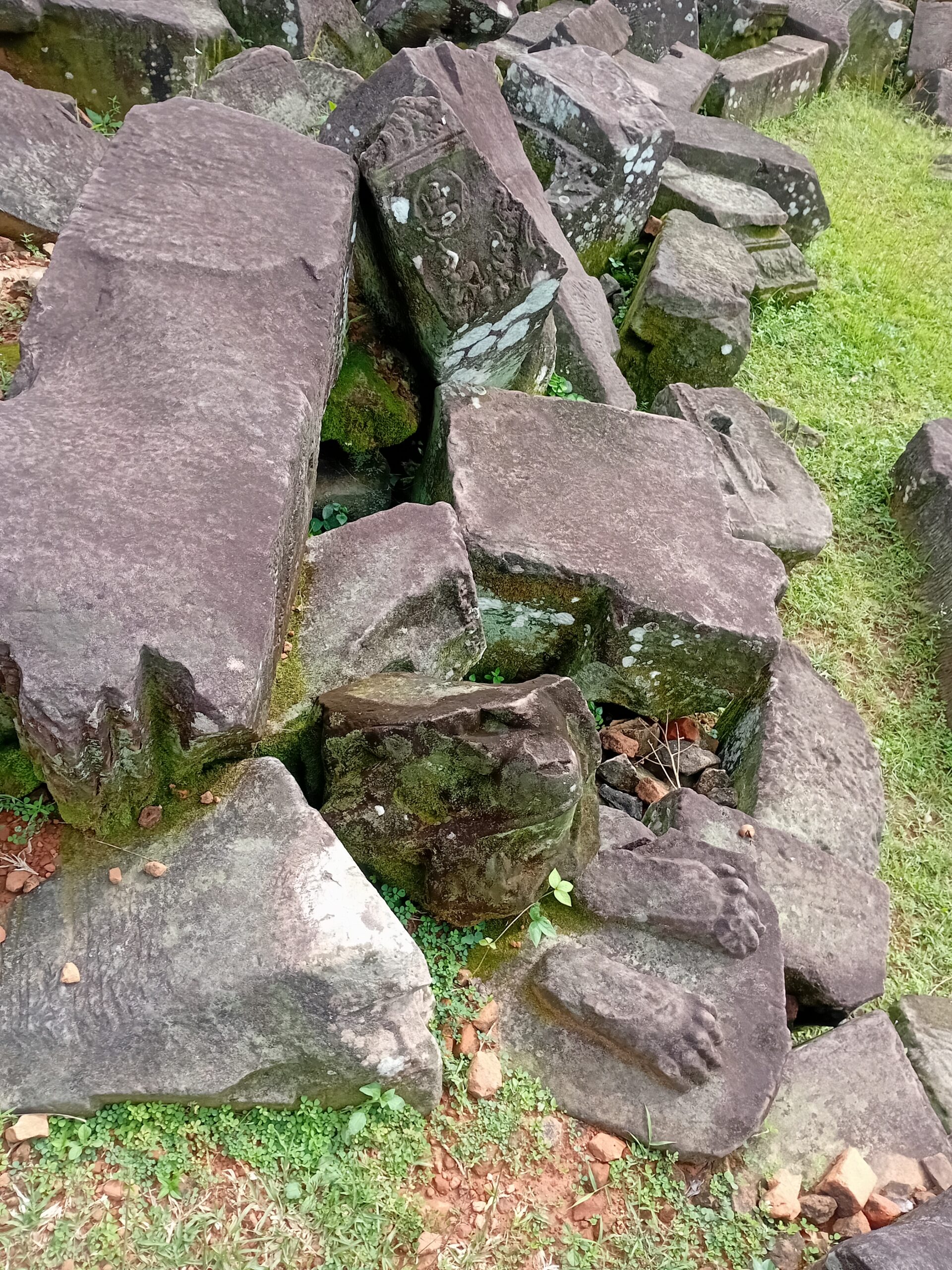
Among the ruins there are signs of what has been lost. Stone feet where a statue would have been. Doorways leading to a pile of stone now covered in dirt and grass. Walls partially rebuilt with their patterns not matching as they would have been when they were first built. It’s both a glimpse into the past, and a reminder that it takes effort to recover times gone by.
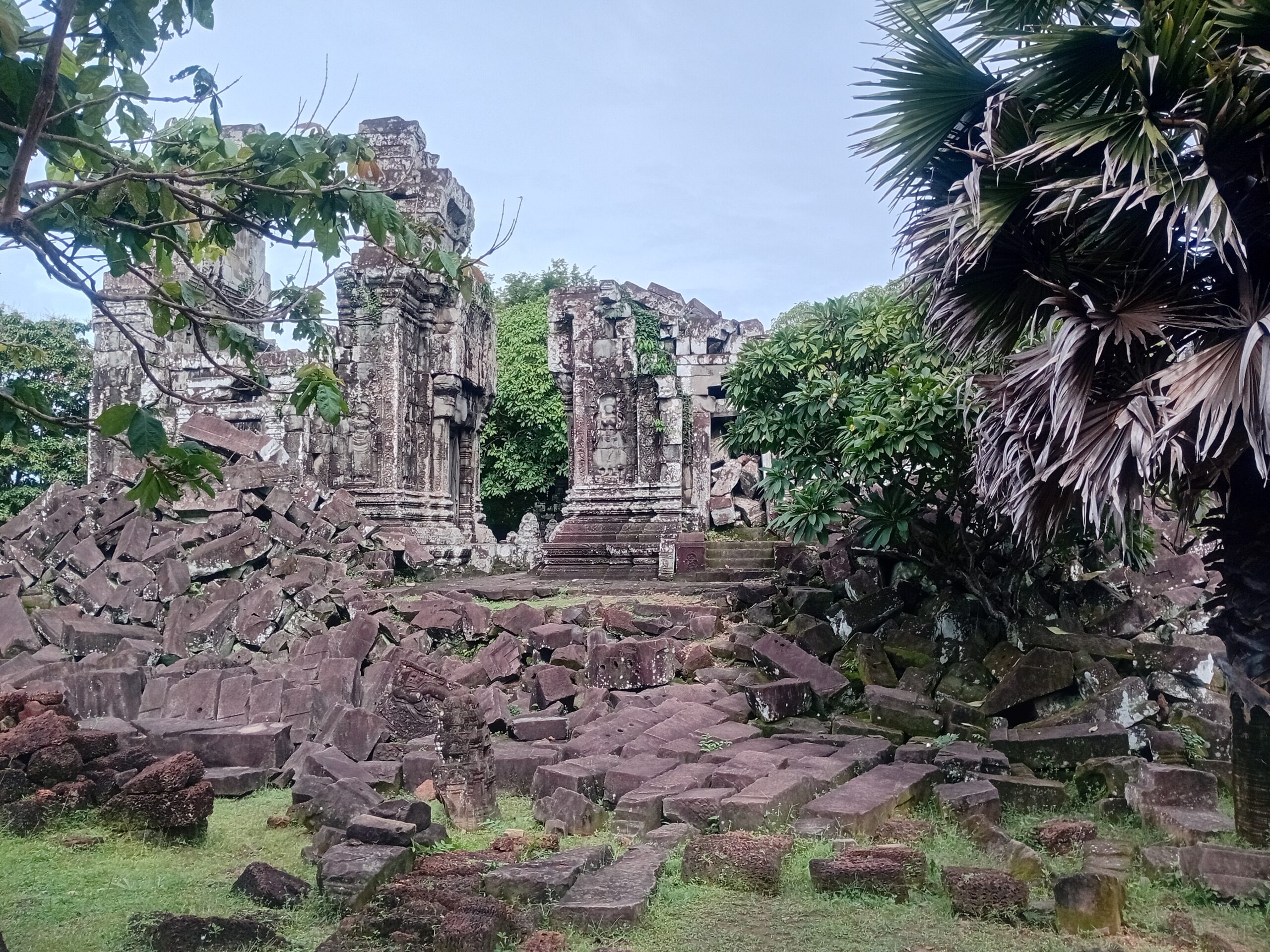
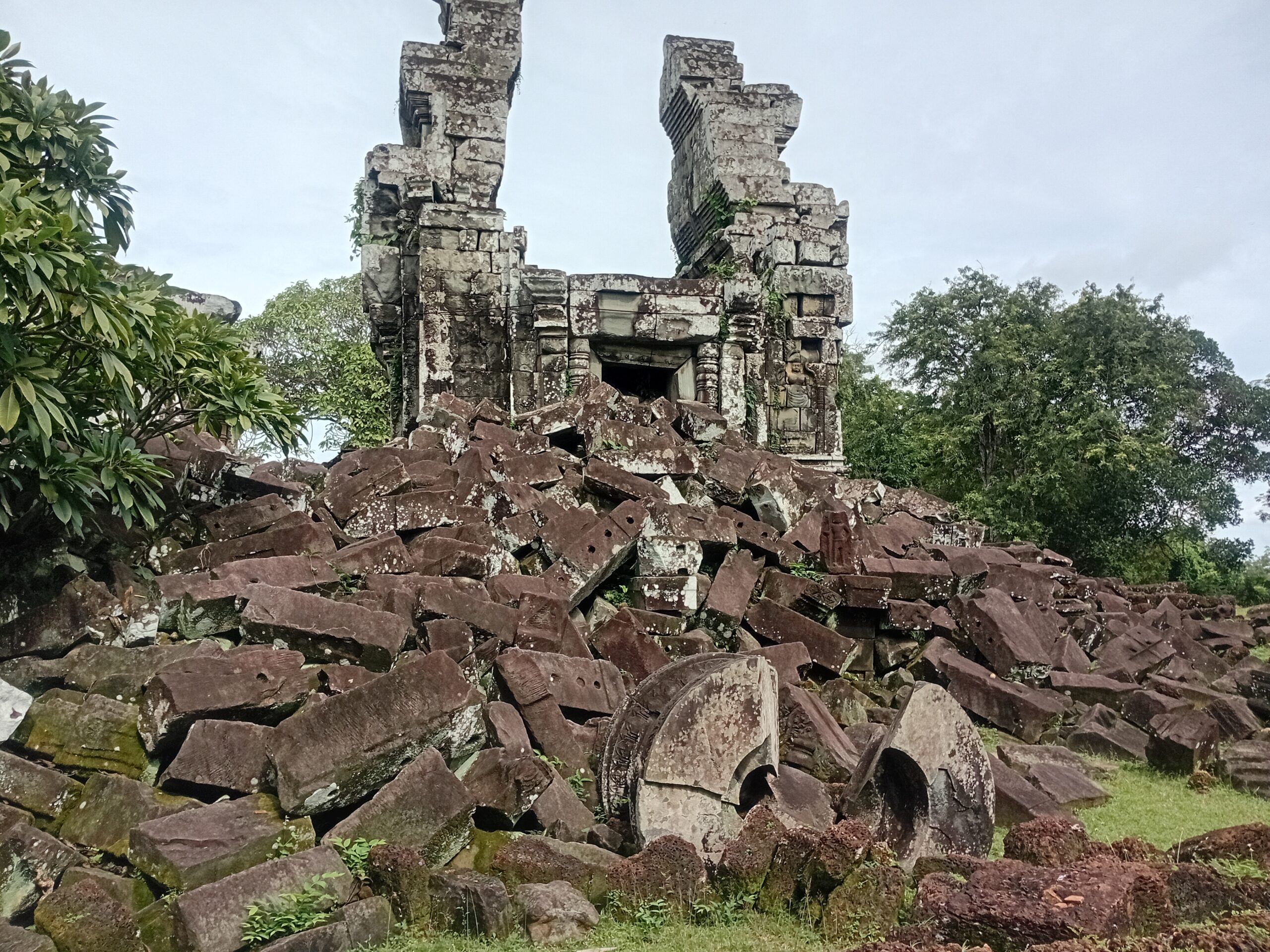
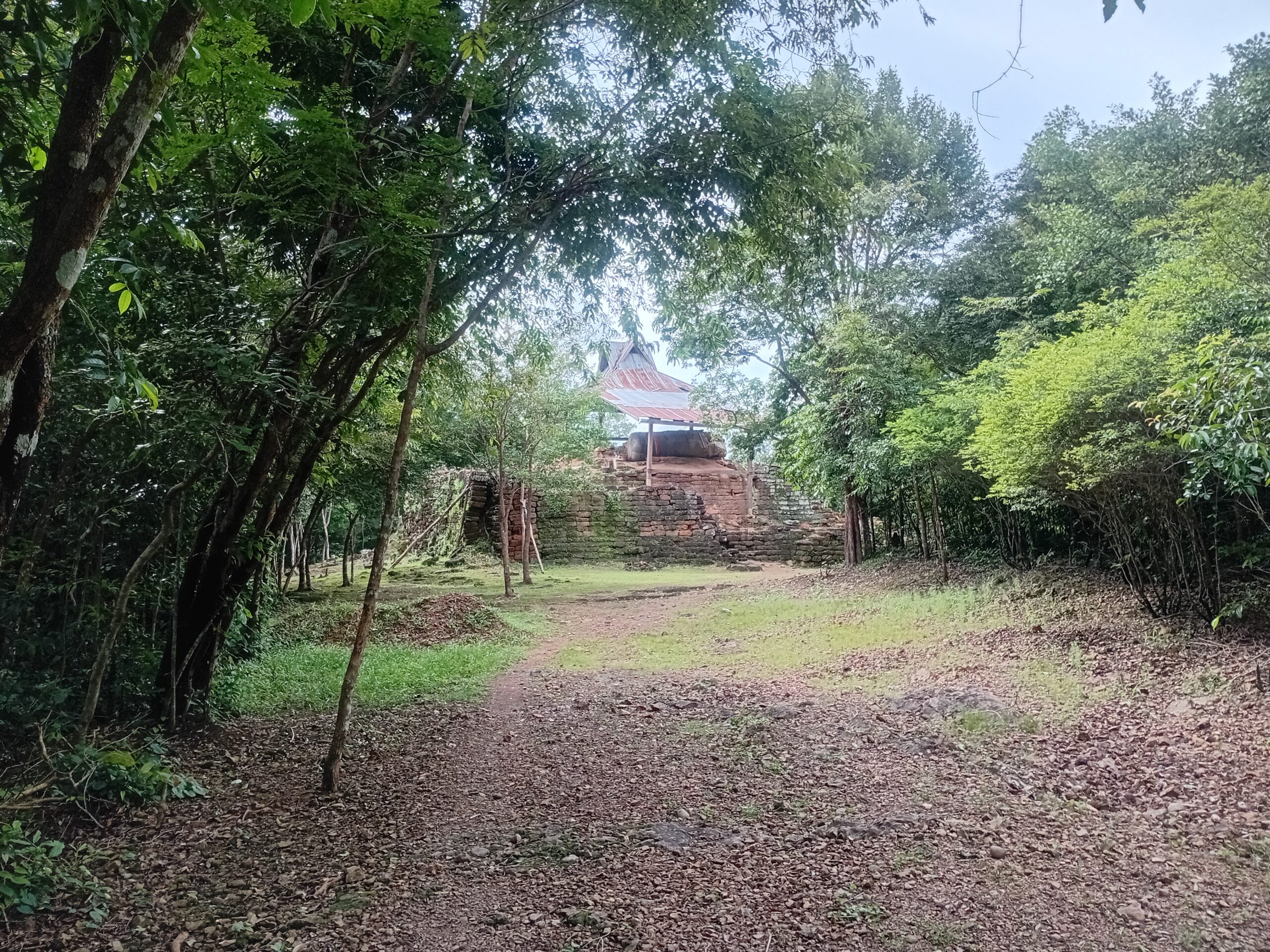
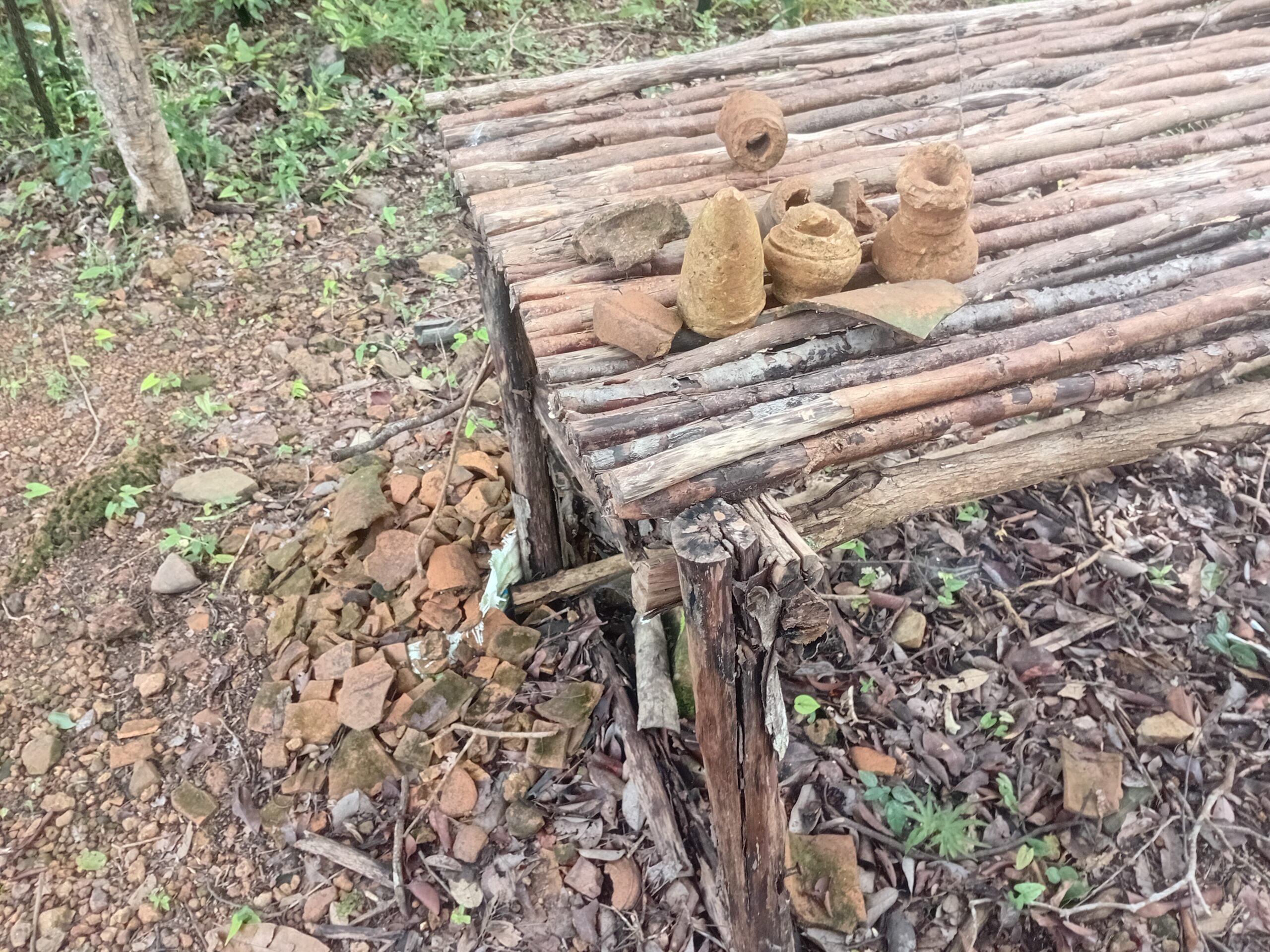
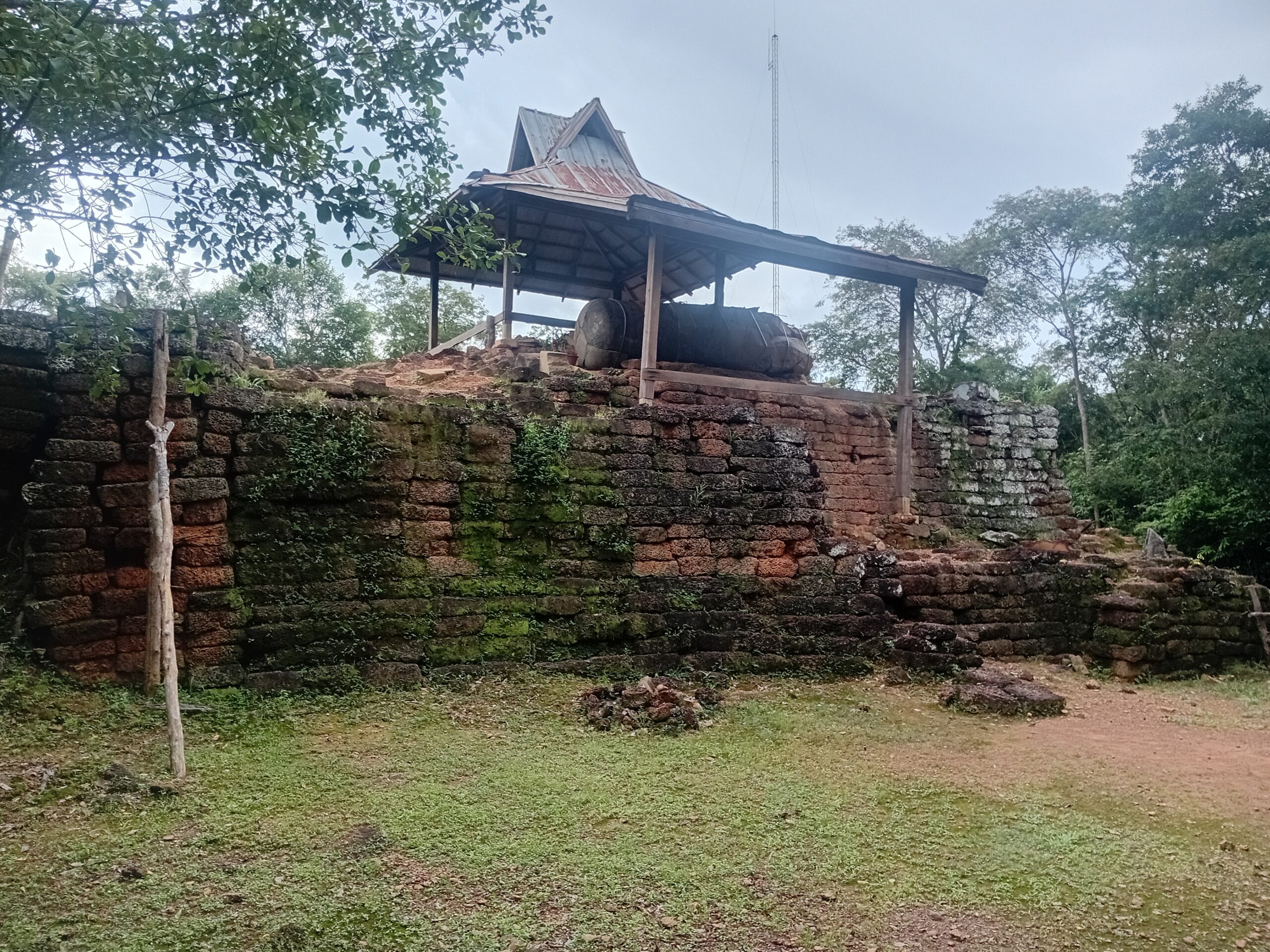
Behind the old temple there is a newer shrine, having been built for modern worshippers to offer their prayers. There is also another building that hasn’t been restored at all. Atop is a shelter hosting archaeological findings. Small clay pots lay on a table near here, presumably recent findings from excavating the area.
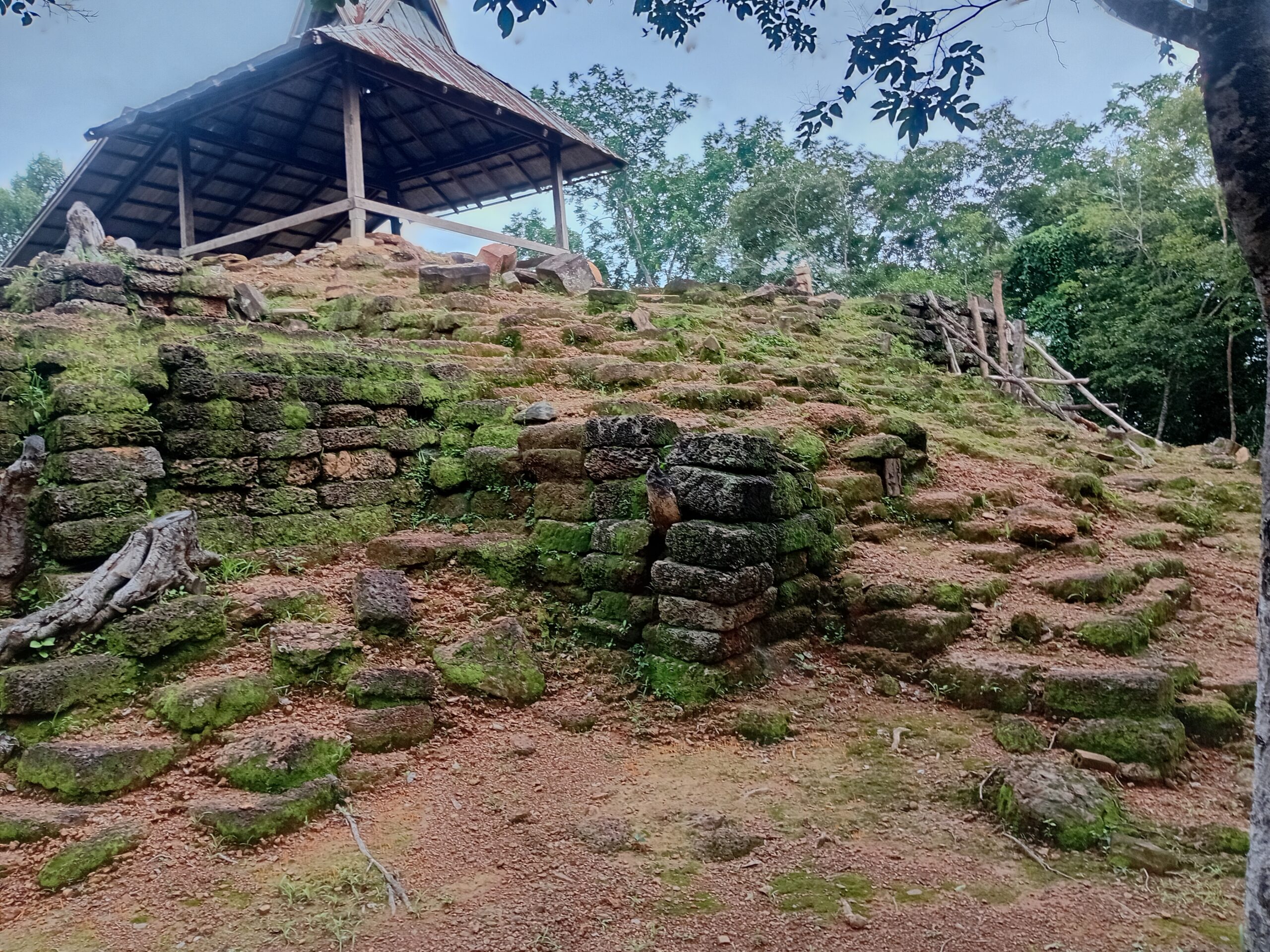
The shelter has a water tank underneath it which has been damaged beyond repair. Perhaps archaeologists aren’t putting as much focus into this area these days. It’s a shame, but there are a large number of temples in this area, and ultimately people have to make a choice about where they focus their efforts.
As I left the area I passed by a local Cambodian family. They had supplies with them for a picnic. Cambodians don’t need passes or permission to visit the temples, so they get to enjoy their own history and culture with no restrictions. Tourists can help by respecting the temples, and contributing a small amount toward the conservation and archaeology in the area.
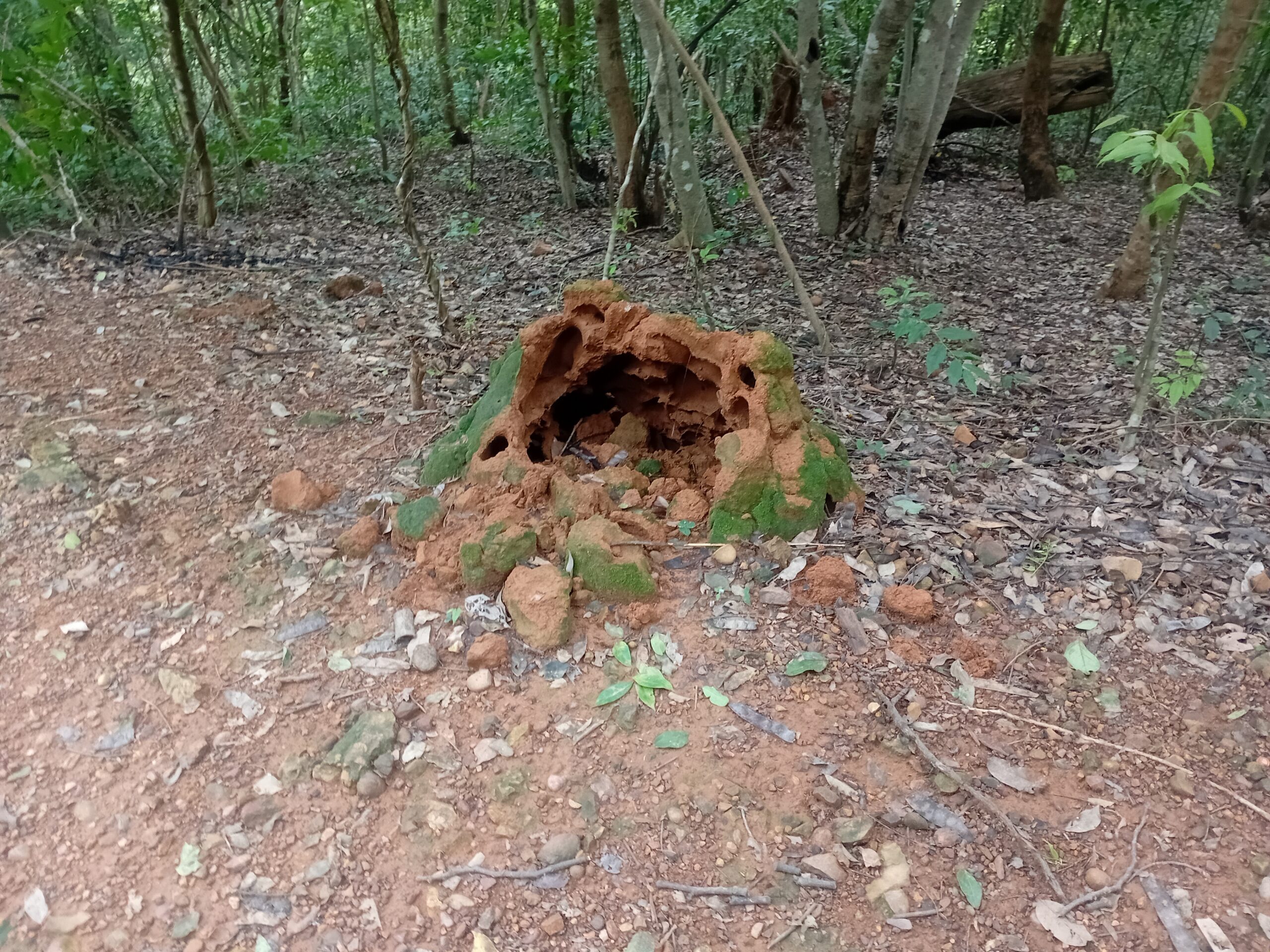
The only other thing I saw of any interest was a large termite’s nest. These are all over the area, and they are partially responsible for the temples no longer having any wooden structures remaining. As the homes in this area would have also been built from perishable materials including wood, I wonder if they are also responsible for dismantling the small cities that once stood here.


