

After participating with Portal 91 in India, I spent some time by myself in Bangalore. One of the first places I visited was the Museum of Art and Photography. At the time, they were hosting an exhibition to celebrate the 100th year of Krishna Reddy’s art.
It’s easy to miss the Museom of Art and Photography (MAP) as it isn’t as obvious as the many other museums and galleries along Kasturba Road. Once you see the MAP logo, however, you will know you are in the right place. I walk in and ask about the exhibit. After purchasing a ticket they gave me a guide book that explained who Krishna Reddy was, and his life as an artist and a teacher.
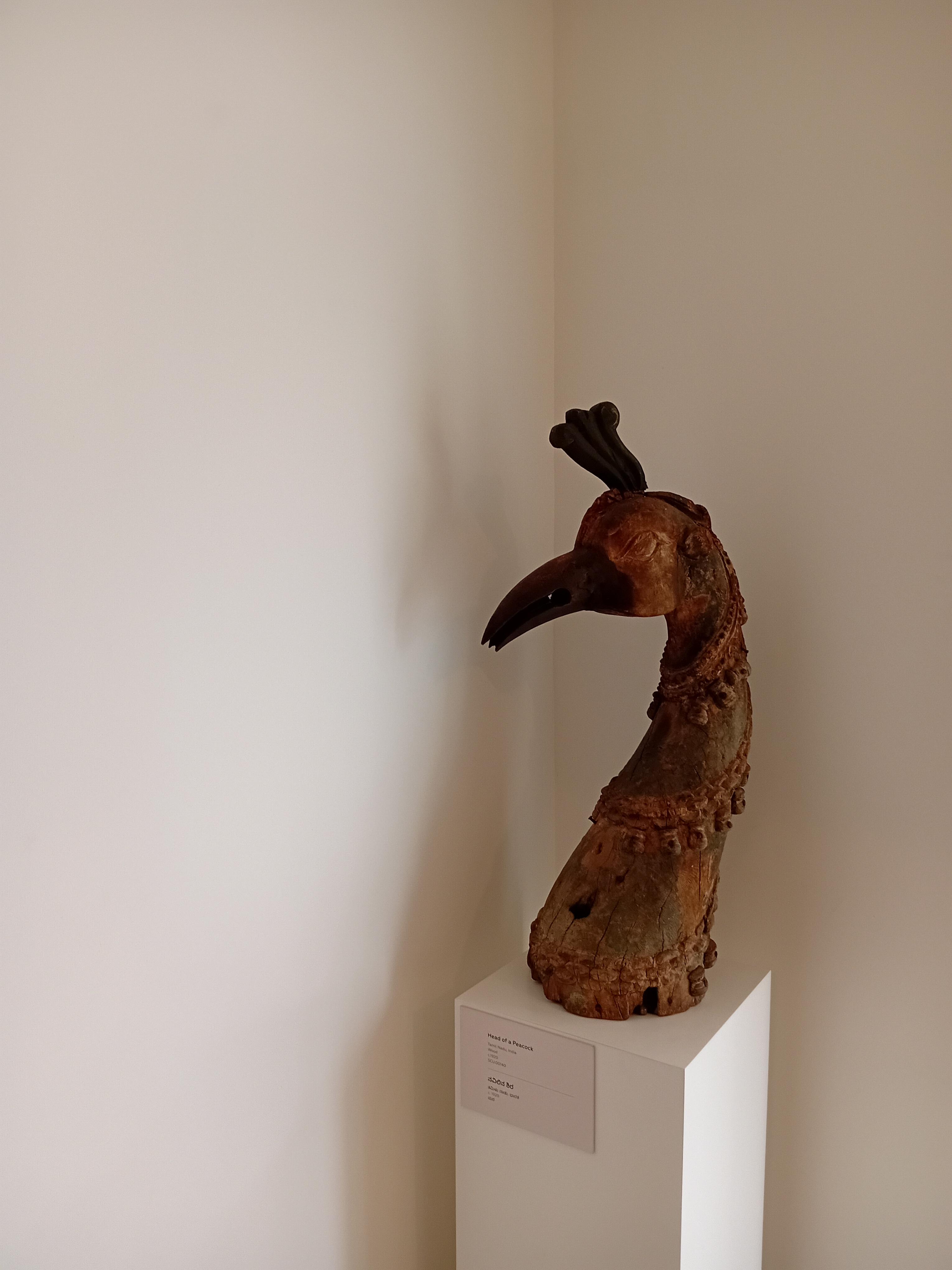
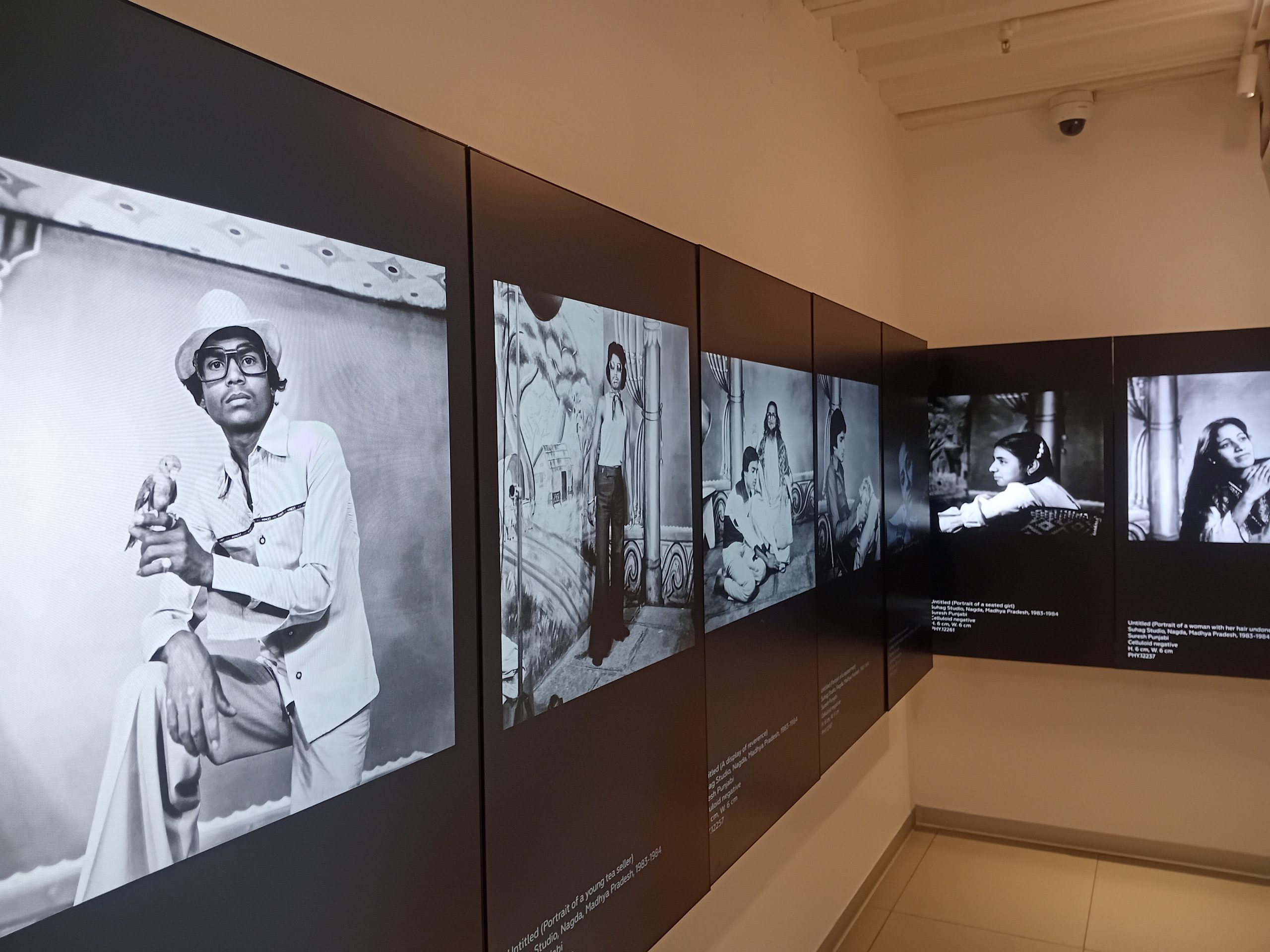
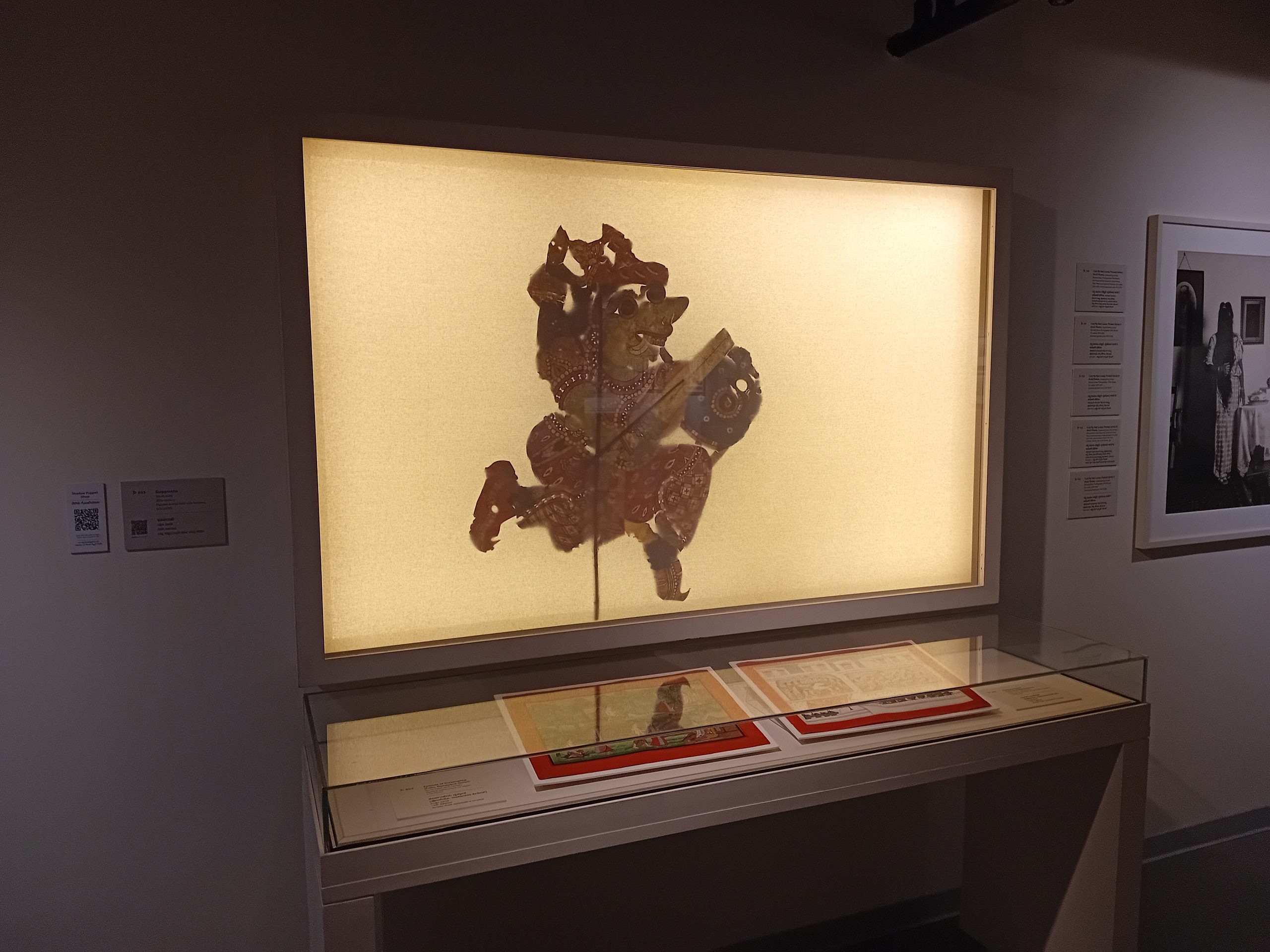
Of course, like most other museums, there were free exhibits to enjoy as well. I spent some time enjoying these exhibitions before going to the main event. They had antique sculptures, as well as a large exhibition of historical photography taken over the last century.
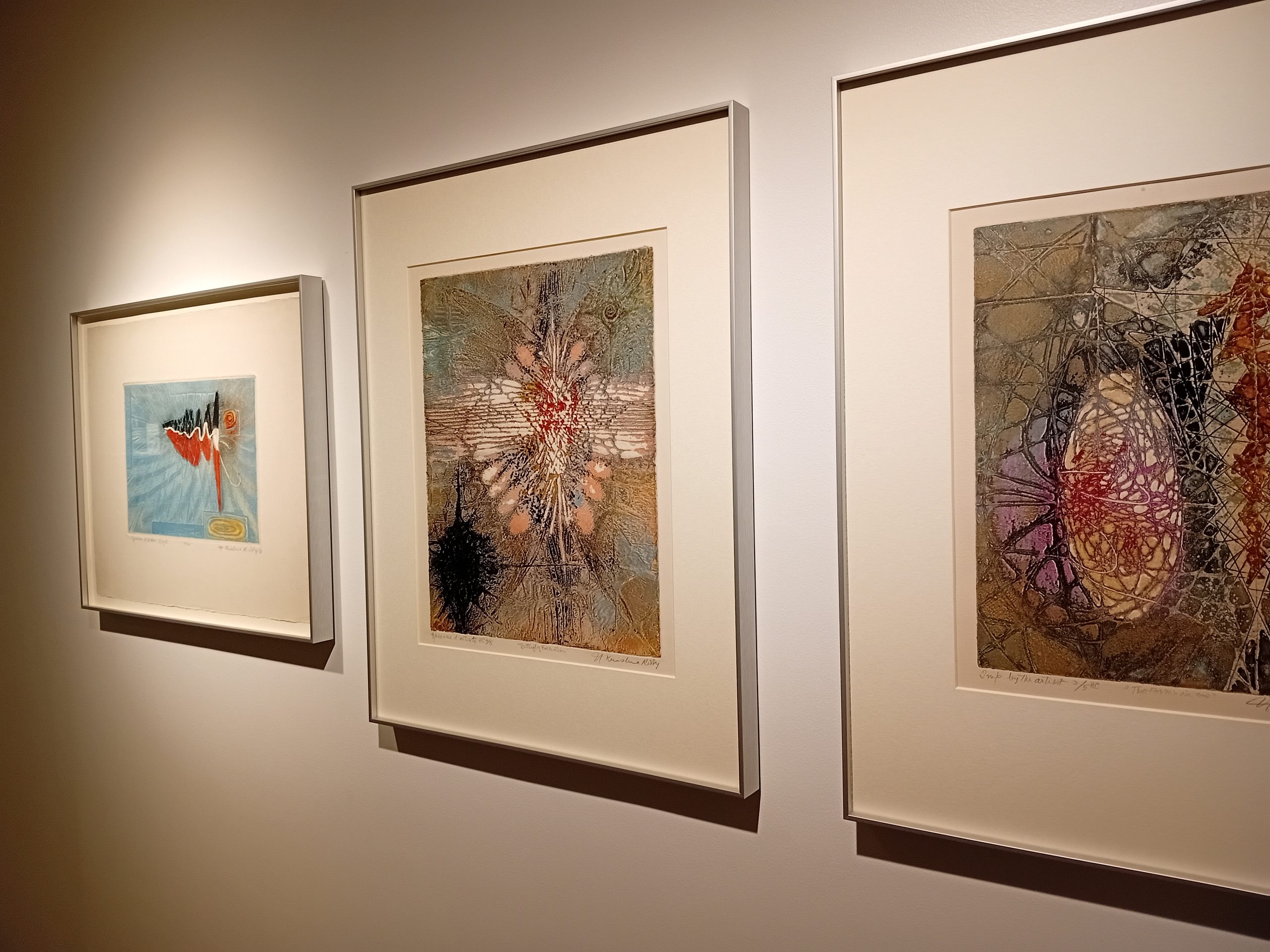
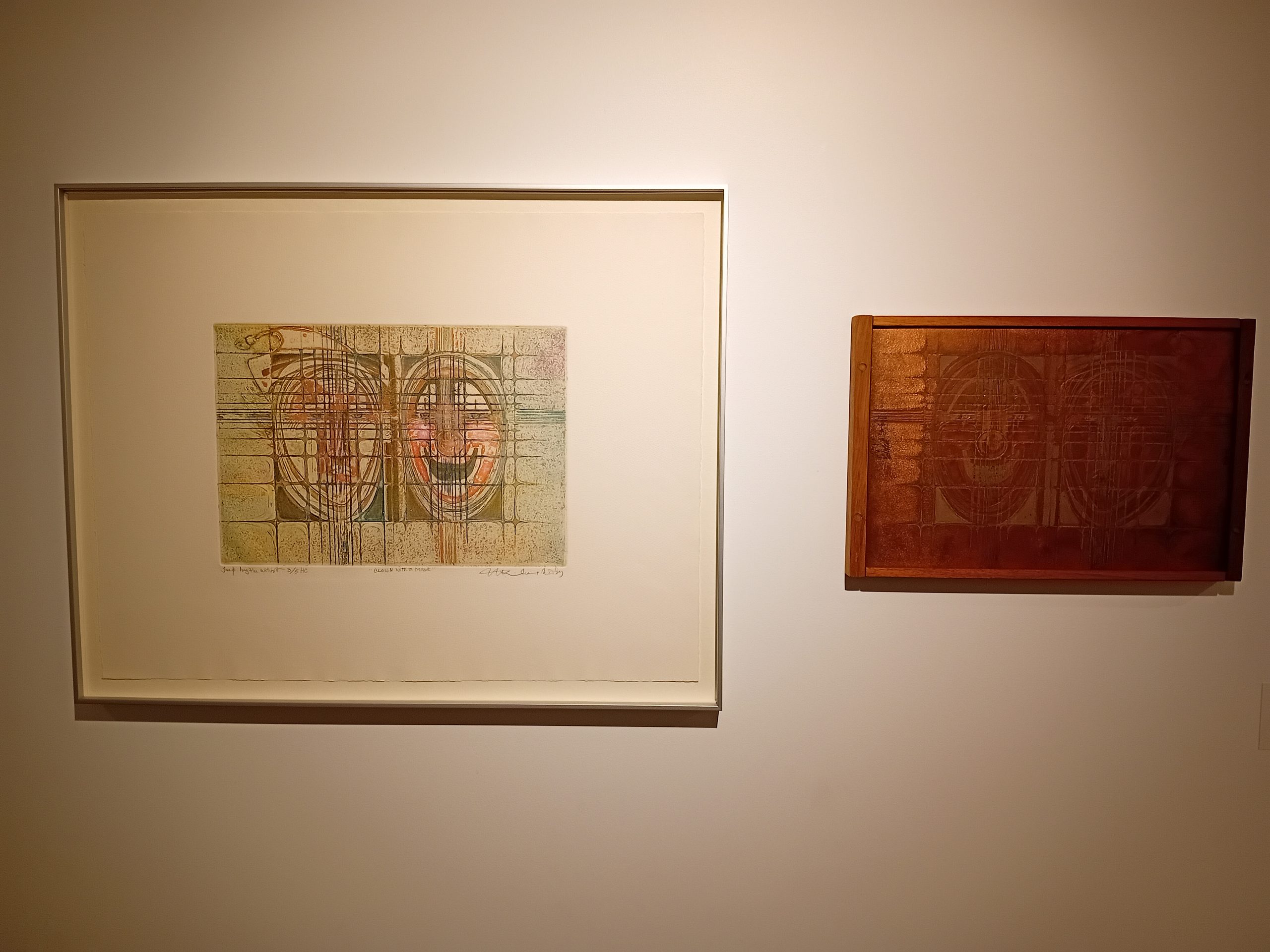
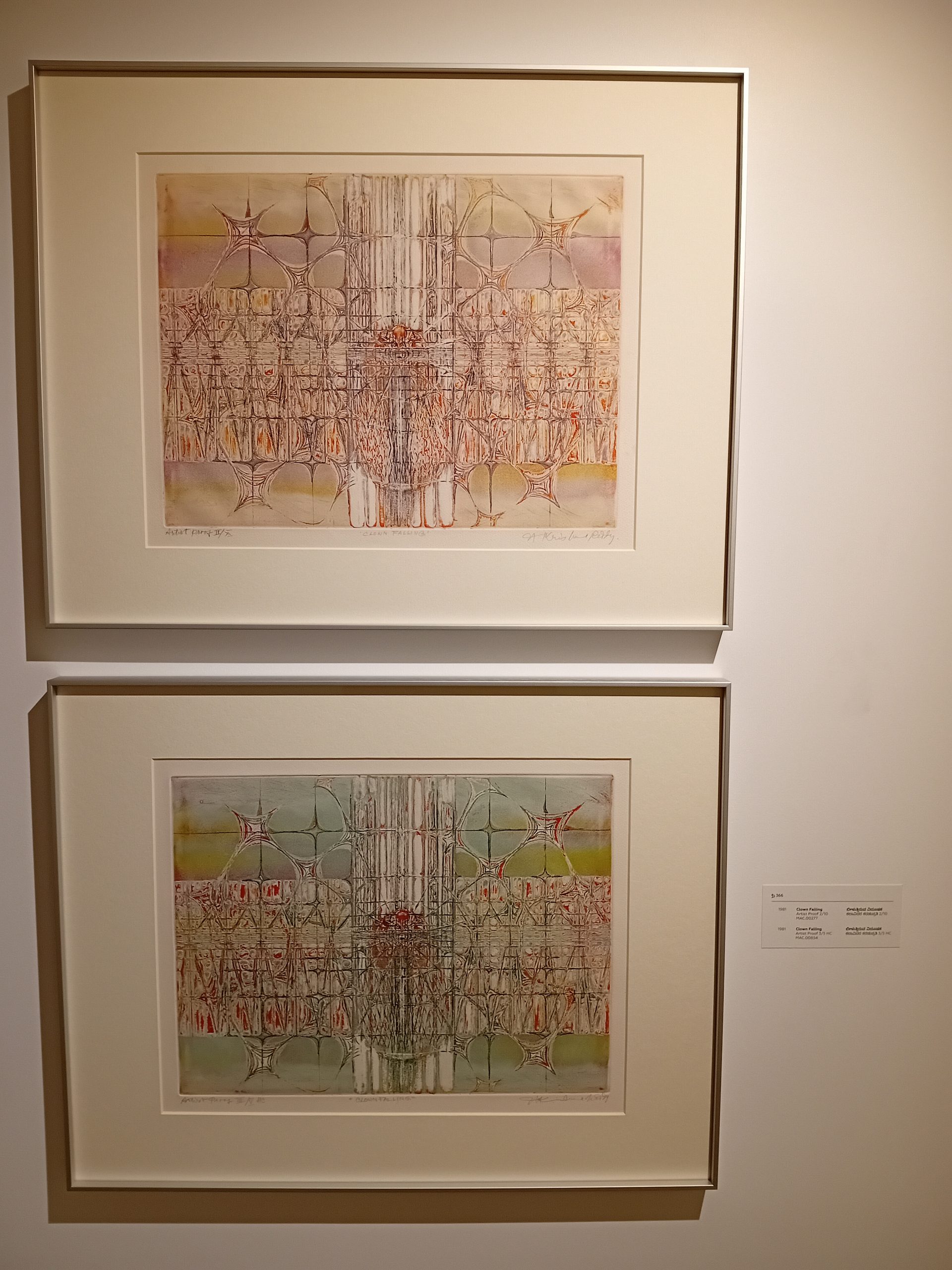
Krishna Reddy created much of his art using plates. He would first engrave one or more plates, and then use those plates to create his prints. He would explore new ways of combining colours with varying viscosities. He would hand paint each plate and then apply it to canvas using different kinds of rollers. He wasn’t just creating prints, he was exploring the possibilities of the medium.
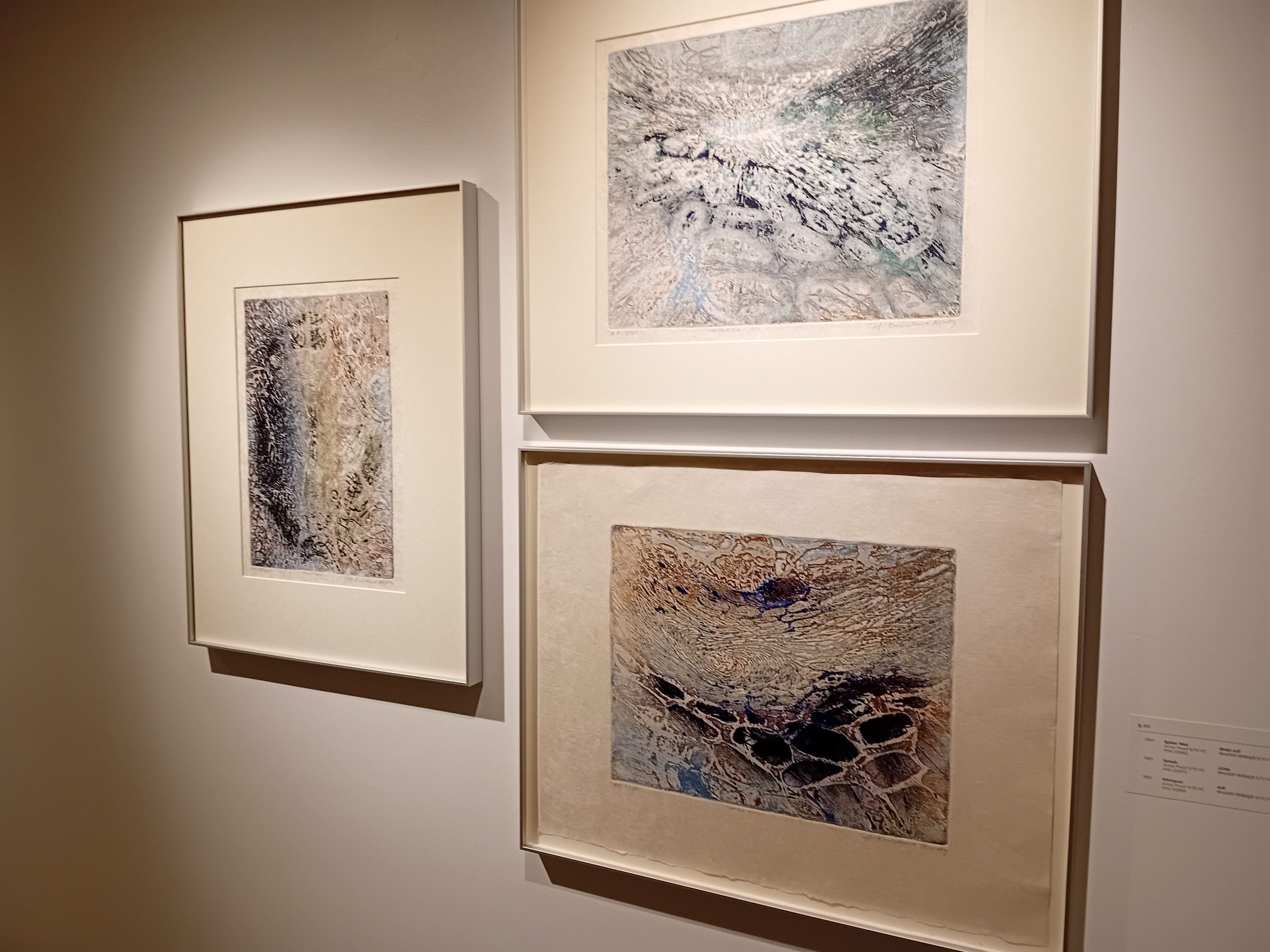
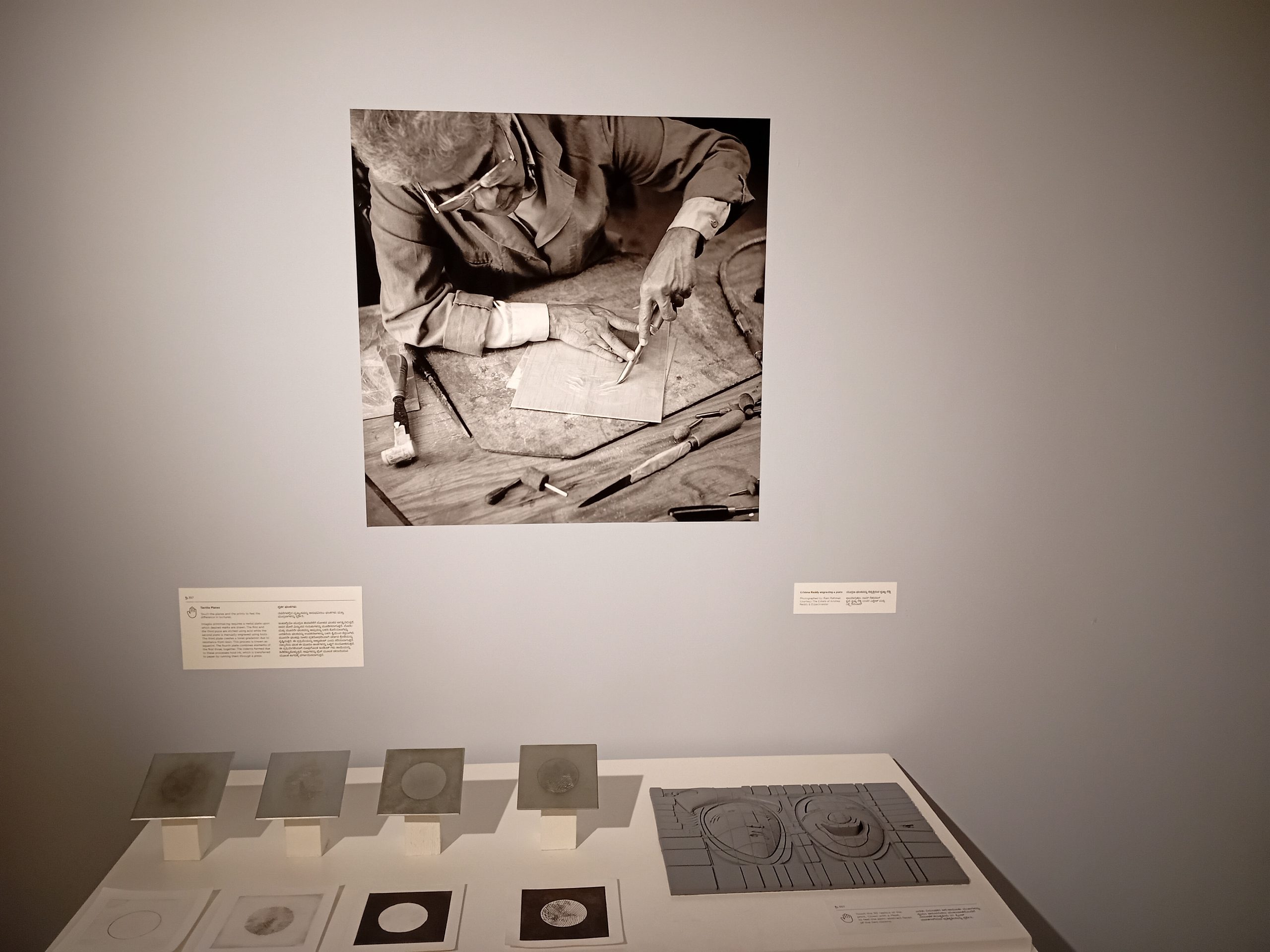
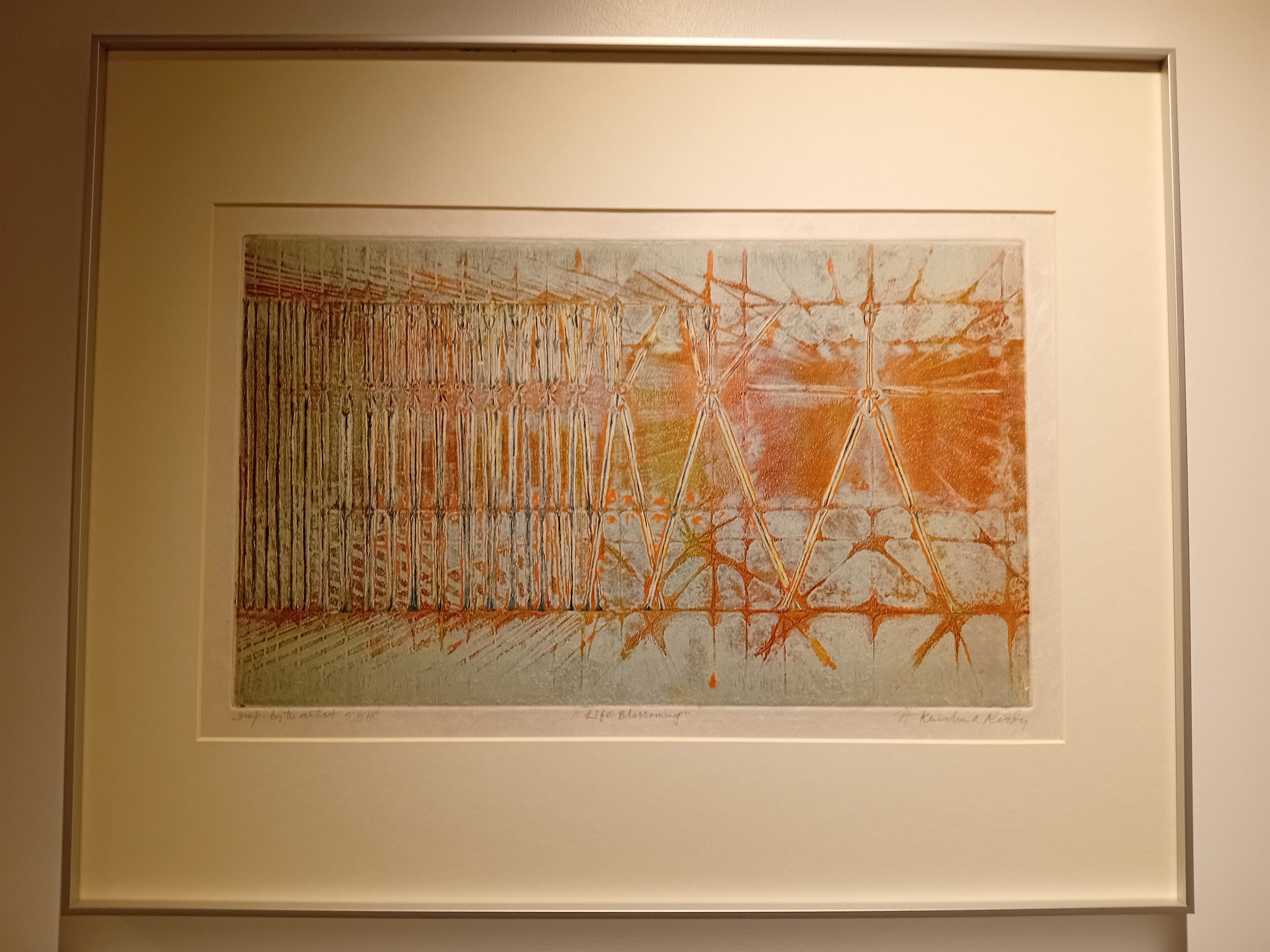
Reddy would often explore motifs, reusing plates in the same or multiple prints. In doing so he would also be exploring the possibilities of repeated symbols and patterns, something our human brains are keenly adapted to. One particular print of this type, Life Blossoming, stood out to me. The plate he used to create it made me think of the Man that is Burned each year in the Nevada Desert.
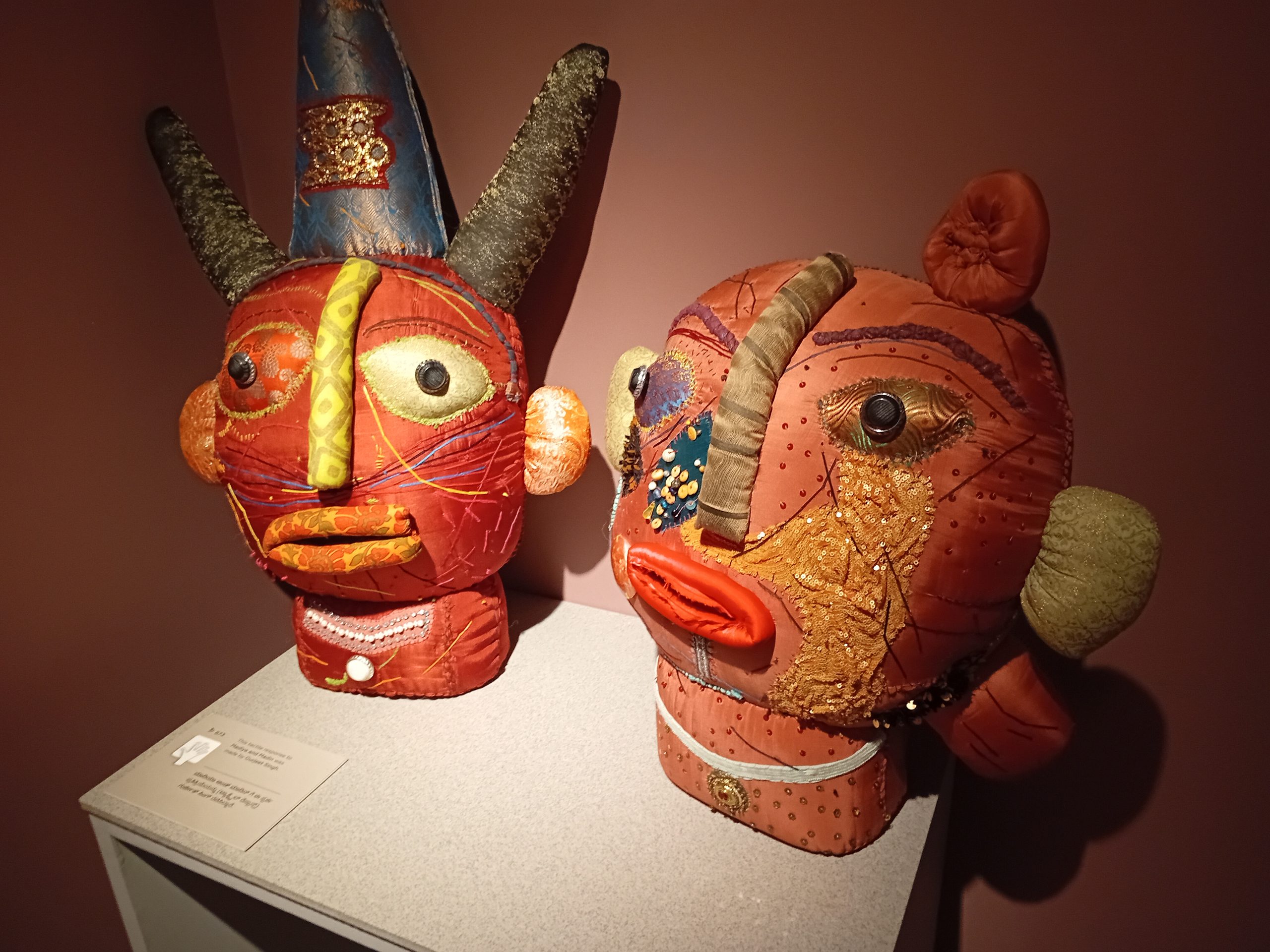
After finishing the exhibition I went on to see what other free exhibitions the Museum of Art and Photography was running. The other main exhibition was exploring the representation of women in art. It invited the viewer to explore the themes of sexuality, violence and resistance on display at the curated works showing how women were portrayed in different cultures throughout history.
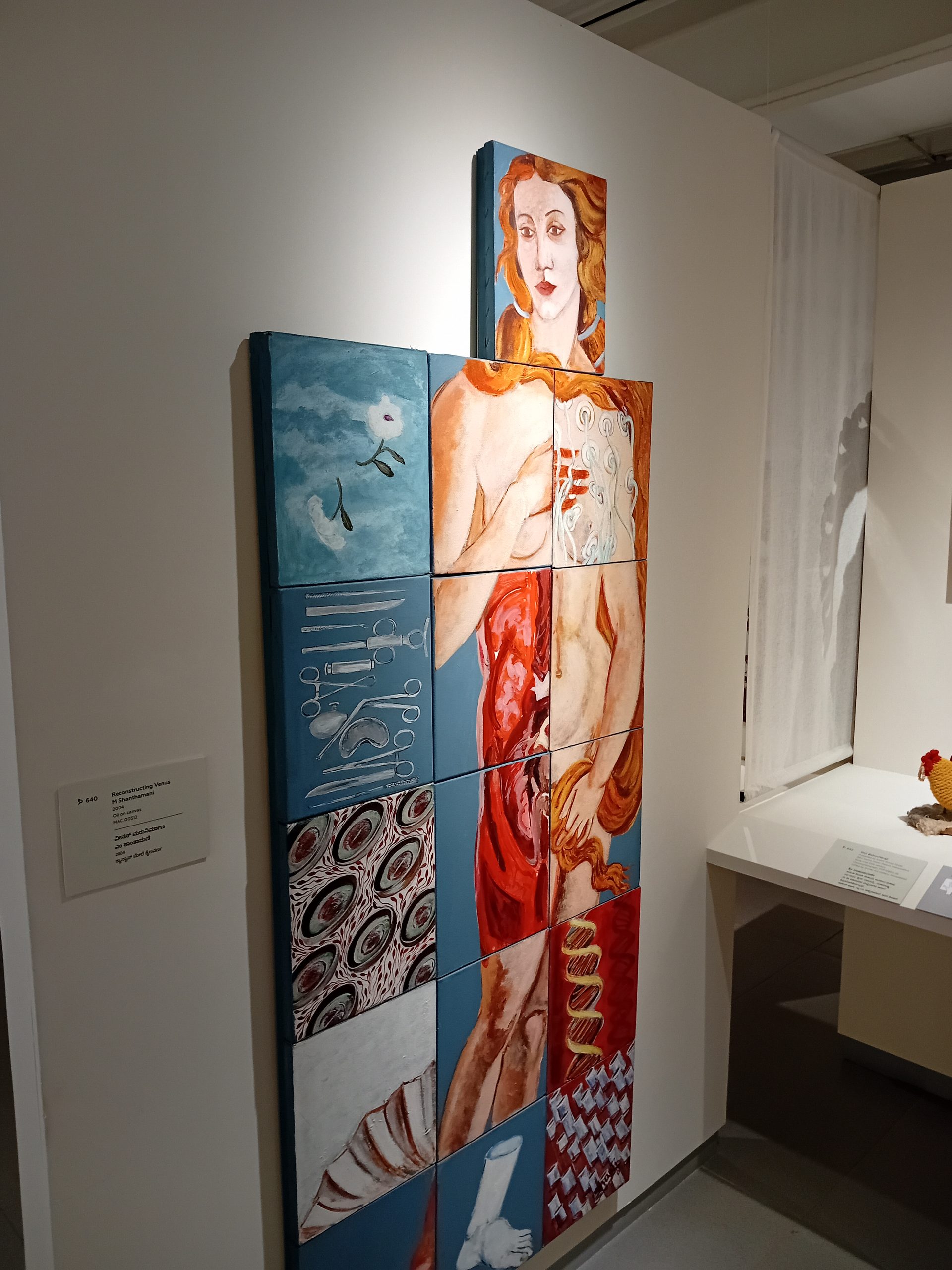
Reconstructing Venus had a particular impact on me. Based on Botticelli’s Birth of Venus, it reframes it as a surgery. Parts of the image are cut away, revealing internal organs, DNA strands, and body parts. Surgical tools are arranged on one panel. Perhaps this is an attempt by a Frankenstein-like mad scientist to recreate the beauty lost to time.
I left the Museum of Art and Photography with a new appreciation for the possibilities of alternative mediums, as well as a renewed look at how women are or have been portrayed in art. It’s a place I would recommend to anyone visiting Bangalore. They always have new exhibitions, so each time you visit will be a different experience. Next time I’m in the city, I’ll be sure to visit.


