

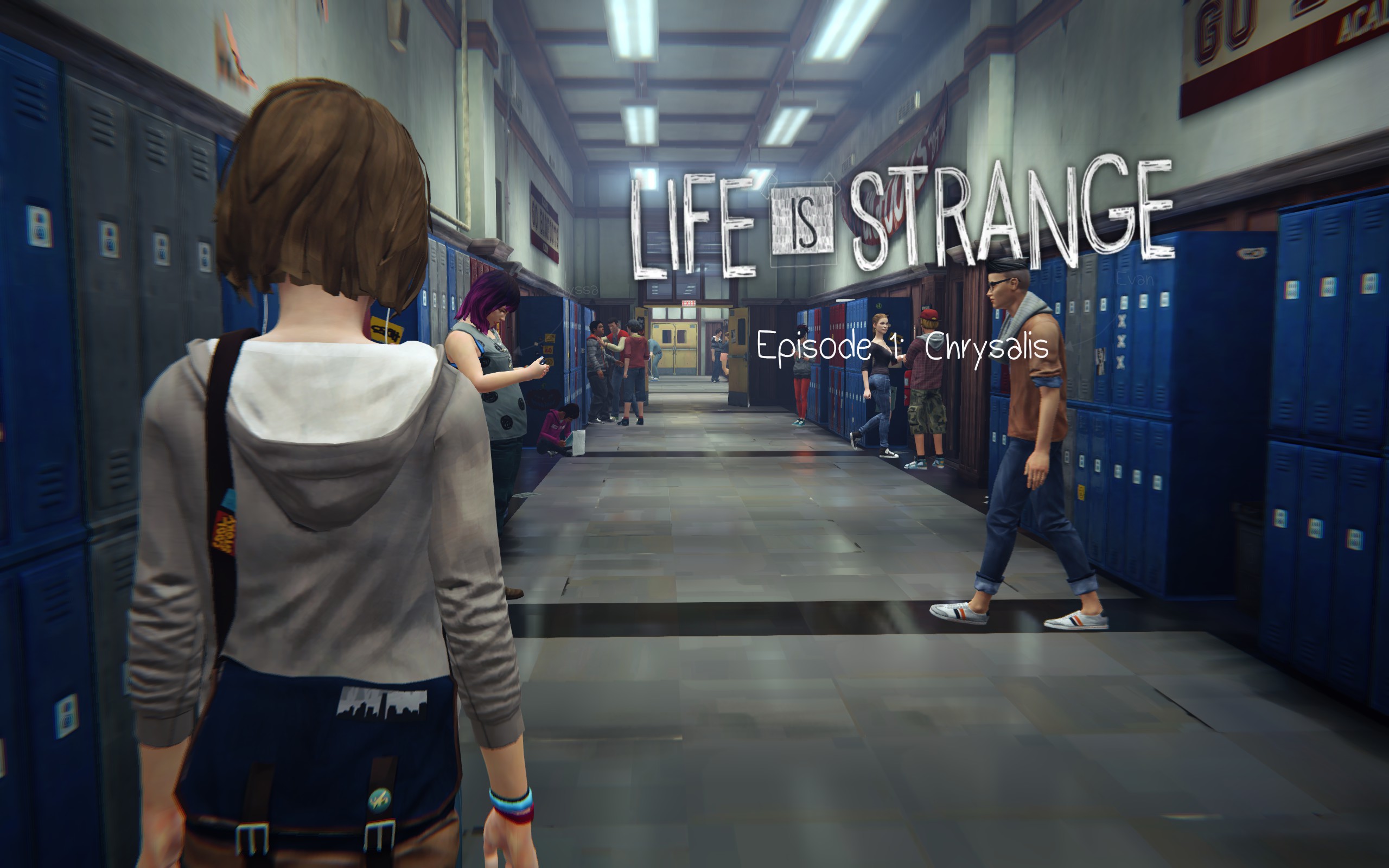
I played the first chapter of Life is Strange and ended up doing something I swore I wouldn’t do when I started this project: I bought a new game. I got so hooked on these characters and their story that now I have to see it all the way until the end.
Getting Used to the Game
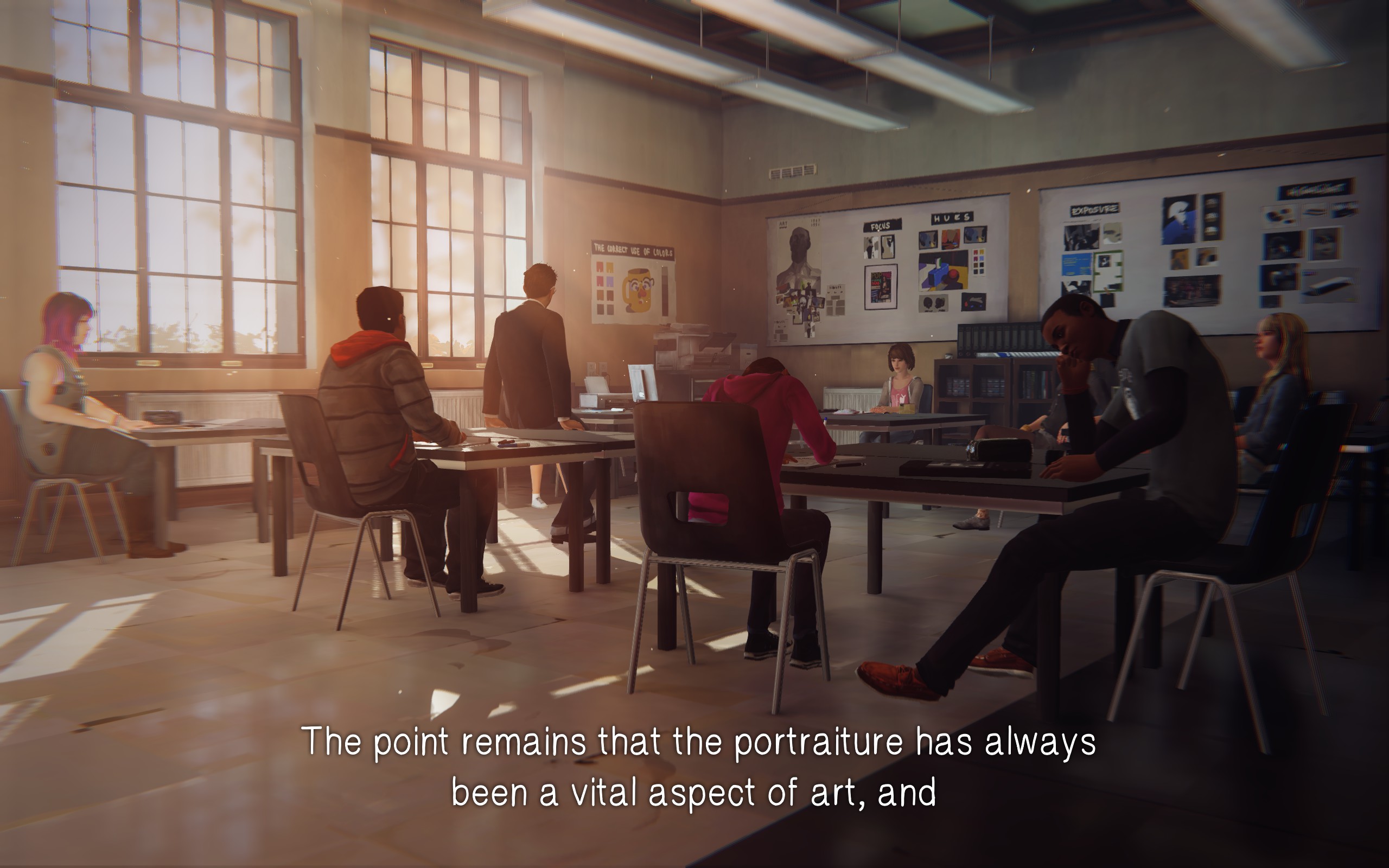
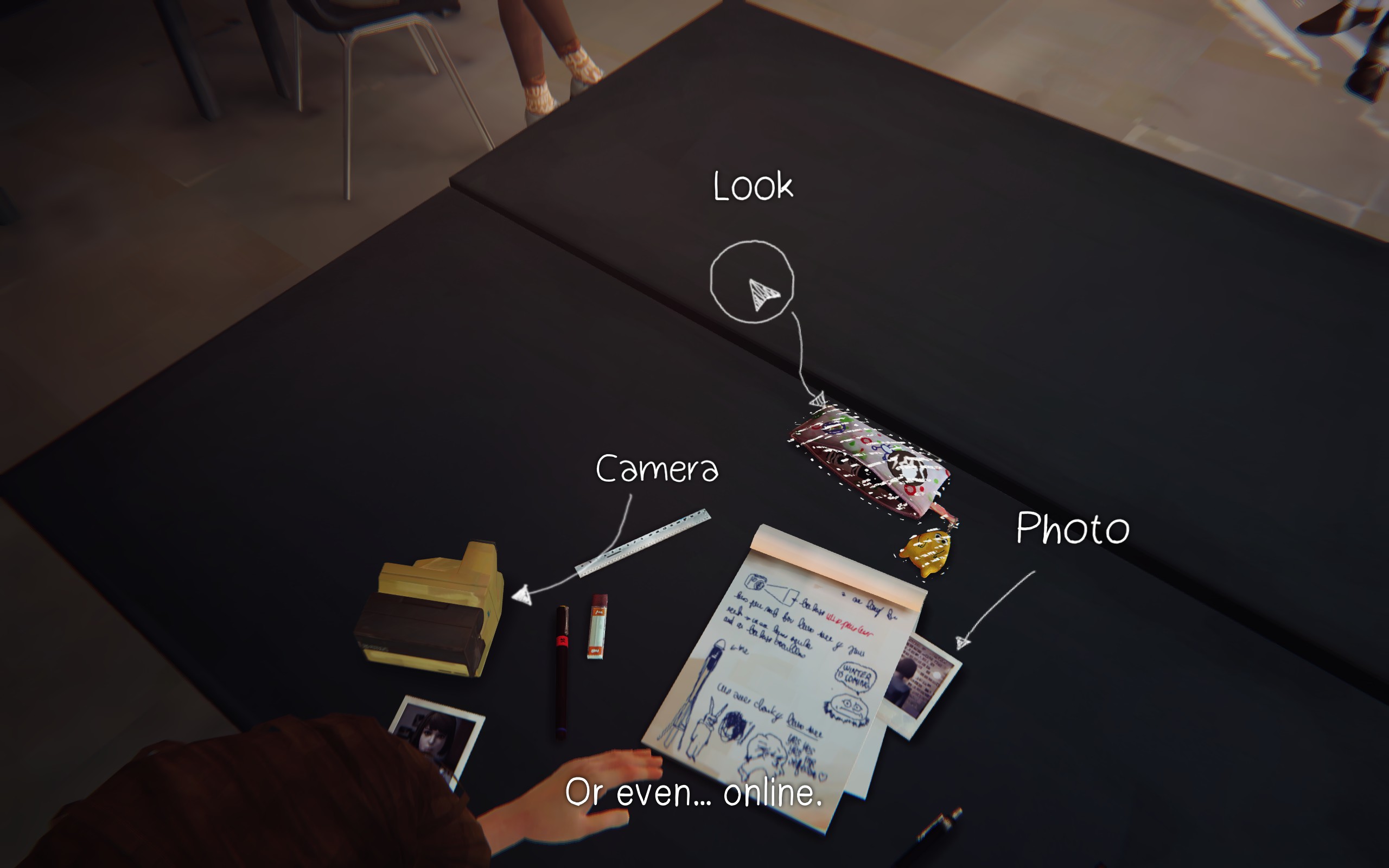
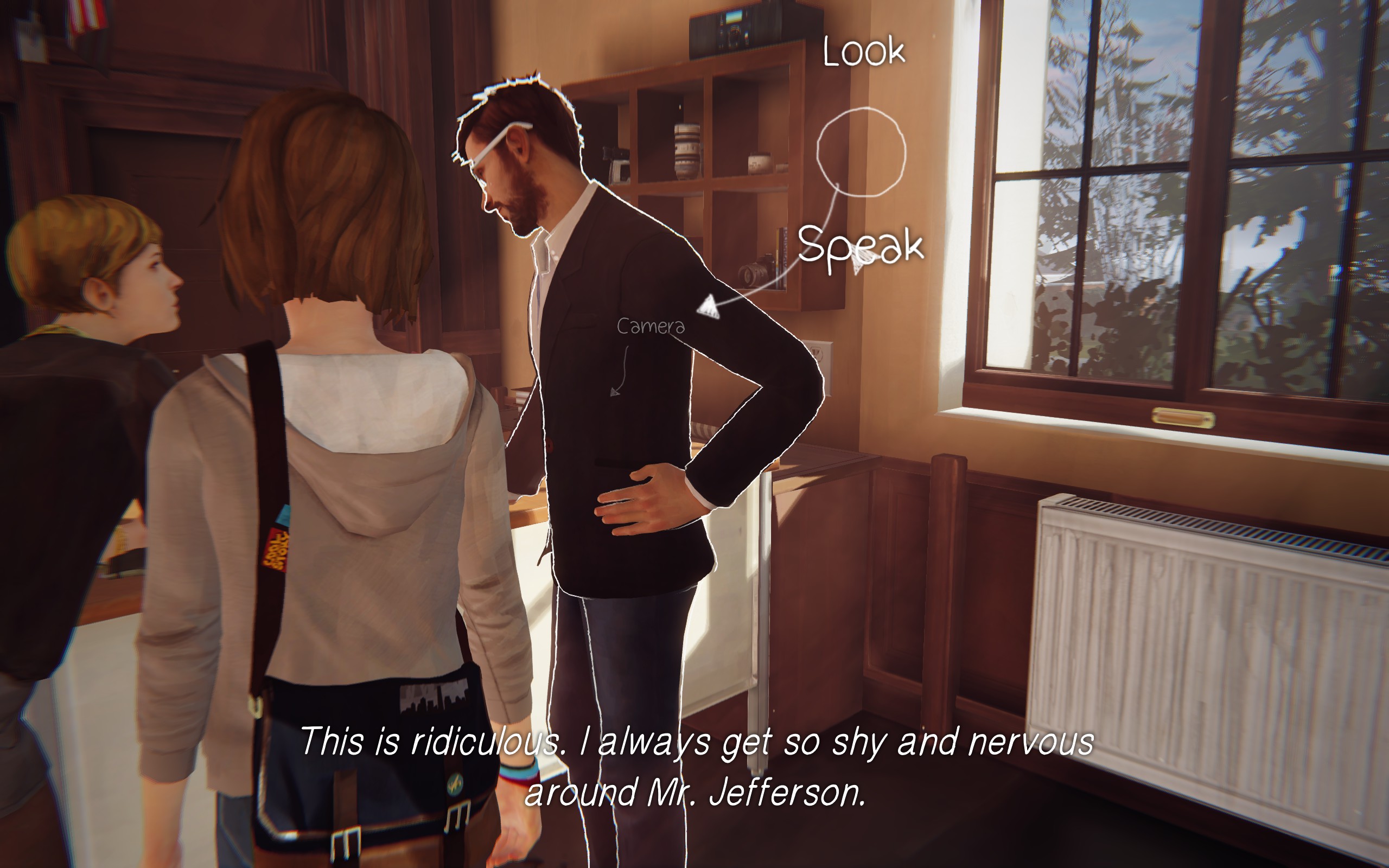
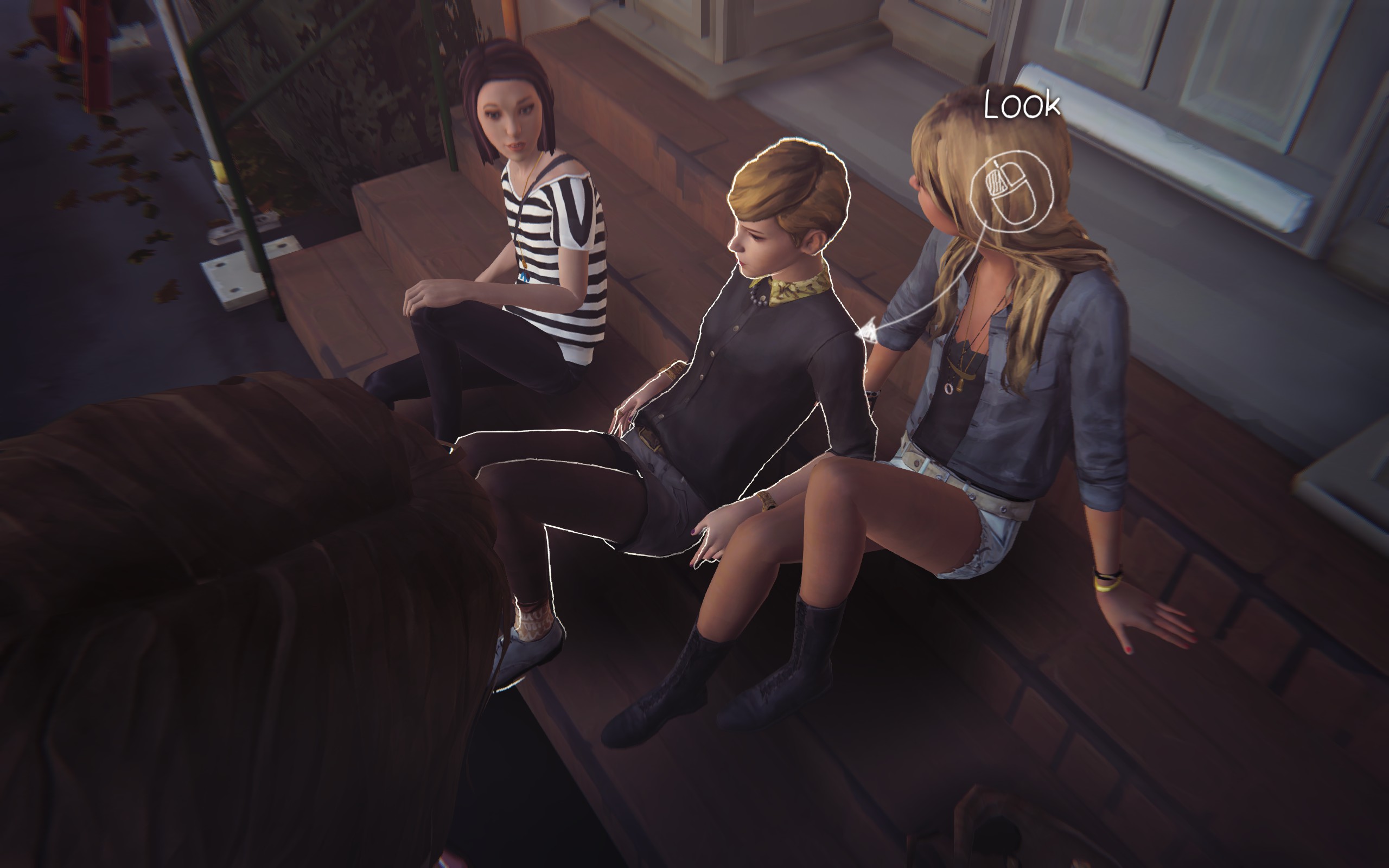
When I first started playing Life is Strange I was a little confused by the controls. A circle would appear indicating that I should left-click to “look,” so I did so and nothing happened. I noticed that I could drag the cursor after clicking so I tried dragging it over the item I wanted to look at. That didn’t work except for the one time that it did. It was getting a bit frustrating.
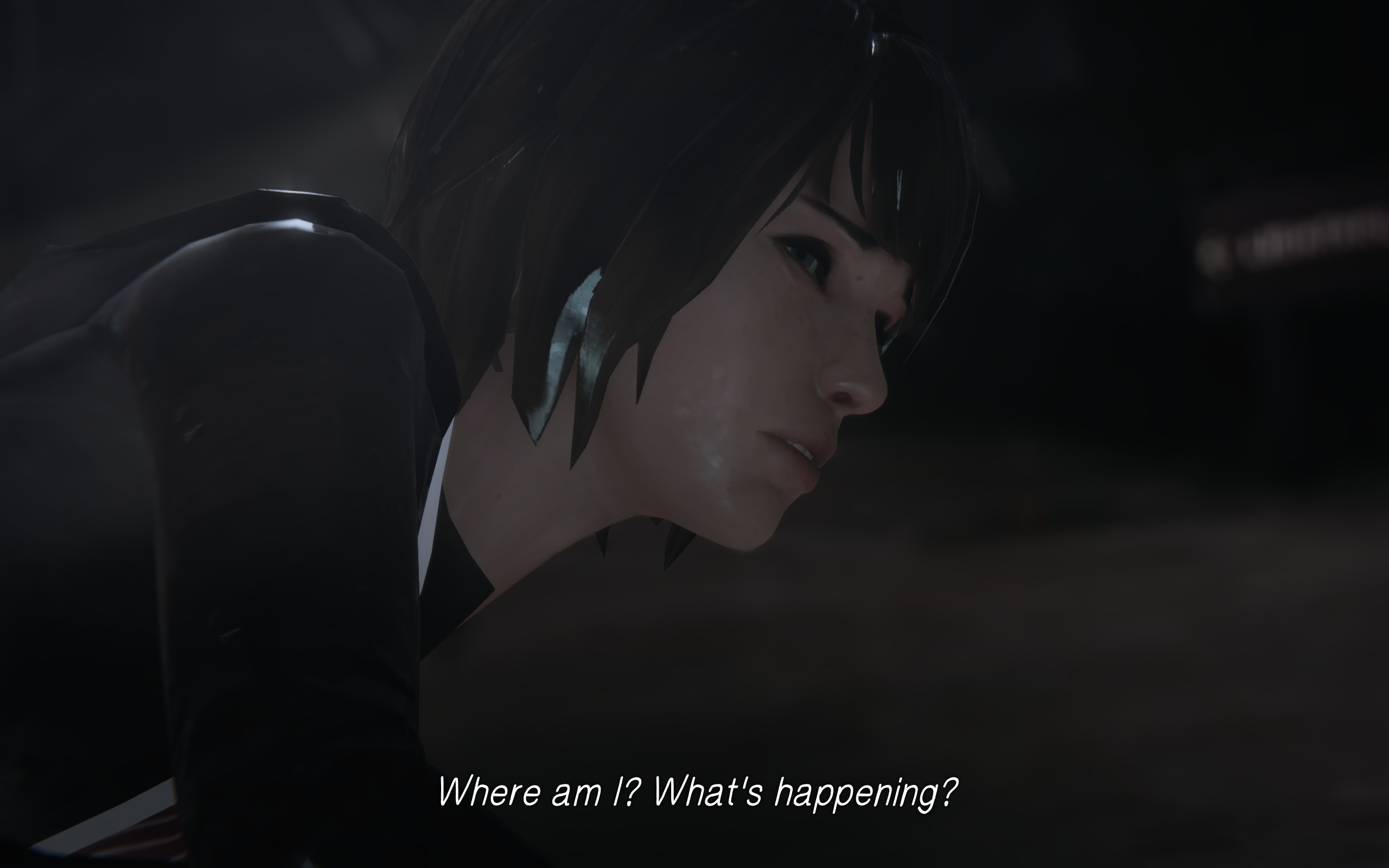
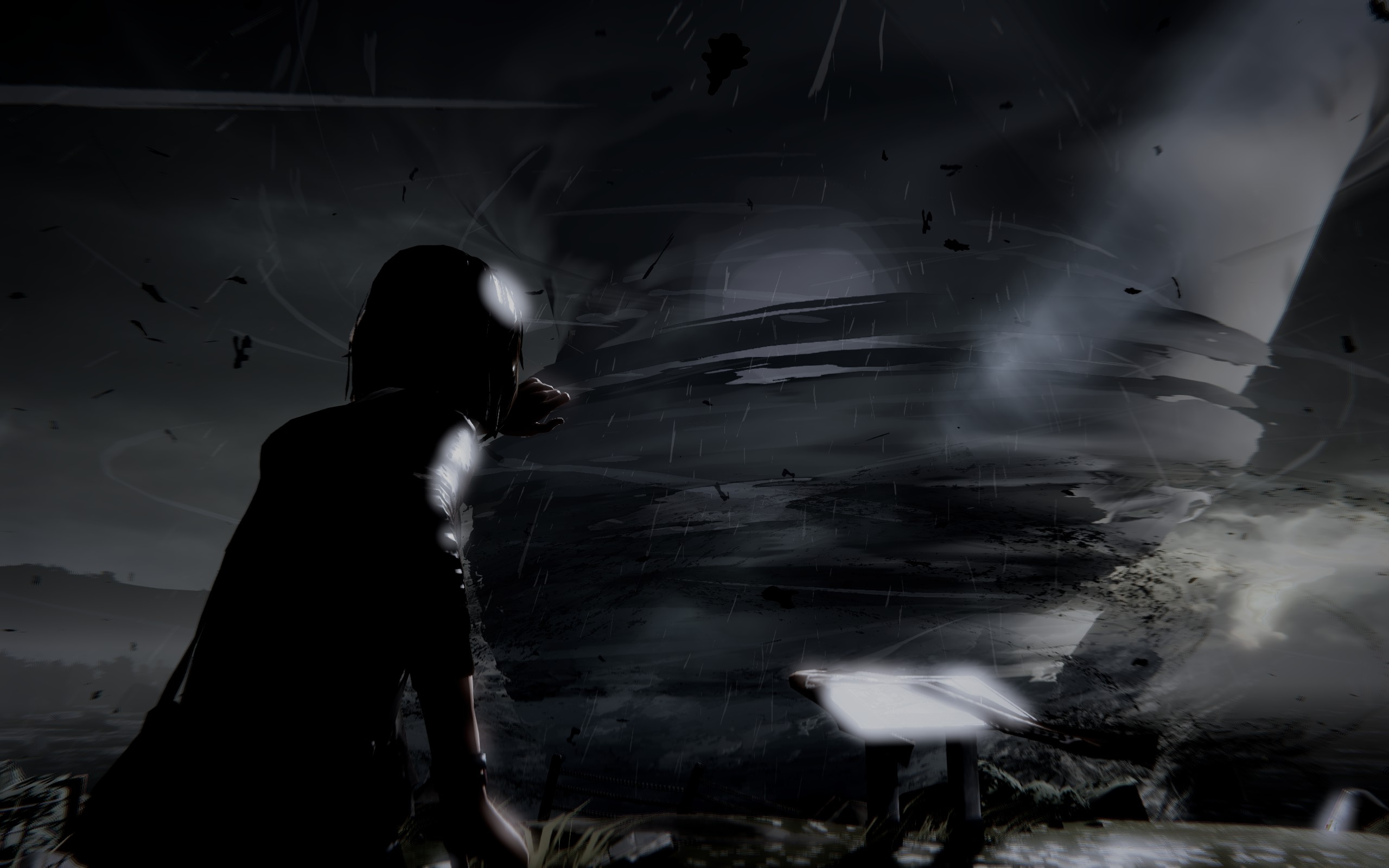
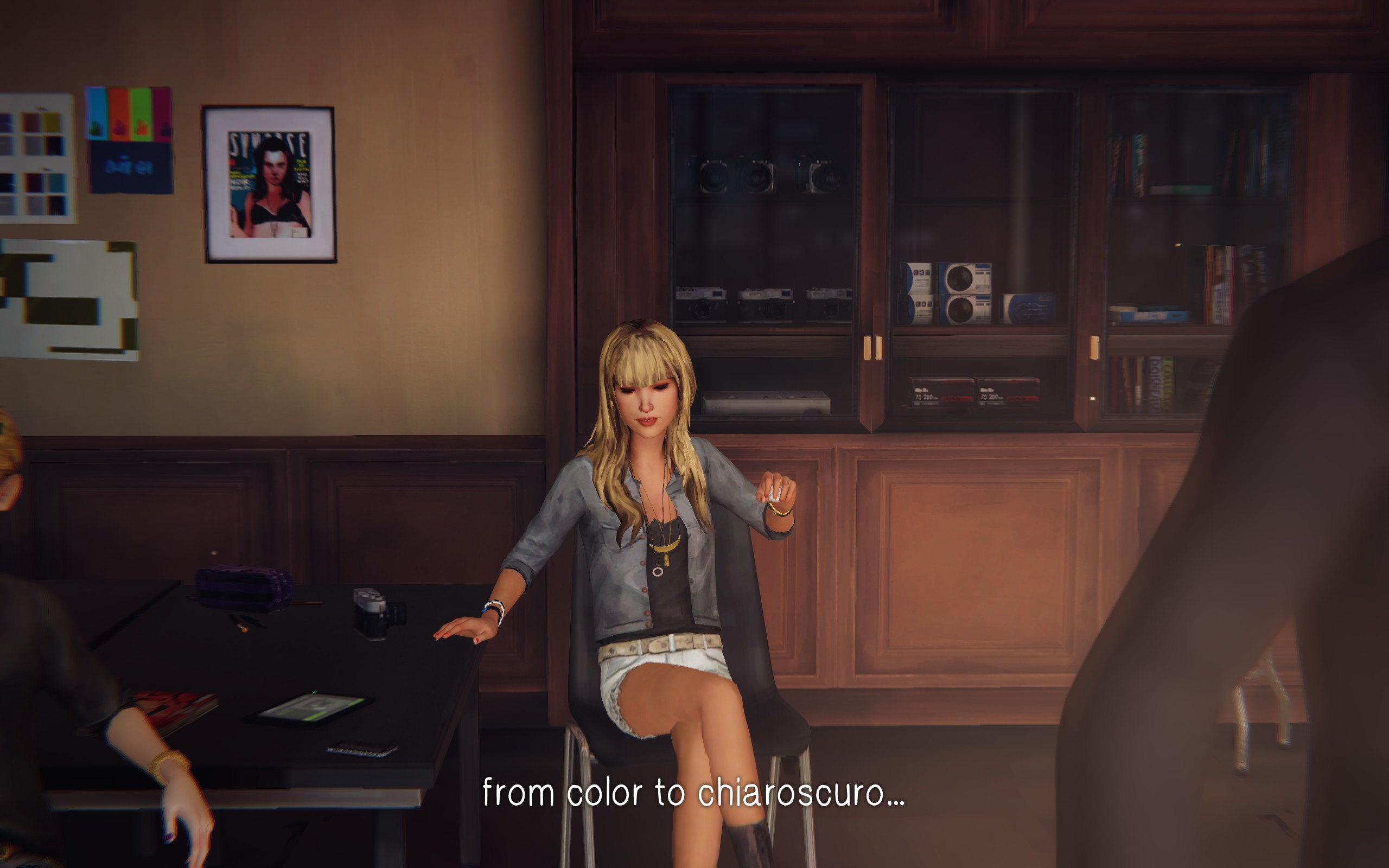
Later I was presented with an icon with two options, then I realised what I was meant to do. I was meant to click, then drag the cursor to the action I wanted to perform. It was a control scheme designed for gamepads, but when you get used to it, it works with keyboard and mouse as well. It would have been nice to have had a very brief tutorial explaining how this works so players don’t feel lost at the beginning.
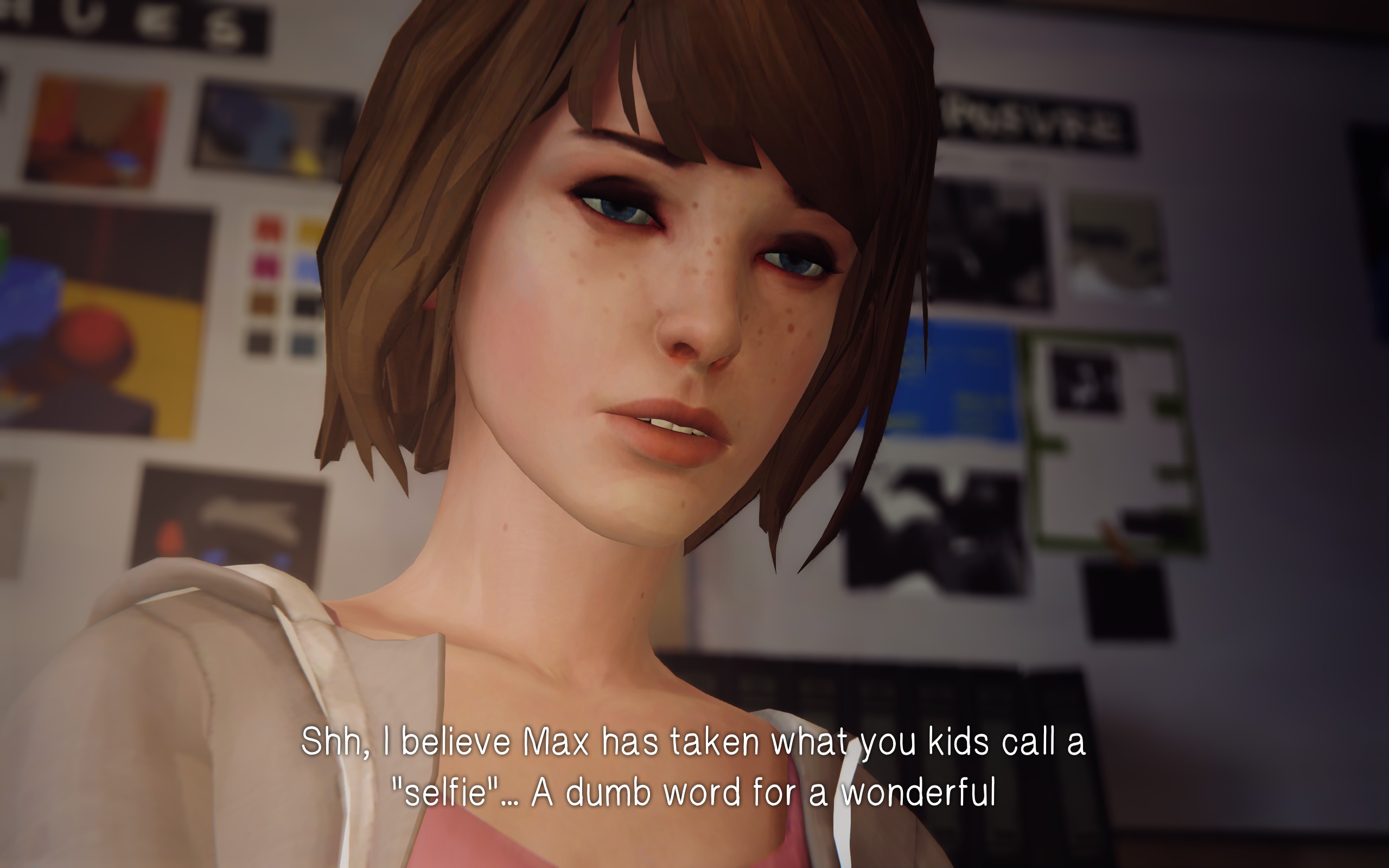
It was a mildly rocky start, but I think that’s where my criticism of this game ends. What followed was one of the most compelling story-driven games I’ve ever played. It’s a game about choices, about consequences, and about second-guessing every single decision you make.
Special Powers
Our main character is Max, an 18-year-old student learning photography. This aspect of her character reminds me of 11-11 Memories Retold, as one of the main characters is a Canadian photographer. The similarities end there however. This isn’t a story about the Great War, this is a story about young adults and the complicated relationships they can have with each other. It’s also a story with a supernatural element to it.
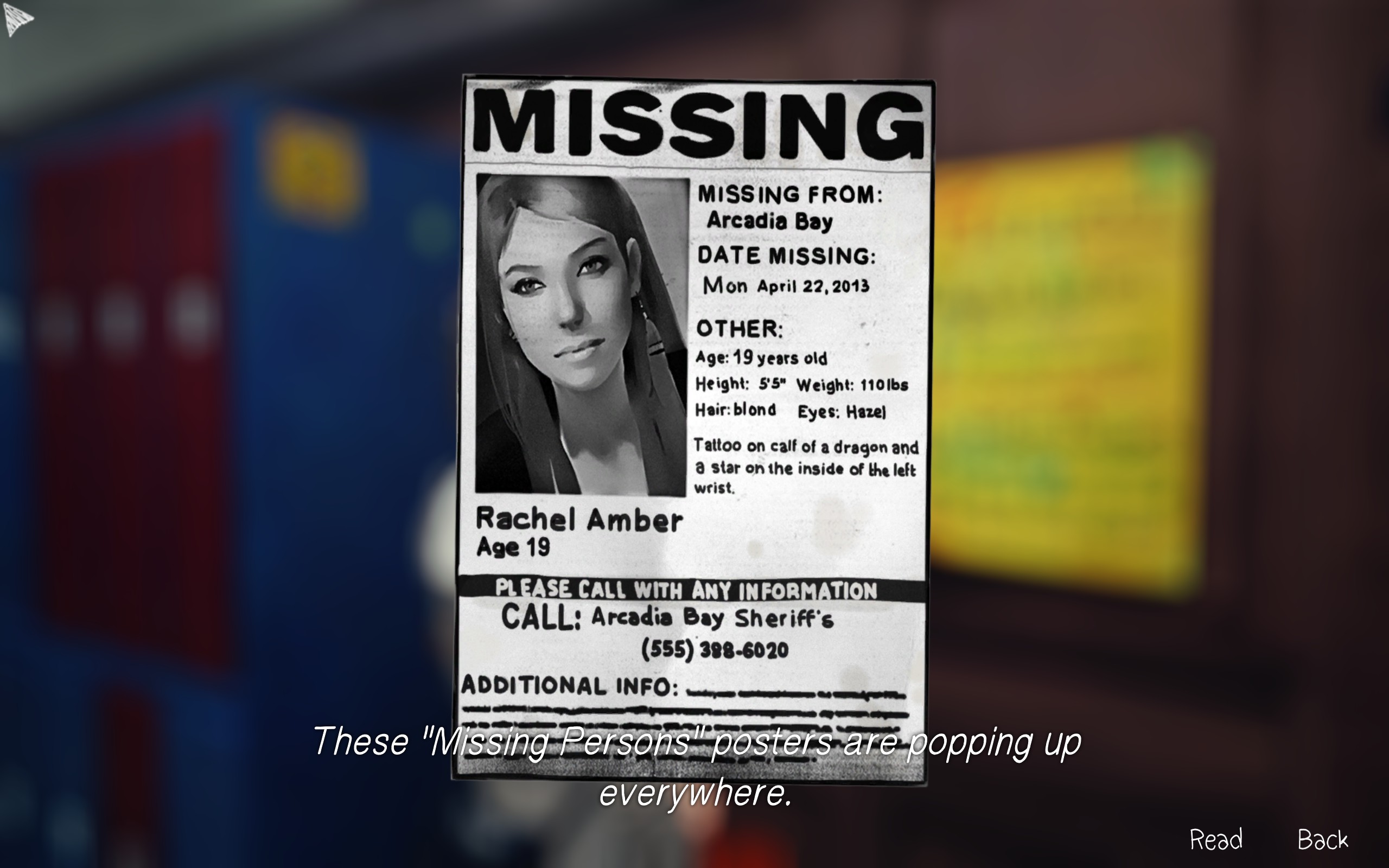
Max is a great protagonist. She’s a little shy, but also talented. She’ a good person who is always second-guessing herself. Which is why the power she discovers fits so well with her. The power to reverse time and change her decisions. She uses this power to save the life of her best friend, and then you are able to use it freely as a player.
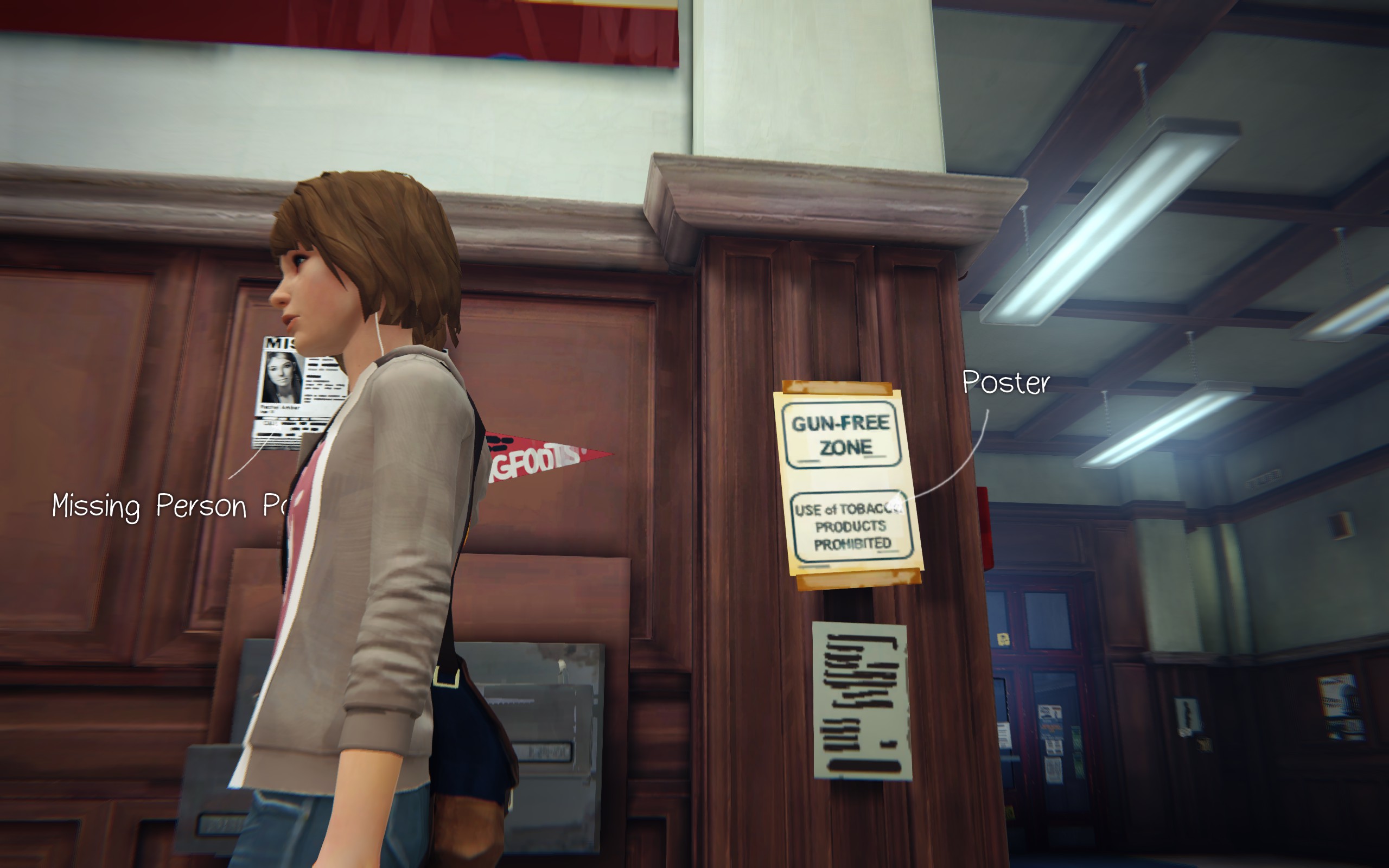
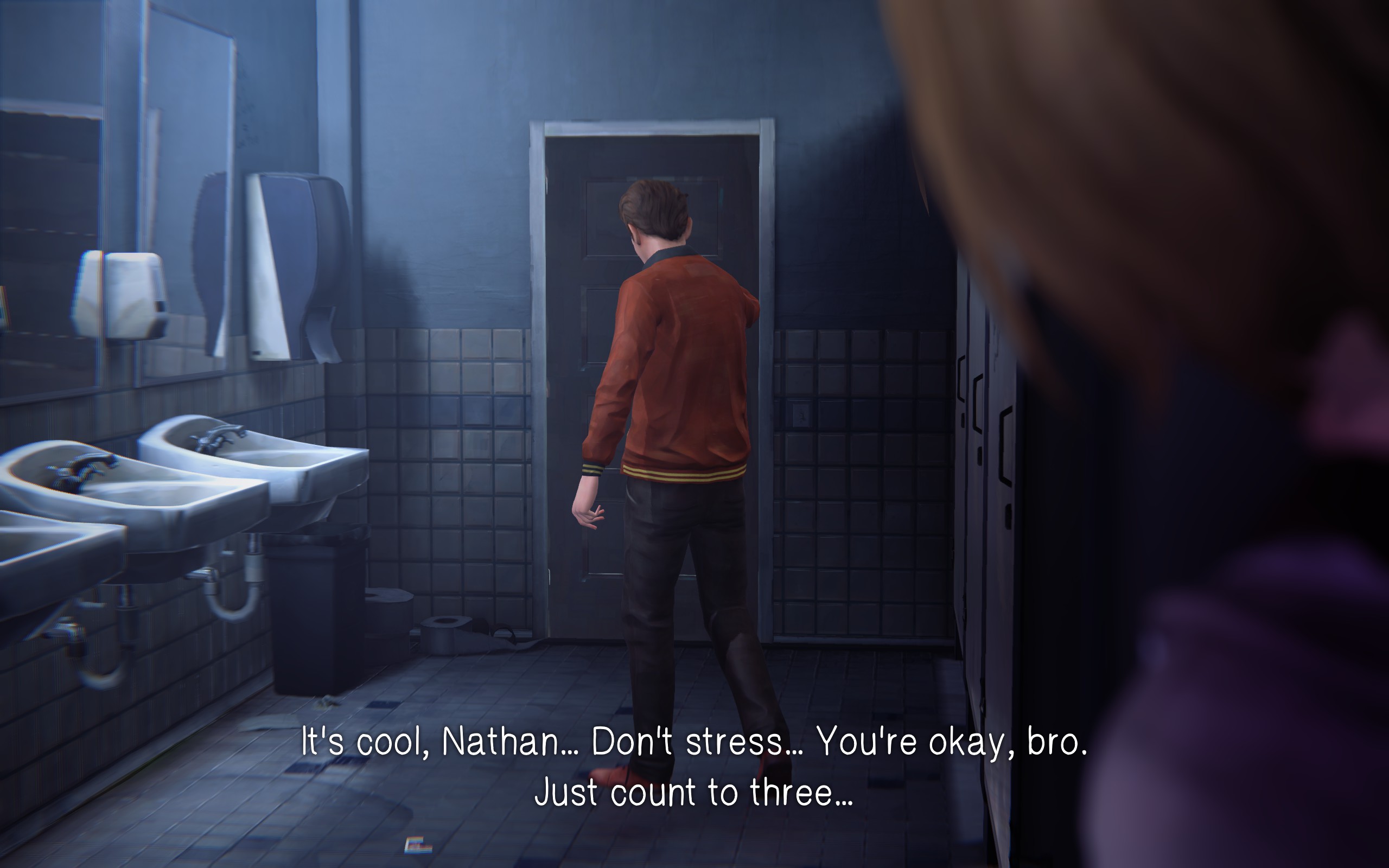
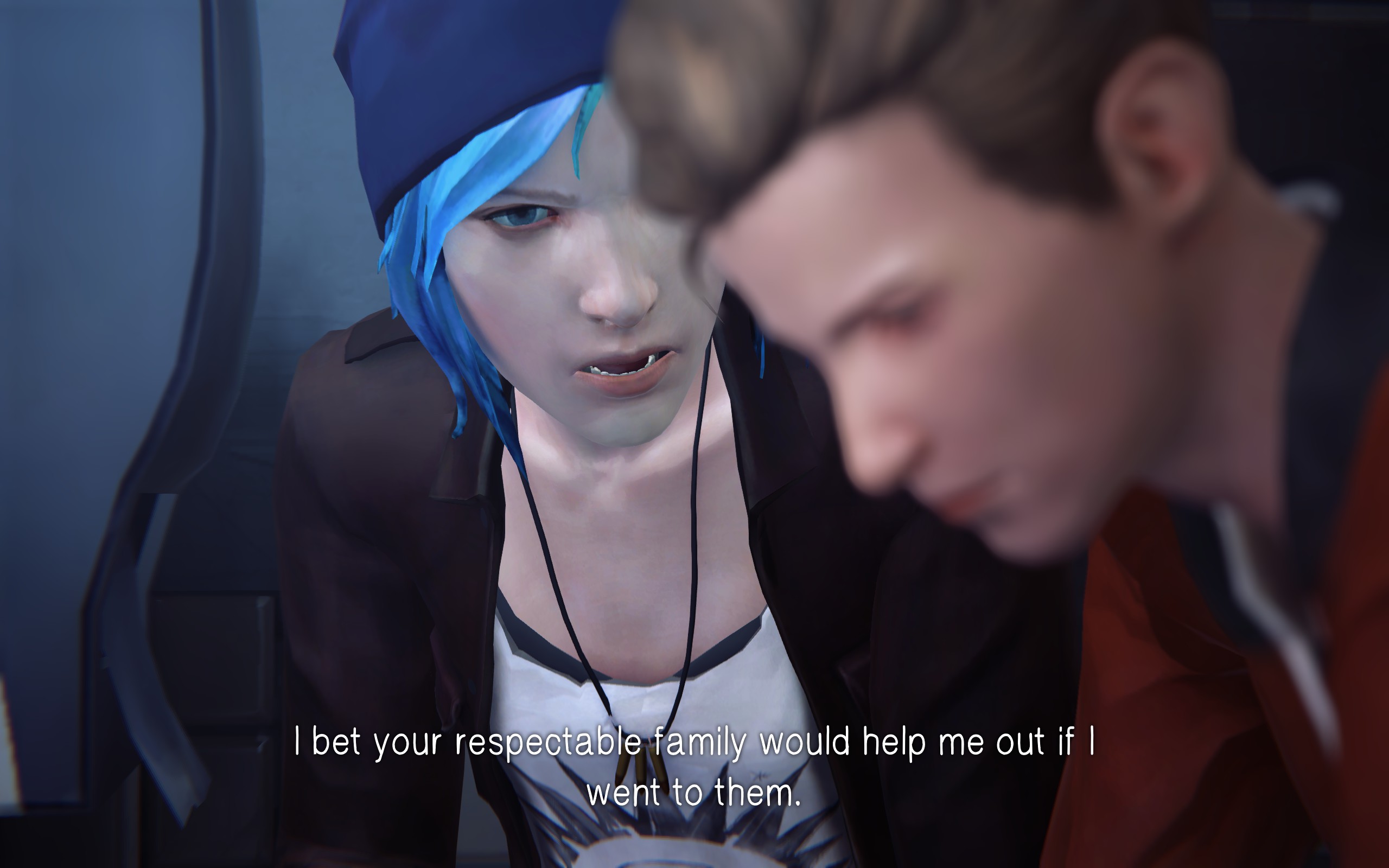
As a game mechanic it is brilliant. The ways you can use it in a story driven setting are well thought out. The most basic use is to reverse a decision you just made. After most decisions, Max will make a comment that will make you doubt you made the right choice. But you can go back and change it, only to find Max doubts that decision just as much. It forces you to really think as a player about which choice to make, and what consequences that choice might have.
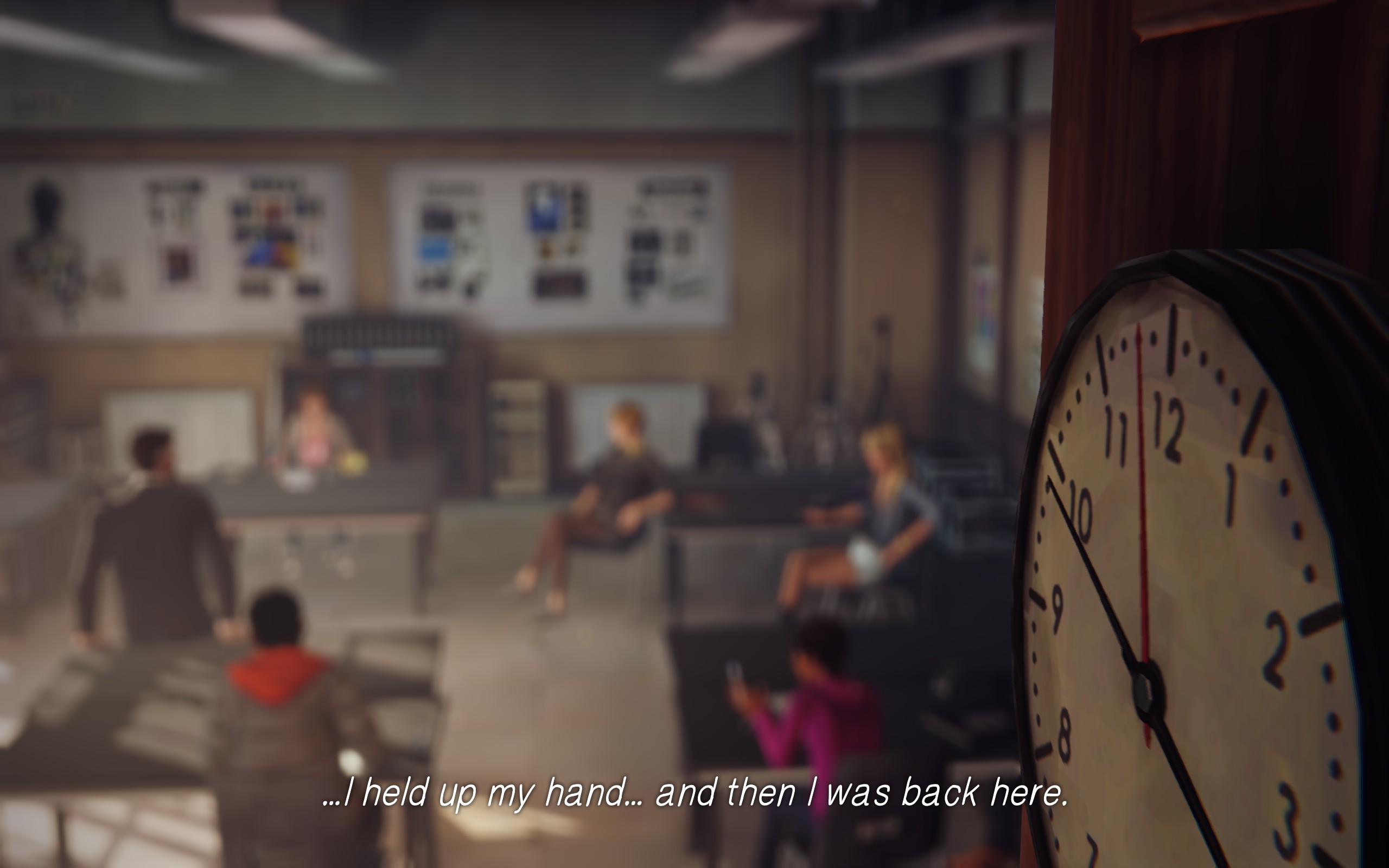
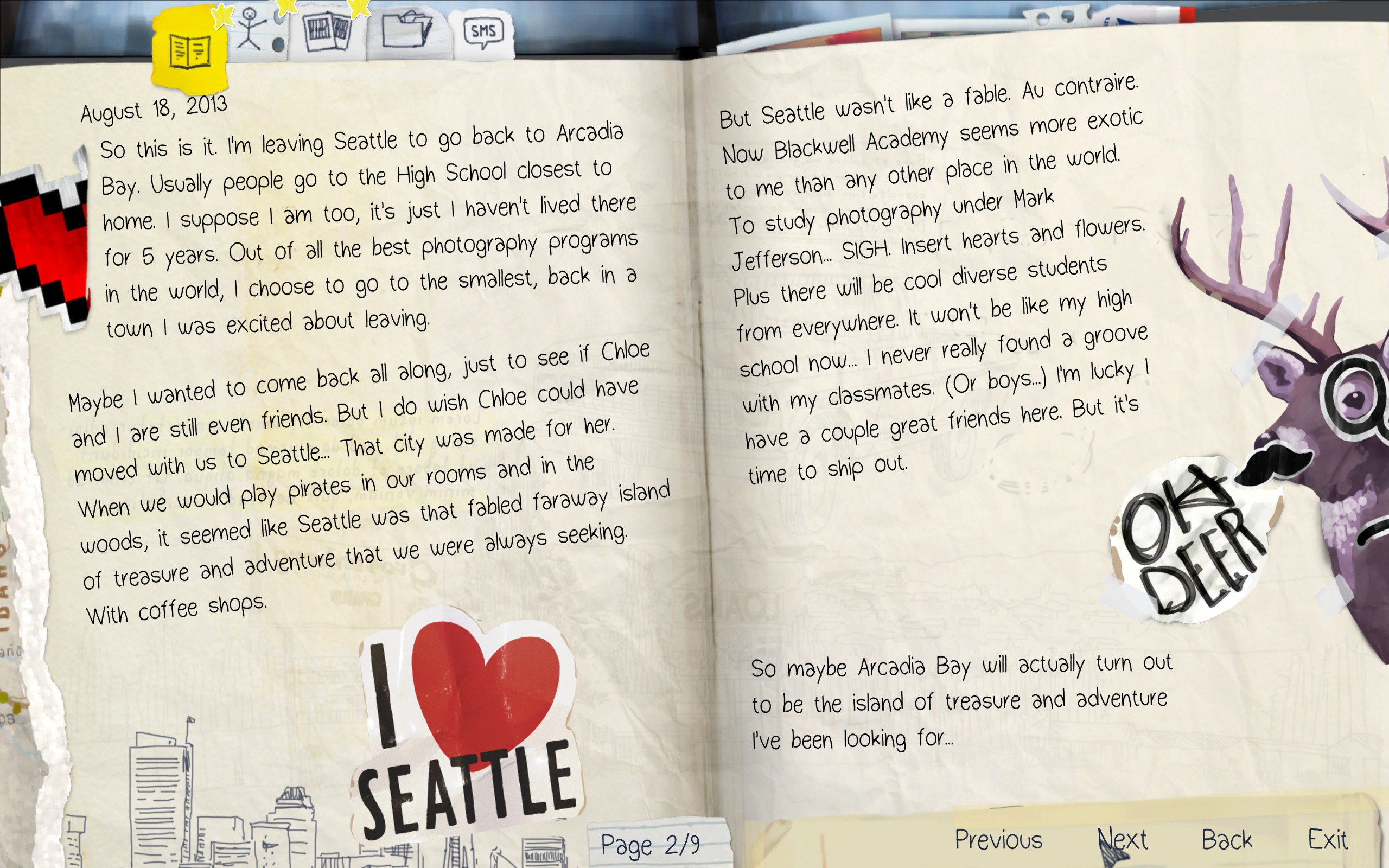
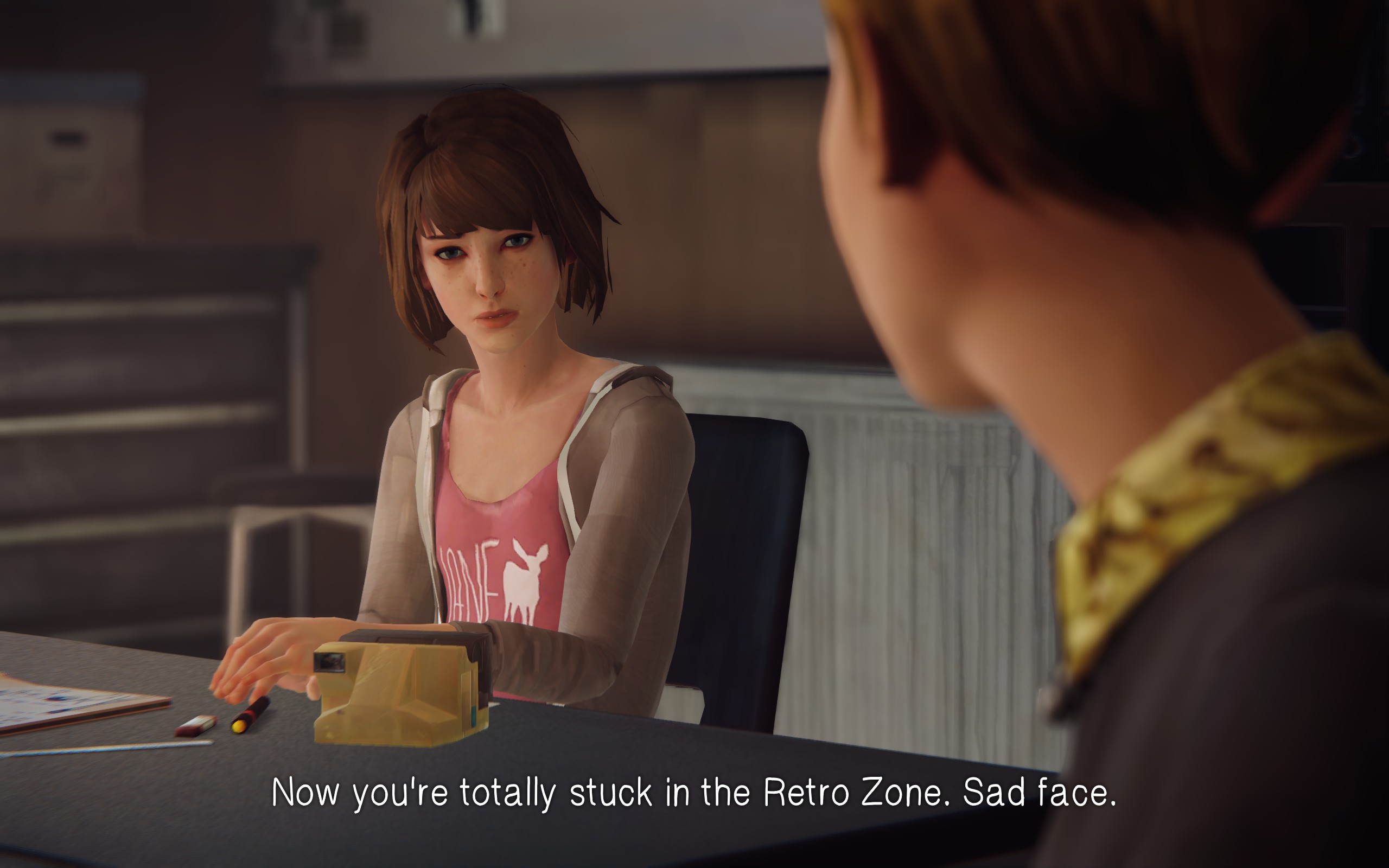
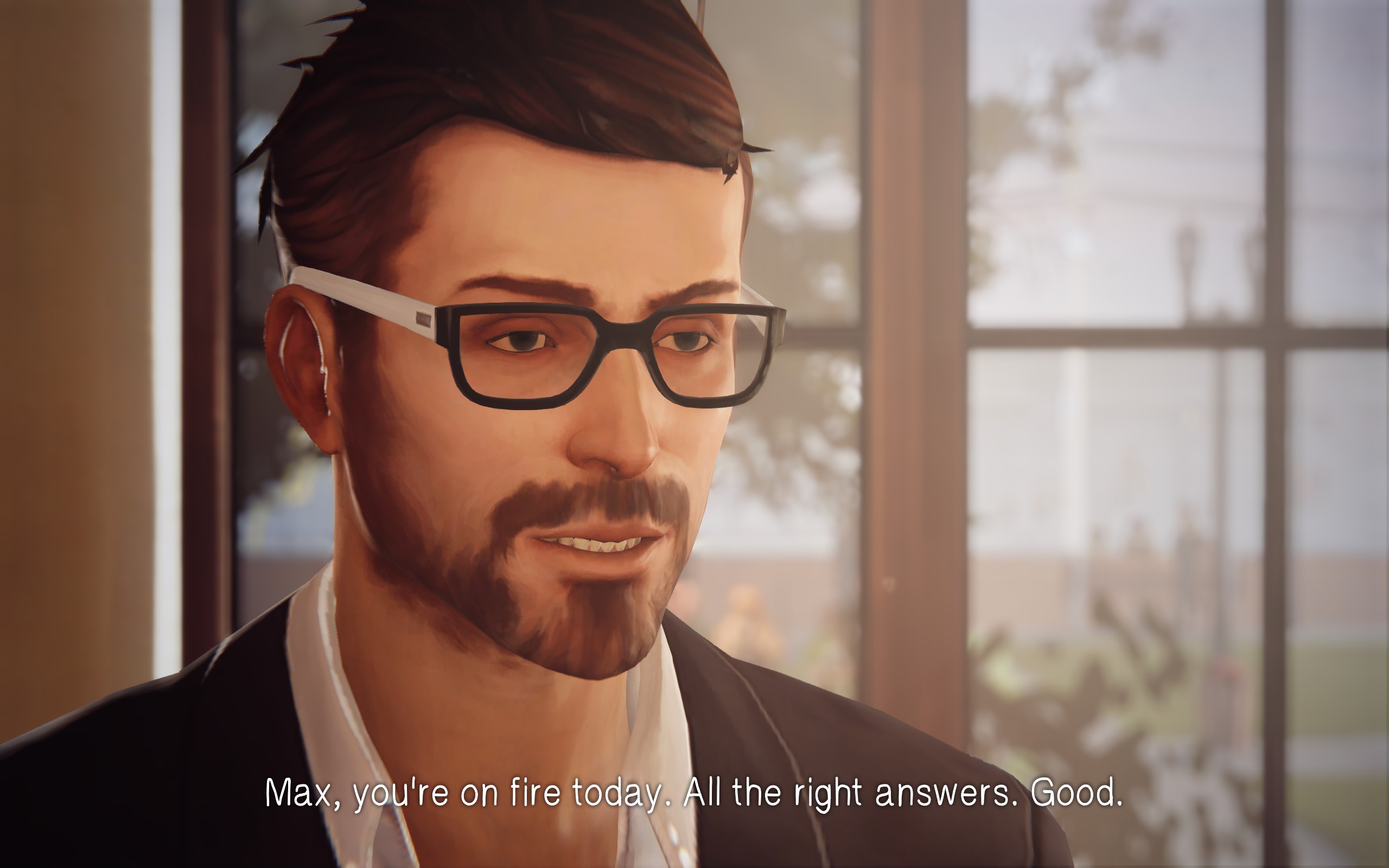
Other times you can use it to simply reverse mistakes. You still keep any information gained, but any evidence of you finding that information is gone. You can know, but other characters won’t know that you know. It can be used to solve puzzles as well. You made a mistake that means you can’t get an important item? Reverse time and try again. A tree falls and blocks your path? Reverse time so the tree un-falls.
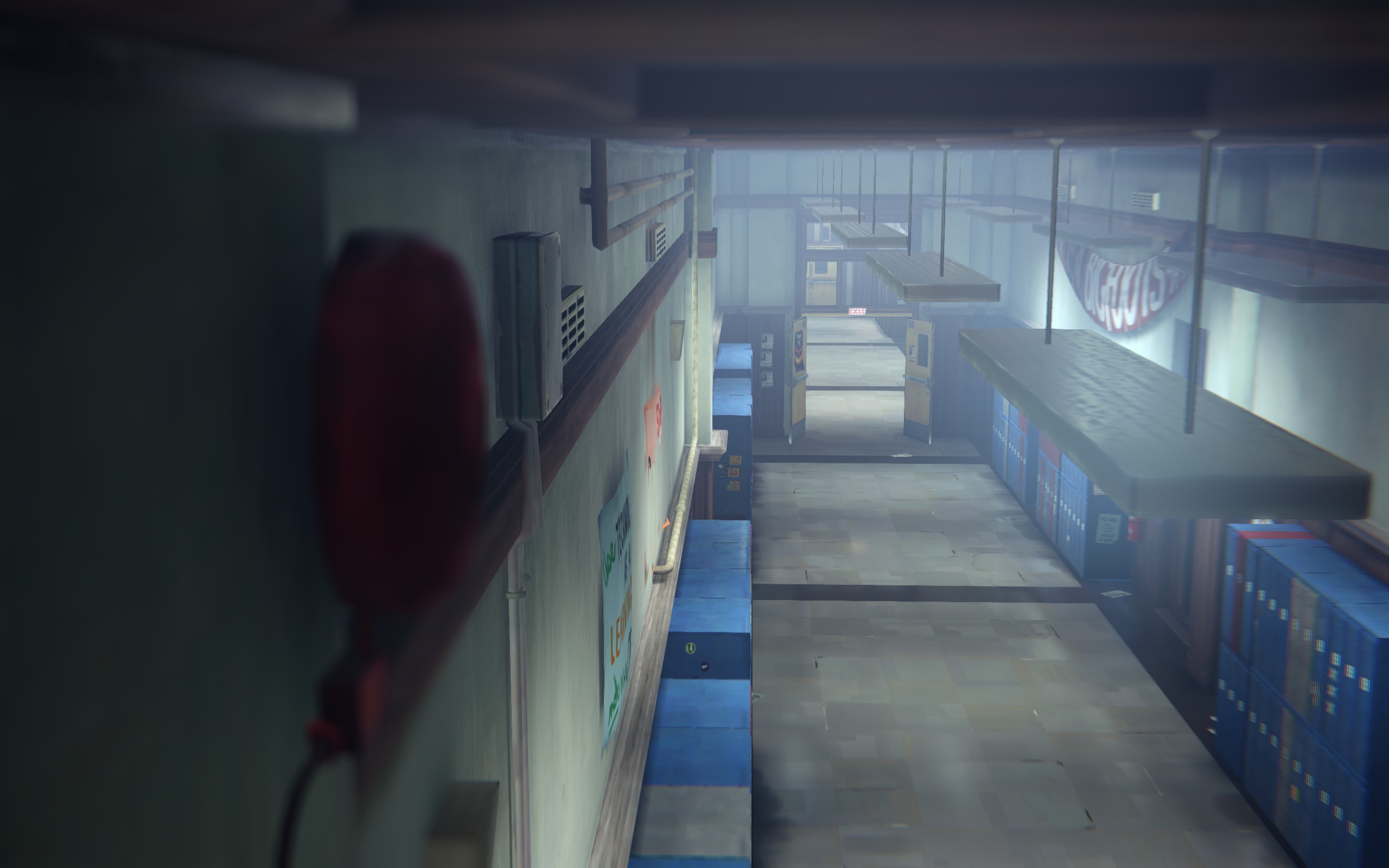
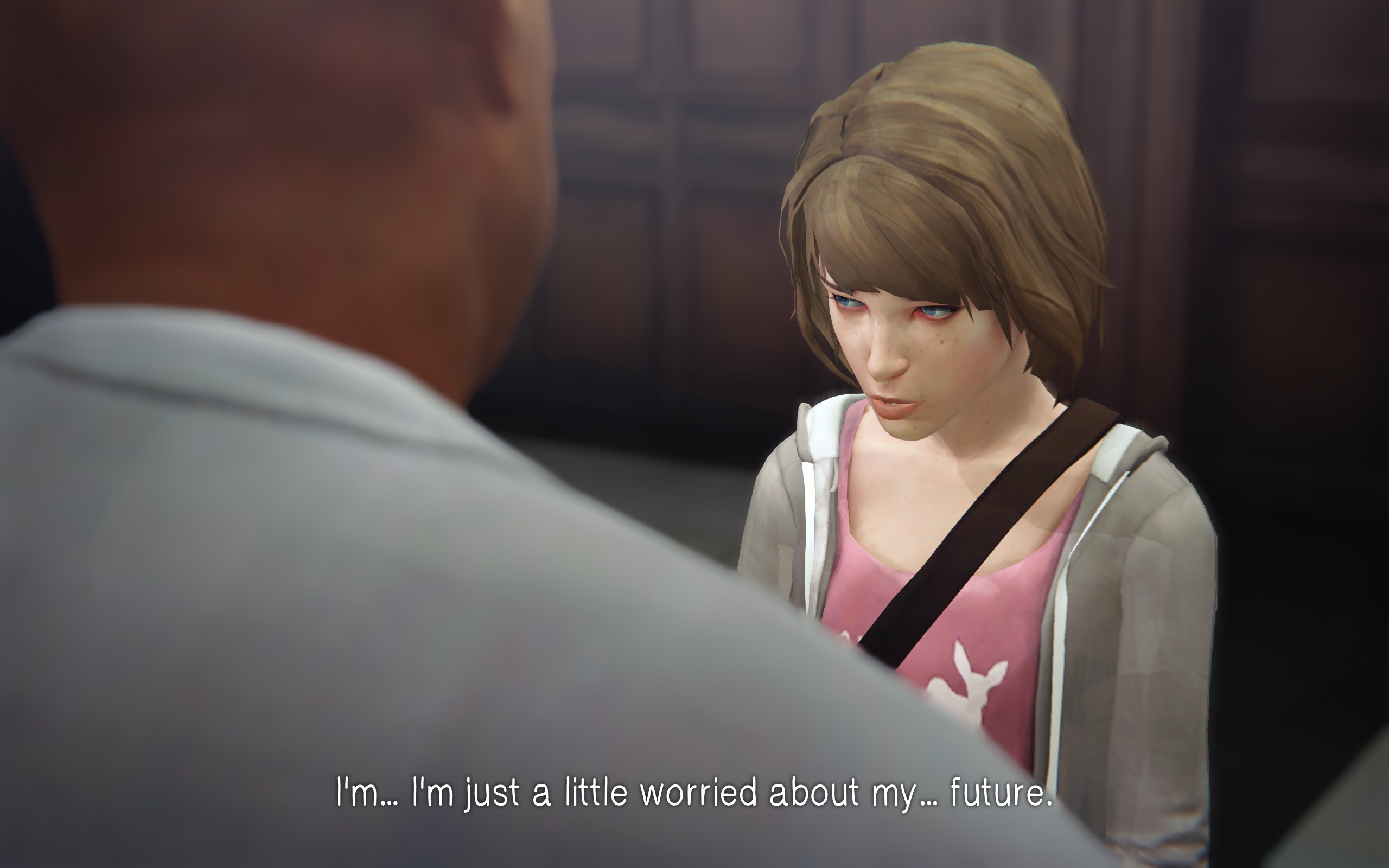
Lastly, it can be used to save your life. In one sequence I played, Max was hit by a huge boulder that would have killed her instantly. Thankfully, I could reverse time and make sure I avoided it in the next loop.
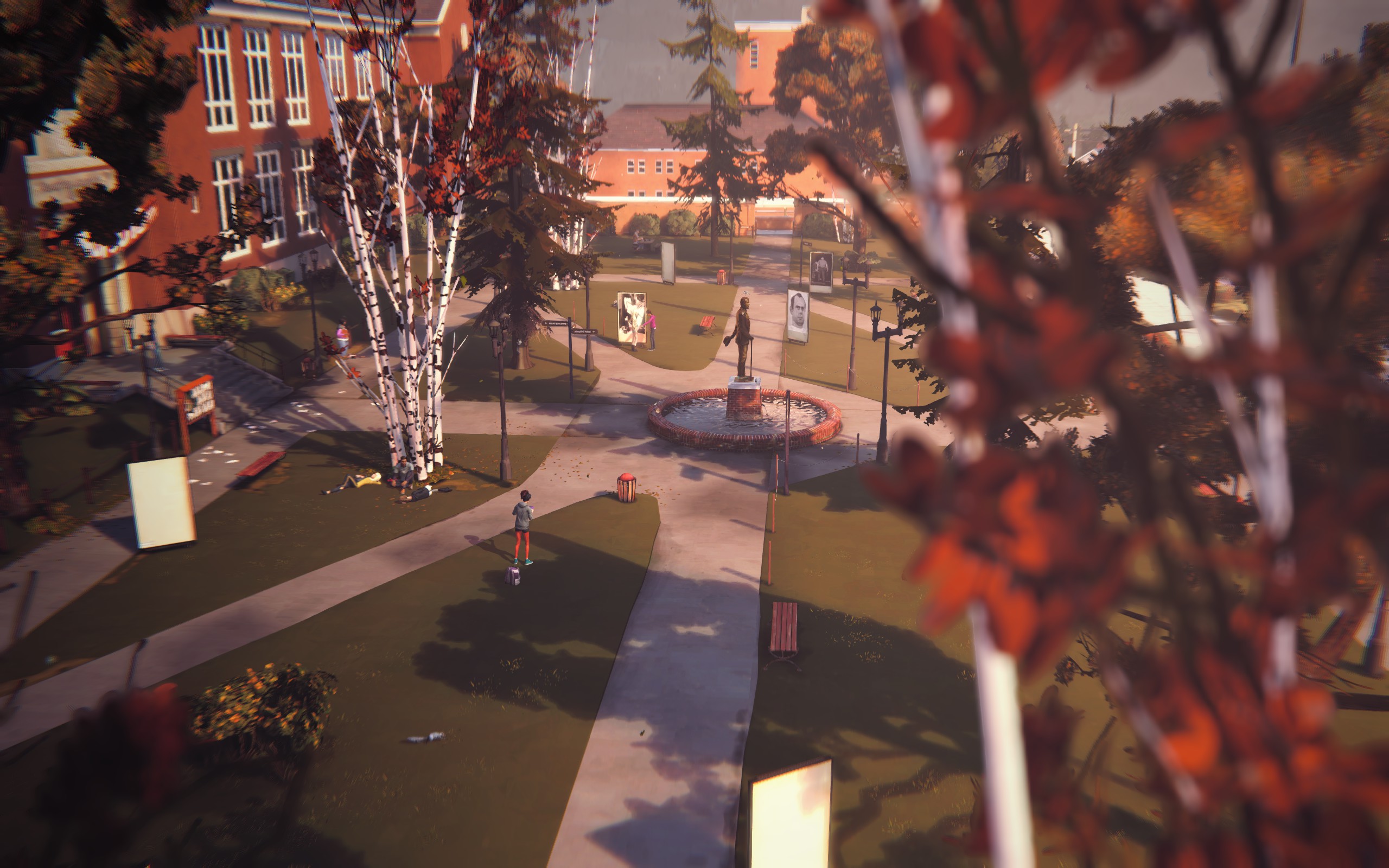
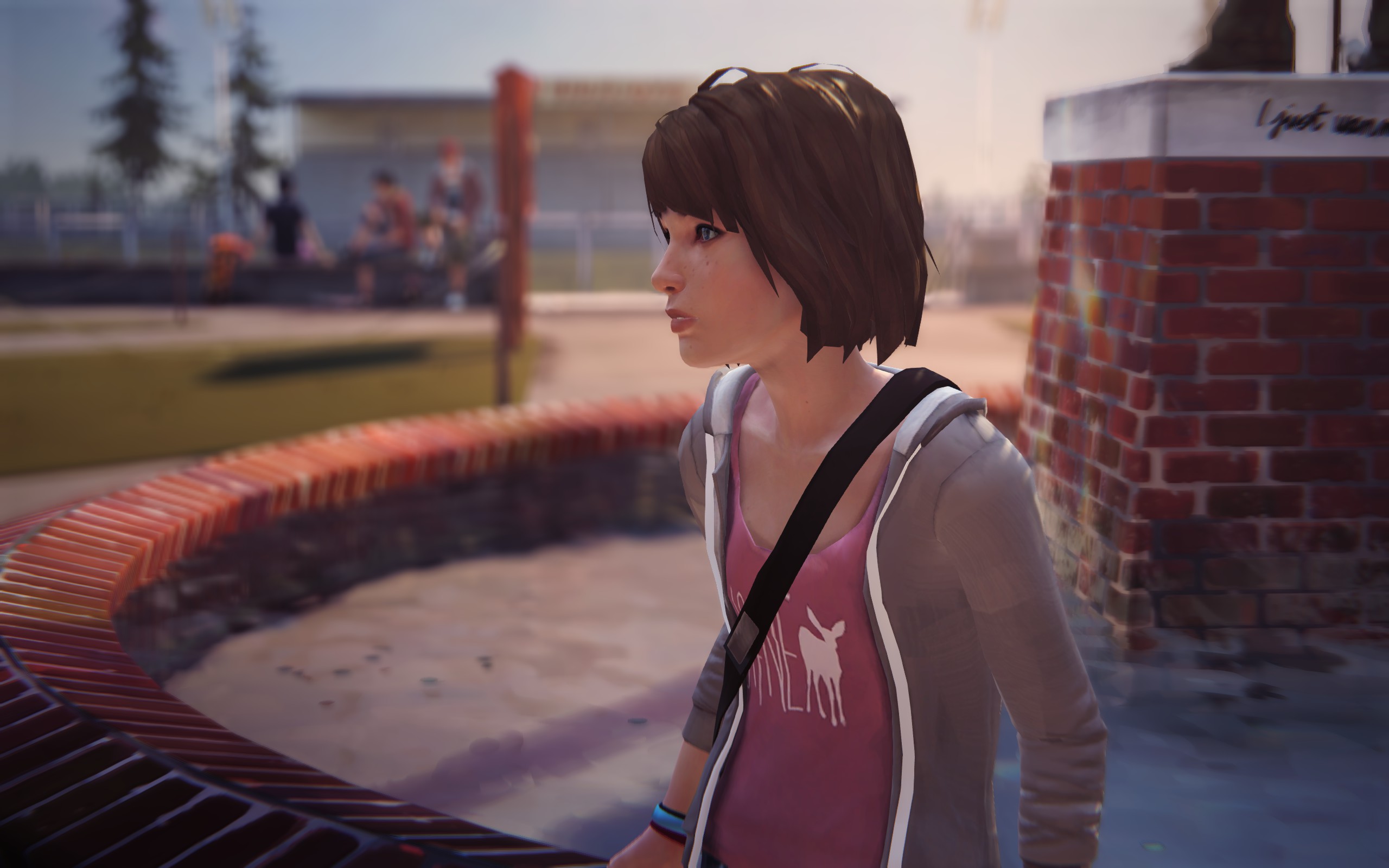
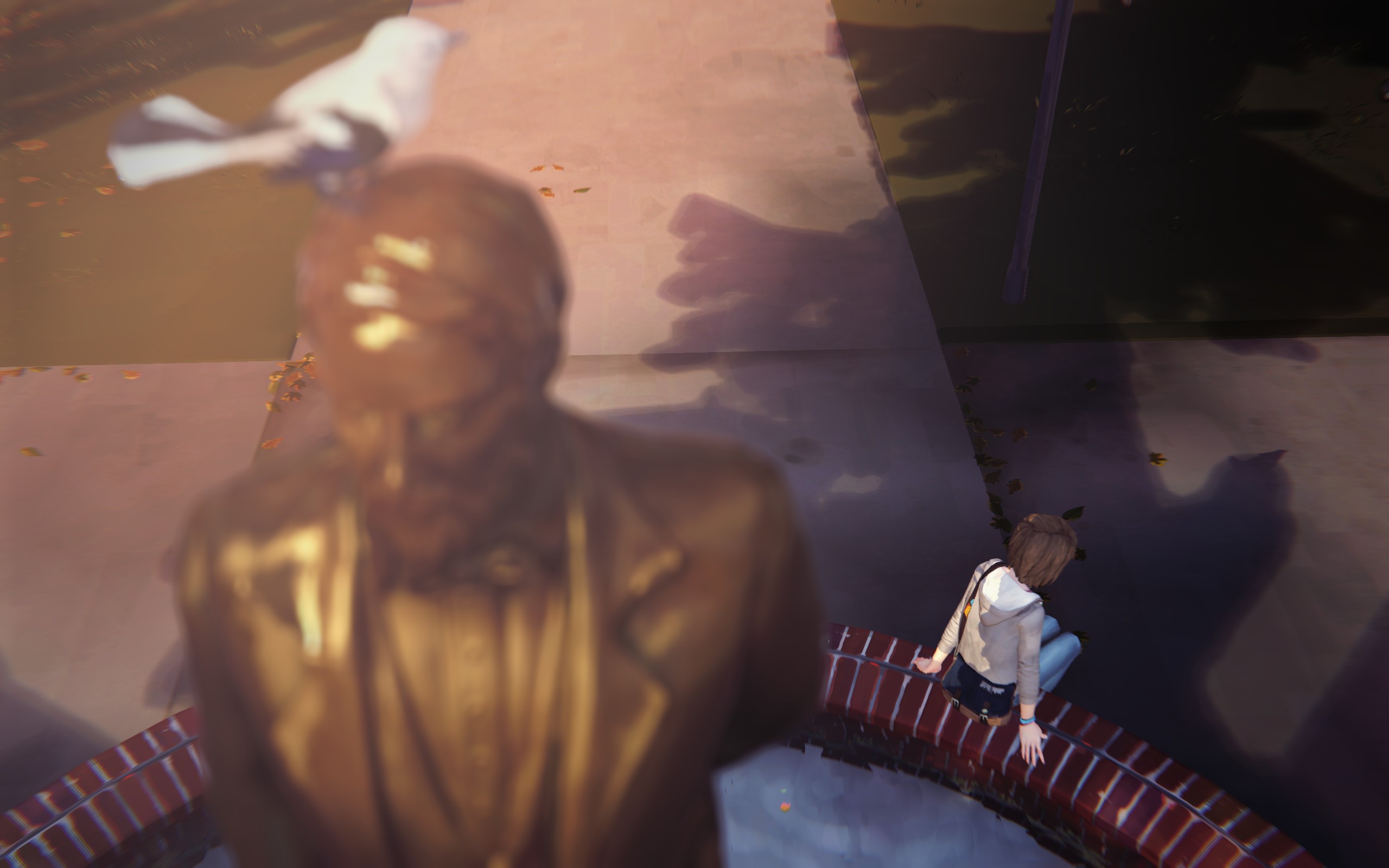
It’s a great mechanic that is used really well by the game designers. It integrates with the story and feels as immersive as any game mechanic ever could. As time reverses you get to watch the scene play backwards, guiding you to the point where you want to change something. The effect is reminiscent of 1960’s The Time Machine, when H. G. Wells is travelling back in time.
I love this mechanic, but it isn’t why I love this game.
It’s the Characters
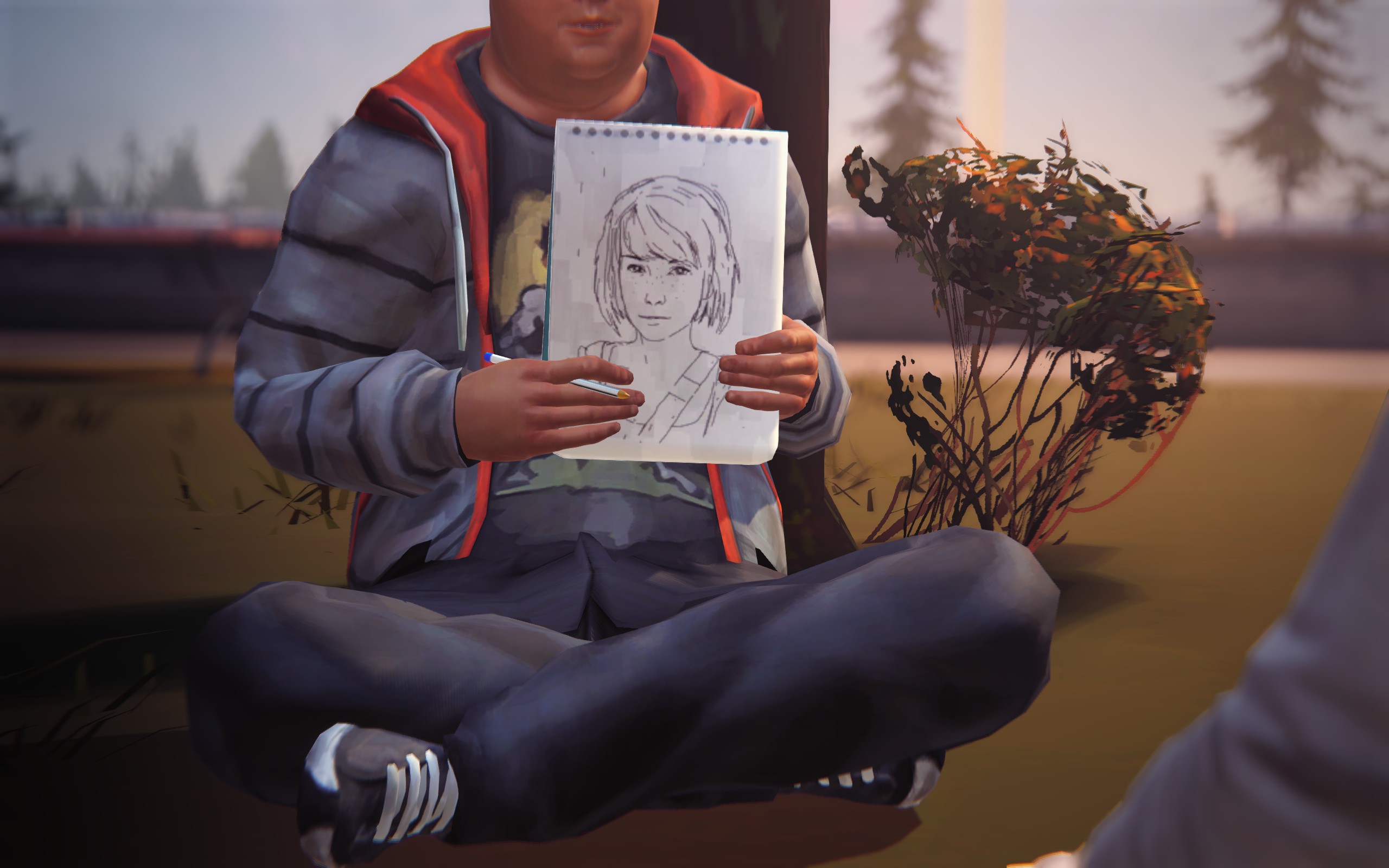
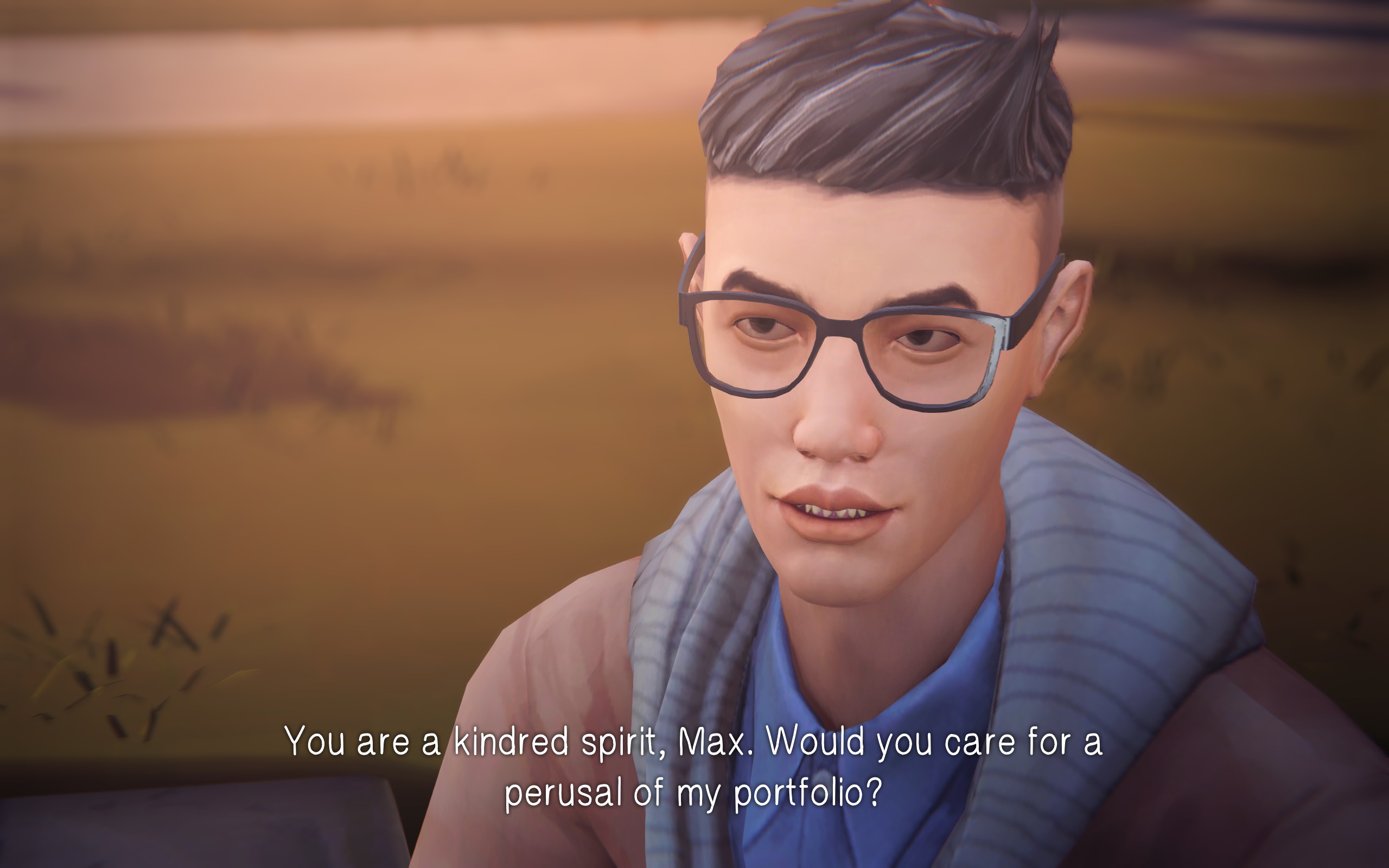
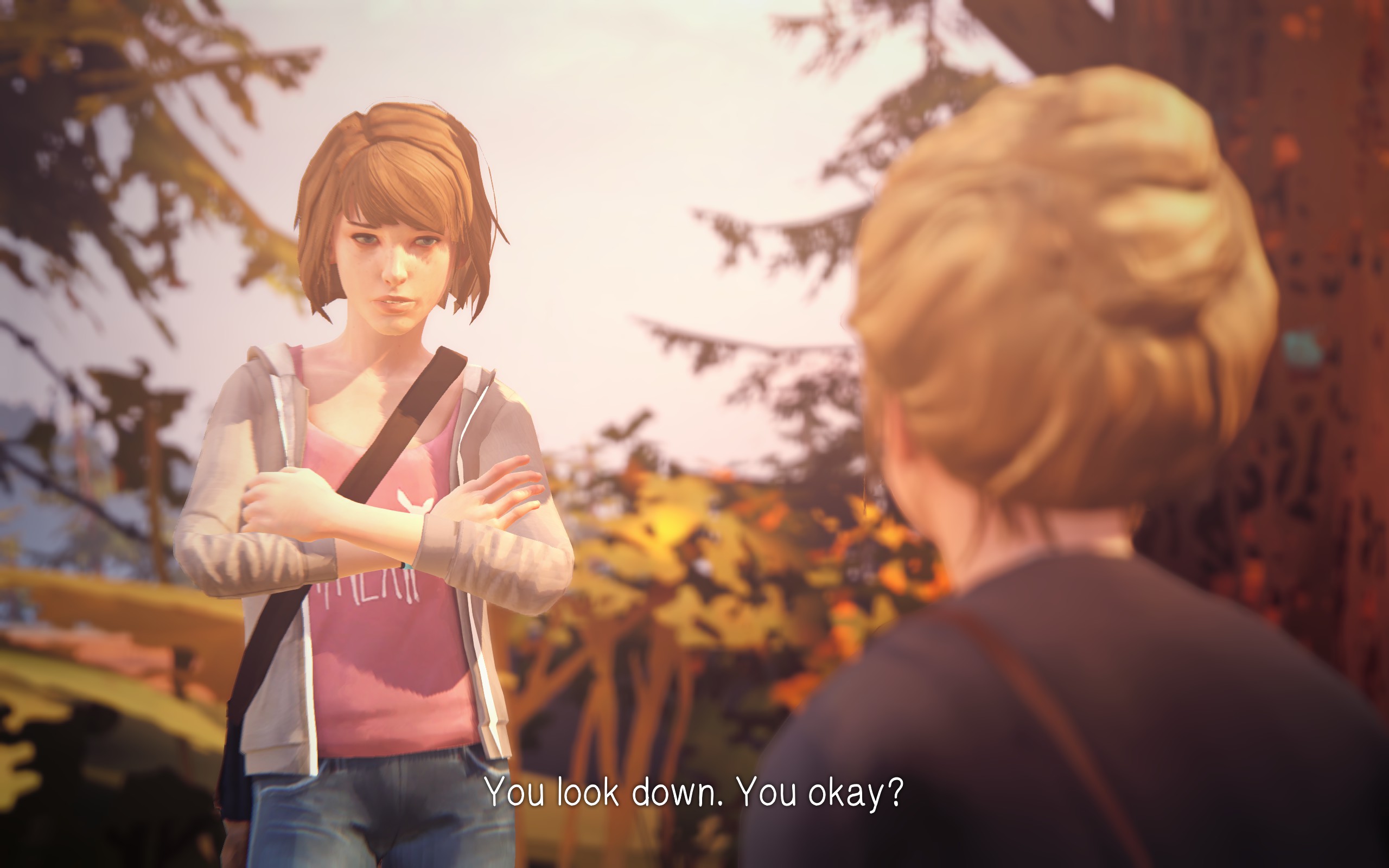
The way Max interacts with her peers feels very natural. We see guys and girls fresh out of high school, still forming cliques and bullying. We see a good teacher that inspires Max. We see rich kids who think they can get away with anything. All of these characters are well written and their relationships to Max and each are well thought out.
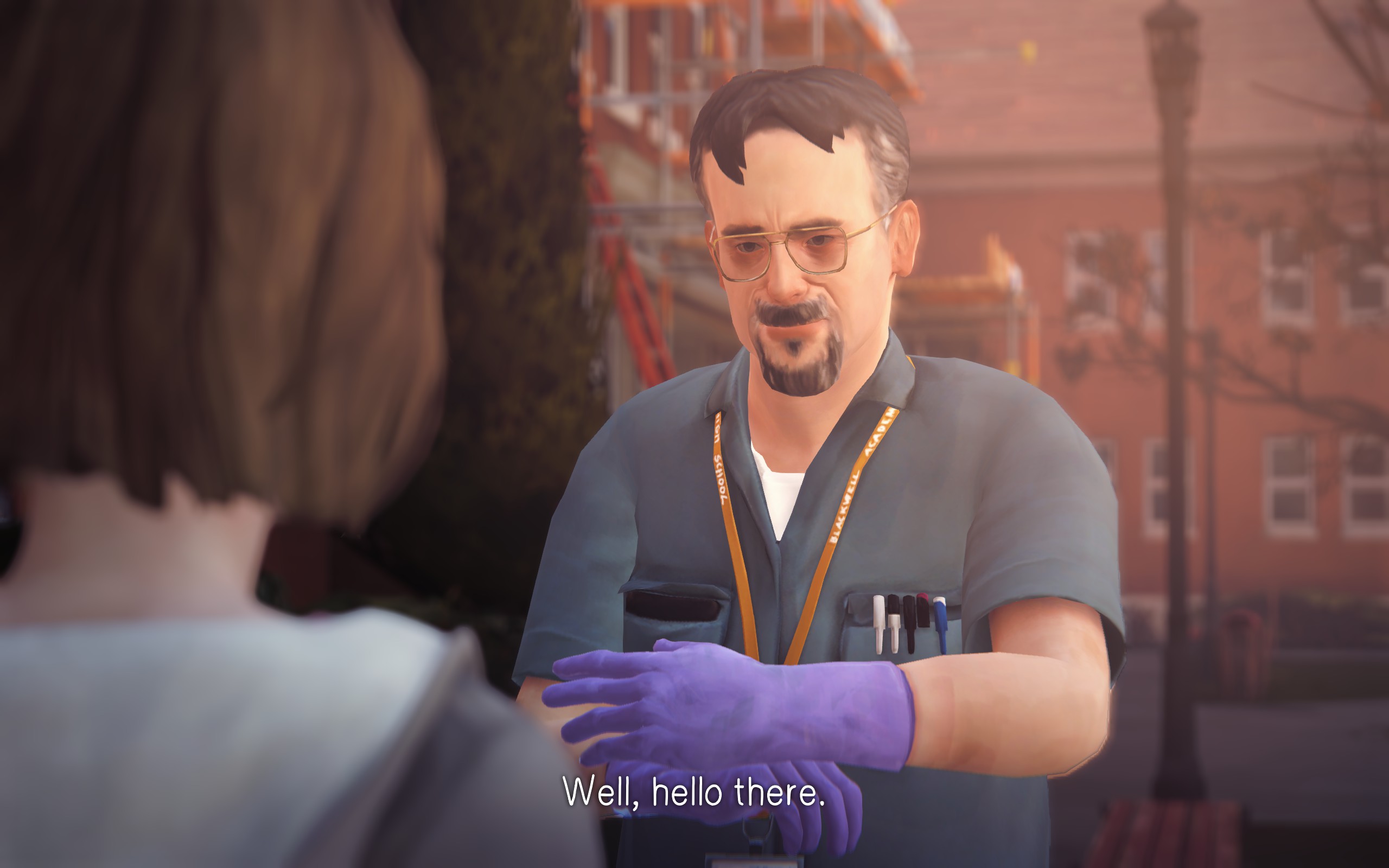
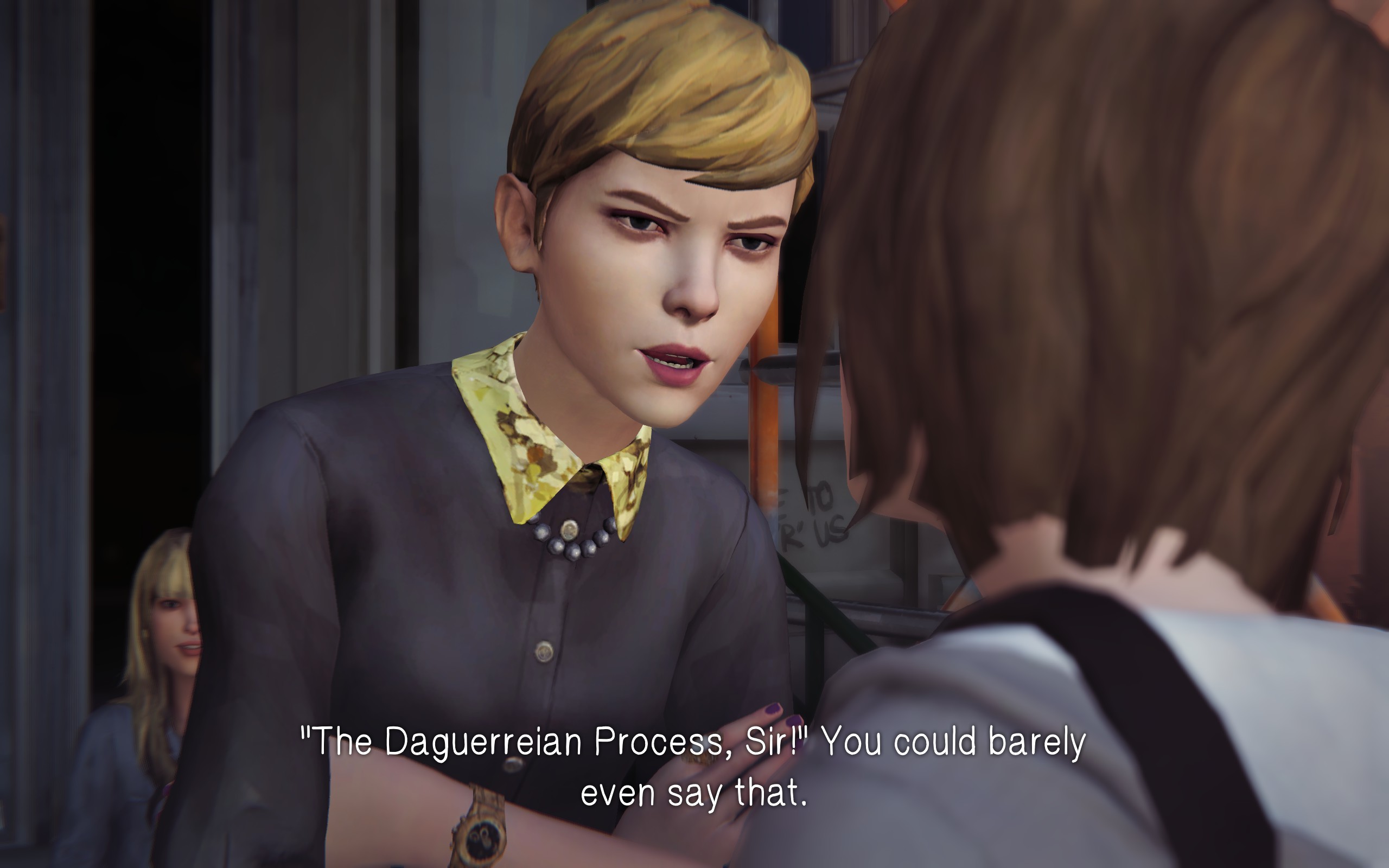
I really connected with Max. I wanted her to be the person she wants to be. I wanted her to help people, to make the right choices. And the gameplay emphasised how hard it is for her to make these choices, even when she can go back in time and change them. Ironically, this supernatural power made her feel more real. Because we all struggle with choice. We all wonder what would happen if we could go back and change something. Would it really be for the better?
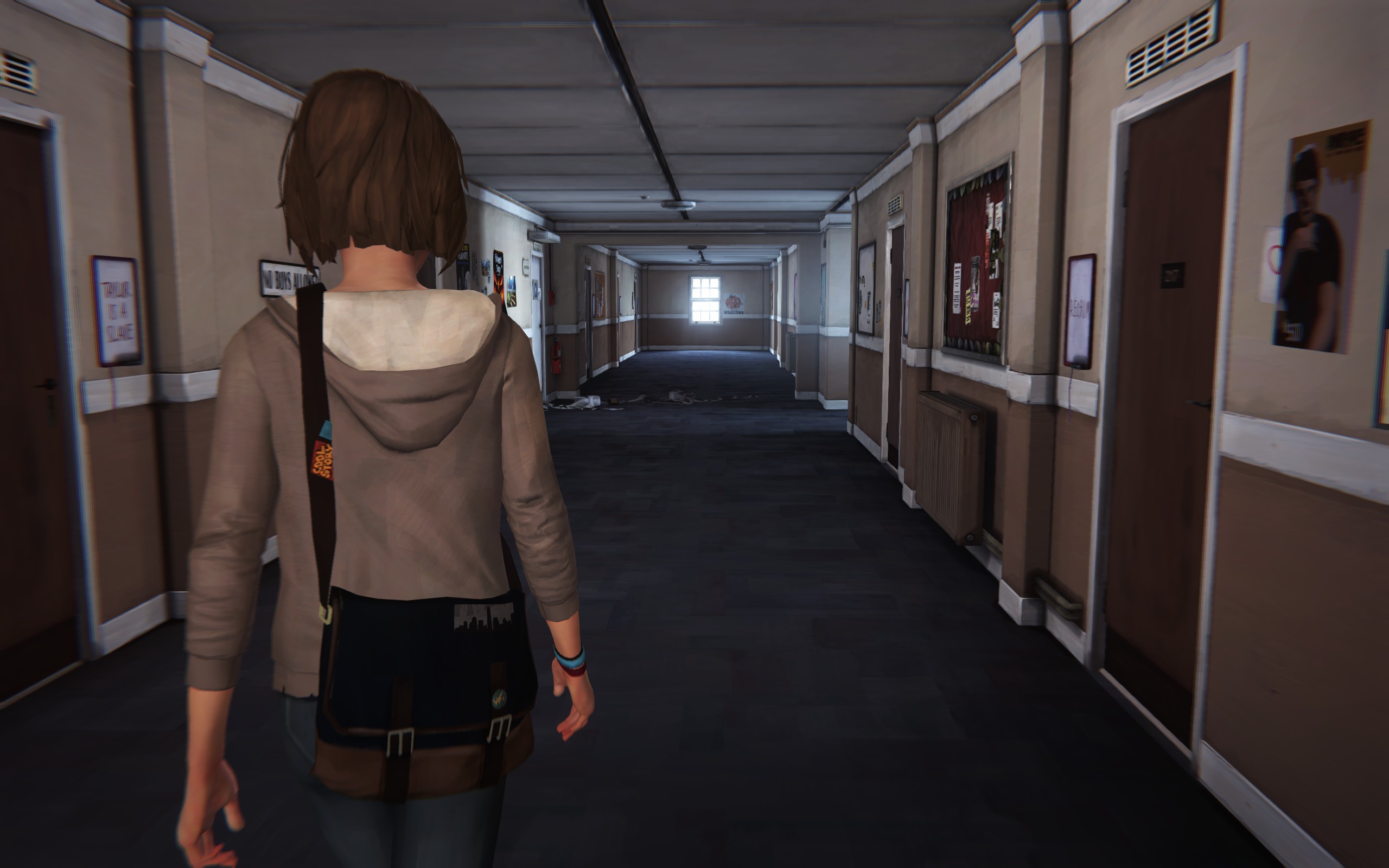
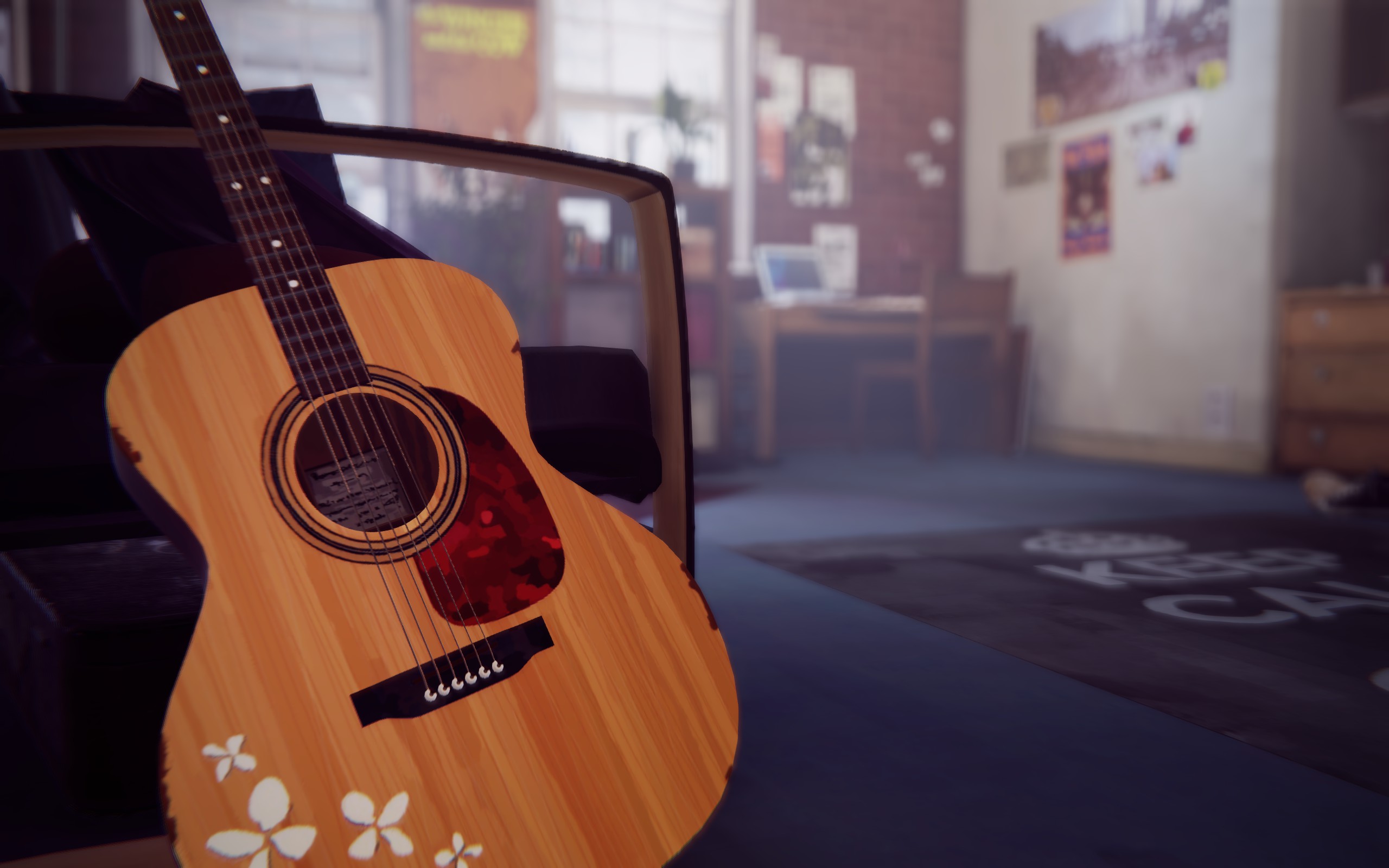
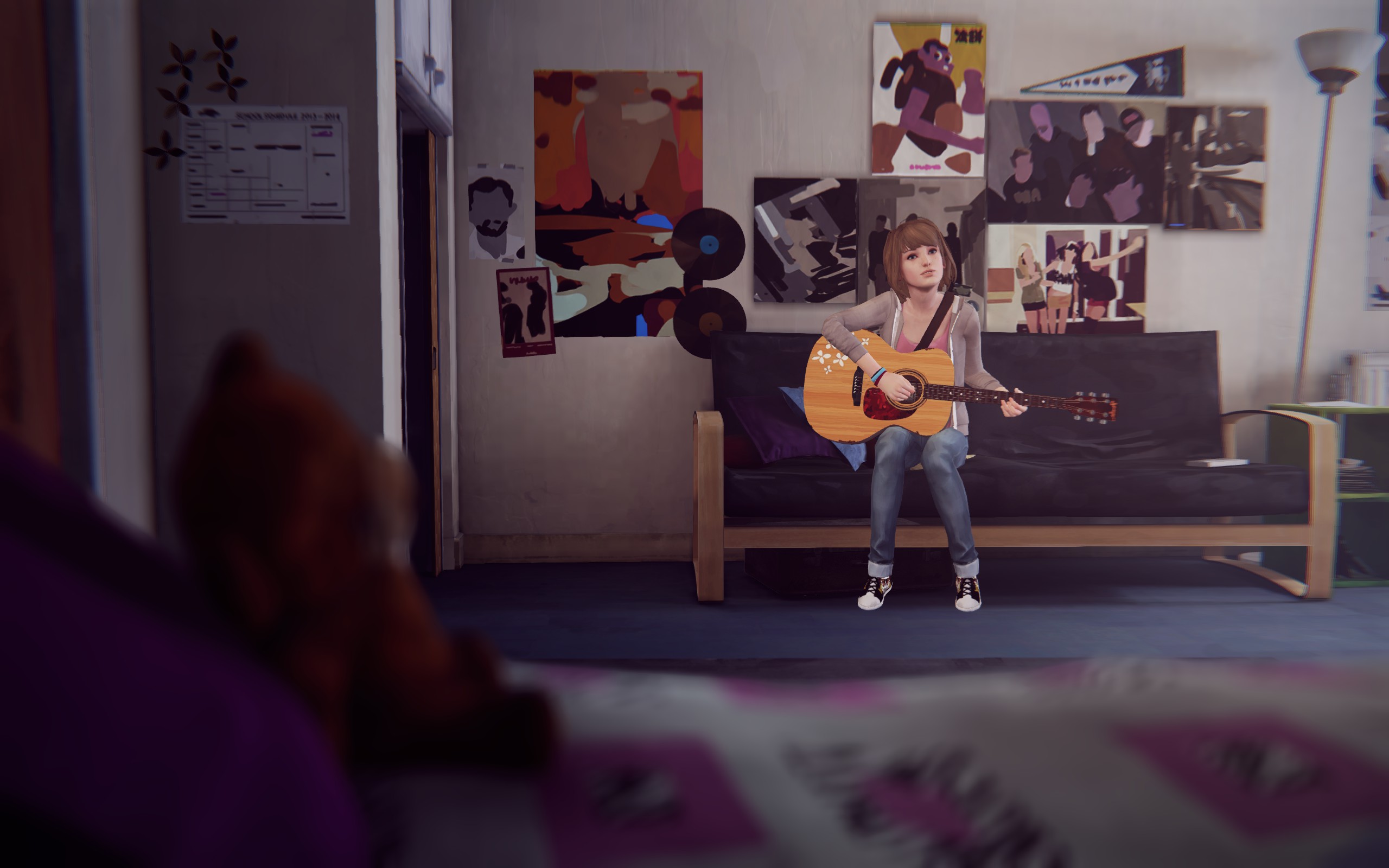
Then there’s her relationship with Chloe. Max returned to her home town and didn’t get in touch with her best friend. Chloe is pissed, but still welcomes her with open arms when they finally meet. Their conversations feel so natural, and you can feel the love between them is strong and unquestioned. When you explore Chloe’s house and have flashbacks to childhood memories you can feel their past, all the big and little things they have gone through together.
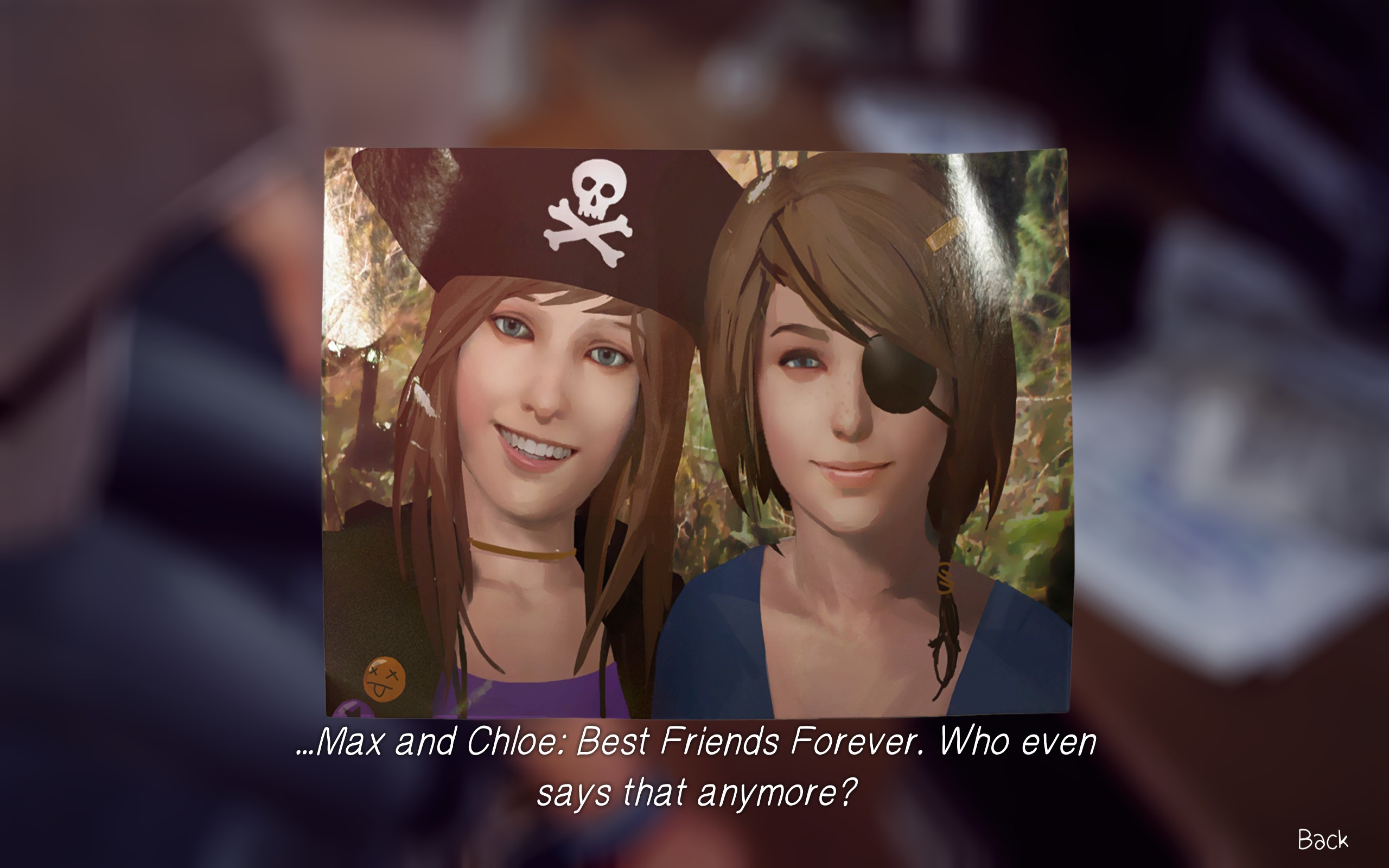
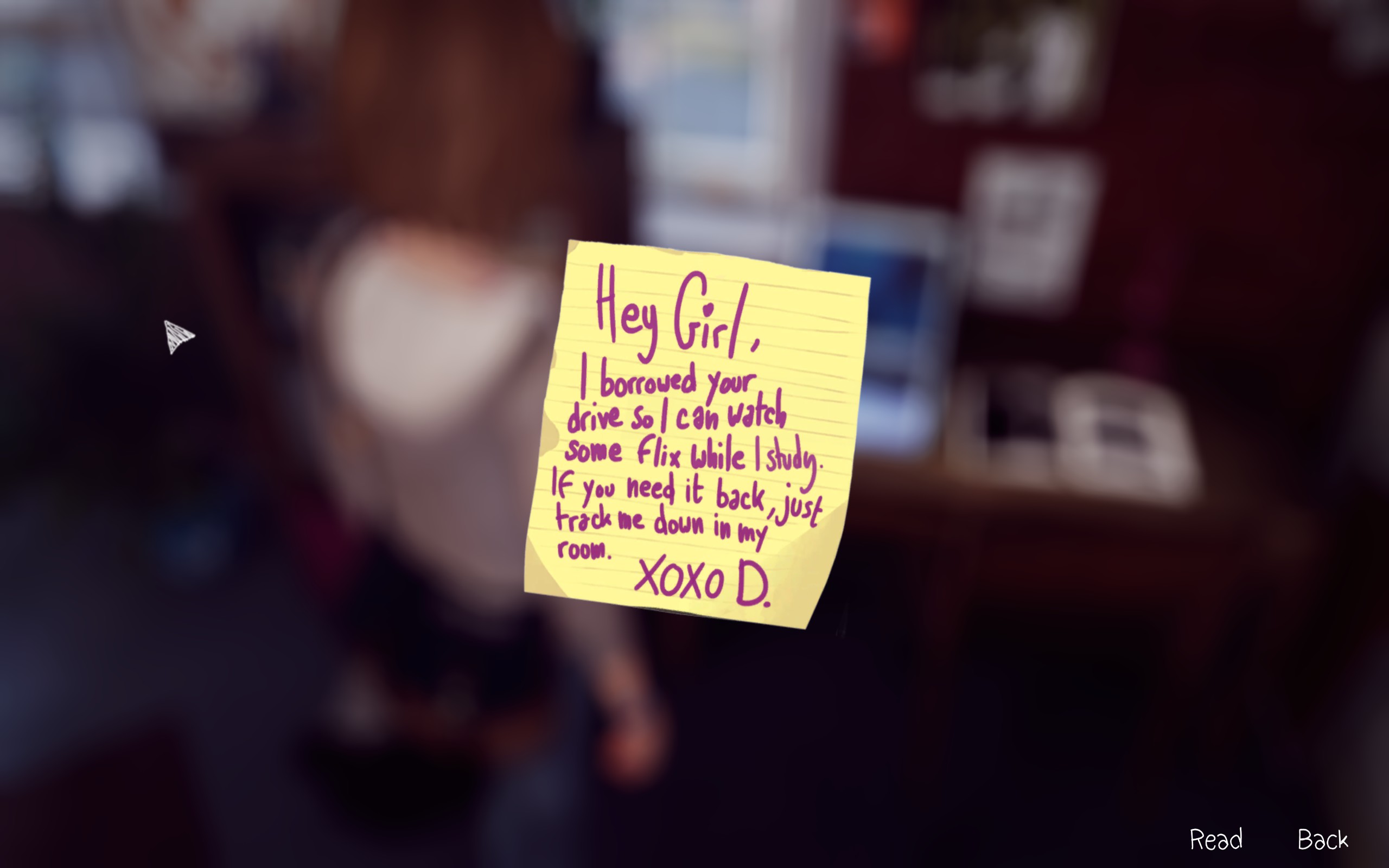
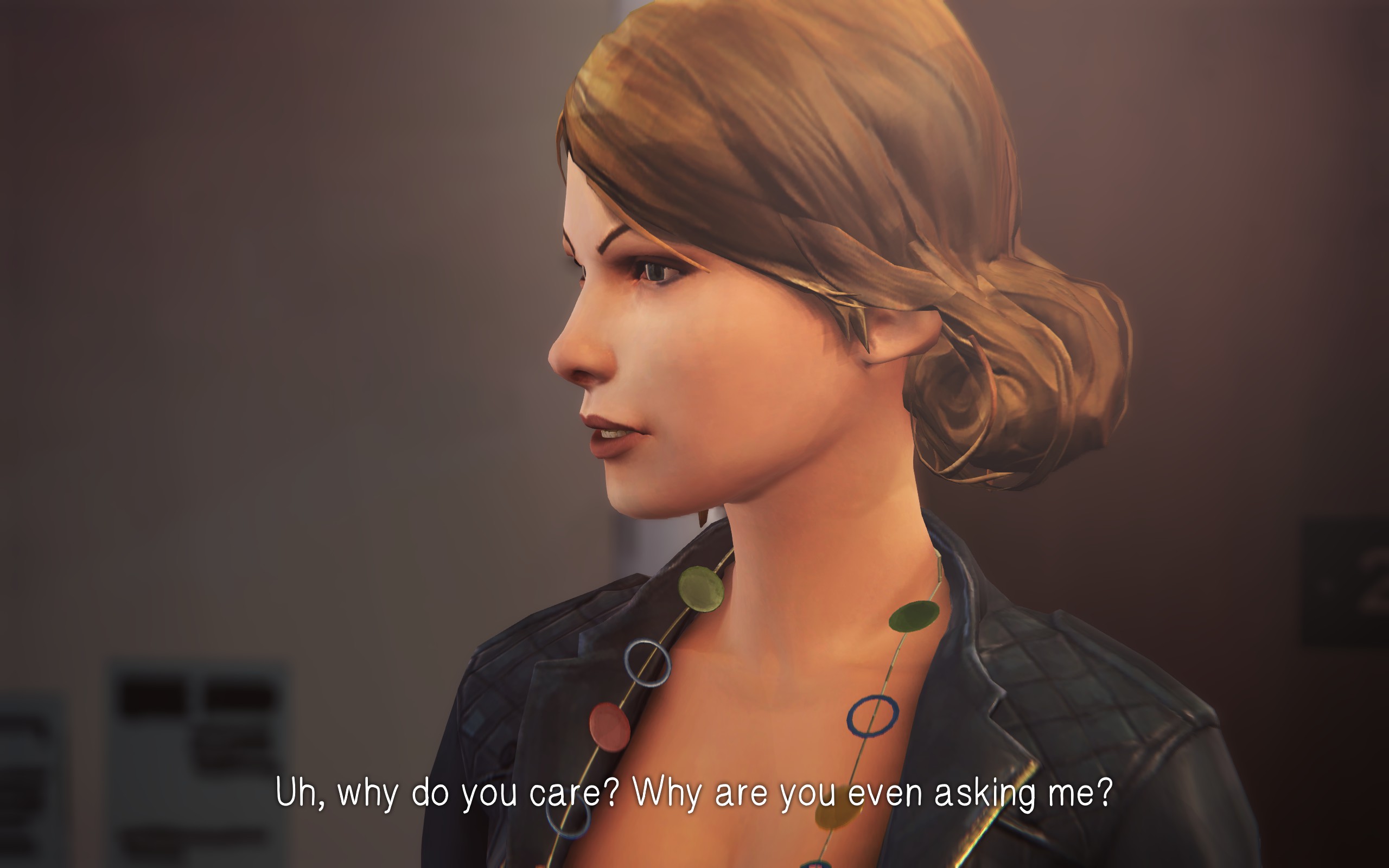
The writing and voice acting does these characters justice. As the chapter closes and we get a glimpse of what’s coming you end up caring not just for these two characters, but all of the characters in the town. But this is only the first chapter. The story, as yet, is incomplete. And I don’t want to abandon them yet.


